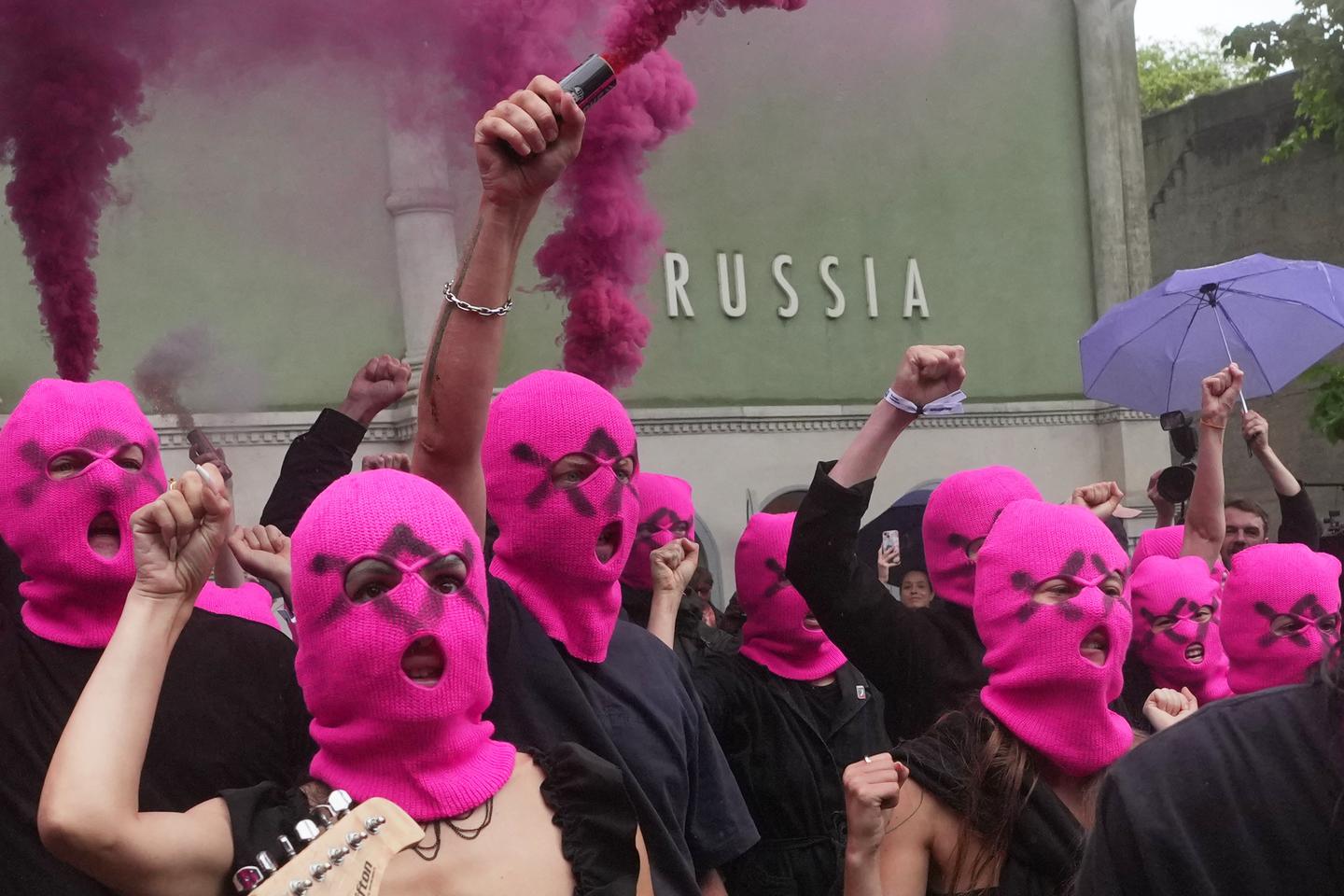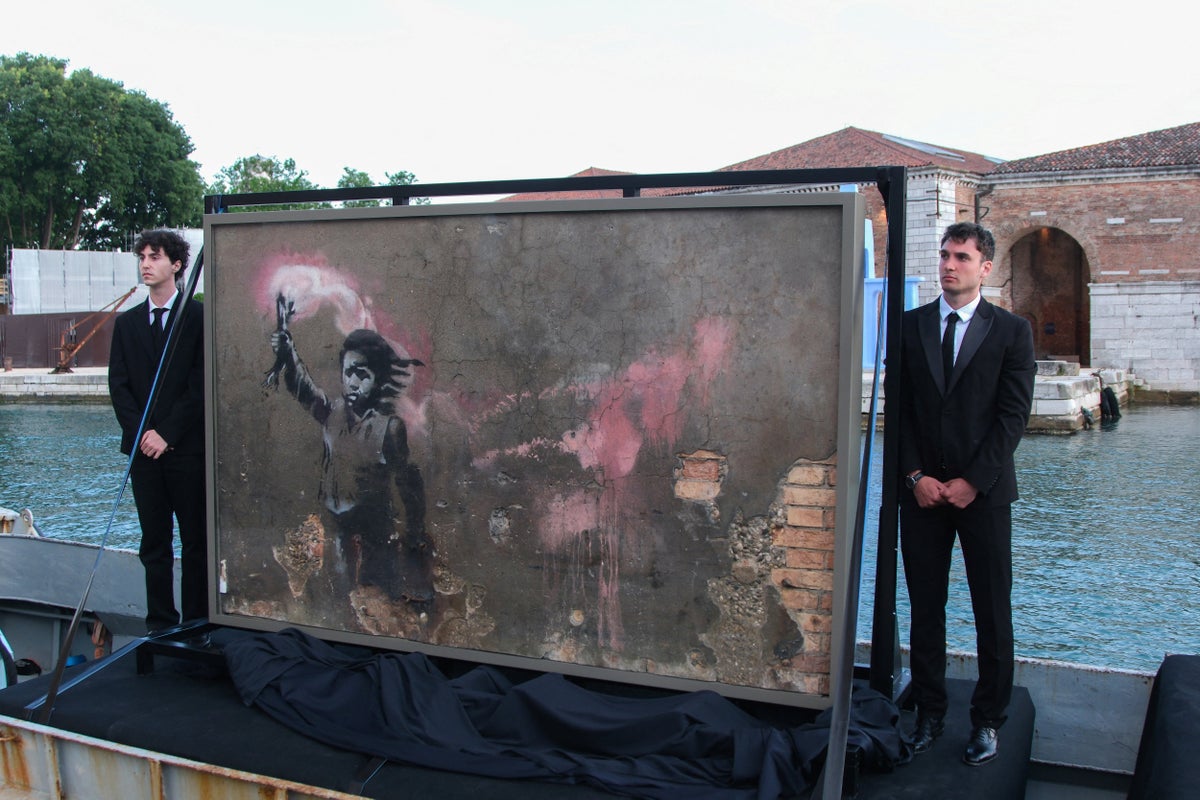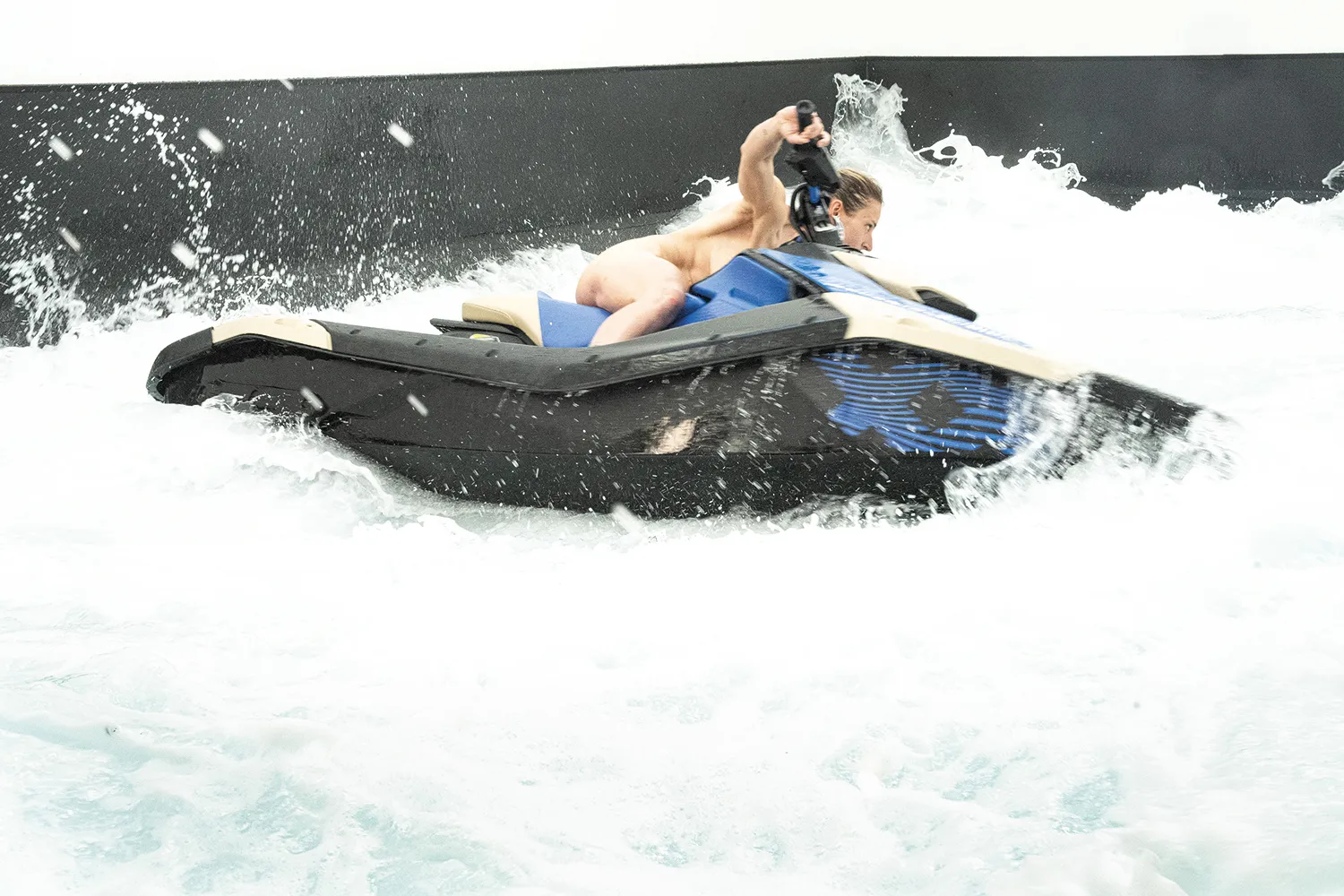
The 61st Venice Biennale arrived freighted with portent. To cut a long story short: Russia and Israel were invited to exhibit, and the prize jurors resigned in protest. Then, on preview day, the city was hit by a storm of biblical force. I sat in the Stansted Wetherspoons for hours, oblivious to the fact that the Ryanair ahead of mine was taking a pummelling that ultimately landed it on the wrong side of the Adriatic. ‘It was terrifying,’ a journalist colleague recounted. ‘And apparently, Bjork was on board, too.’
You’ll leave feeling that you’ve spent five hours trapped in the basement of Italy’s most patronising headshop
The bad juju had set in last May when Koyo Kouoh, the programme’s curator, dropped dead aged 57. The event was left rudderless: and with all due respect – it shows. The Venice Biennale is always a mess, vast in scale, sickeningly platitudinous and intrinsically compromised by commercial forces that blunt its aspirations to radicalism. This latest iteration ticks all those boxes, yet somehow manages to be just that bit worse.
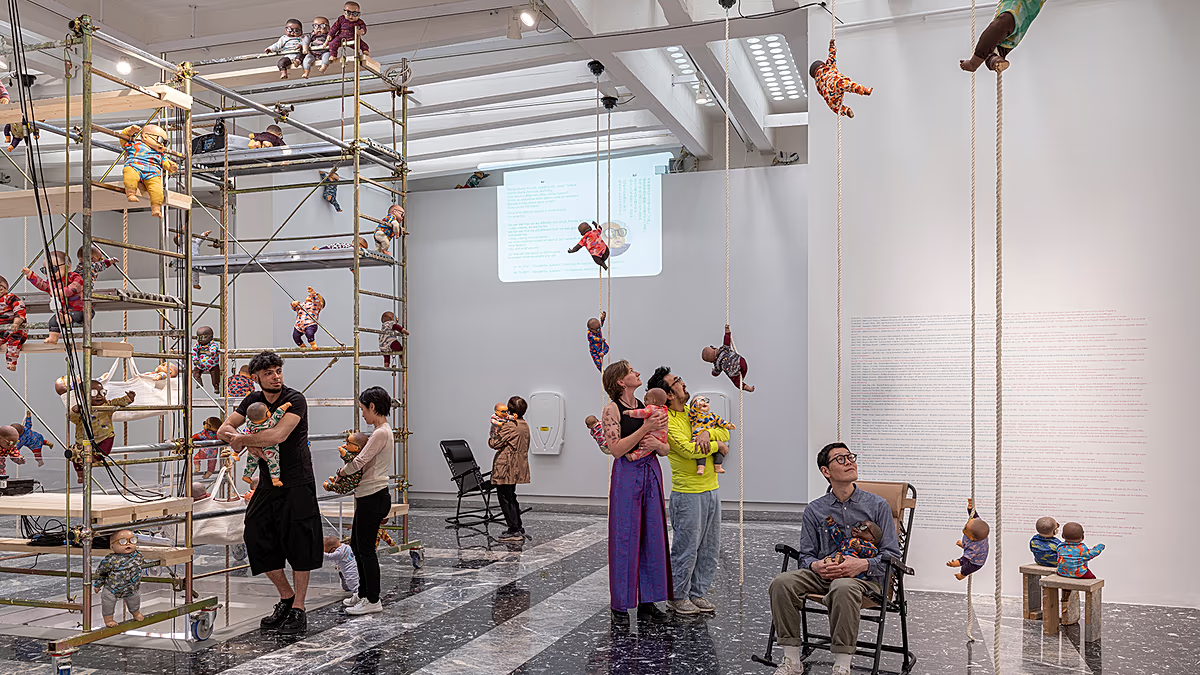
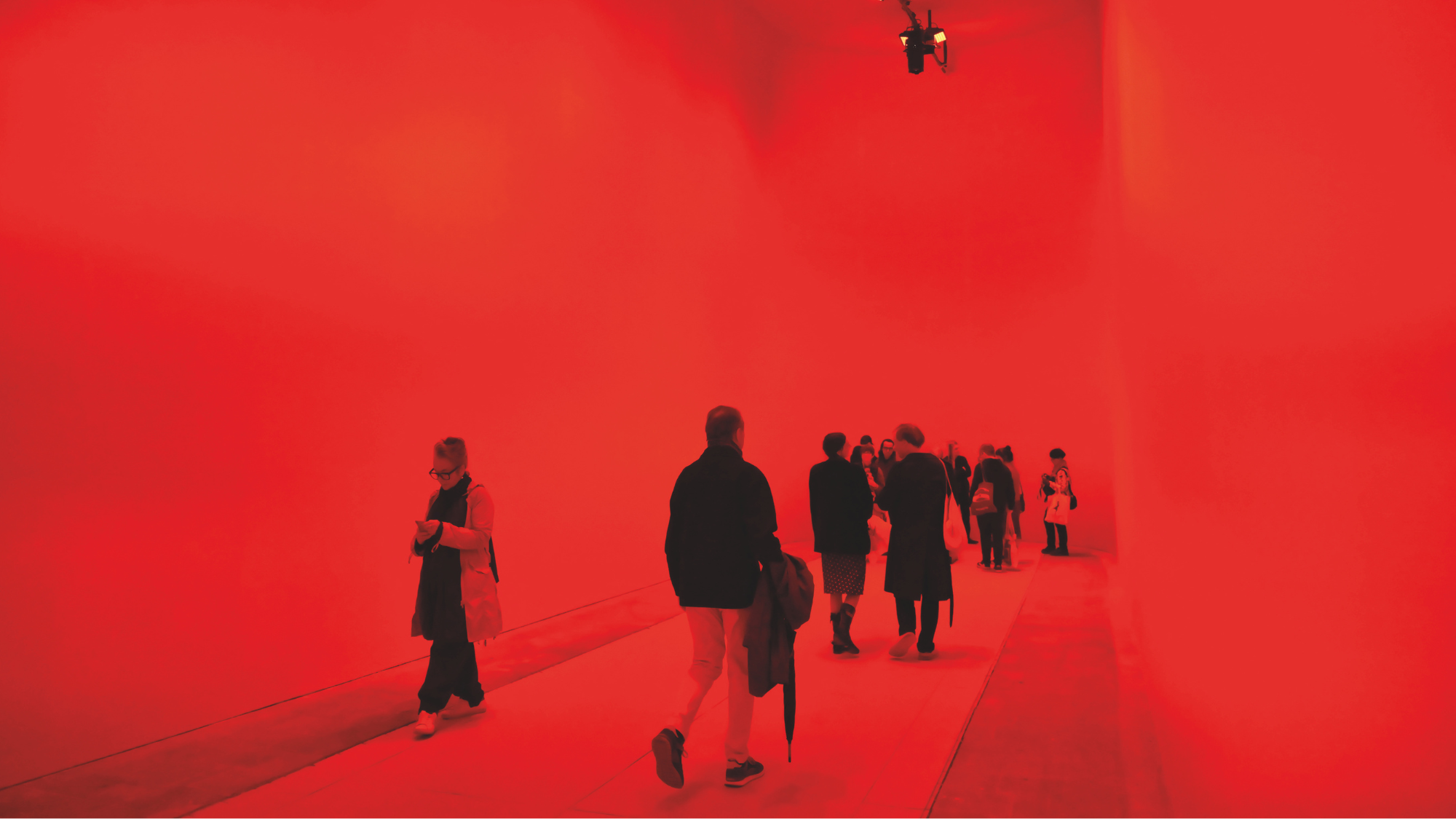
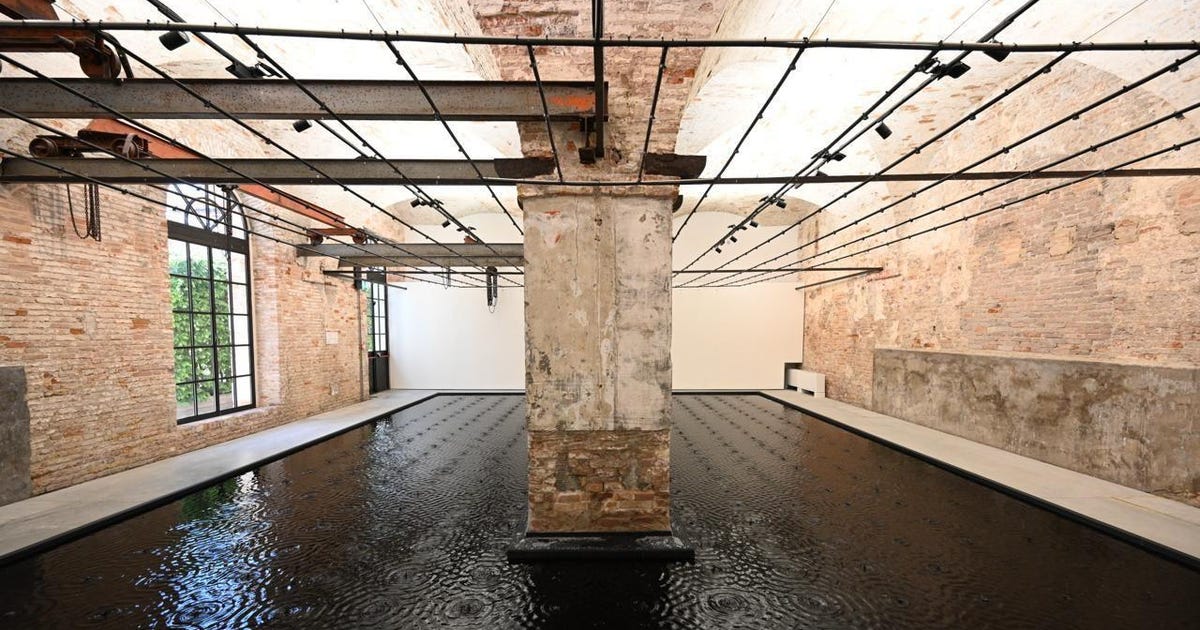
The Biennale is supposed to gauge the zeitgeist of contemporary art, and on that level the current number is particularly depressing. The gargantuan central exhibition in the Arsenale, for instance, is a washout. Kouoh – who was born in Cameroon but had been largely based between Dakar and Cape Town – sought to banish culture-war bombast while foregrounding the work of black artists. Entitled In Minor Keys, the exhibition is supposed to be a celebration of quiet invention, a parade of reflective art that makes its point with whispers rather than yells.