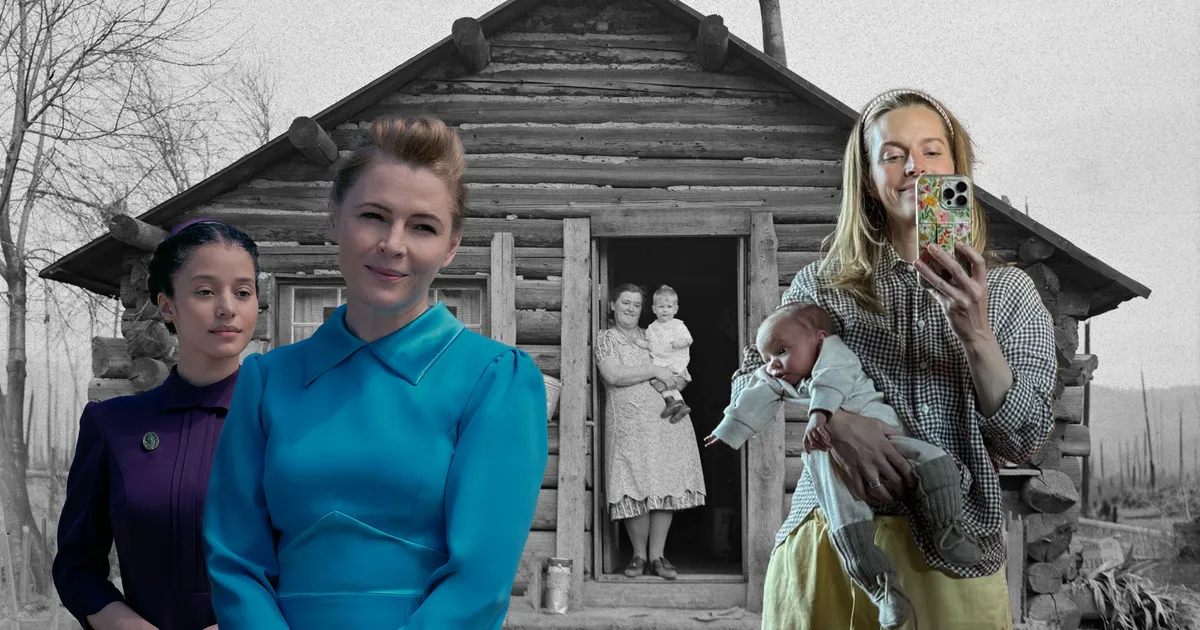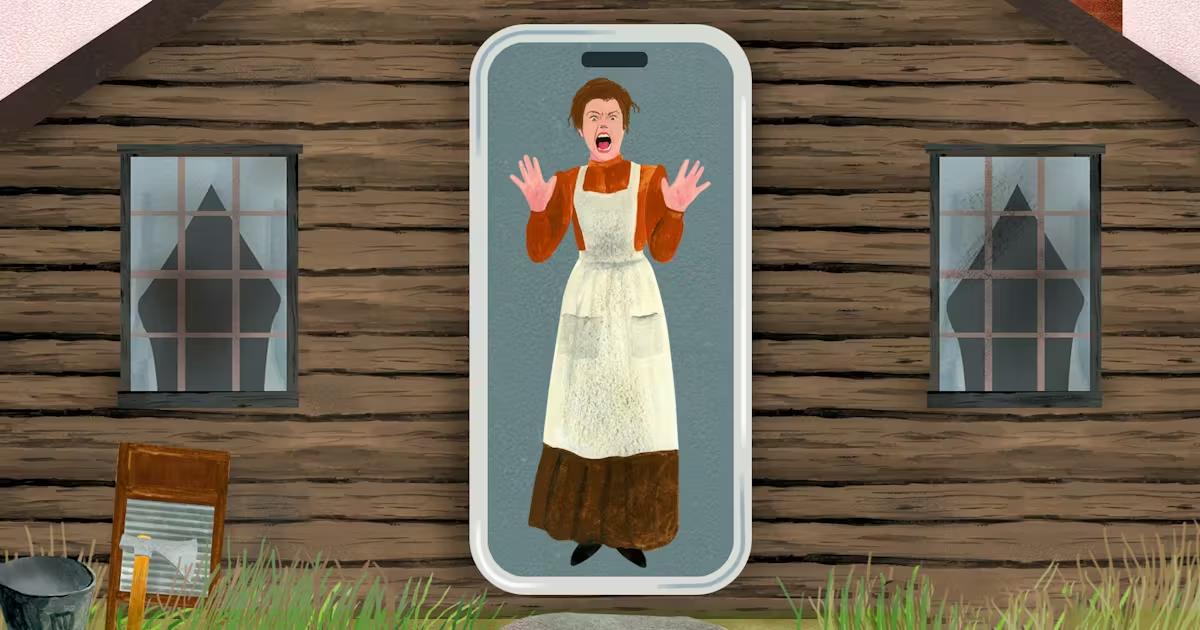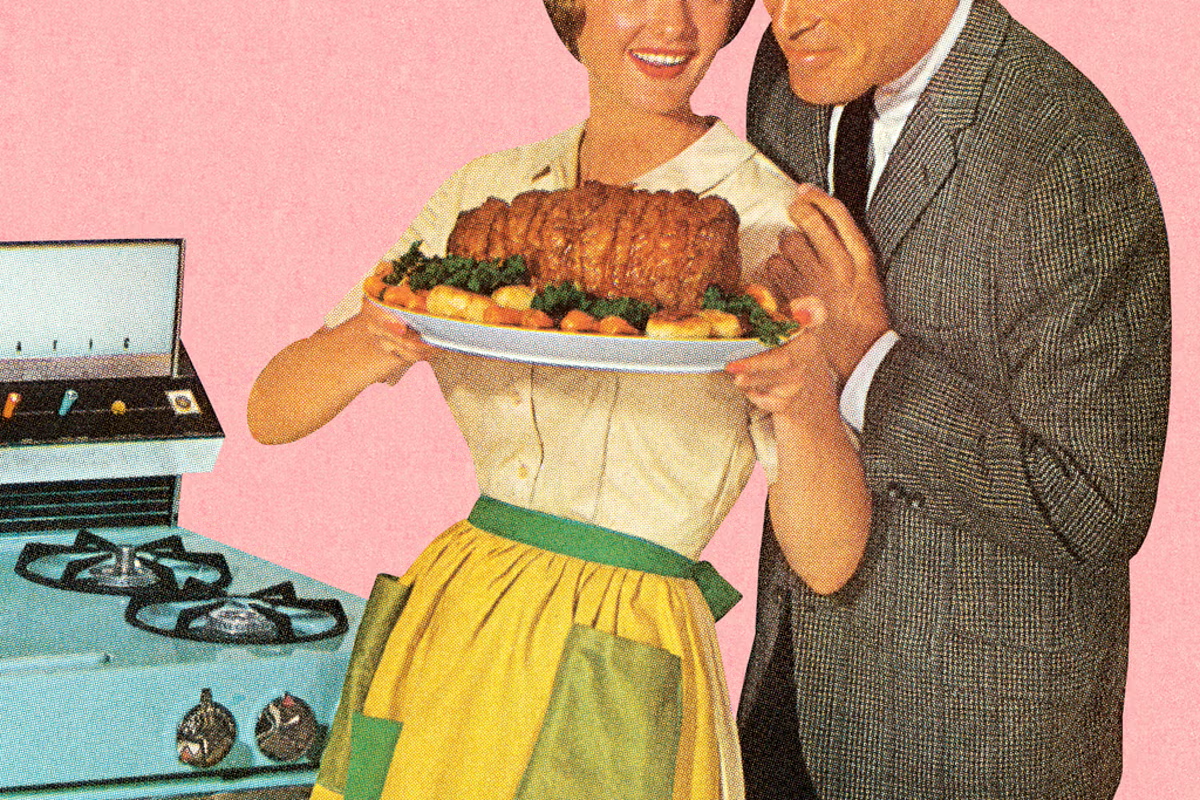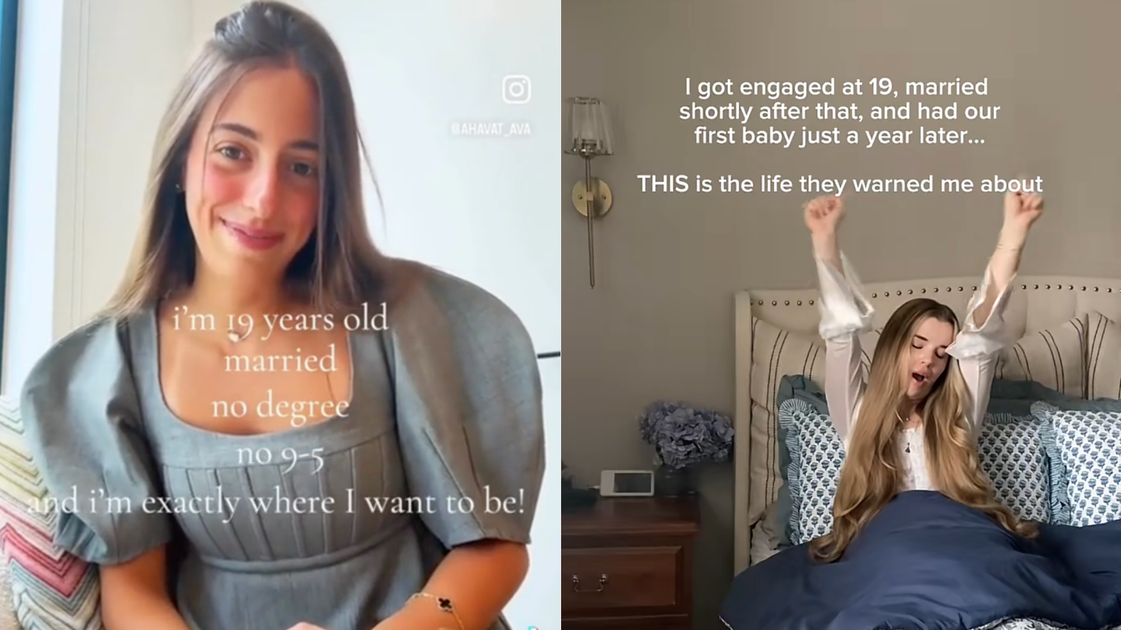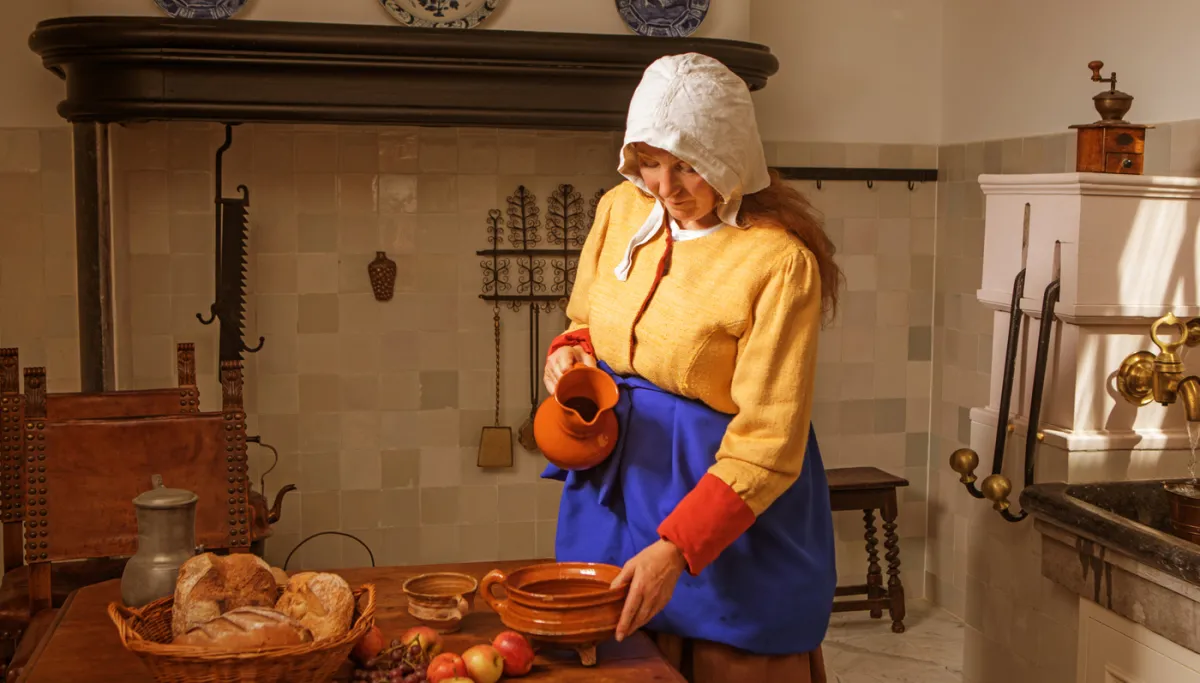
The tradwife trend has become one of the internet’s more troubling cultural flashpoints. Short for “traditional wife”, it describes cosplaying women who promote old-fashioned gender roles, including homemaking, motherhood, obedience to the husband and domestic life as a moral ideal to large social media followings.
Online, it’s a perfect world. There’s bread baking, floral dresses, babies, spotless kitchens and a life presented as simple, wholesome and stable.
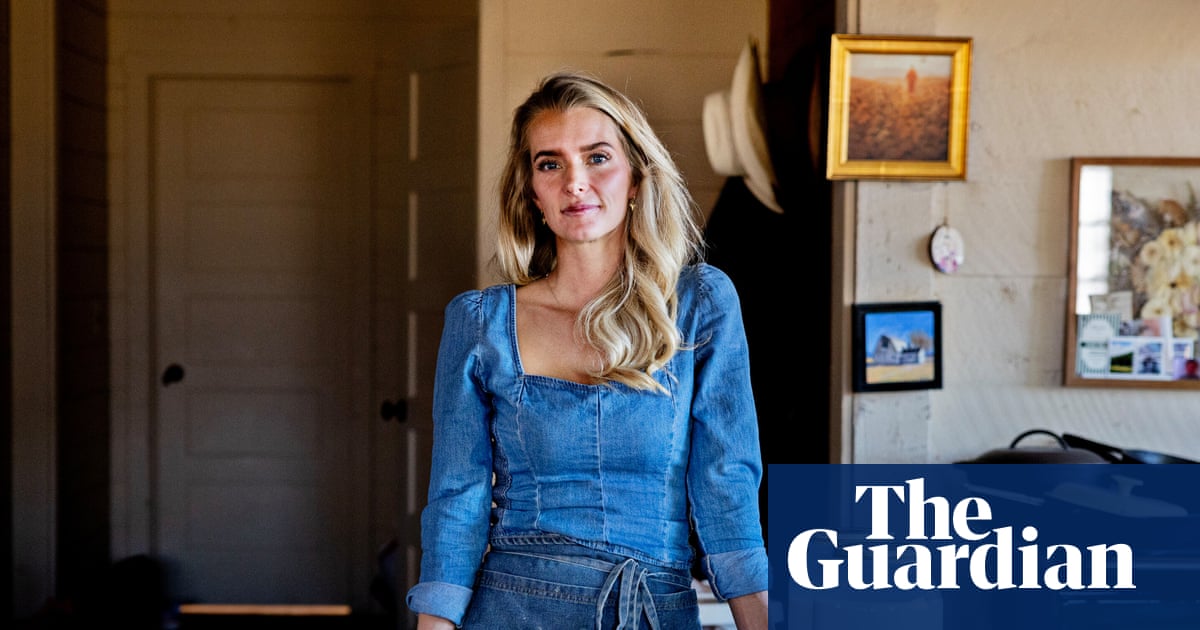
On TikTok, #tradwives has attracted more than 1.1-billion views. Influencers such as Hannah Neeleman of Ballerina Farm and Nara Smith have helped make styled domesticity one of social media’s most recognisable aesthetics. But the real world is messy and unpredictable; Neeleman recently stopped sales of unpasteurised milk from her Utah homestead brand after tests found high levels of coliform bacteria, including E. coli.
Tradwife content speaks to a generation worn down by work, childcare costs and digital overload. It turns the home into a place where life appears controlled and meaningful. A 2026 global study by Ipsos and King’s College London found that 31% of Gen Z men and 18% of Gen Z women agreed that a wife should always obey her husband.