By
Sarah Jones,
senior writer for Intelligencer who covers politics and labor
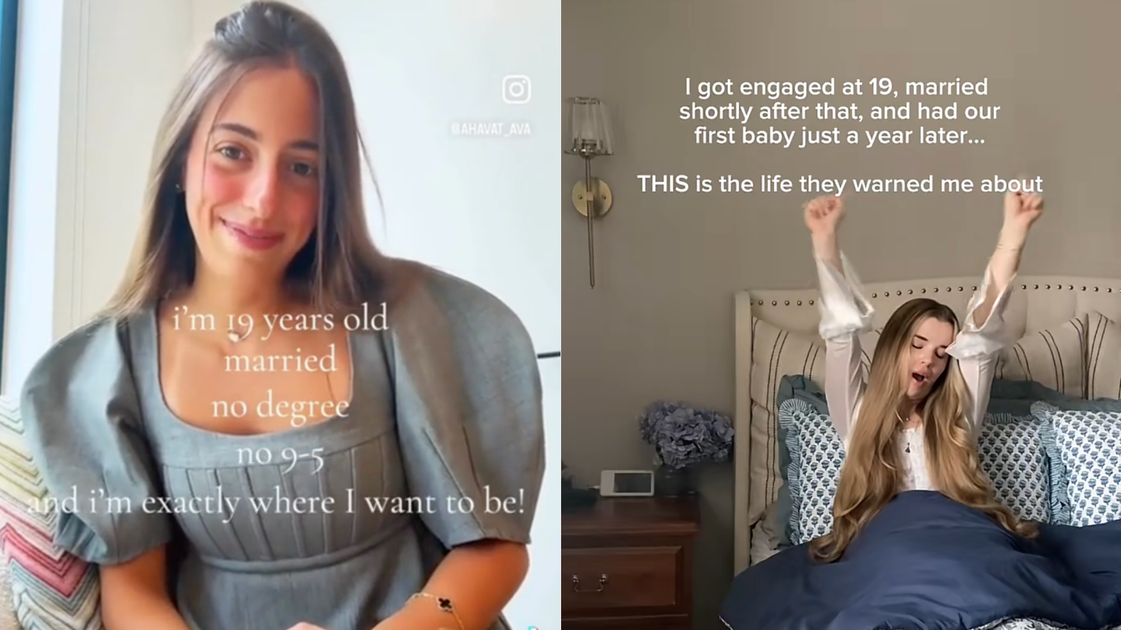
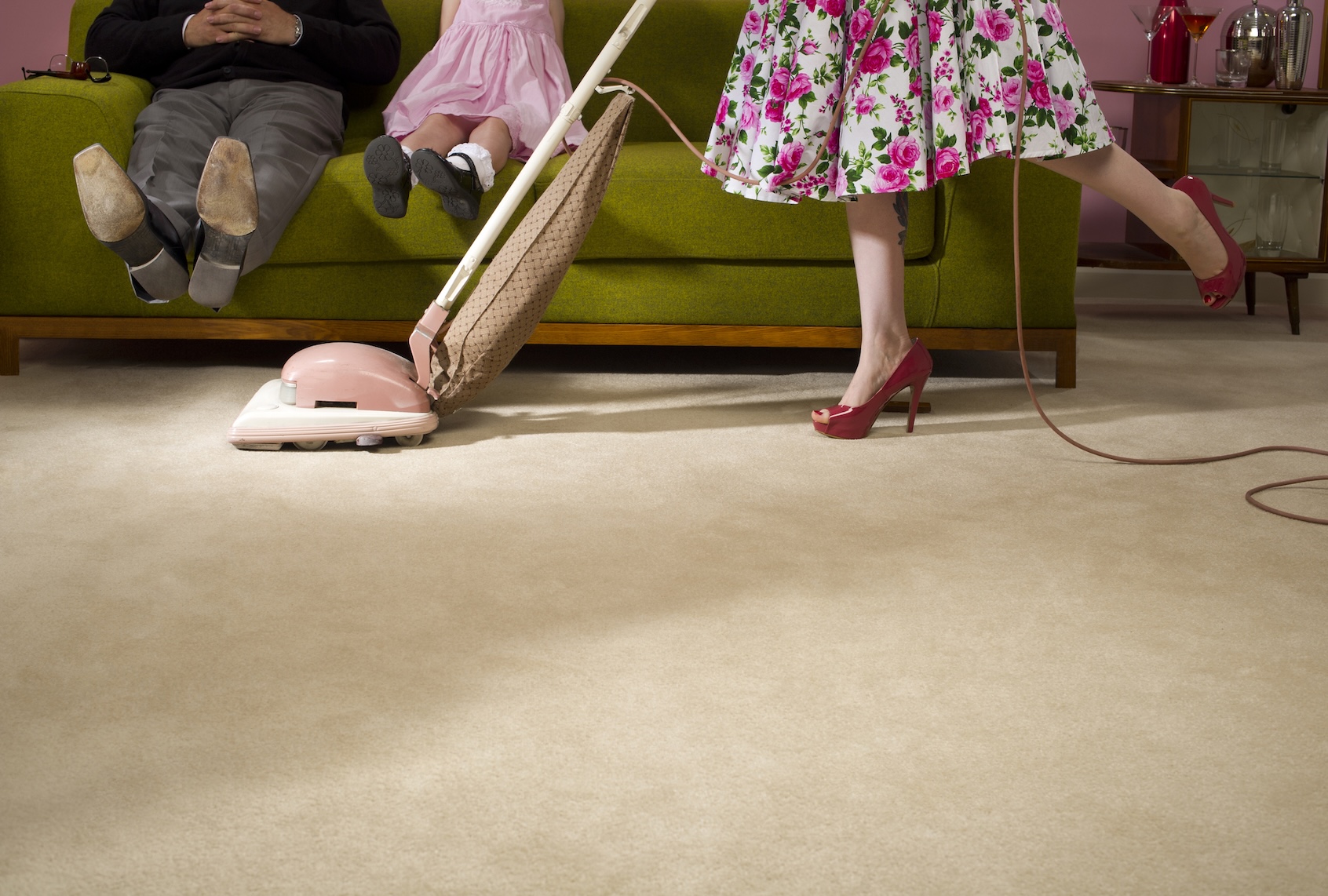
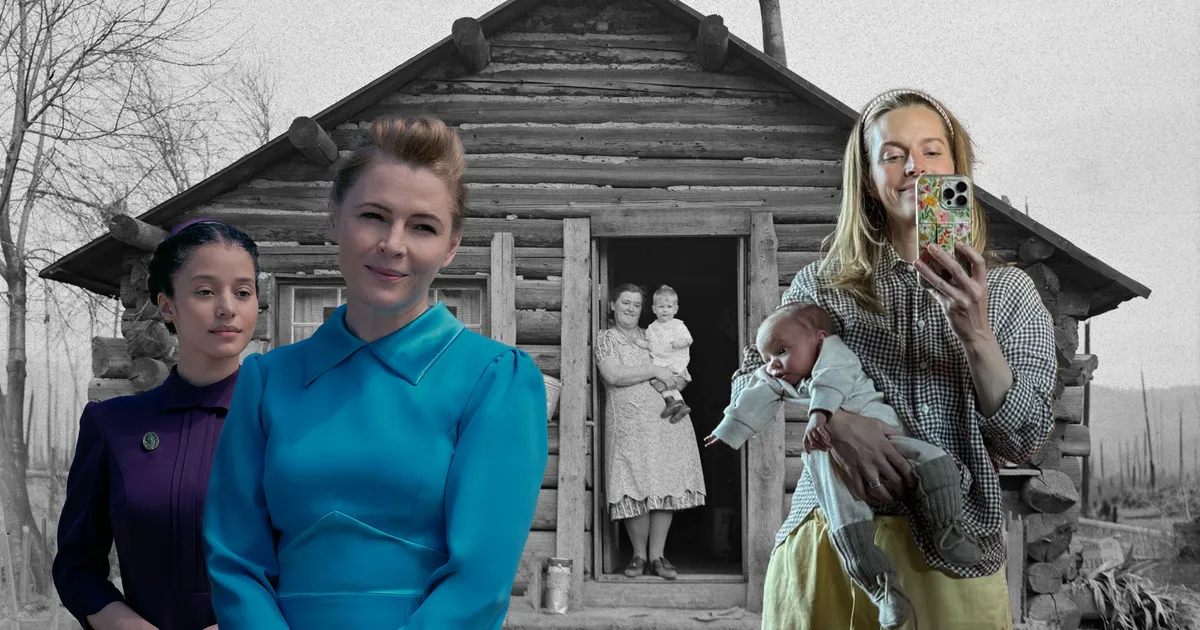
Over the last decade, the tradwife has become unavoidable. She haunts our screens in The Testaments, in Mormon reality shows, in TikToks and on Instagram. She’s in the White House. She lives like it’s the 1950s or maybe the 1800s. She has babies while other women languish in cubicles. She bakes sourdough. She might have a “side hustle,” but answers primarily to her husband, upon whom she also depends. She inspires headlines and polls and jokes but mostly anxiety, from both her critics and her friends. Either she is real and a threat to our freedoms, or she is real and in danger from feminism. Perhaps she is whatever we hate most, a Rorschach blot who reveals more about her observers than she does about herself.
Tradwifery can be an illusory concept, in practice. Women are not dropping out of college or the workforce in masses, begging to go back to their kitchens. Three out of four Gen Z women disagreed “that the country would be stronger” with traditional gender roles, an NBC News poll found last year. The percentage of American women who prefer a career over a role as a homemaker has risen steadily over time. Even the women most associated with a traditional lifestyle — conservatives, the devout — aren’t much like tradwives, either. Erika Kirk is leading Turning Point USA after the killing of her husband, Charlie, and Karoline Leavitt is the White House press secretary. Hannah Neeleman, the influencer and creator of Ballerina Farm, transformed wholesome homesteading content into a collection of products. If the tradwife won’t die, it’s because she was never alive. We are boxing with an apparition.