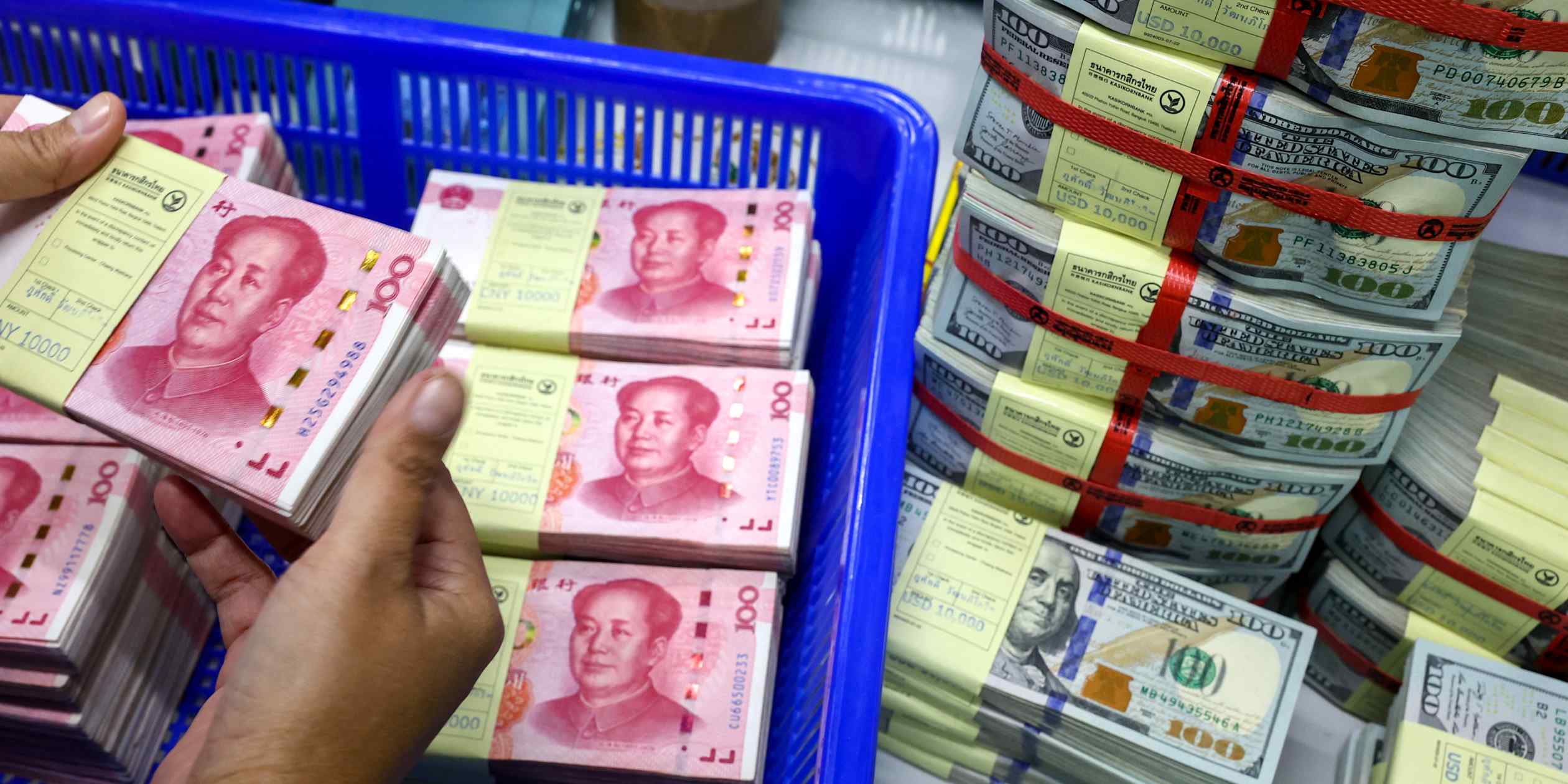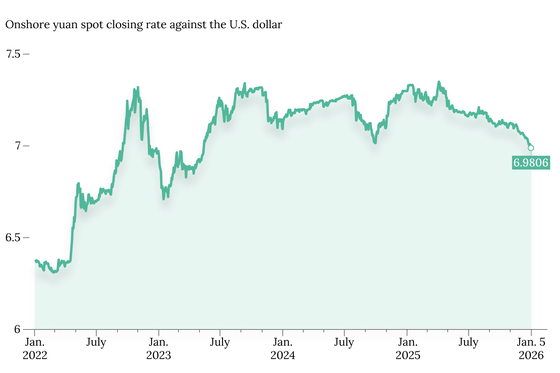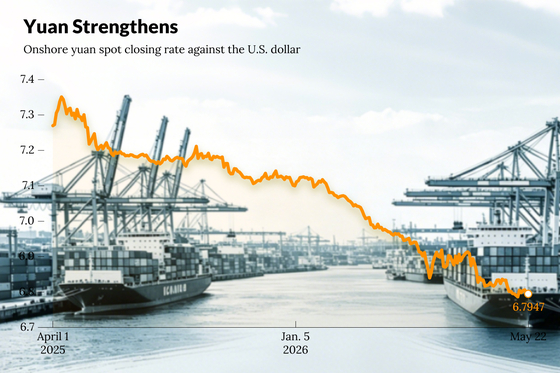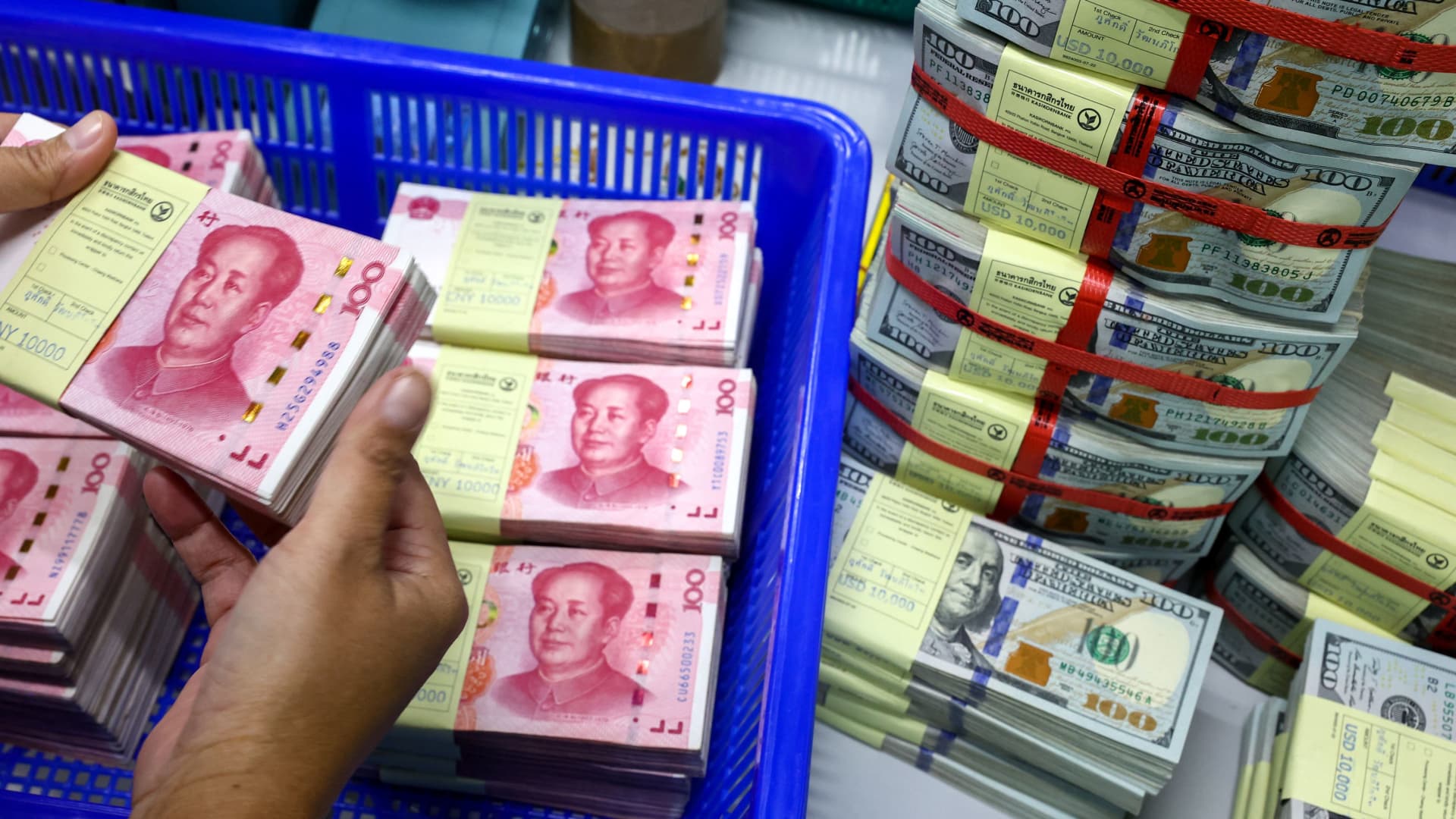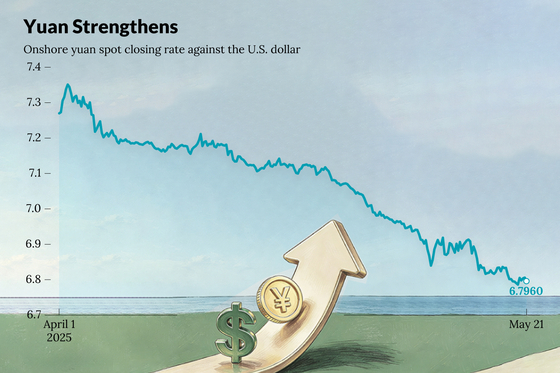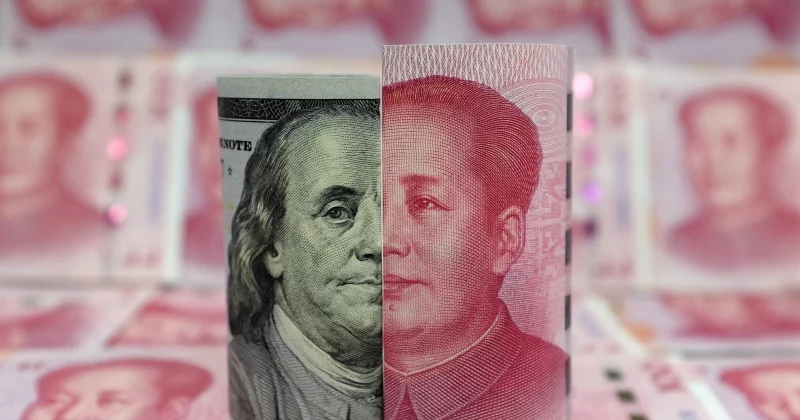
For years, the US accused China of keeping the yuan artificially weak to juice its exports. Now the currency is strengthening, and roughly 25% of Chinese firms are bleeding money because of it.
The appreciation of the renminbi against the US dollar is creating a genuine policy headache for Beijing. Exporters who priced contracts in dollars are watching their margins evaporate as the yuan climbs, turning what looked like profitable deals into losses on the books.
The exporter squeeze
Here’s how the math works against Chinese exporters. A company signs a contract to deliver goods at a fixed dollar price. By the time payment arrives weeks or months later, the yuan has strengthened. That same pile of dollars now converts into fewer yuan, which is the currency the company uses to pay workers, suppliers, and rent. The technical term is “FX mismatch.”
Nearly one in four Chinese firms are reporting financial losses tied to exactly this dynamic. For smaller manufacturers operating on razor-thin margins, the difference between a profitable quarter and a loss-making one can come down to a few percentage points of currency movement.