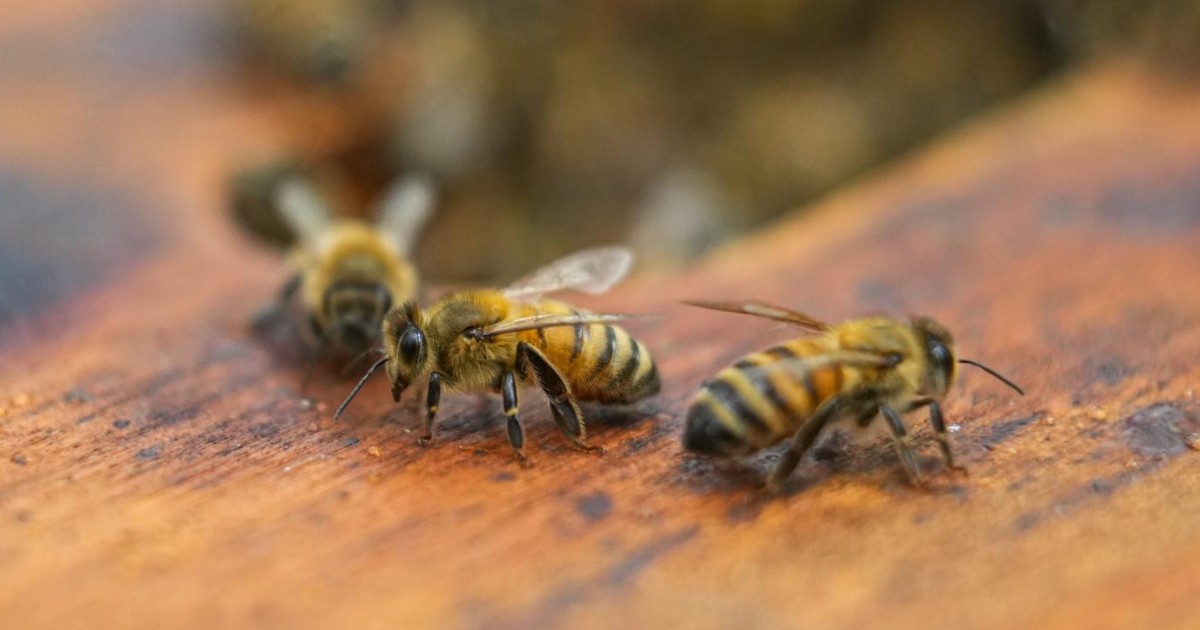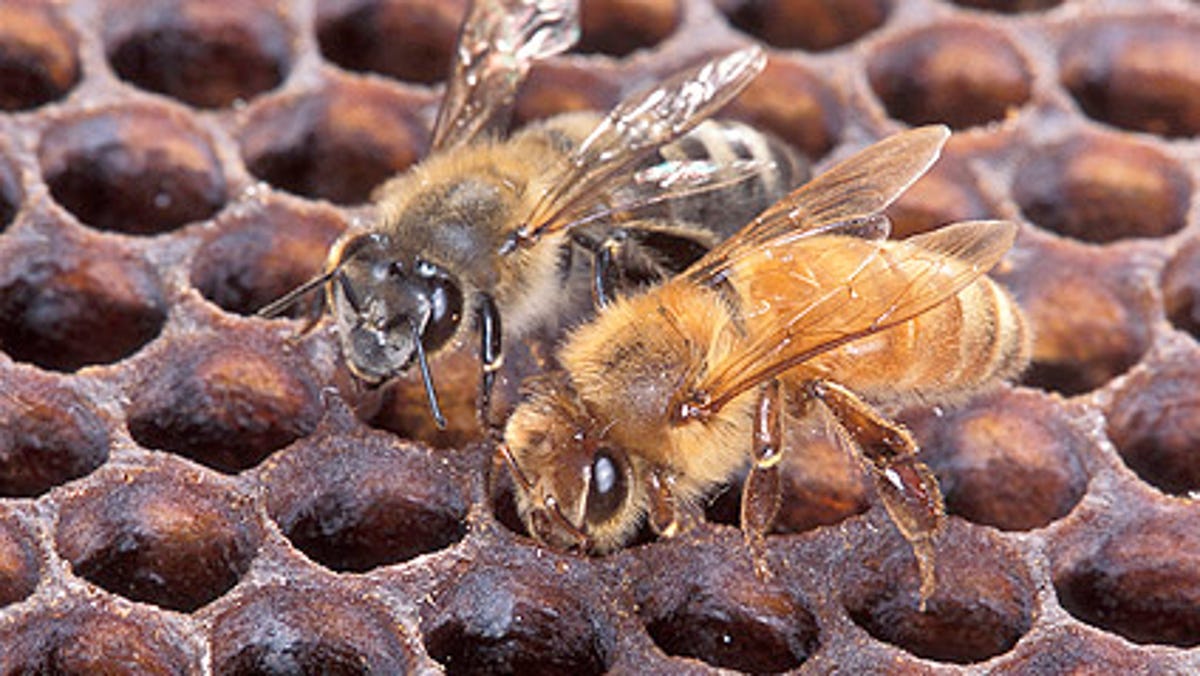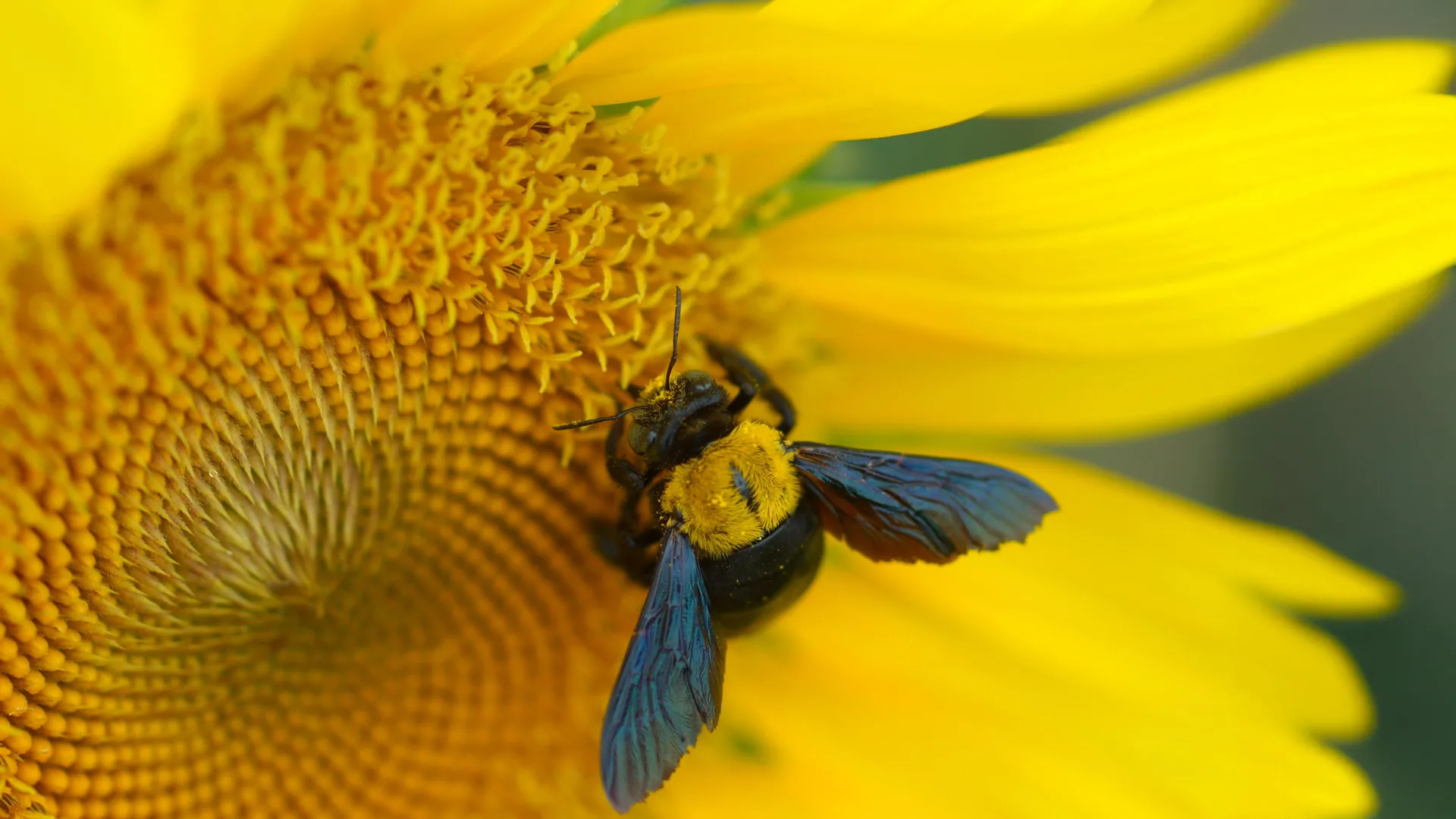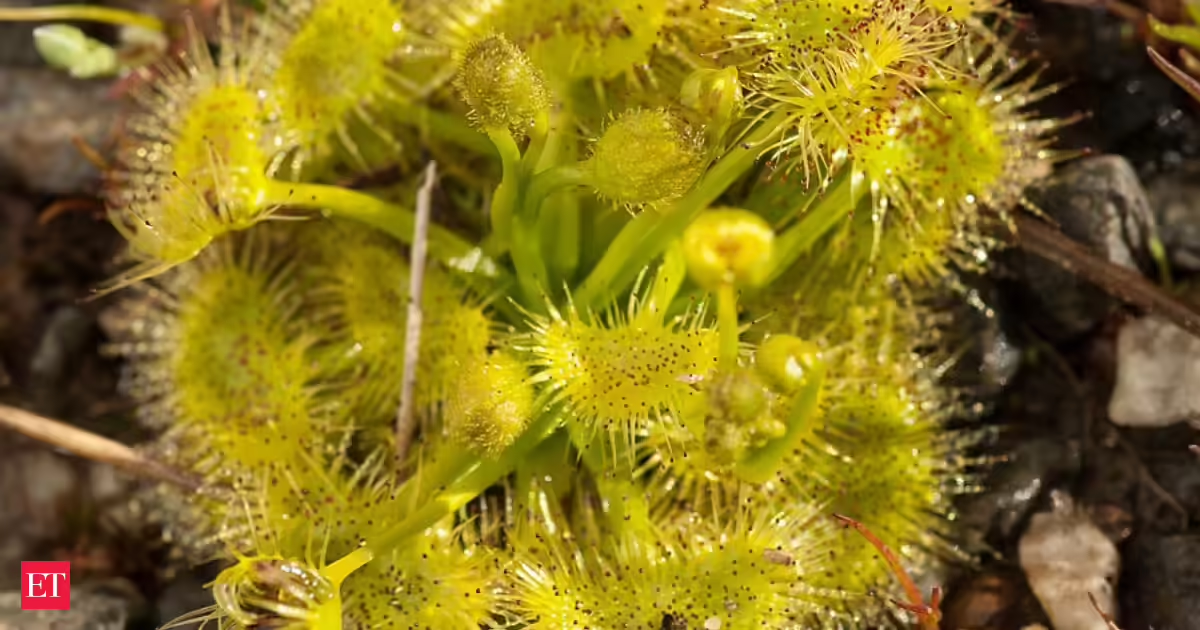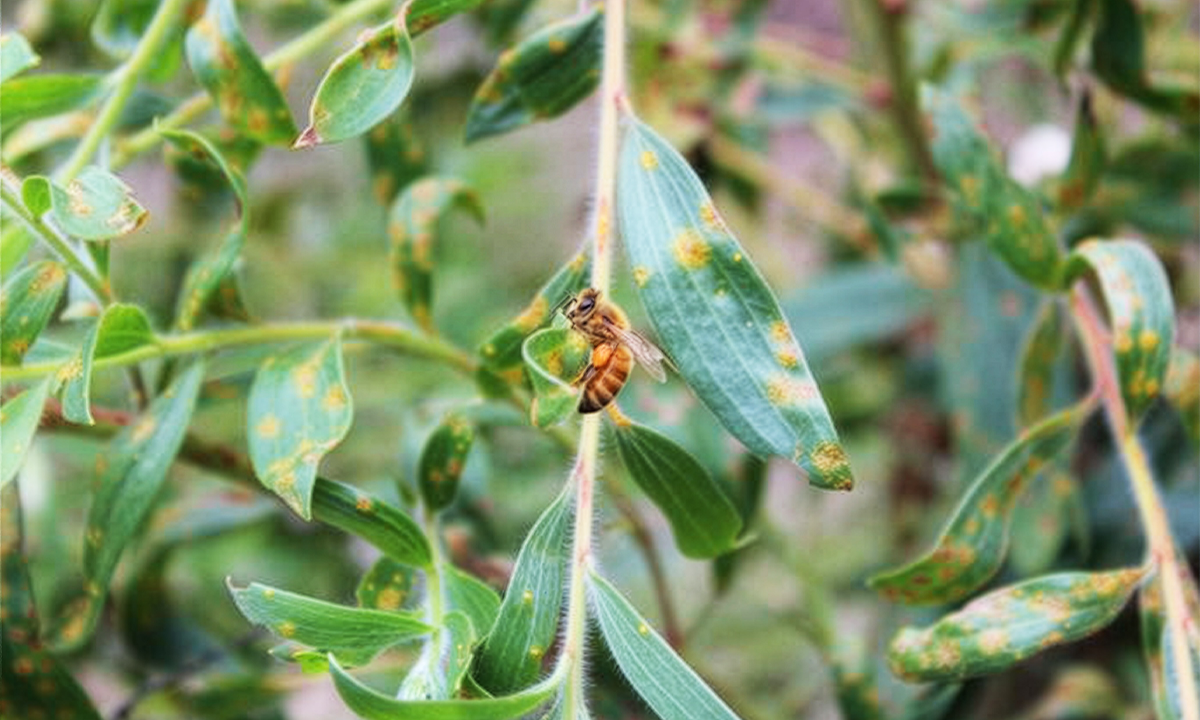
In 2010, Australia was invaded. Myrtle rust, a fungal blight characterized by its yellow-brown spores, descended on the island continent and quickly spread, threatening up to 17 percent of Australia’s natural flora. Now, new research published in NeoBiota finds the fungus may be getting an assist from another introduced species: the Western honeybee. If so, this dynamic could be a stunning example of “invasional mutualism” where two non-native species team up to help each other thrive in a new environment. Featured VideoPrior field observers noticed honeybees actively foraging from rust-infected flowers, seemingly packing the spores around their legs just like pollen and flying the infected haul back to the hive. And so, the bees, which were introduced to Australia to act as commercial pollinators, could now be disease vectors. To find out for sure, biologists from Australia and New Zealand set up colonies in known myrtle-rust outbreak sites. Around half of the bees returned to the colony with myrtle-rust spores clinging to their bodies, and 45 percent of the pollen storage cells contained within were contaminated with spores. But could the bees really be feeding on rust spores? Read more: “The Invasive Species”Analyzing the chemical composition of the rust spores revealed they were quite nutritious, containing enough protein to sustain a colony, as well as all 10 essential amino acids. Of course, just because rust spores contain so many of the things growing bees need doesn’t mean they’re an adequate substitute for good old fashioned pollen. So the team collected bee larvae and raised them on a strictly myrtle-rust spore diet. The spore-eating larvae fared about as well as those raised on kiwi and willow pollen, their natural fare. “These findings suggest that spore foraging may not be an aberration, but a viable foraging strategy for honey bees,” they wrote. Gulp.Even more alarming, the team discovered that the myrtle-rust spores in the colony stayed infectious for up to nine days. Commercial beehives are routinely transported over long distances in a process that can take between three and seven days. In other words, myrtle rust may not just be getting an assist from bees, they might be getting an assist from humans trafficking the bees as well. Once again: gulp.The researchers warn that this dynamic—bees transporting spores, feeding on them, and potentially spreading them to other plants—could become a devastating feedback loop. Although the spores are nutritious, they’re not a long-term substitute for pollen. If the bees are indeed myrtle-rust vectors for the plants they feed on, they might be sowing the spores of their own destruction. Enjoying Nautilus? Subscribe to our free newsletter.Lead image: Geoff S Pegg.
Why These Bees May Be Killing the Plants They Feed From
Why These Bees May Be Killing the Plants They Feed From: The dark side of pollinators
437 words~2 min read