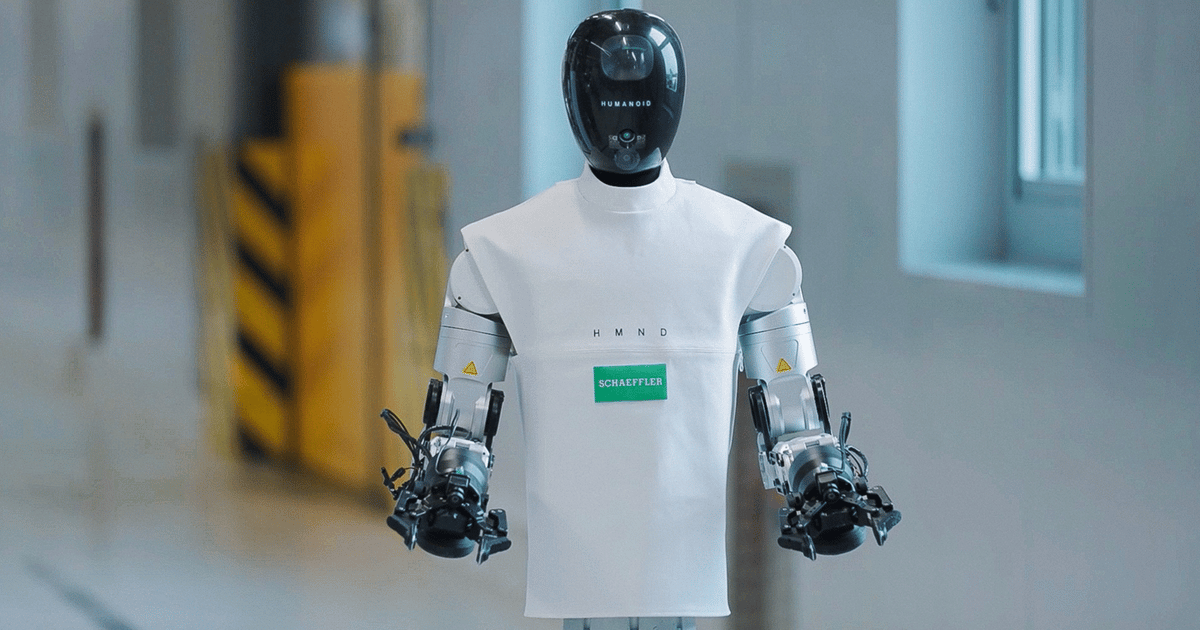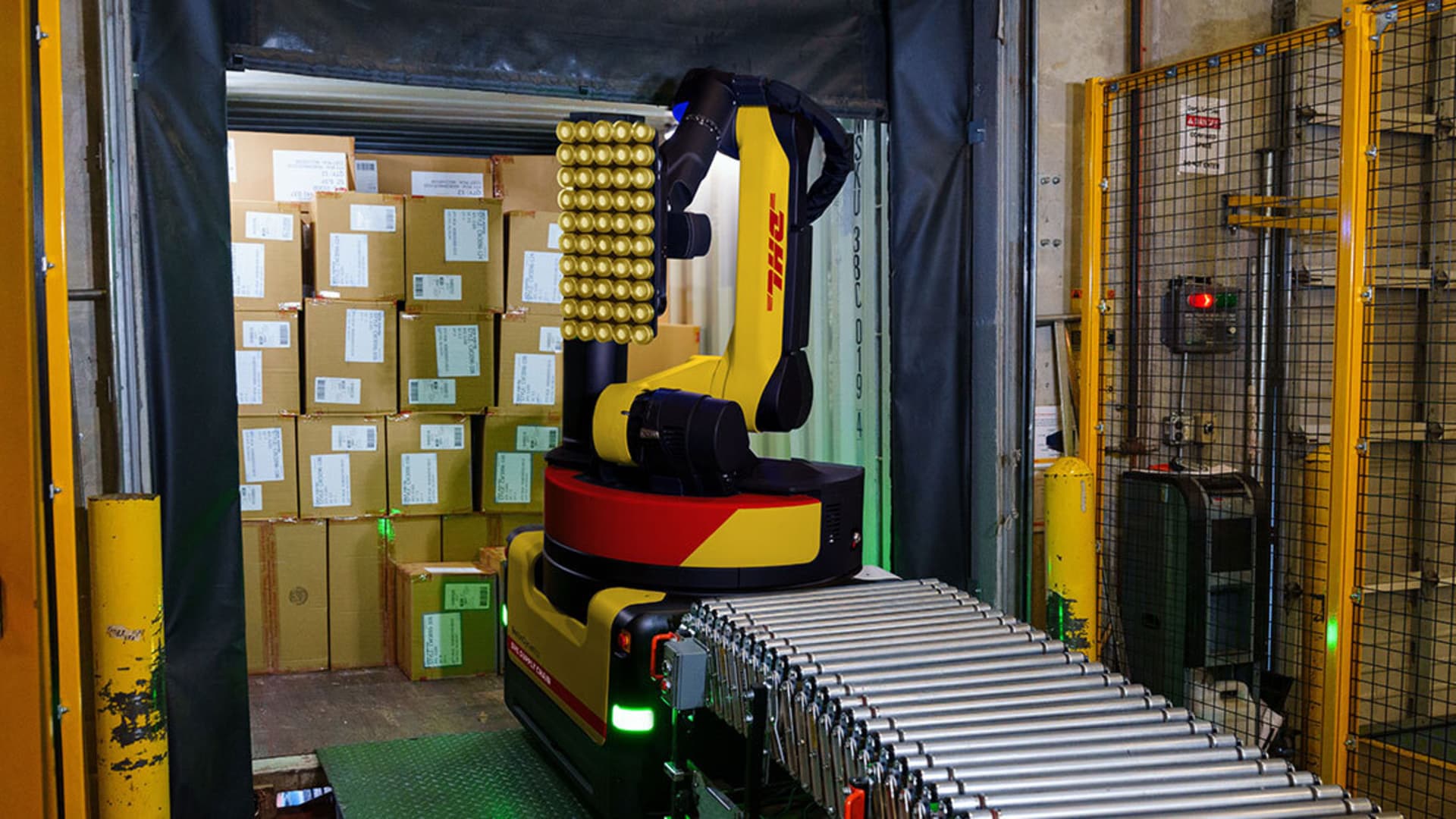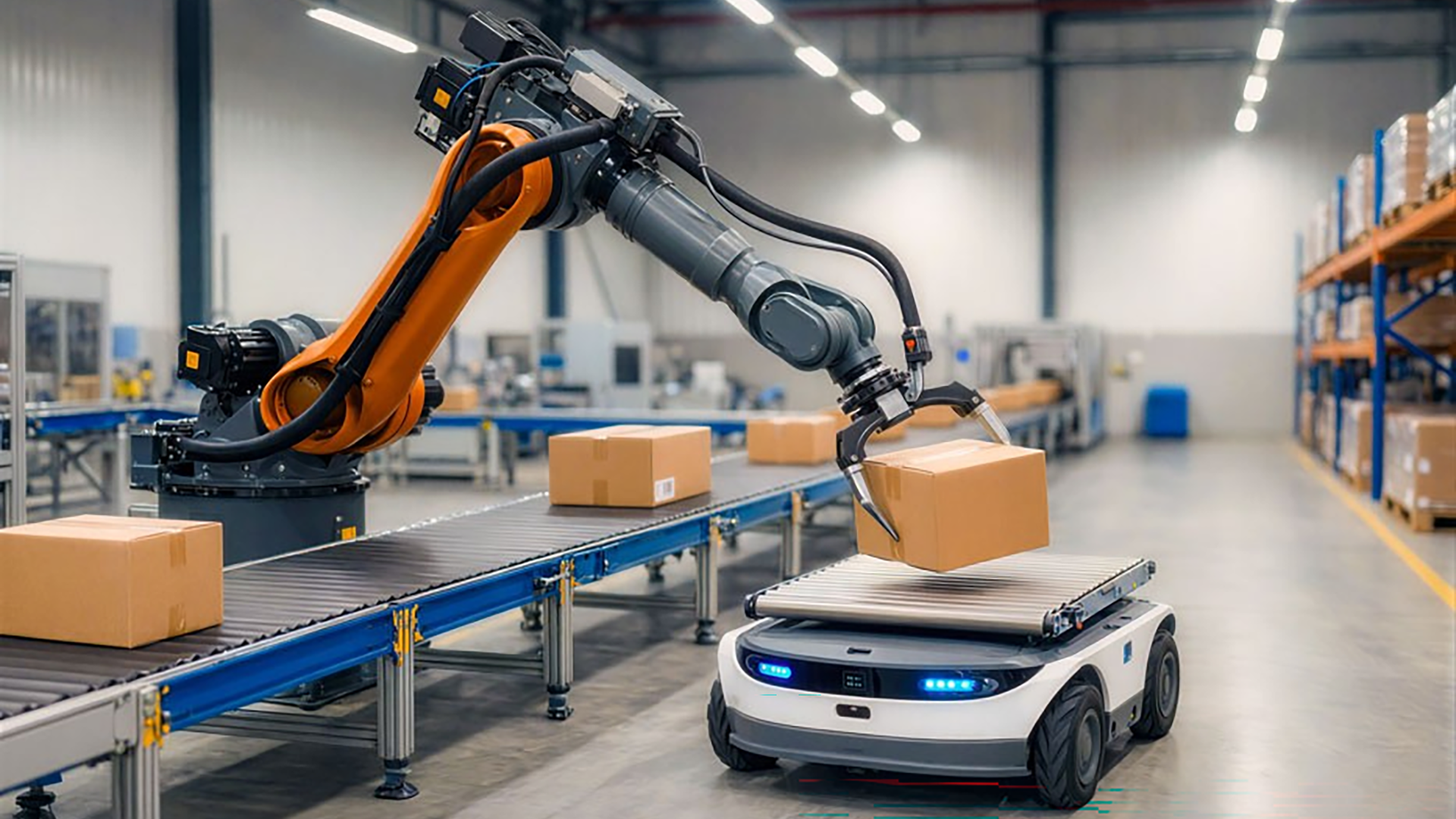
Sally Miller, the global chief information officer at DHL Supply Chain, has deployed more than 8,000 robotics systems across the logistics provider’s global sites, an investment in automation that has cut costs, lowered employee turnover, boosted workplace satisfaction, but also, fewer jobs.
“Does it reduce our dependency on labor? Yes, it does,” says Miller. “If anyone says otherwise, I don’t think they are being truthful.”
Miller is a two-decade veteran at DHL Supply Chain, joining the logistics division of the German-based package delivery and supply chain giant DHL Group in 2005 as vice president of IT for the Americas business. She was then promoted to serve as CIO in North America in 2014 and took on the global role in 2024. Miller was thus part of the C-suite team that decided to make its first bet on robotics in 2017, when investor interest in robotics startups was soaring.
The job picture in the manufacturing and logistics sector is complex, because turnover for the sector is high and the industry’s top executives contend that younger employees aren’t too keen to work in labor-intensive tasks. While President Donald Trump administration’s embrace of tariffs was billed as a way to bring back more domestic manufacturing and factory jobs, the sector hasn’t seen a meaningful turnaround to stem a decades-long downturn in employment.