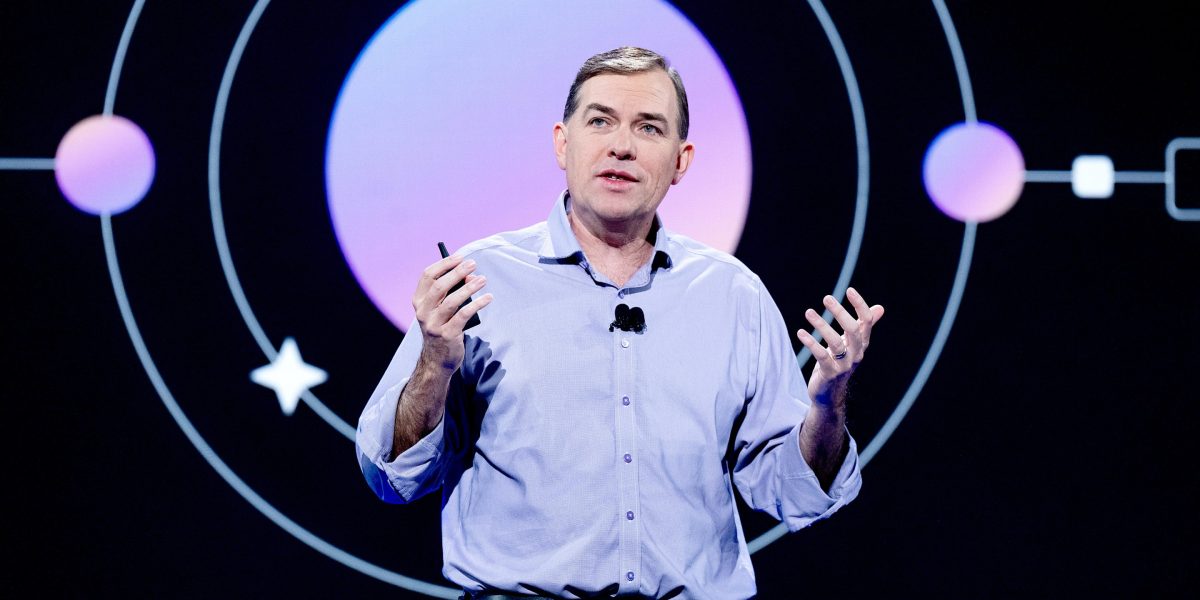
At a press event last year, Amazon Robotics chief technologist Tye Brady told Fortune that the idea that there’s a battle of robots versus humans inside Amazon’s warehouse network is a “myth.”
“We build our machines to extend human capacity,” he said, sharing a vision of so-called collaborative robots that work alongside humans instead of fully replacing them.
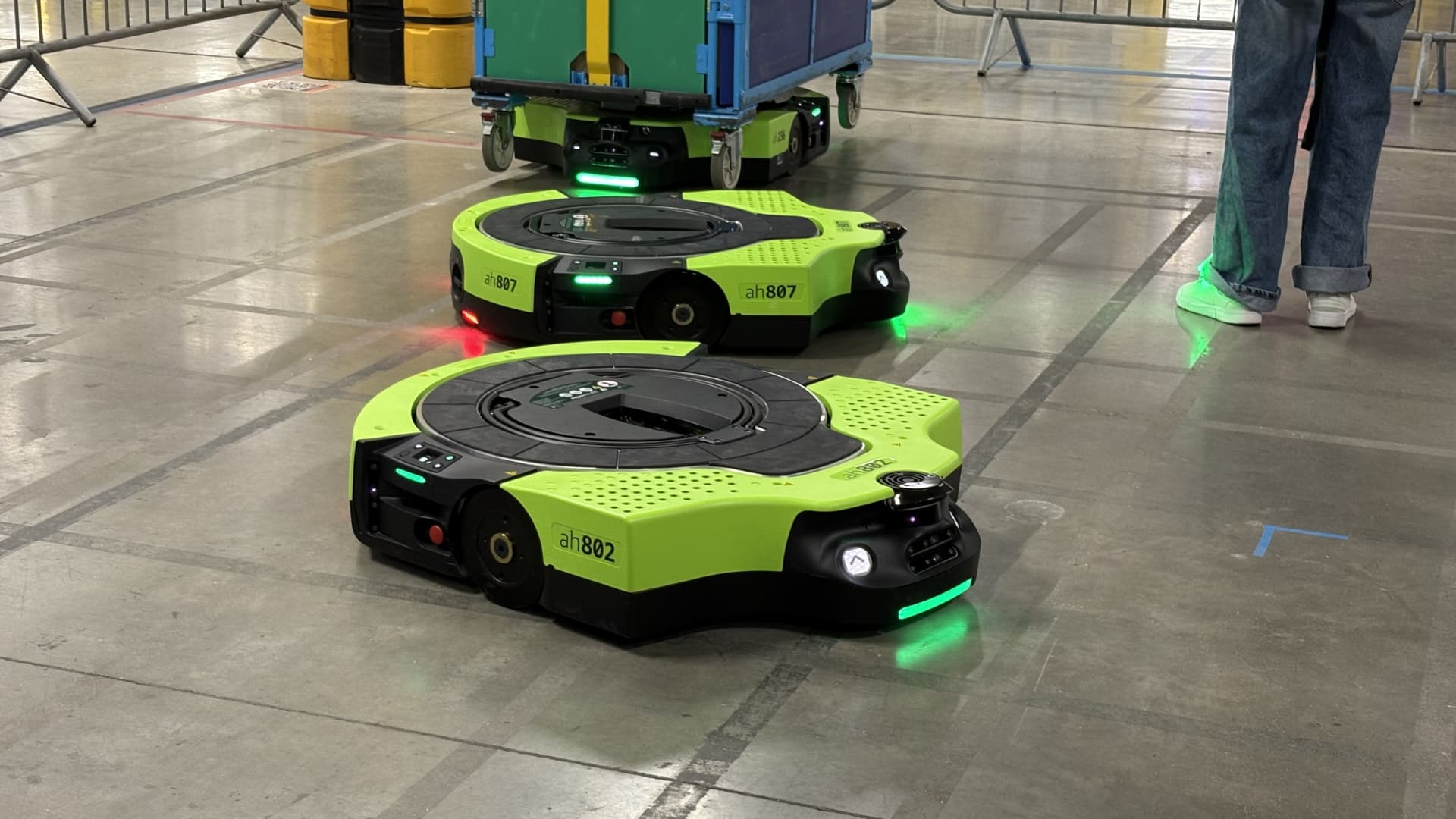
Around six months later, during an onstage interview at the Fortune Brainstorm AI conference in London, Brady told me about Amazon’s first robot “with a sense of touch.” Called Vulcan, the robotic system can do much of the work performed by human staffers in two of the most common roles in Amazon warehouses—picking and stowing. For now, the Vulcan system is active only in a couple of facilities and just handles items positioned on the top and bottom shelves of Amazon’s fourshelf mobile shelving units, while humans pick and stow the rest.
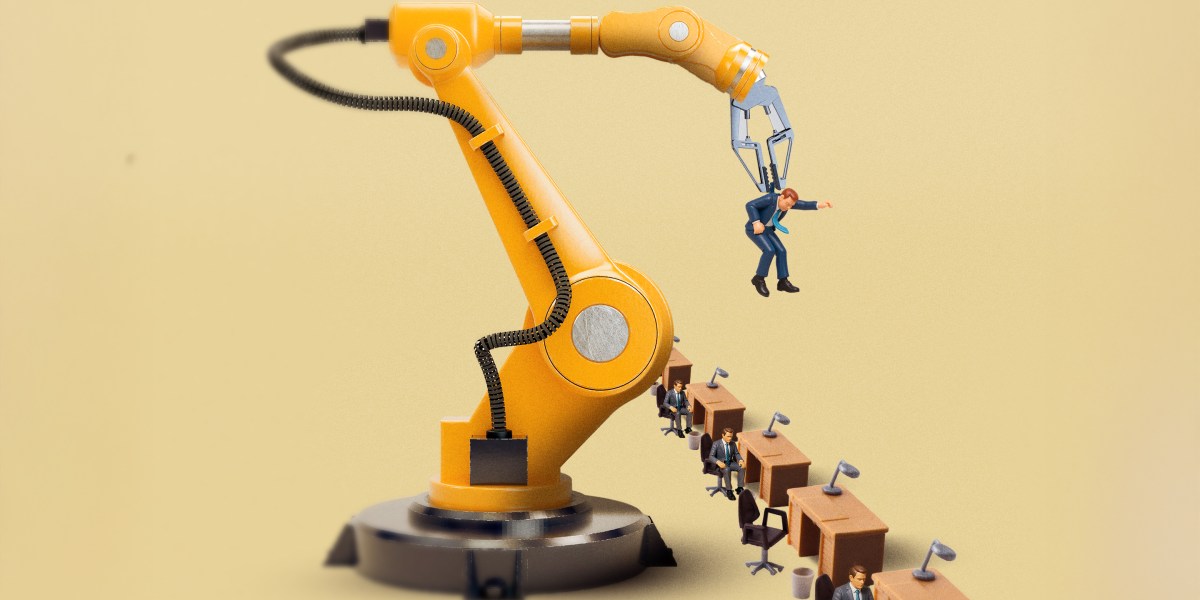
During that conversation, I probed Brady about the robot-human dynamic. Amazon is not just any employer; it’s the second-biggest corporate employer in the U.S., and one whose operational efficiencies many corporations would love to emulate. So I asked him whether a hypothetical Amazon warehouse with 1,000 employees today might employ fewer than 1,000 employees in the years to come as Vulcan’s scope of work, accompanied by complementary Amazon robotic systems, grows. No, he insisted. Instead, such a hypothetical warehouse “could have a thousand [employees] or more.”