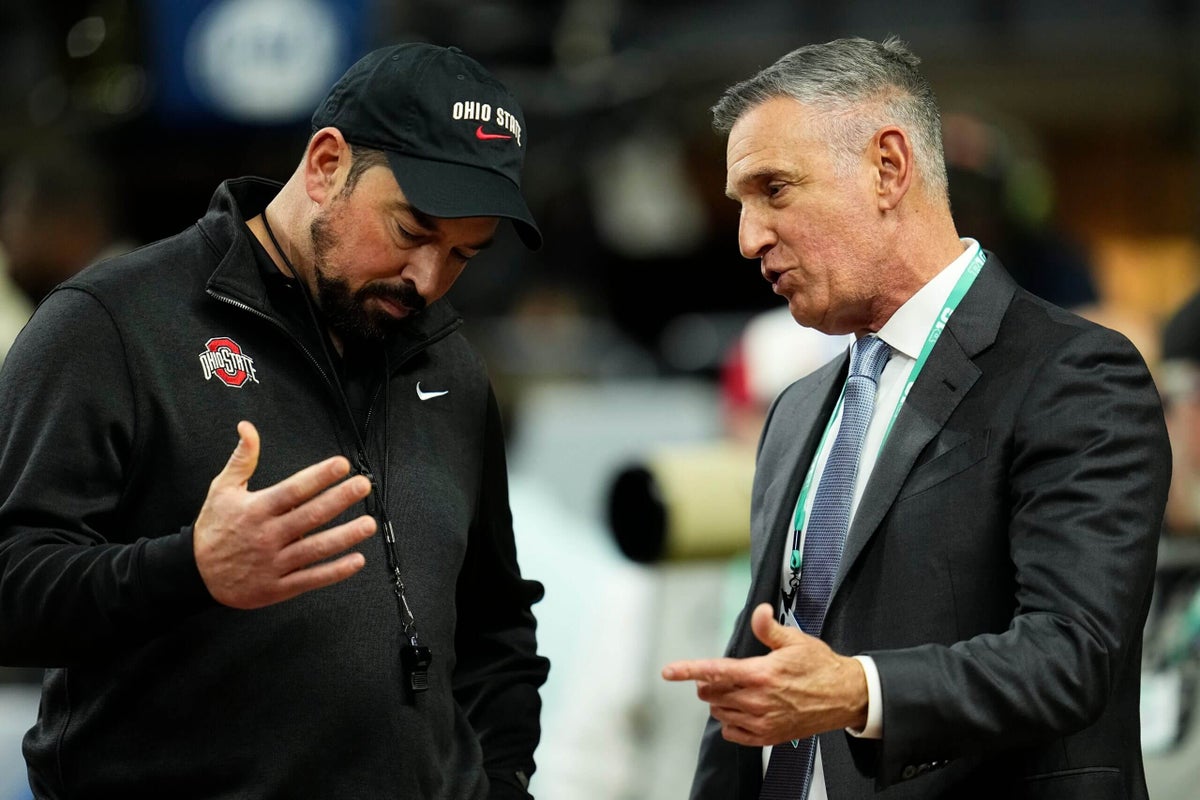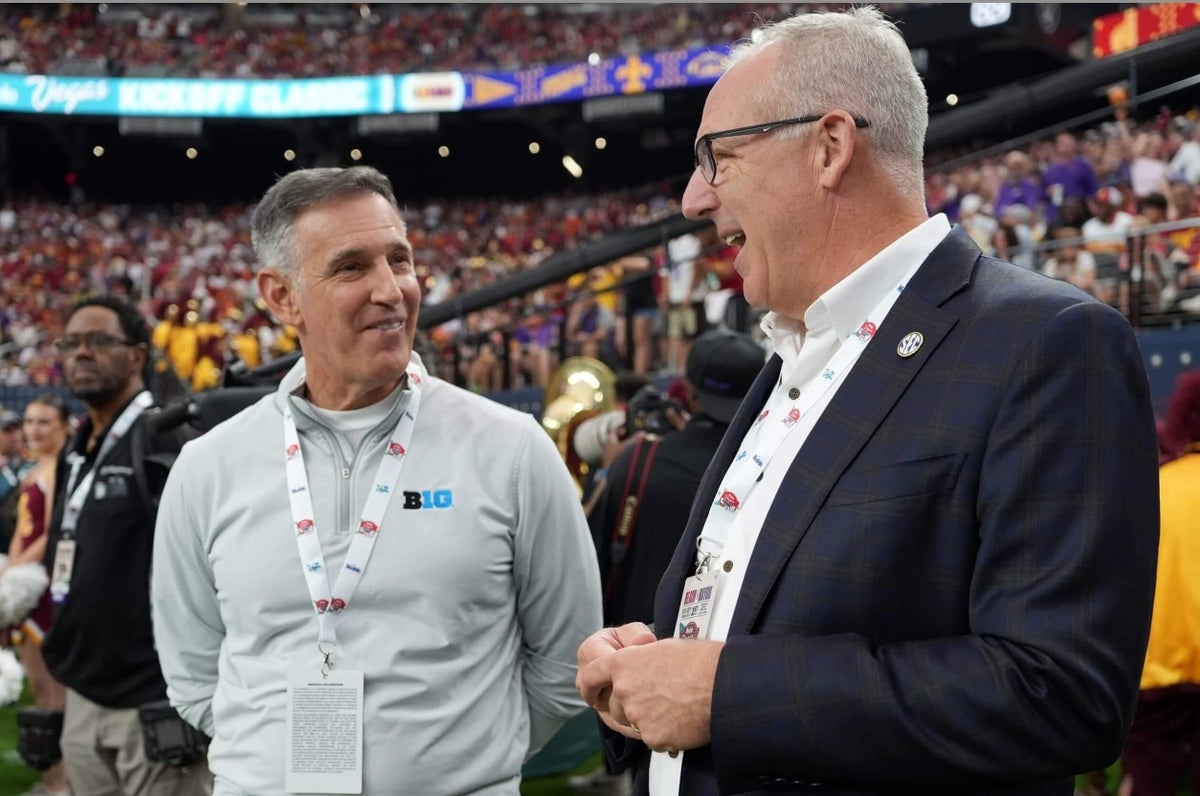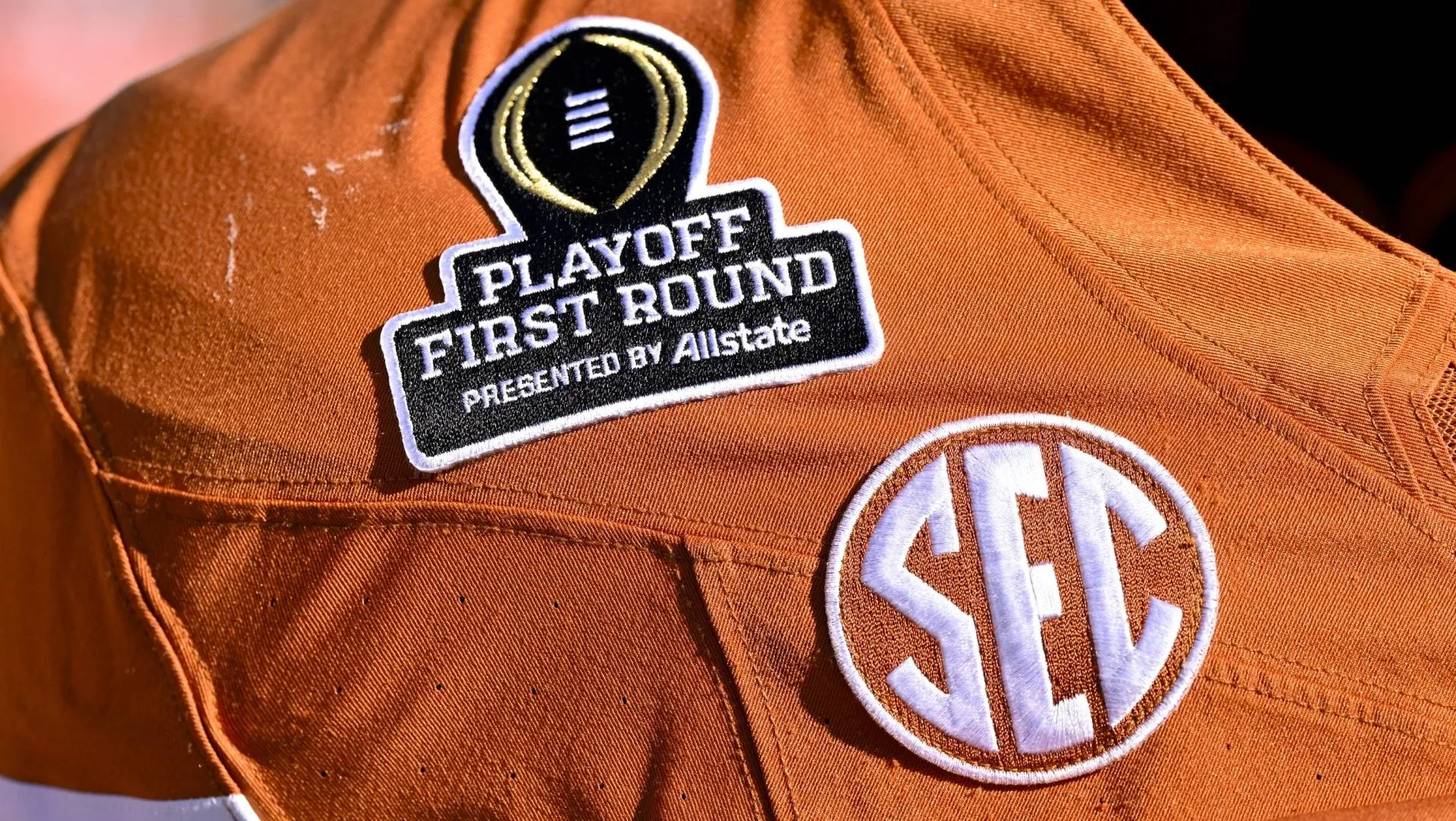
RANCHO PALOS VERDES, Calif. — Tone Deaf Tony is no more. Behold, Talkative Tony has arrived. Big Ten commissioner Tony Petitti relishes all parts of his job but one: meeting with the media and articulating the case for his conference loudly and publicly. Though many of his commissioner peers are at ease in front of a microphone, the role of public spokesman is anathema to him. Until now.Sitting calmly at an expensive Southern California resort Tuesday, Petitti spent nearly an hour stumping for a 24-team College Football Playoff field, a concept which has drawn praise and anger. It was clear he wanted to get a key point across in the debate that has been constant—to the point of being oppressive. No, an expanded playoff will not devalue the regular season. It will do the opposite. Doubling the field means doubling the fun. More games and more programs will matter, not fewer. That’s especially true for his league that is 18 strong from coast to coast and has plenty of expensive rosters clamoring to make the field.“When you go to 24, you unlock a lot of really good ideas about how you schedule and a lot of really good opportunities. I just think that’s a given. It’s getting people to understand what a successful season is and how you can lose a game early and still be O.K.,” Petitti said. “When I was at baseball, we never had to convince anybody that keeping more teams in the race is better for everybody in advance. We never had to do that. I feel like in this space that we’re kind of being asked to do that. “For some reason, I think we’re up against some older traditions. Like college football’s the last place where every team in the postseason has to be a stone-cold lock, legit chance to win the championship. And that’s not the way playoffs work in every other sport—including the NCAA. But football’s hung onto that.”Clung to it, cherished it and put it on a pedestal even. If you’re looking for a reminder, the CFP trophy is out in the hallway where the league is meeting.Petitti wants to change this calculus wholesale, and he does not appear to be alone. College football has grown into the country’s second-most popular sport by valuing winners. You win a big game, you remain in the playoff conversation. Back in the BCS days, if you lost one you typically were out of the chase. The CFP has allowed more margin for error, but it’s still too thin of a line for those in the Big Ten. So apparently they want to remove it altogether despite a history-making run of three titles by three programs and ascending to the top of college sports. The playoff has taken up so much oxygen during the fall that it is no longer about earning your way into the field but seeing it as a reward. Going to the Citrus Bowl used to be that pat on the back for a good, but not great, campaign. That’s no longer the case, so it’s time to shift that participation trophy to being a ticket to the playoff.“I think our room is definitely unified,” Indiana athletic director Scott Dolson says. “I think going to 24, the big thing is being able to qualify for the postseason is such a big deal. So the more teams that we can get in the postseason, the more meaningful your late-season games are. That is just so big. I know from our fan base, having now back-to-back years participating in CFP—the first year heading up to Notre Dame and then certainly last year—you cannot really put a value on what that’s meant to our program, to our athletic department, to our university.”That point was repeated numerous times by Petitti and hammered home by nearly every one here. The conference’s chief operating officer, Kerry Kenny, noted that 80 teams would have made a 24-team field throughout the CFP era (dating to 2014). Yes, that would result in Ohio State and Alabama making it—no matter what—every season. But, the argument goes, just think of how much it’s going to help the others who finally get to wear that golden logo on their uniforms.“I was at the NFL when we expanded, and there was a concern, ‘Oh, you’re watering down the playoffs and that means the regular season’s not going to matter like before.’ Well, that didn’t happen,” Maryland athletic director Jim Smith says. “As long as it’s not dilutive, right? That’s the debate—is 24 going to be dilutive? I don’t believe so. We have 120-plus teams playing Division I [FBS] football so there’s a lot of teams that deserve an opportunity. If they earn their way there, we should give them that opportunity.”“We’re so limited, our number’s so small, that I think it just leaves a lot of people out,” says new UCLA coach Bob Chesney, who took James Madison to the CFP last season. “To me, just having access to it and the idea of a Cinderella story showing up in there or something along those lines, I think is not a bad thing for the game.”Petitti laid out how beneficial a move is on both the front and back ends of the season and finally brought some receipts showing his math.Naturally, an expanded field would create better nonconference matchups—games that have been whittled away as athletic directors and coaches schedule down, not up. This year’s Week 1 slate has little meat on the bone.Having fewer stakes in such games could lead to better ones. It’s good for fans to see matchups like Michigan vs. Oklahoma more often and will create value for TV partners to drive revenue even higher.More teams involved in the CFP also allows conference races to have meaning deeper into November and December. “A lot of that national [conversation] that goes on with you guys and others is focused on the best places all the time,” Petitti said. “I don’t get why we can’t have a Minnesota-Iowa game have real impact every so often, like every year actually. Why can’t we do that?”The most recent meeting of those two teams was a lopsided 41–3 Iowa win that featured a 31-point Hawkeyes halftime lead and three Gophers interceptions. Only true college football sickos are clamoring for more of that.Of course, it all comes with a cost in eliminating conference championship games. Nobody in Big Ten country seems too broken up about that, but they’re not going to lop them off the schedule for free.Petitti noted that collectively the conference title games are worth at least $200 million. That lost revenue would need to be improved upon. In the preferred format, the playoff features 12 home games and on-gate receipts would generate upward of $70 million. TV companies would take care of the rest.But that’s not the case if the playoff expands to 16 teams and results in only two additional games.“If you’re the loser of a championship game and you drop into that 13, 14, 15 range, you’re playing again next week, right? So you’re playing a high-leverage game and going right back out playing somebody who might not be,” Petitti said. “I just don’t think it works economically. I don’t think it works scheduling-wise as well. I think it doesn’t create enough new inventory. And then the last piece, I don’t think it gives enough access. At the end of the day, we can talk about the economics, but I don’t think going to 16 is going to do enough for the regular-season schedule to incentivize people to start playing more.”Big Ten meetings with coaches and administrators this week didn’t feature any discussion of 16 teams. It’s clear Petitti and the league are saying it’s 24 teams or bust.That sets the groundwork for next week as the SEC holds its annual gathering in Florida. Commissioner Greg Sankey has stood firmly against a move to 24 teams so far. That’s notable because he and Petitti are the only ones who have a vote on what the playoff’s future format should be. If they can’t agree, the playoff will remain at 12 and this cycle will continue to repeat until they can.“Opinions change. Ours has evolved a lot over the last year, I would say, and so we’ll see. You know, [Sankey will] go down and he’ll get feedback from his group,” Petitti said. “They’ll come back and we’ll talk more about what it means next. We work really well together—we do. It doesn’t mean you’re always going to agree.”That includes many college football fans skeptical of Petitti’s angle for the future of the sport’s postseason that his league is suddenly trying to move the goalposts on. It’s as if the Big Ten finally ascended to the mountaintop only to realize it has relished winning so much that it must ensure nobody can lose again.At least they’re no longer barrelling forward without explanation and finally talking about it openly.More College Football From Sports IllustratedListen to SI’s college sports podcast, Others Receiving Votes, below or on Apple and Spotify. Watch the show on SI’s College YouTube channel.Add us as a preferred source on GoogleFollow
Big Ten and Tony Petitti Turn Up Pressure on SEC in 24-Team CFP Debate
The commissioner laid out the conference’s clearest argument yet for its preferred playoff format, setting up a looming showdown with the SEC’s Greg Sankey.
1,530 words~7 min read