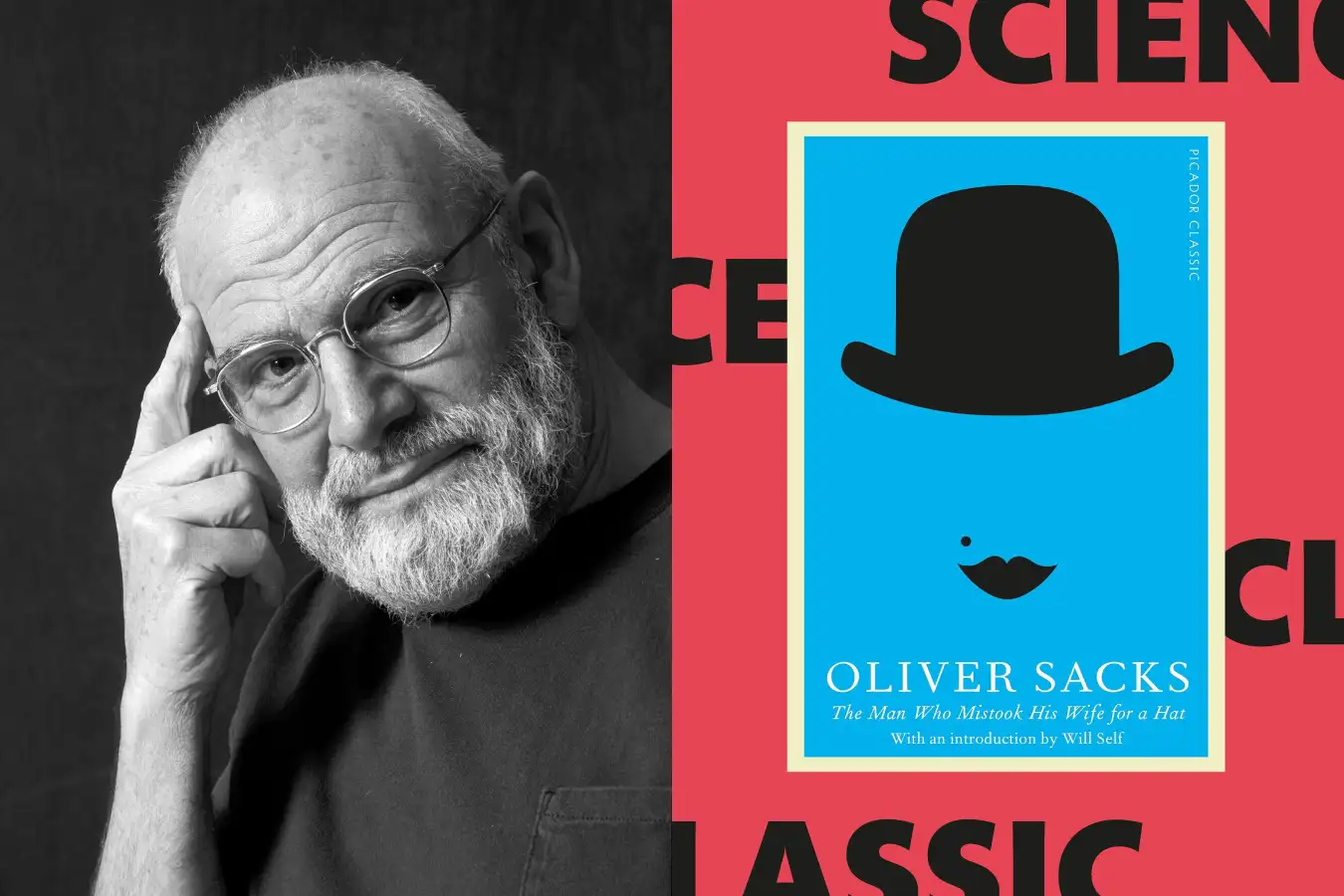
In the wake of revelations about Oliver Sacks, we reread The Man Who Mistook His Wife for a Hat
Sometimes, a popular science book goes out of fashion because new evidence disproves its central thesis, or because it contains outdated attitudes. And sometimes, it gets a metaphorical bomb dropped on it.
The latter is the case with Oliver Sacks’s The Man Who Mistook His Wife for a Hat. It is a seminal work that inspired an entire generation of students and researchers in psychology – including me. But thanks to some shocking revelations about Sacks’s approach to factual accuracy, the book’s reputation has been detonated. Is there anything to be salvaged from the wreckage?
I first read The Man Who Mistook His Wife for a Hat (henceforth Hat) about 25 years ago, when I was an undergraduate studying psychology. It is a collection of case studies of people, mostly Sacks’s own patients, with neuropsychiatric conditions. Sacks brings us into the lives of people with amnesia, neurosyphilis, Tourette’s syndrome and much more. He describes the difficulties these people have with everyday tasks, like having a conversation or getting dressed, explores the neurological basis of their conditions, and considers what they tell us about the nature of the human mind.