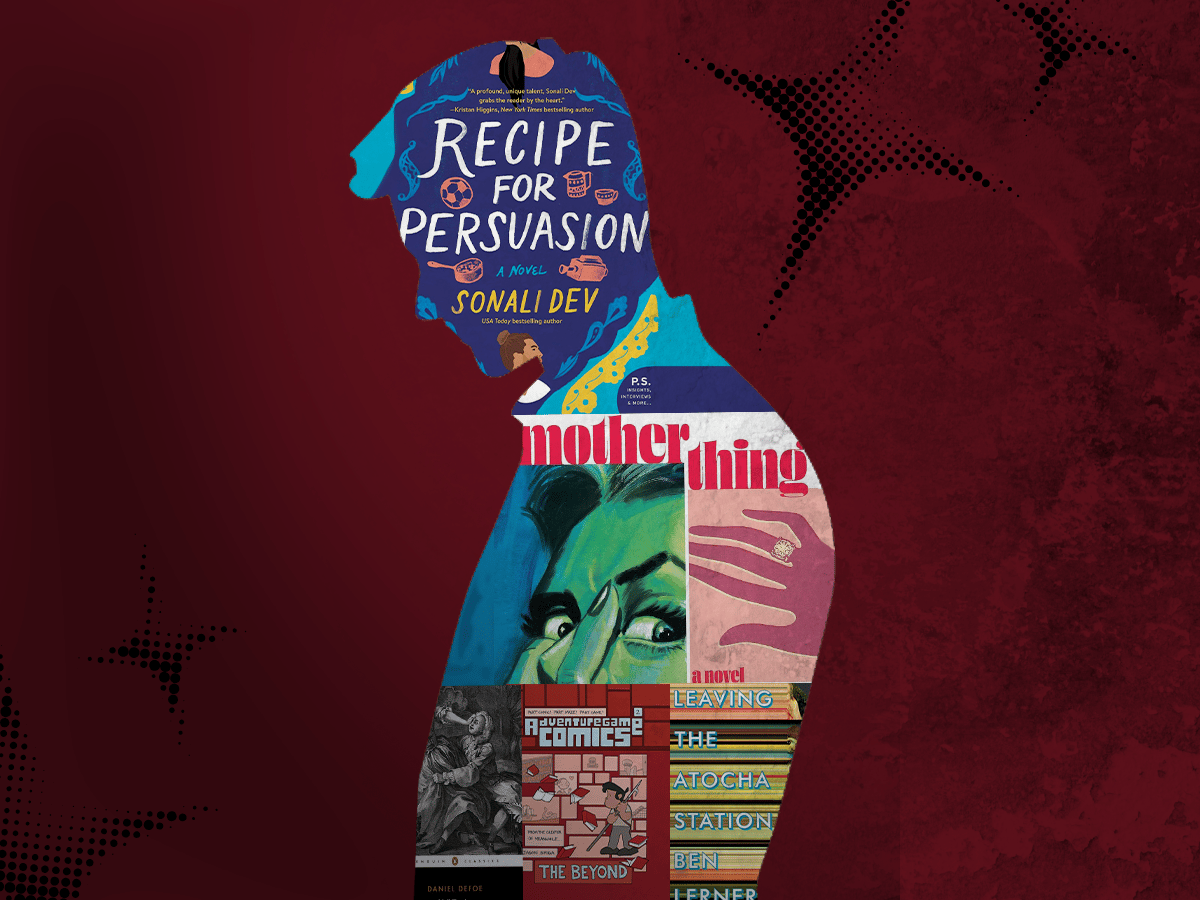
David Lodge, in his 1975 campus novel Changing Places, imagines a cocktail party game that makes fiendish use of imposter syndrome. Visiting professor Phillip Swallow introduces the faculty of fictional Euphoric State University to “Humiliation,” a game whereby every participant names a literary text which they haven’t read and where they are then awarded a point for every other participant who has read that given work. The elegant sadism of the game is that it appeals to a scholar’s sense of competition, but that it’s only through intellectual debasement that anyone can win.Article continues after advertisement
Should a player, wishing to preserve their reputation as name some book that they haven’t read which is so obscure—say the collected theological writings of Bogomil or Bernardino Orchino’s response to Girolamo Muzio—than they are not only playing the game in bad faith, they’ll also accrue no points because nobody has read those things. On the other hand, if they name things so widely read (The Great Gatsby, Nineteenth Eighty-Four) they risk unmasking themselves as an educated rube.
It is helpful to remember how much of our guilt over what we haven’t read or not is marketing as much as it is pedagogy or wisdom.