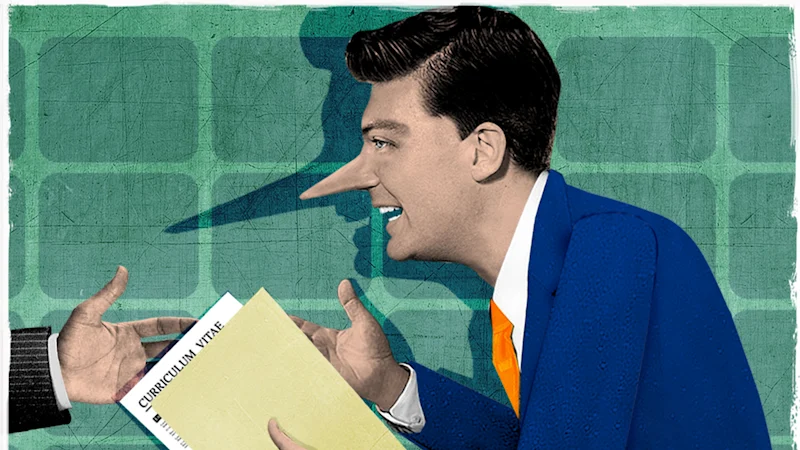
Jonathan SeidlerMay 22, 2026 — 5:00amEach week, Good Weekend’s how-to column shares expert advice on how to navigate some of modern life’s big – and small – challenges. This week: How to tell a white lie. Photo: Illustration by Drew AitkenWhen we think about white lies, says Alex Mottee, a clinical psychologist and director at Sydney’s AB Clinical Psychology, the key is remembering why we tell them in the first place. “It’s about maintaining a relationship,” he says. “Social cohesion. On an evolutionary level, being in the tribe is way more important than creating conflict.” This motivation explains why we tell Aunt Joan her soup is -delicious when it actually tastes like tomato-infused drain cleaner, our boss that his extremely lame joke is funny, or our five-year-old that they can absolutely become a KPop Demon Hunter when they grow up.White lies make the world go round, but that doesn’t mean everyone does them well. “To have an effective lie, you want it to be close to the truth,” says Mottee. “You don’t want something extravagant you have to defend later on.”Read more: the simple shower hack that could stop your brain from spirallingClassics, such as the “competing agenda white lie”, tend to work best, he says. Example: “Sorry, we have a clash with Grandma’s birthday” will go down more smoothly than “We think your son’s penchant for riding an e-bike on one wheel through heavy traffic for TikTok clout is a bad influence on our Jake.”There can also be such a thing as prolific white liars. Some of their victims end up in Mottee’s rooms, where he must practise a form of non-judgmental acceptance called Unconditional Positive Regard – basically, an adapted version of white lies – to make them feel at ease.“Overly nurtured people have been told that they can’t do anything wrong,” he says. “They’ve basically been on the receiving end of a lifetime of white lies, which can lead to narcissism or becoming self-serving or rigid in adult relationships.”Mottee believes that white lies, both the telling and receiving of them, are closely linked to attachment theory – how we maintain security in our family and social relationships.Being a white liar is problematic when it becomes pathological, he says – when the lies prevent the “liar” from facing a hard truth: “It isn’t about the person in front of me anymore,” he says, “It’s actually about me: I’m avoiding reality.”Keep white lies “low-risk and believable”, he urges. You may come off as the world’s best dad for a couple of months as you keep a white lie going, but when your kid doesn’t get that call-up to become a Demon Hunter, it might not end well.White lies are like salt on food: healthy only in moderation.Get the best of Good Weekend delivered to your inbox every Saturday morning. Sign up for our newsletter.Read more from Good Weekend’s How to … columnThe simple shower hack that could finally stop your brain from spirallingThe two secrets to making the perfect lamingtonIs your dog secretly stressed? The subtle signs most owners missIf you spot a snake in your yard, go inside and have a beerFrom our partners
Bad at fibbing? Try out the classic ‘competing agenda white lie’
The key to a successful white lie is remembering why we tell them in the first place.
526 words~2 min read