This four-part series examines the debate over wartime operational control (OPCON) transfer from four angles: the structural origins of the impasse (Part 1), the military case for transfer (Part 2), the key design issues requiring resolution (Part 3), and a vision for the alliance after transfer (Part 4). Taken together, the series charts a path toward the mature partnership that a “Koreanization of Korean defense” would require.
Having examined in Part 1 the structural causes of delay and in Part 2 the strategic necessity of OPCON transfer, we now face the core practical challenge: how to operationally calibrate the disagreements surrounding transfer. OPCON transfer is not a simple act of changing the title on a command authority – it is the delicate duet of command authority, the search for the optimal harmony amid the harsh security realities of the Korean Peninsula.
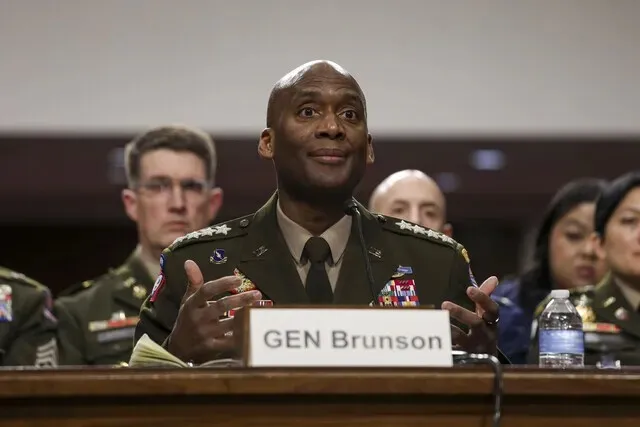
OPCON transfer is a direction that has already been decided. The two allies agreed on the principles in 2006, confirmed the conditions-based transfer principle in 2014, and reached agreement on the basic structure of the Future Combined Forces Command (F-CFC) in 2018. At a recent congressional hearing, U.S. Forces Korea (USFK) Commander General Xavier Brunson – who is also the current CFC commander – cited the second quarter of fiscal year 2029 as a milestone.