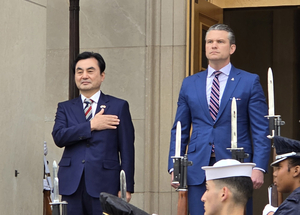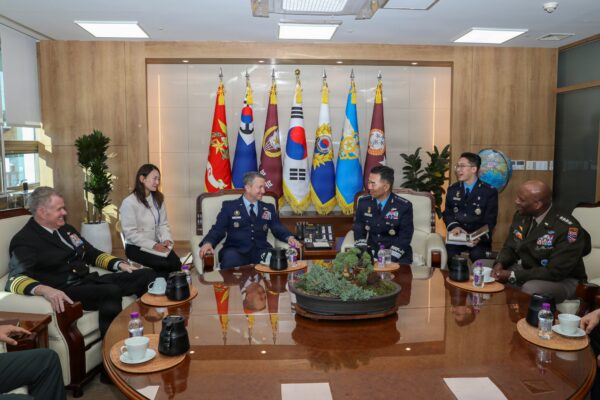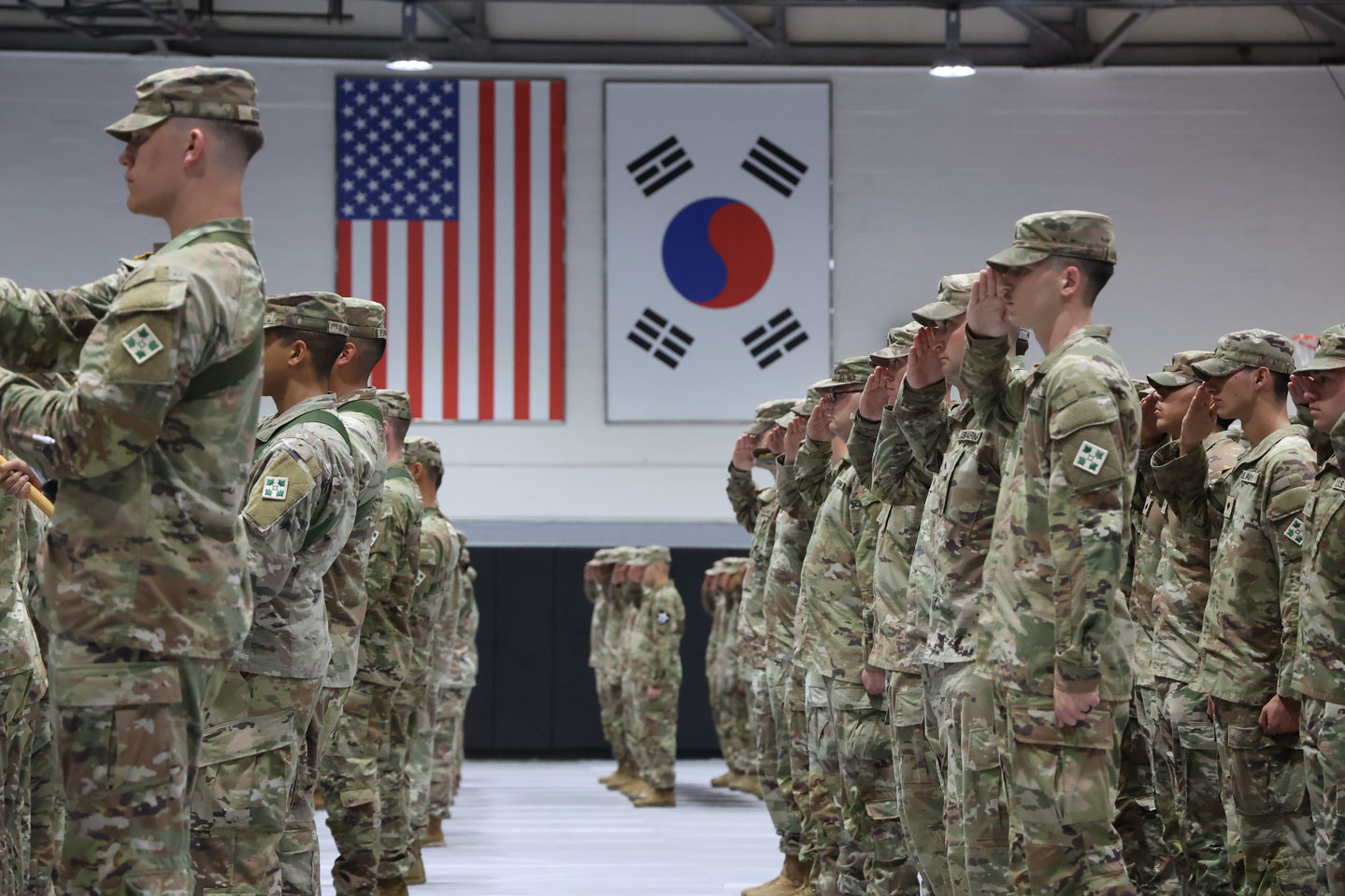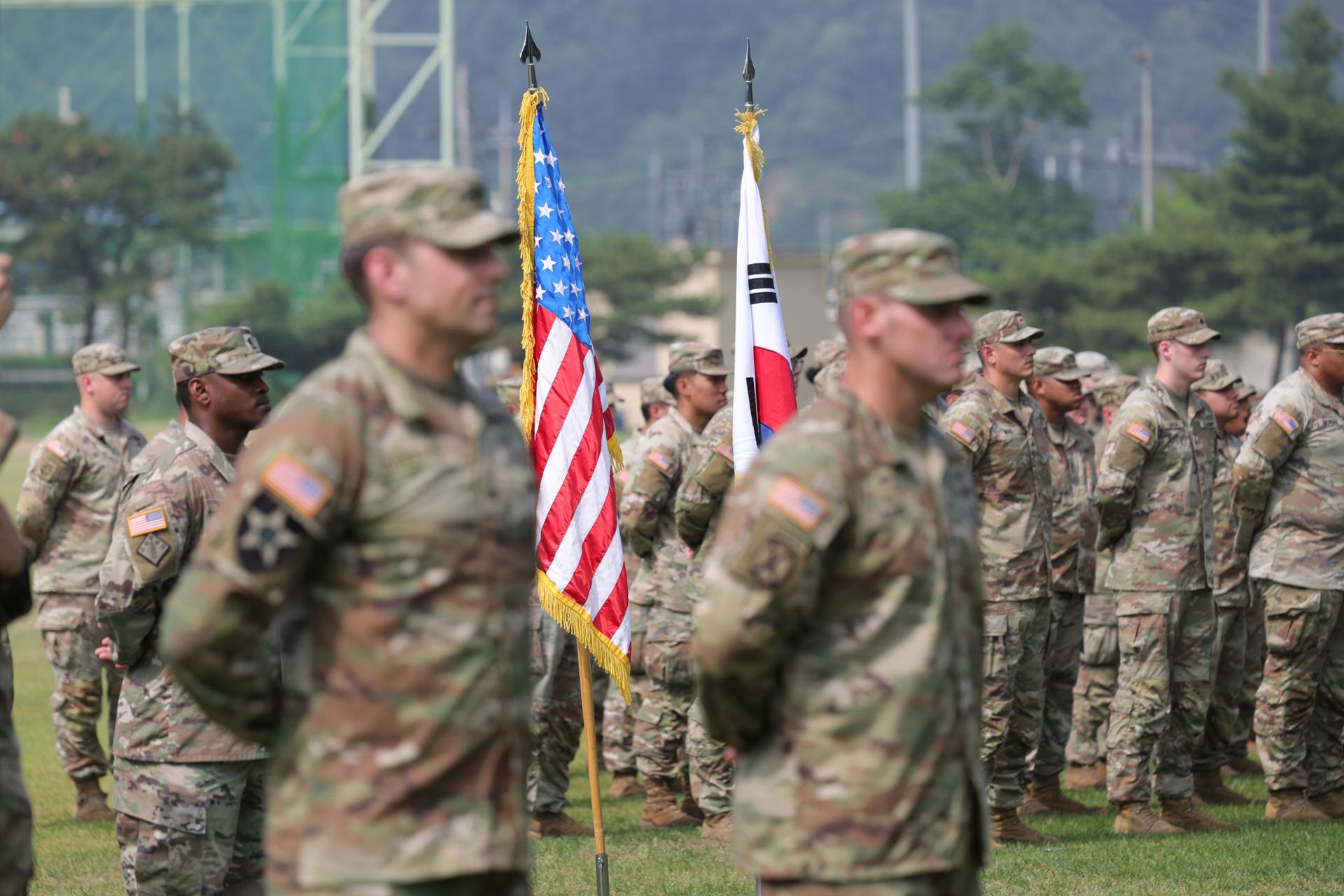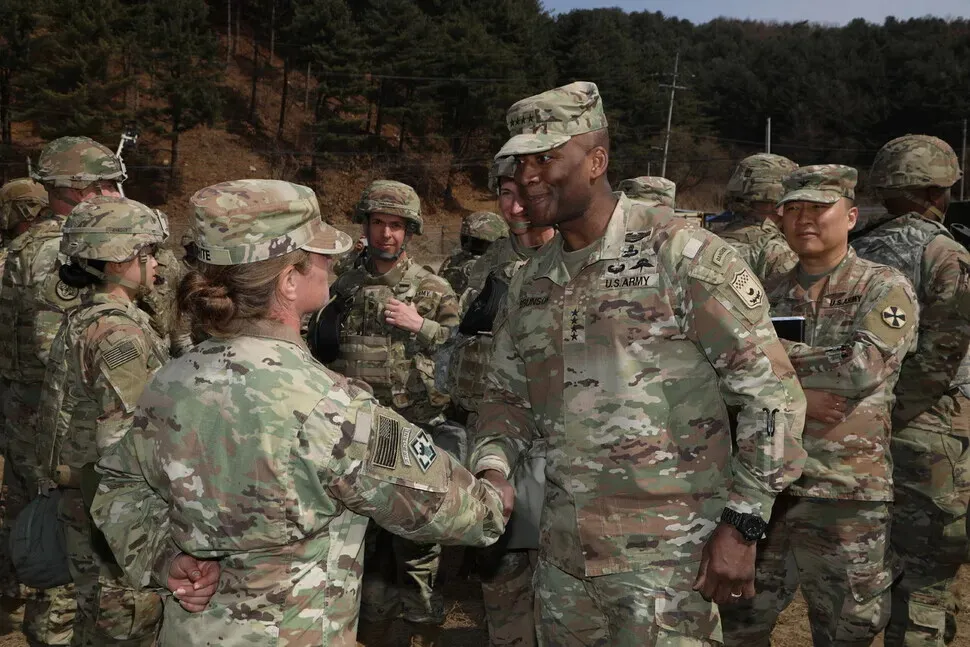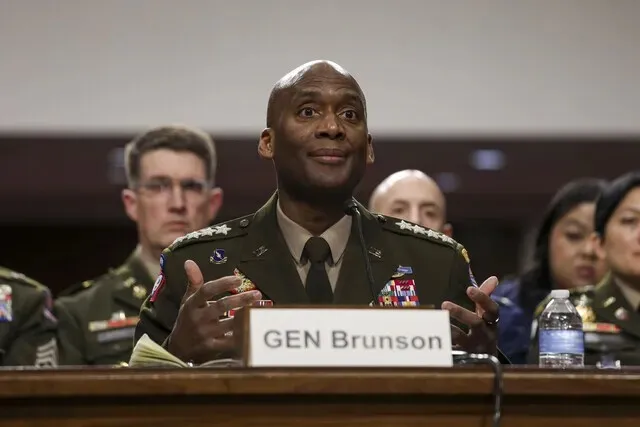
Gen. Xavier T. Brunson, commander of United States Forces Korea, speaks at a Senate Armed Services Committee hearing in Washington, DC, on April 21, 2026. (via USFK)
In an appearance before the US Senate Armed Services Committee last month, the commander of United States Forces Korea (USFK) stressed that the transfer of wartime operational control (OPCON) to Korea “must be conditions-based” and the necessity of ensuring “political expediency does not outpace the conditions.” At first glance, Gen. Xavier Brunson’s view sounds persuasive, as it appears reasonable to exclude shallow political calculations when making decisions on matters of national defense. However, upon closer examination, Brunson’s remarks do not align with the principle of civilian control of the military and are out of touch with reality in the context of historical discussions on OPCON transfer between Korea and the US.The right to command Korea’s armed forces has been held by the United Nations Command and ROK-US Combined Forces Command — two organizations that have exclusively been run by US Army generals — ever since President Syngman Rhee transferred operational control of the ROK Army to Gen. Douglas MacArthur on July 14, 1950, shortly after the Korean War broke out. The return of wartime operational control to Seoul represents a change in the military command structure of the South Korea-US alliance. In both the US and Korea, presidents serve as the commander-in-chief of the nation’s armed forces. Accordingly, OPCON transfer falls within the realm of political decisions made by each head of state. This is rooted in the military and political science principle of civilian control that grants the state’s right to make decisions on military and national defense policies to civilians — that is, politicians — rather than professional soldiers.In a House Armed Services Committee hearing on April 22, Brunson initially proposed the first quarter of 2029 as the date for OPCON transfer. Korea’s Ministry of National Defense has not shied away from expressing distaste toward this timeframe.