A new defense architecture is taking shape across the Indo-Pacific. It bears little resemblance to the Cold War geometry of bilateral treaties and concentrated forward bases that defined the region for half a century.
What is actually emerging is an allied security web: distributed, resilient, co-invented, and built on the premise that chaos is the baseline condition of twenty-first-century conflict, rather than a failure of deterrence to be corrected.
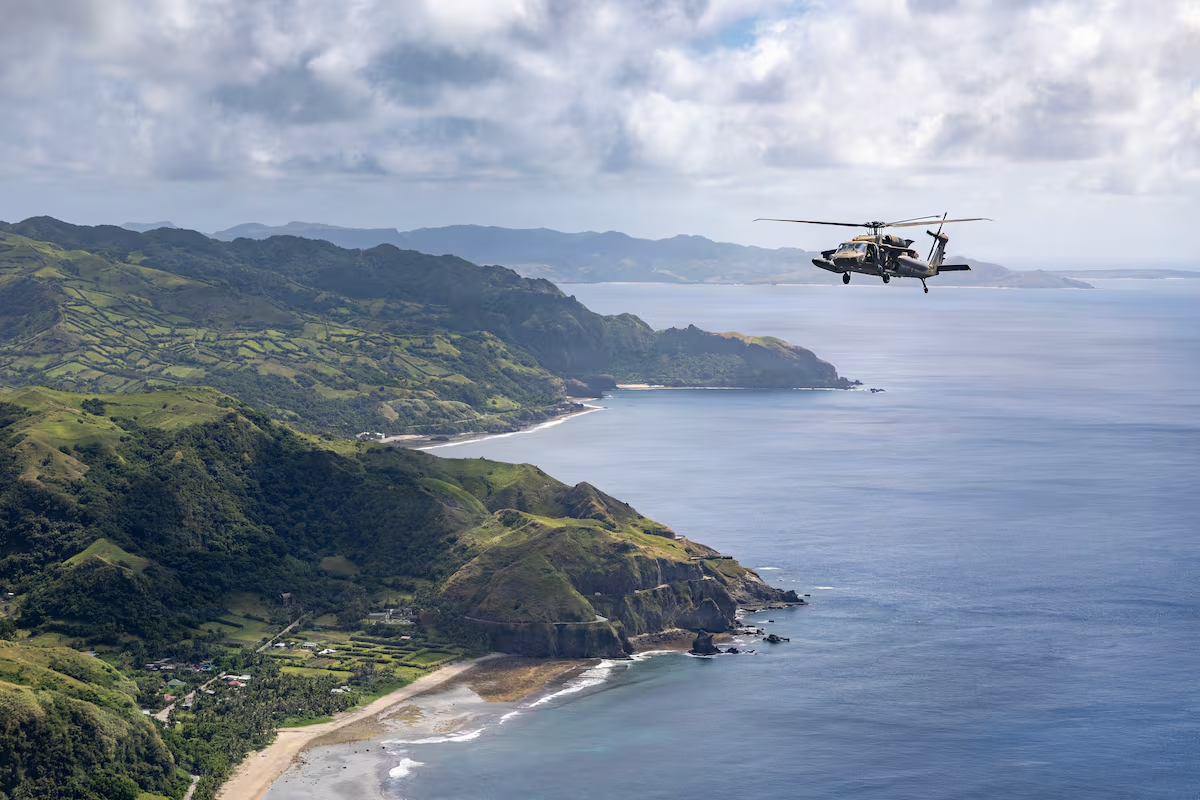
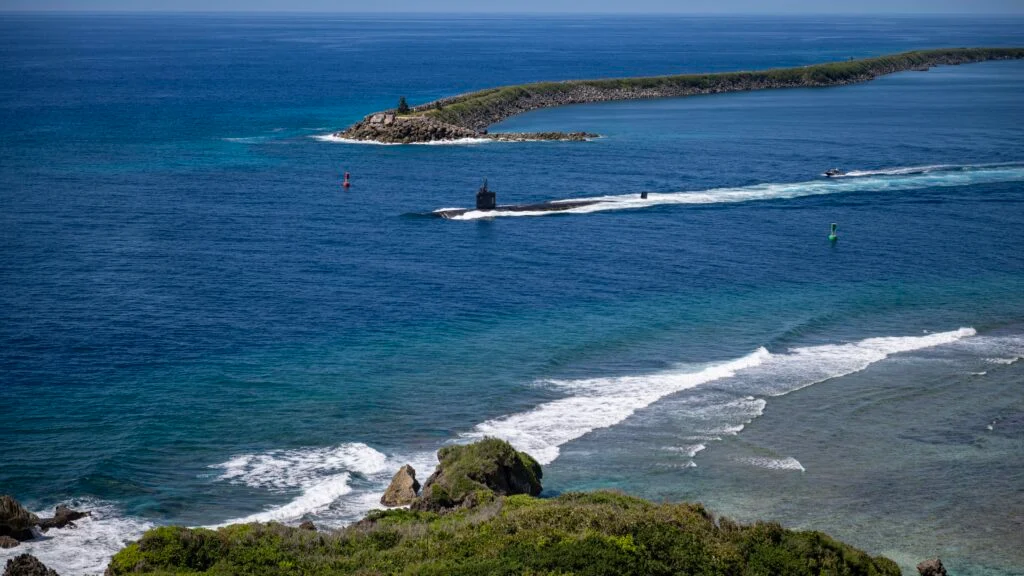
The United States and Australia are central nodes in that architecture, but they are not solitary. Guam’s transformation into a network hub; the trilateral amphibious partnership taking shape among the United States, Australia, and Indonesia; the integrated maritime deterrence architecture developing at the Strait of Malacca; the porcupine defense being assembled across the Philippine archipelago; and the industrial redesign of Philippine supply chains through the Luzon Economic Corridor are not disconnected experiments.
They are the connective tissue of a new way of operating, one that seeks advantage not by preventing disruption but by surviving it better than the adversary and continuing to generate combat power on the far side of the opening blow.