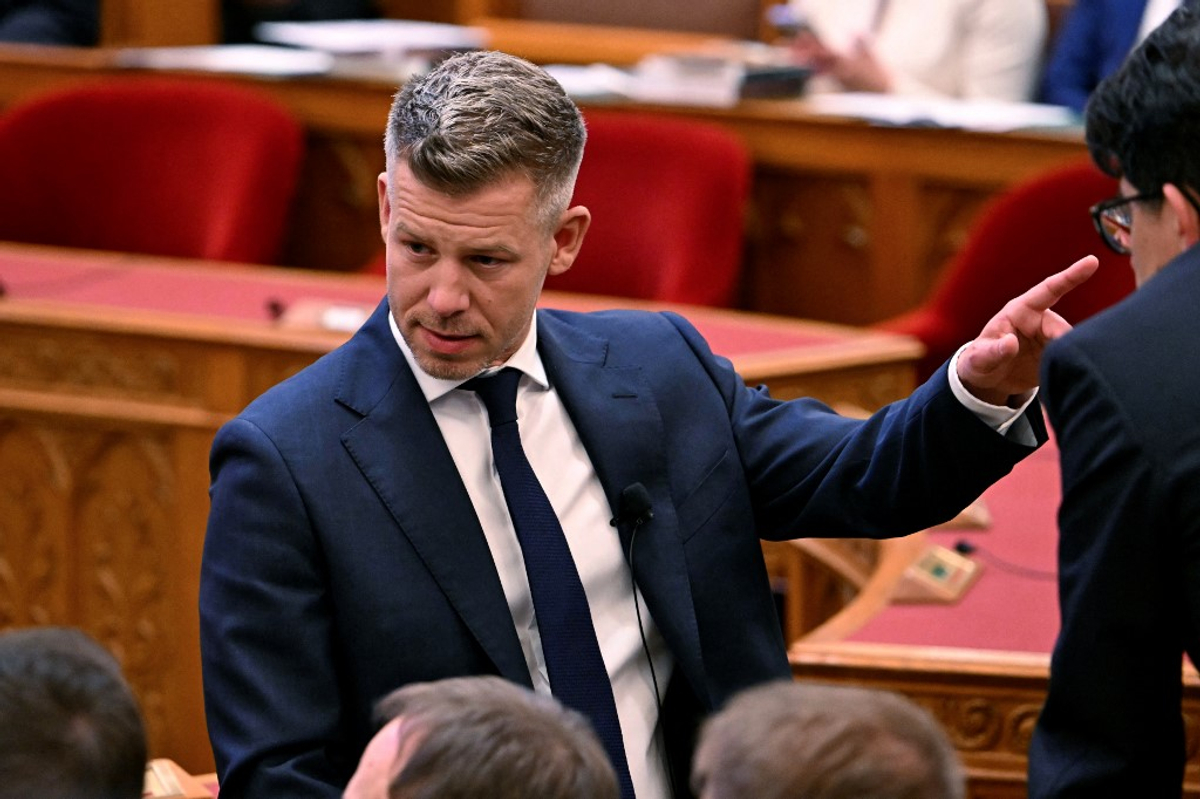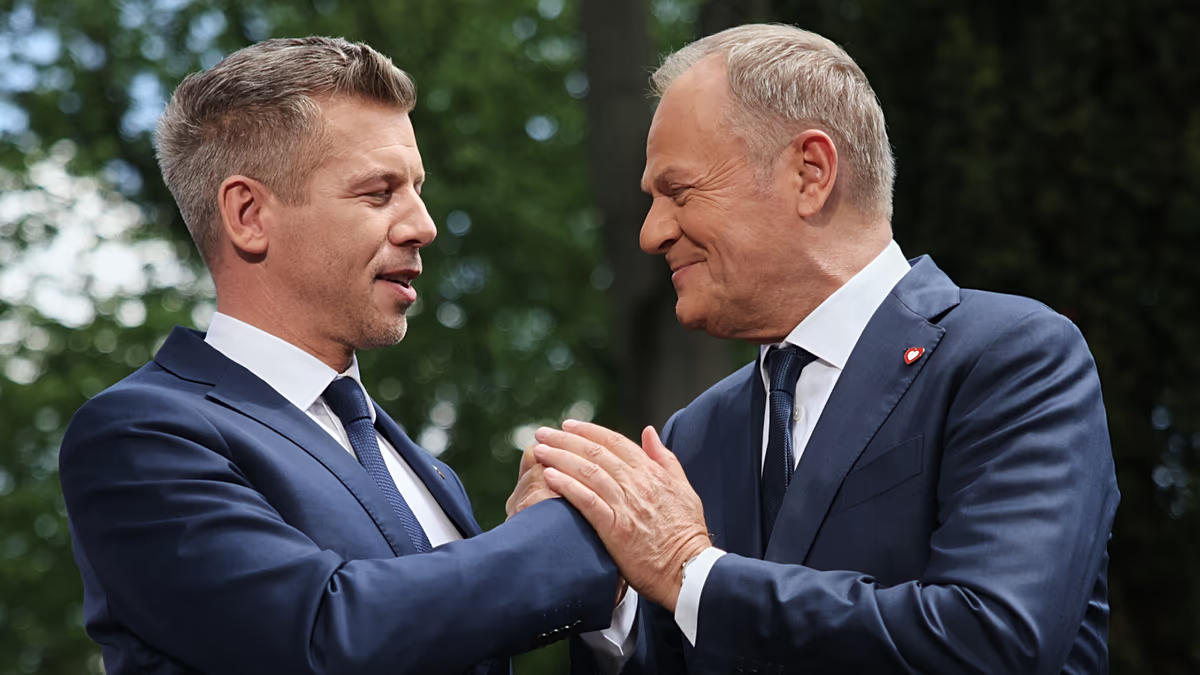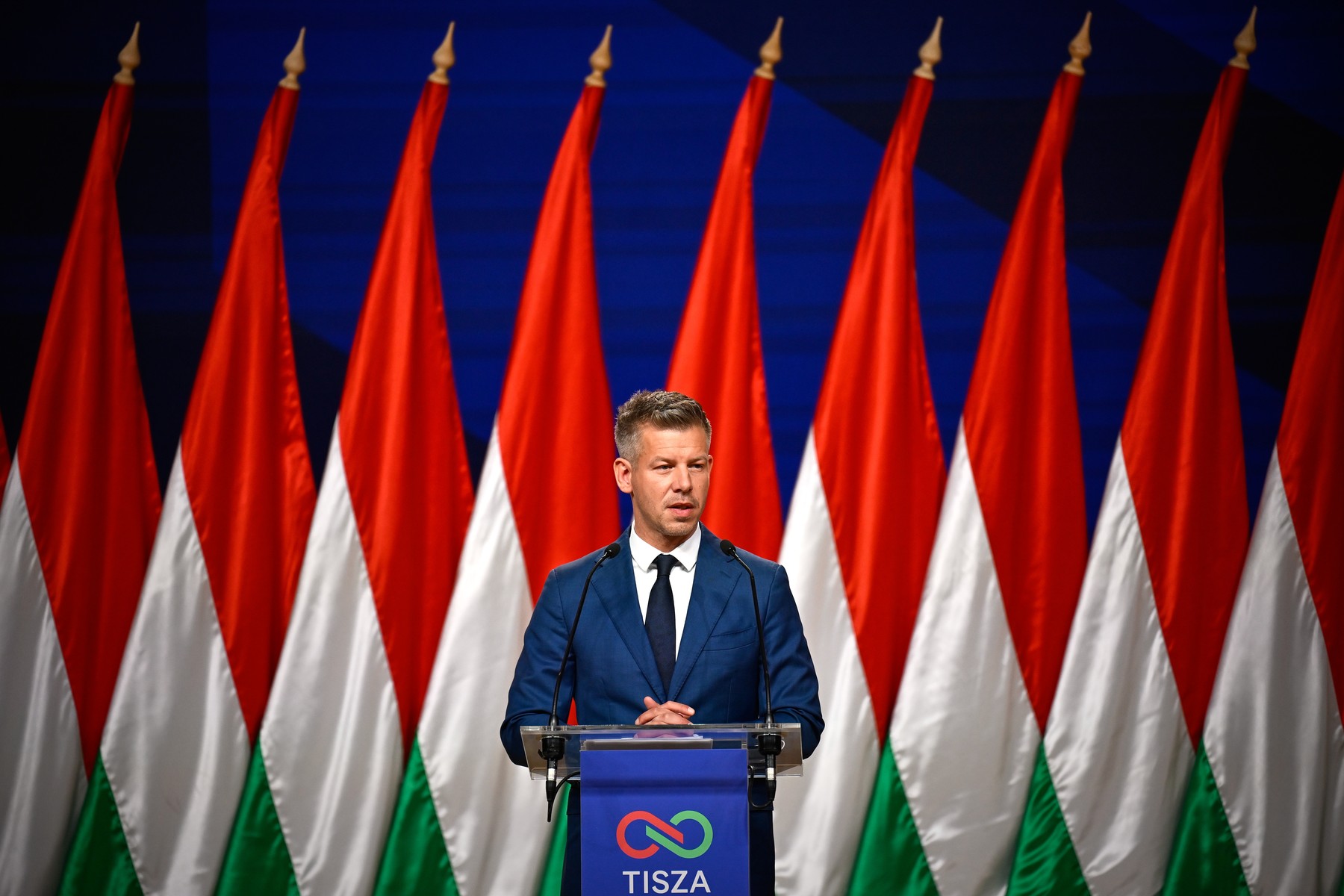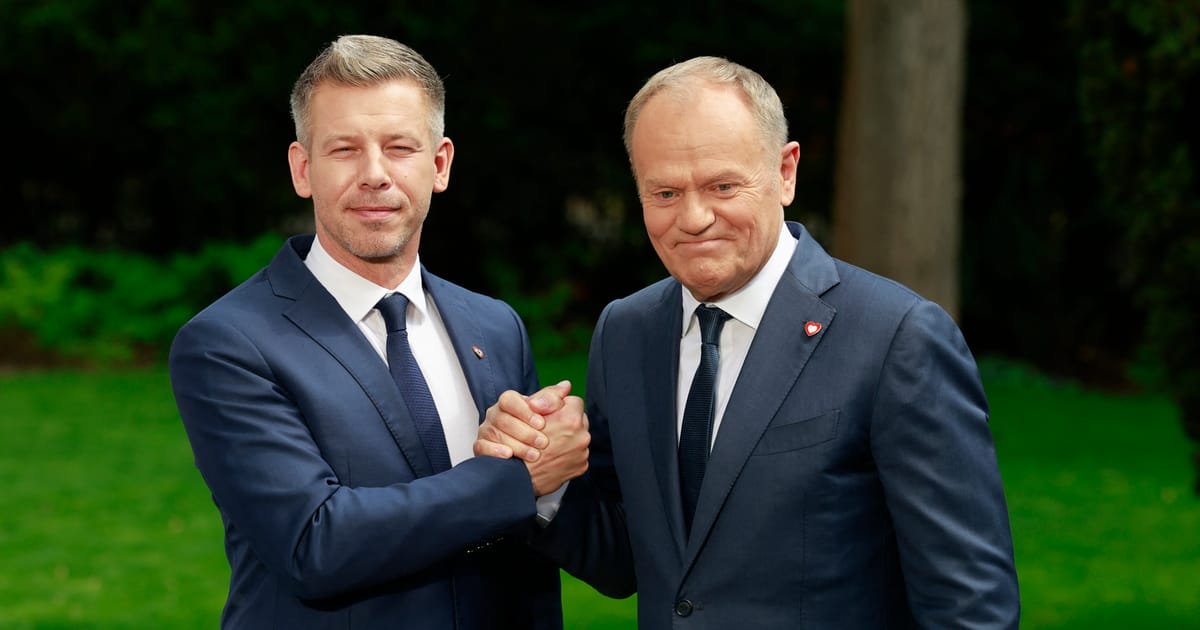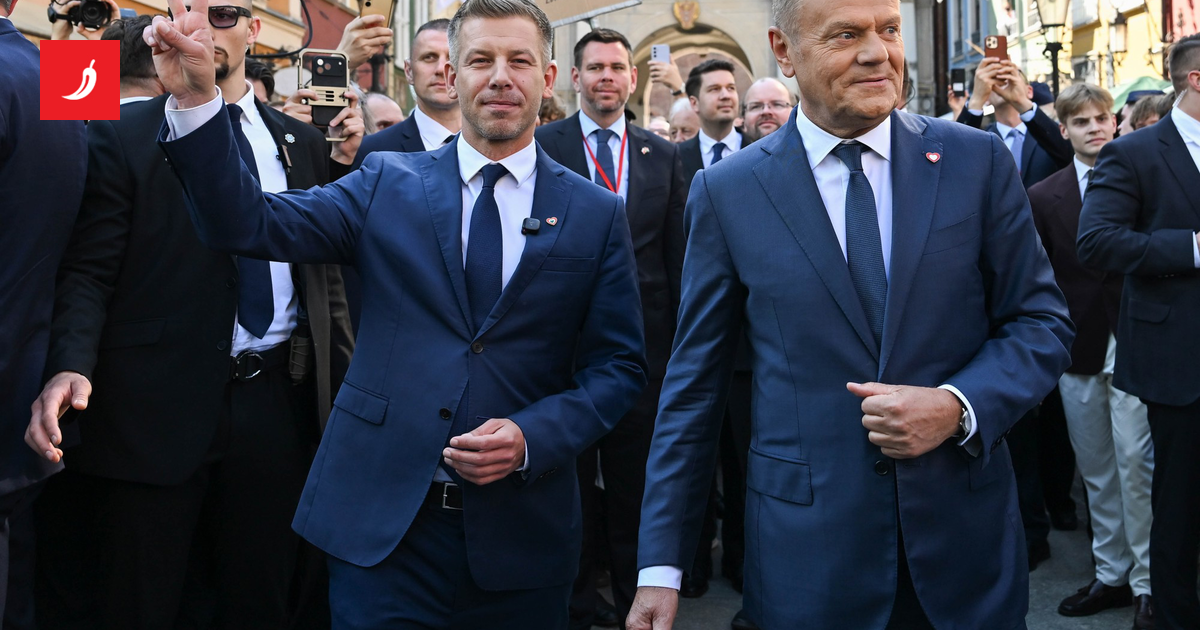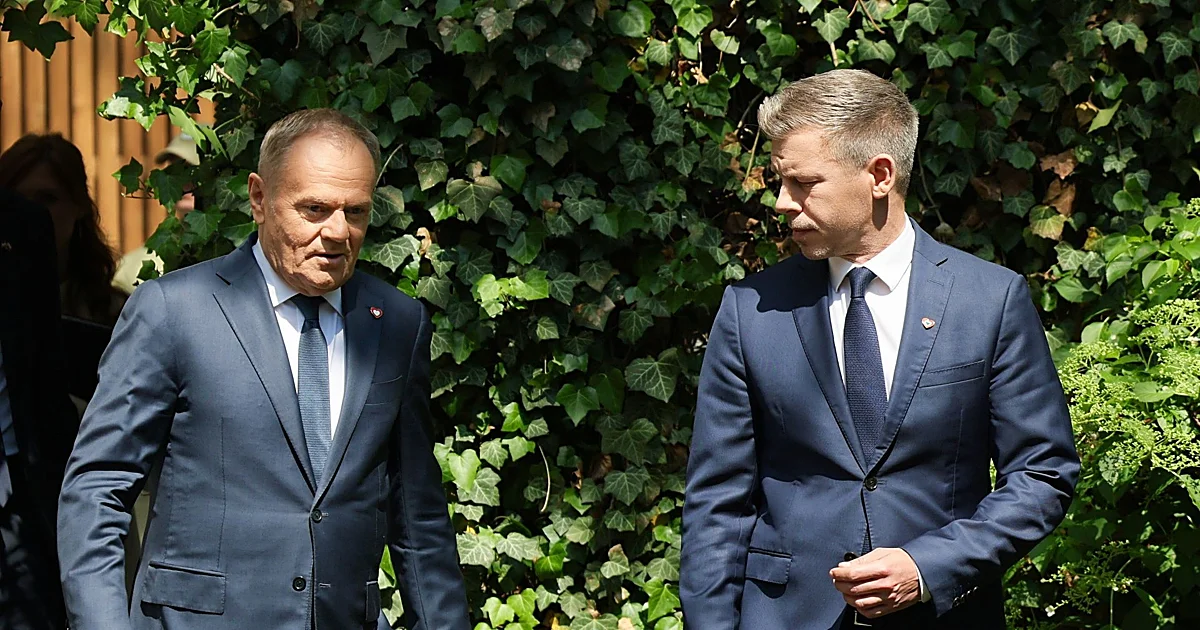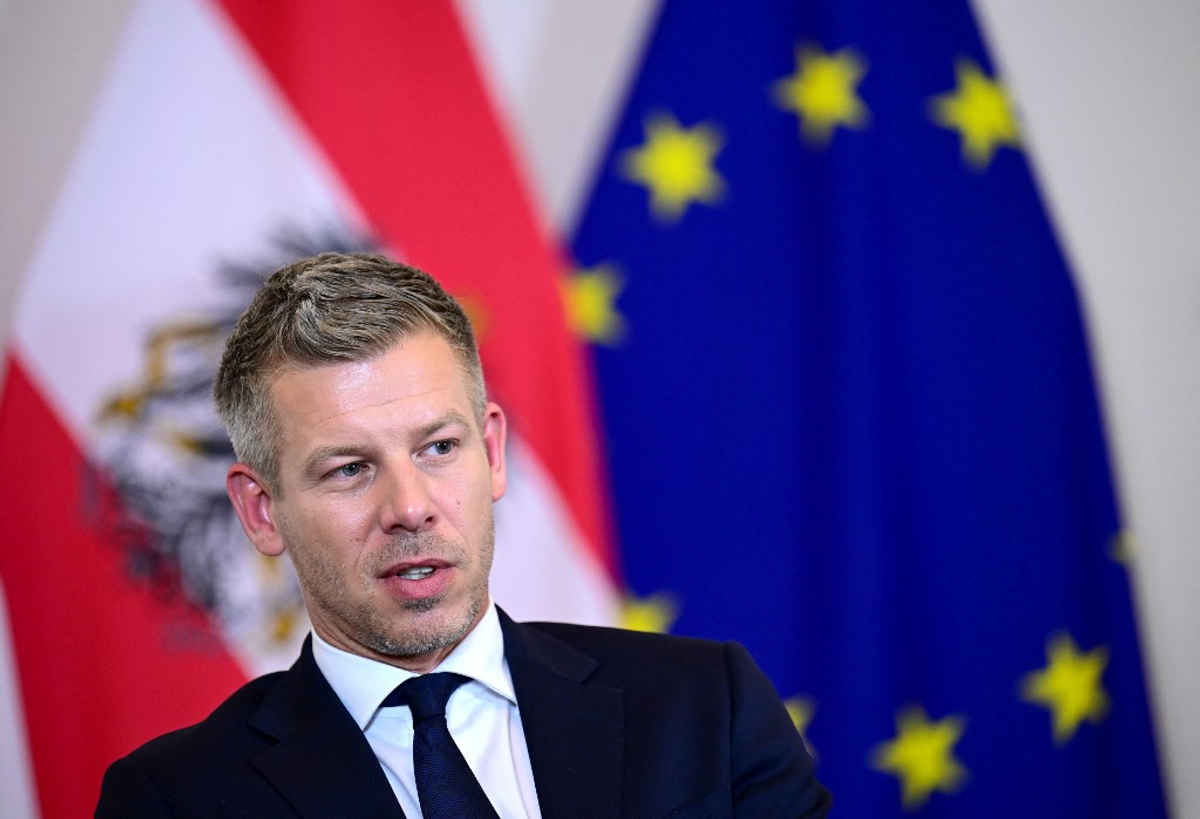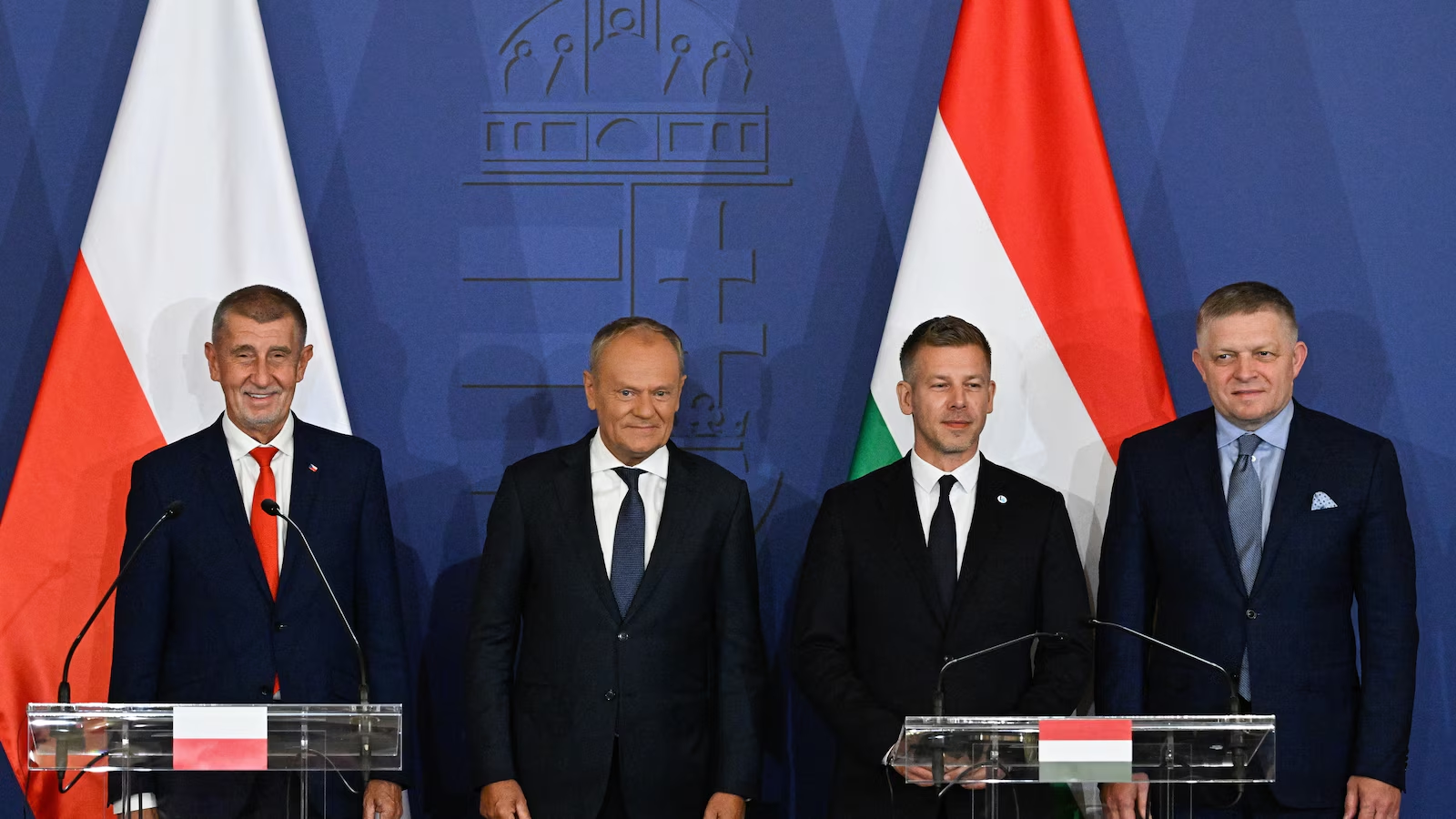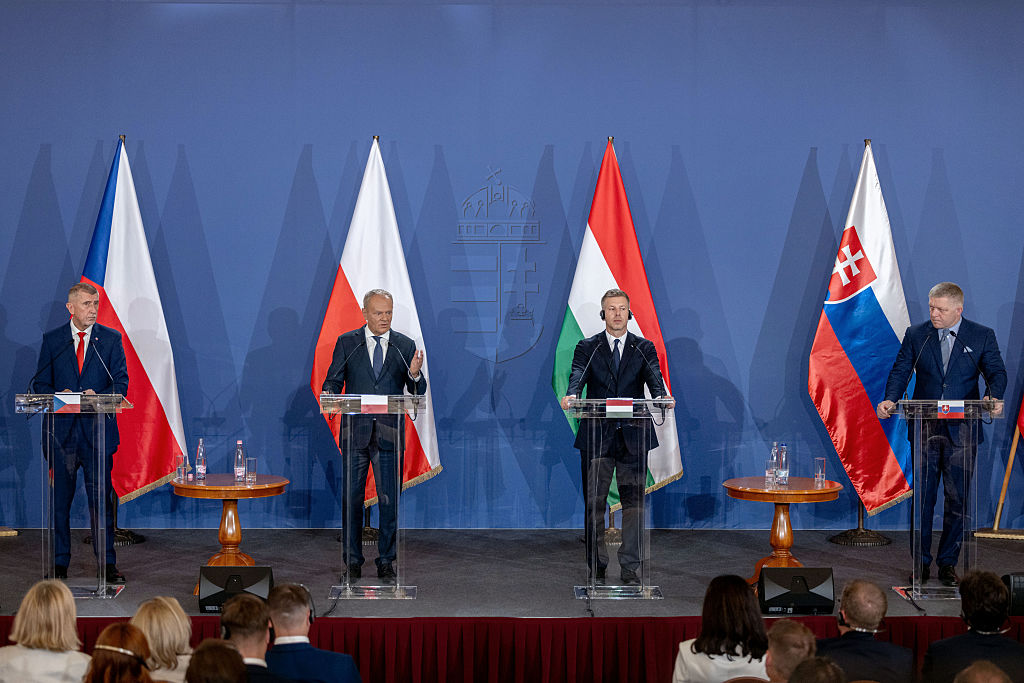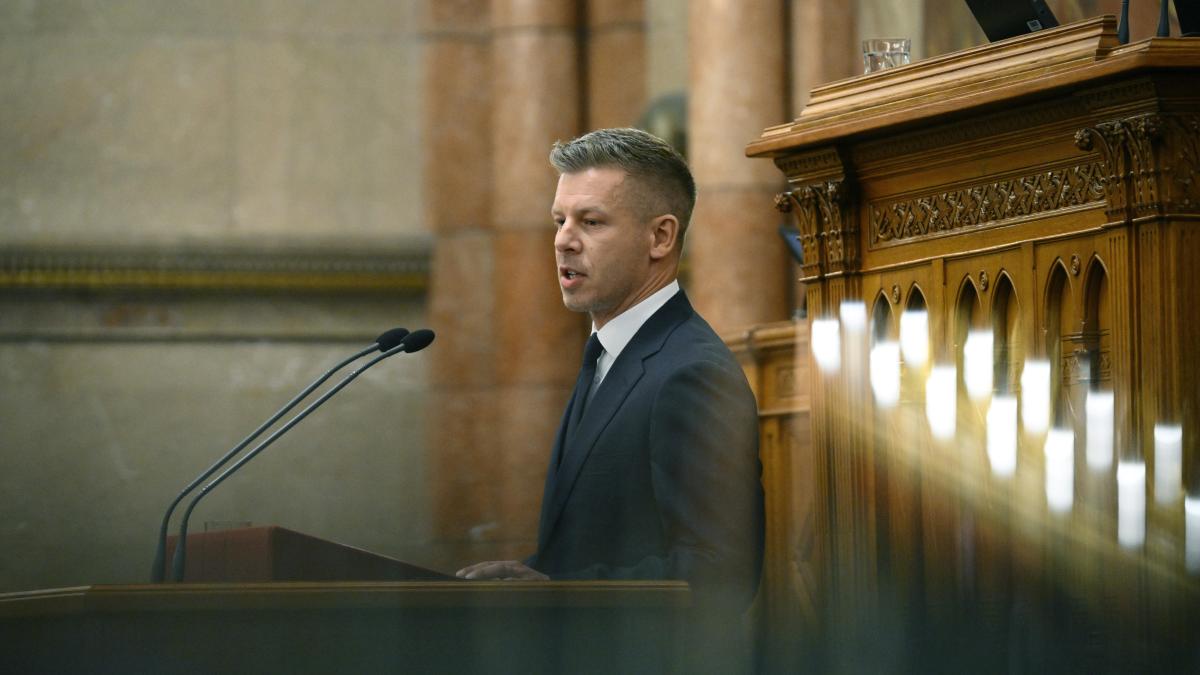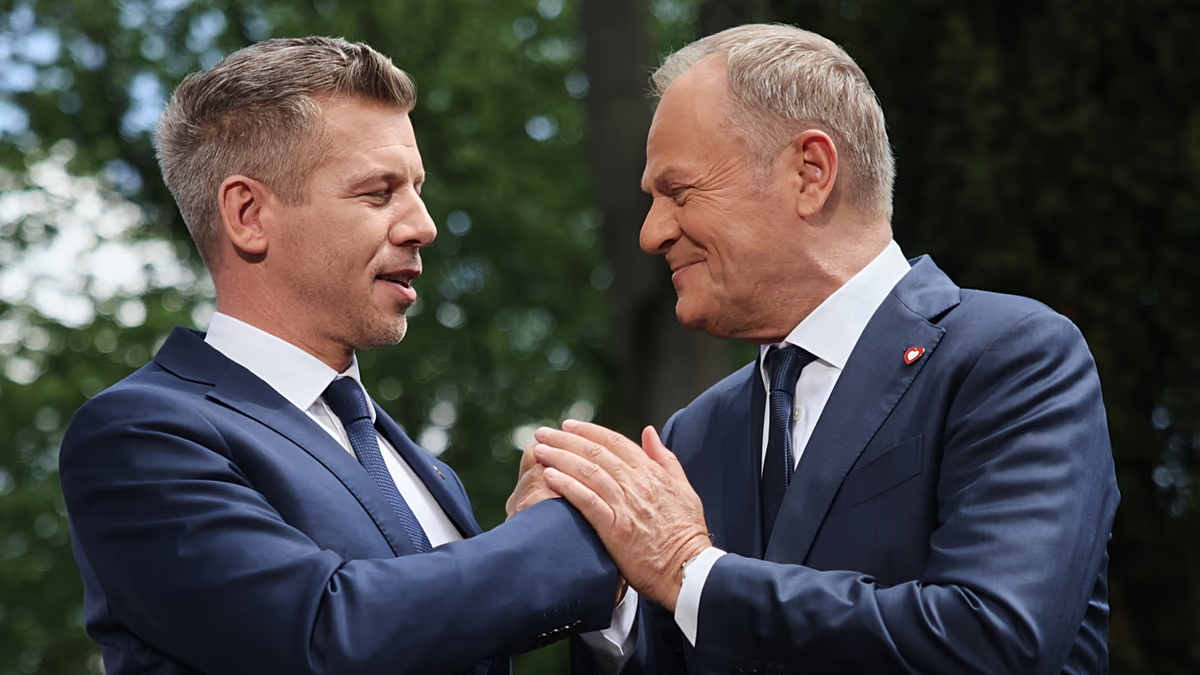
The Visegrád group may be staging a comeback. With new Hungarian Prime Minister Péter Magyar seeking to reset ties with its neighbours, the main political alliance of Central European nations that once punched well above its weight in European politics could be poised for a second act.
The Visegrád Four (V4), which brought together Poland, Slovakia, Czechia, and Hungary, was established in the aftermath of the collapse of communism. The group wielded considerable influence within the European Union after all four members joined the bloc in 2004, and surged to the forefront of European politics during the 2015 migration crisis.
But relations within the group began to fray after Russia's full-scale invasion of Ukraine in 2022. Hungary's former Prime Minister Viktor Orbán remained Moscow's closest ally inside the European Union, driving a wedge between Budapest and Warsaw in particular.
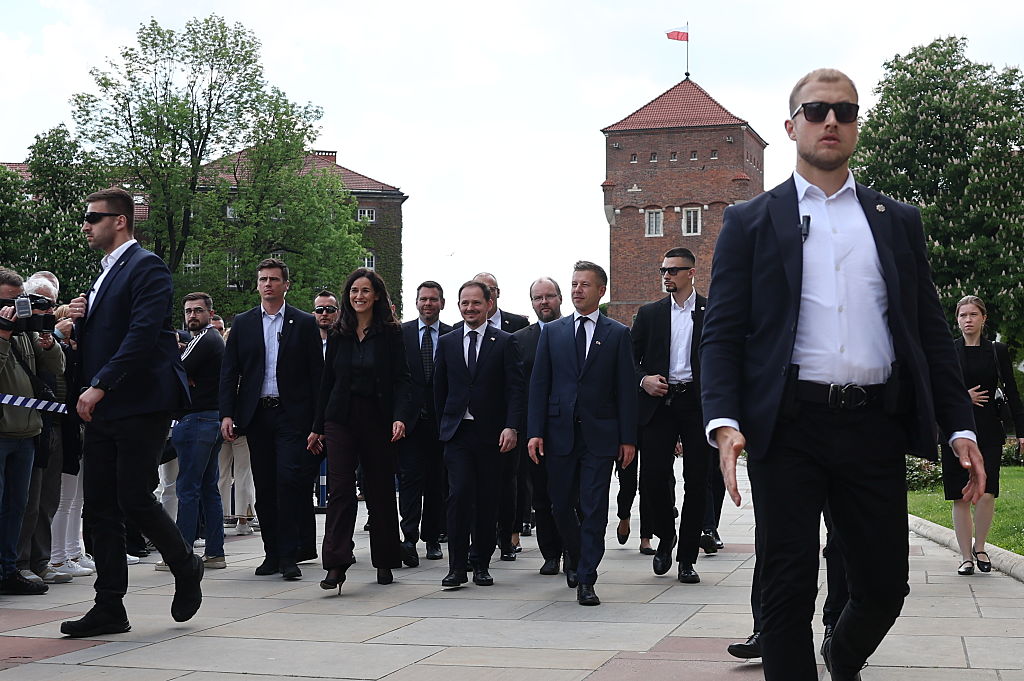
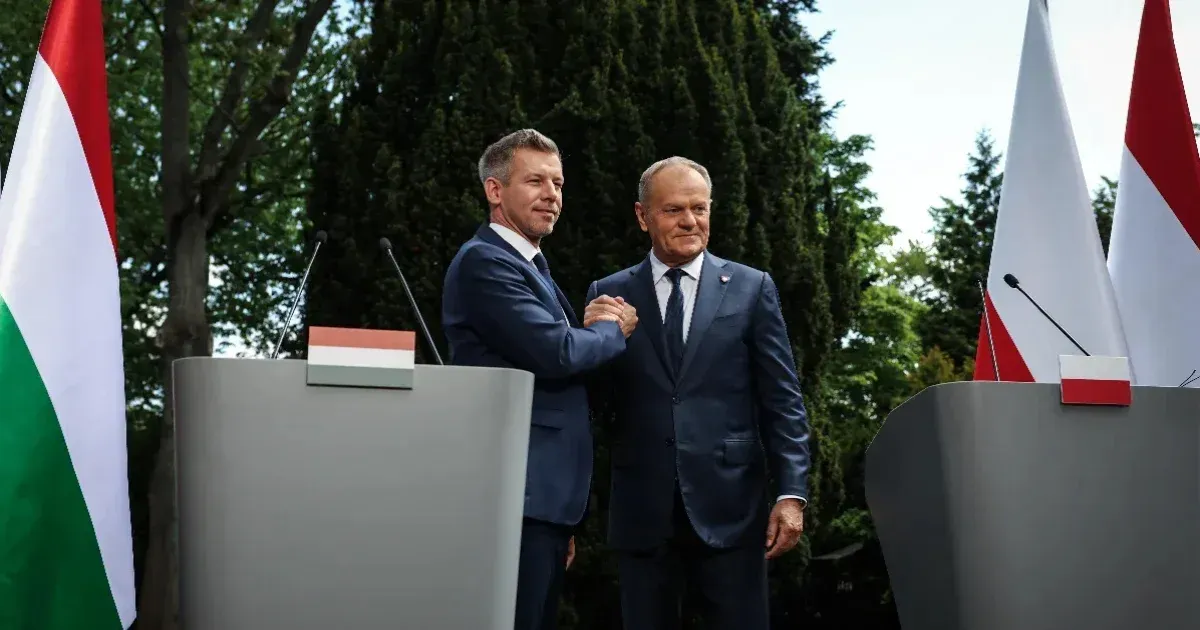
Magyar ended Orbán's 16-year grip on power with a landslide victory last month. The new Hungarian leader wasted little time: he chose Poland as the destination for his first state visit abroad, framing it as both a diplomatic and symbolic reset, citing centuries of friendship between the two nations.
He also framed his visit as a starting point for a broader effort to revitalise the Visegrád Group.