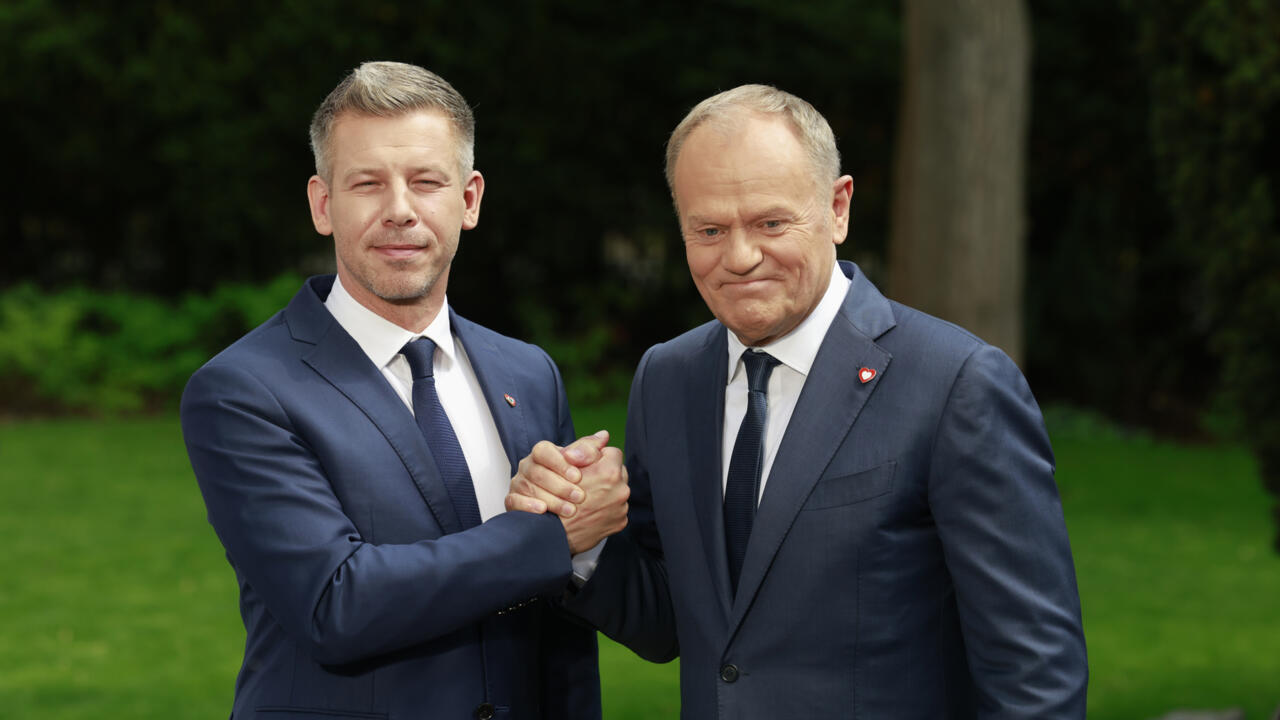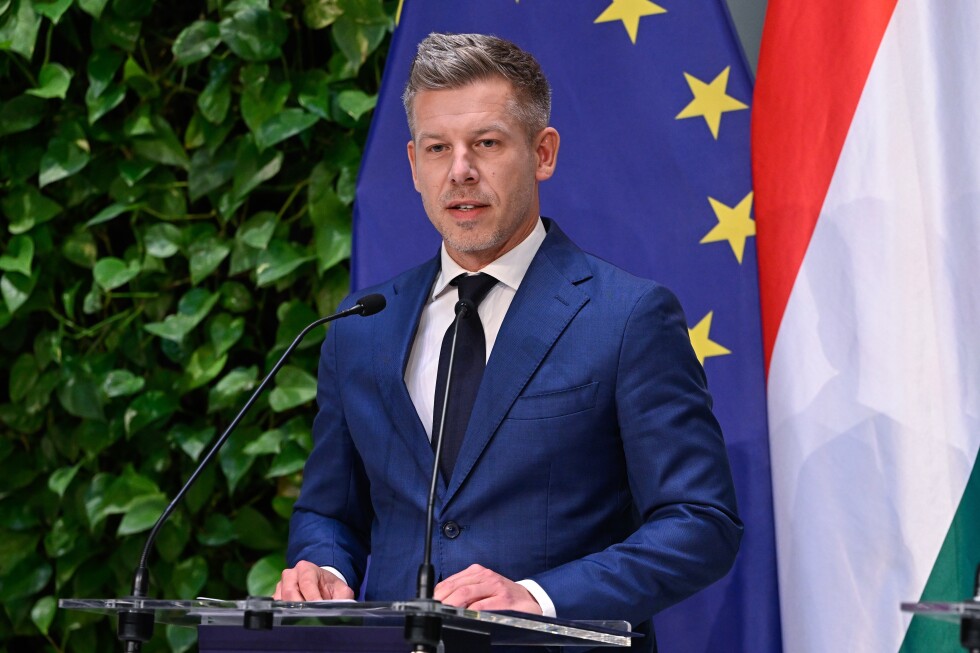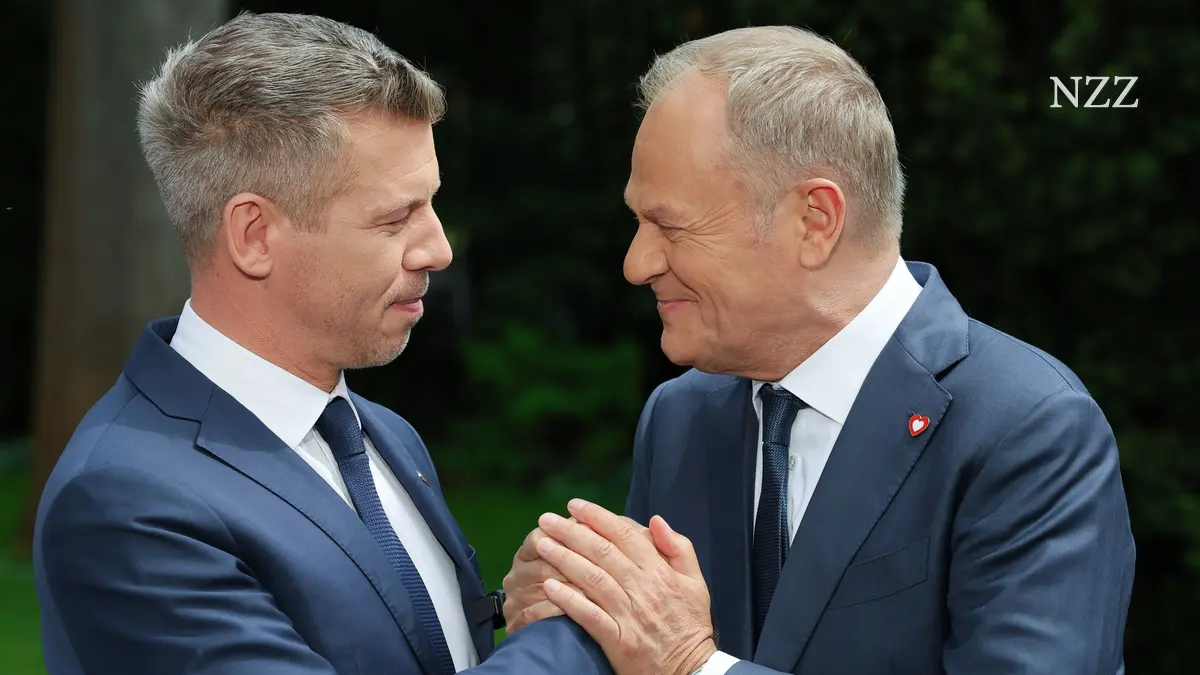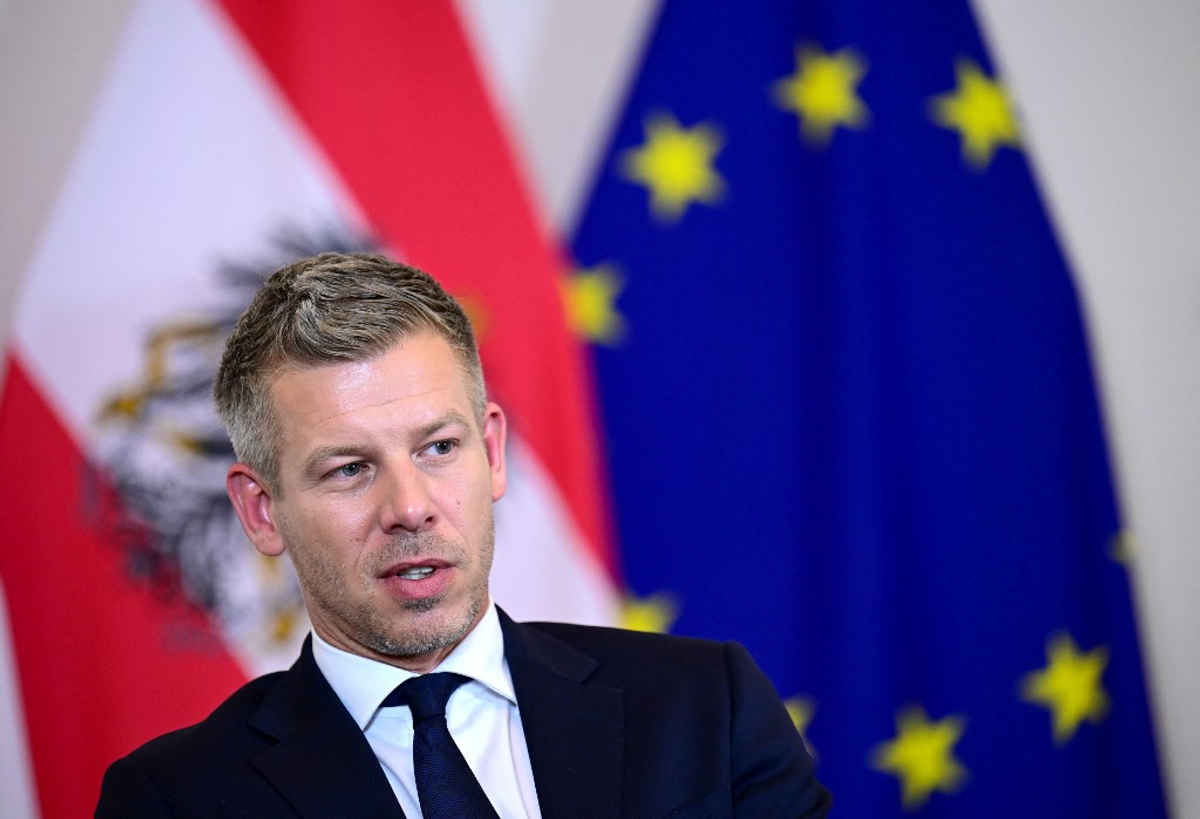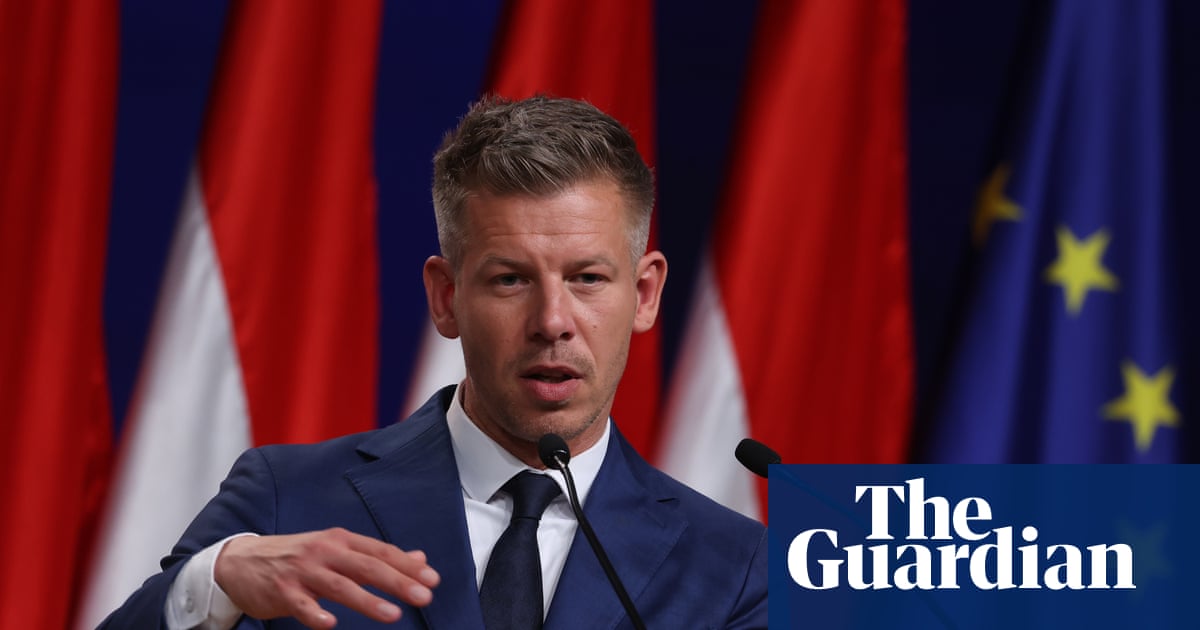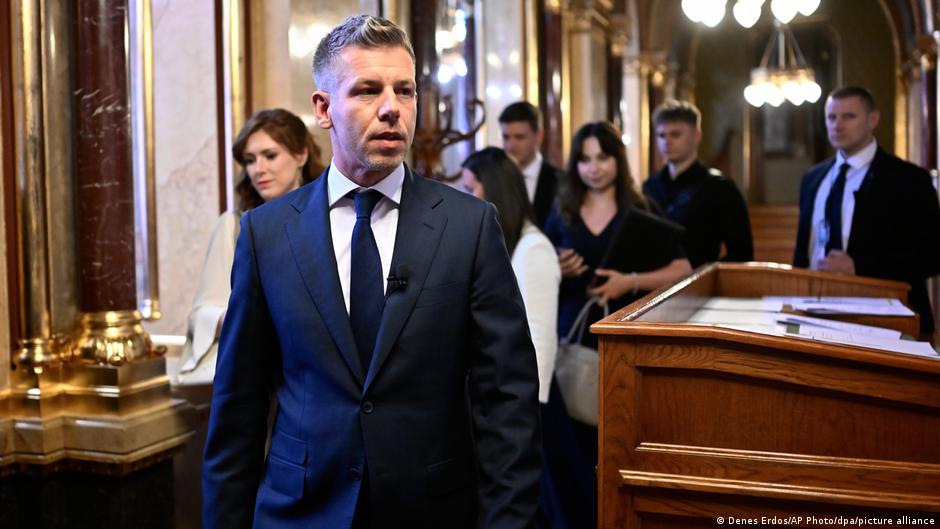
When Peter Magyar, whose center-right Tisza Party won the parliamentary election in Hungary on April 12, 2026, Polish liberals were thrilled. Polish Prime Minister Donald Tusk wrote on X, "Welcome back to Europe." He also posted a video showing him on the phone with election winner Magyar during a visit to South Korea. "I think I'm even happier than you are," Tusk enthused at the time.
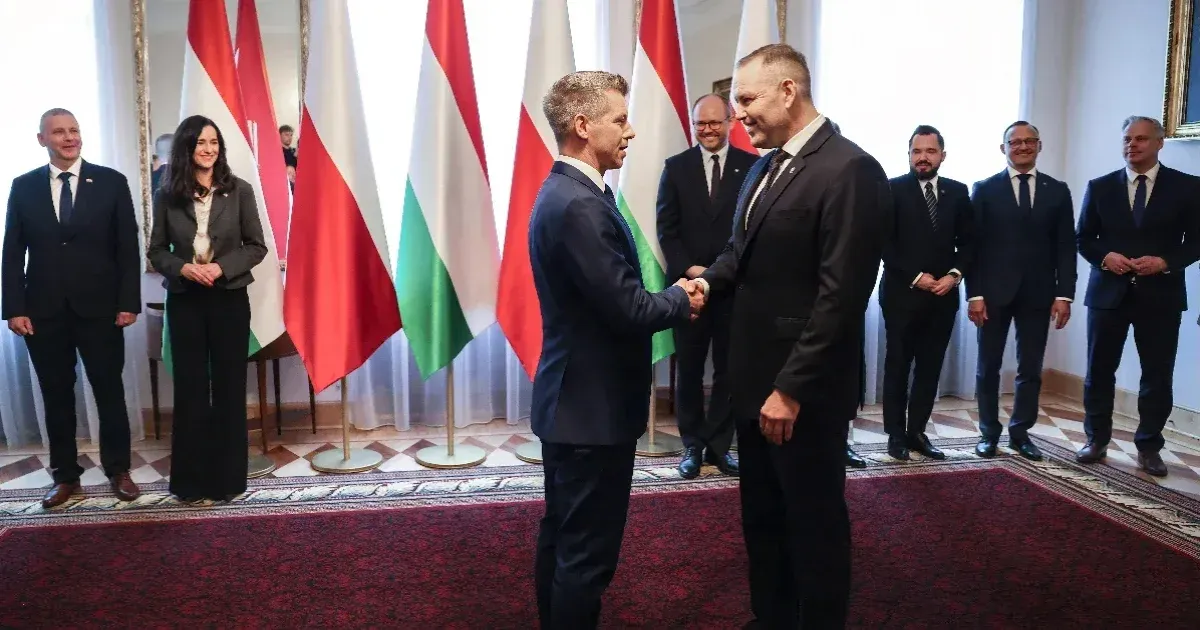
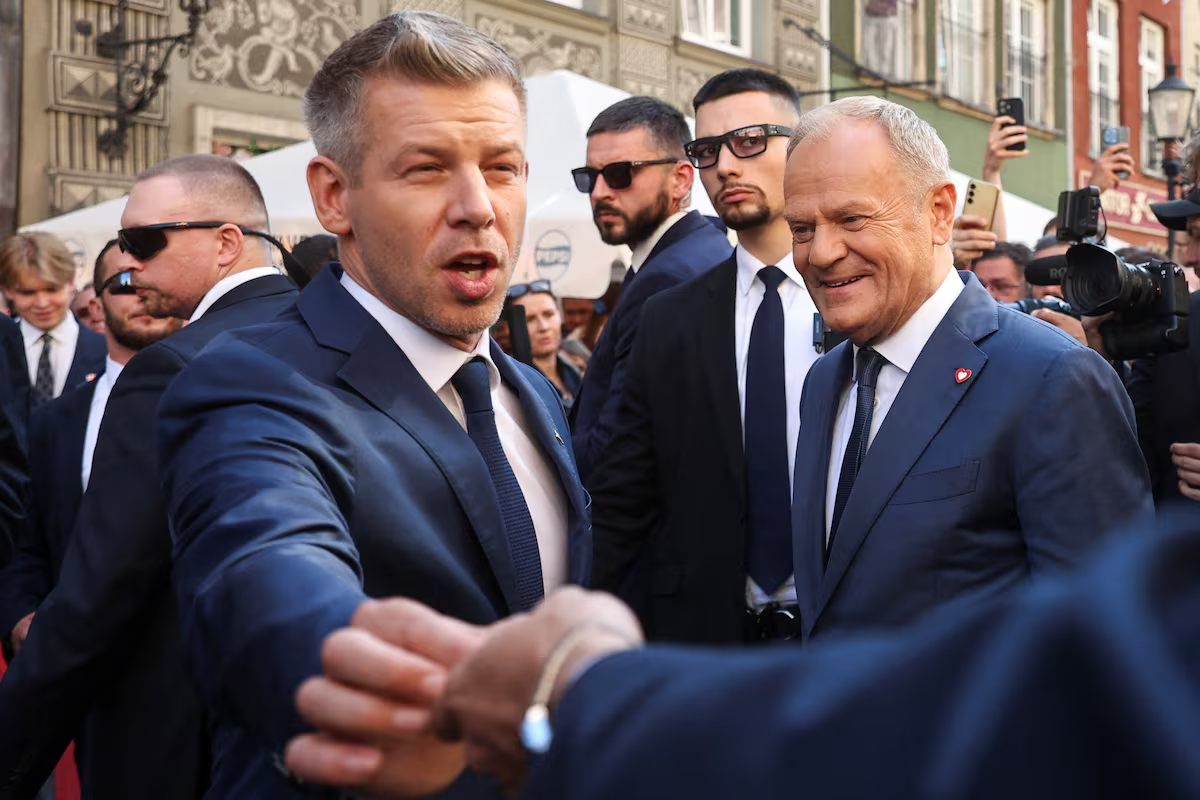
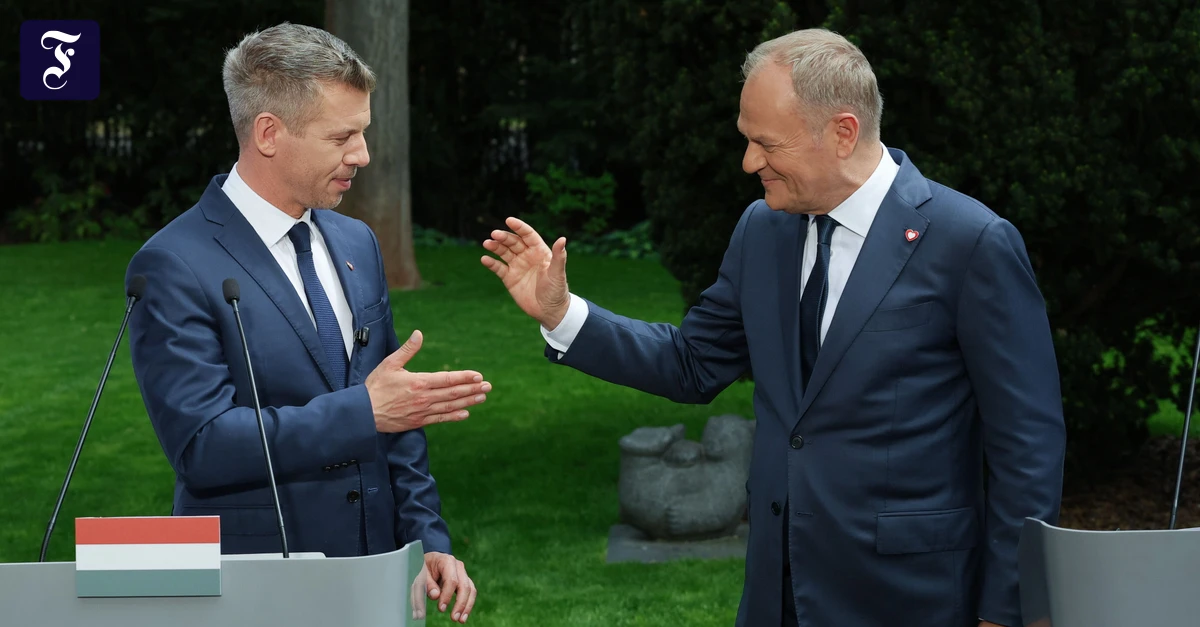
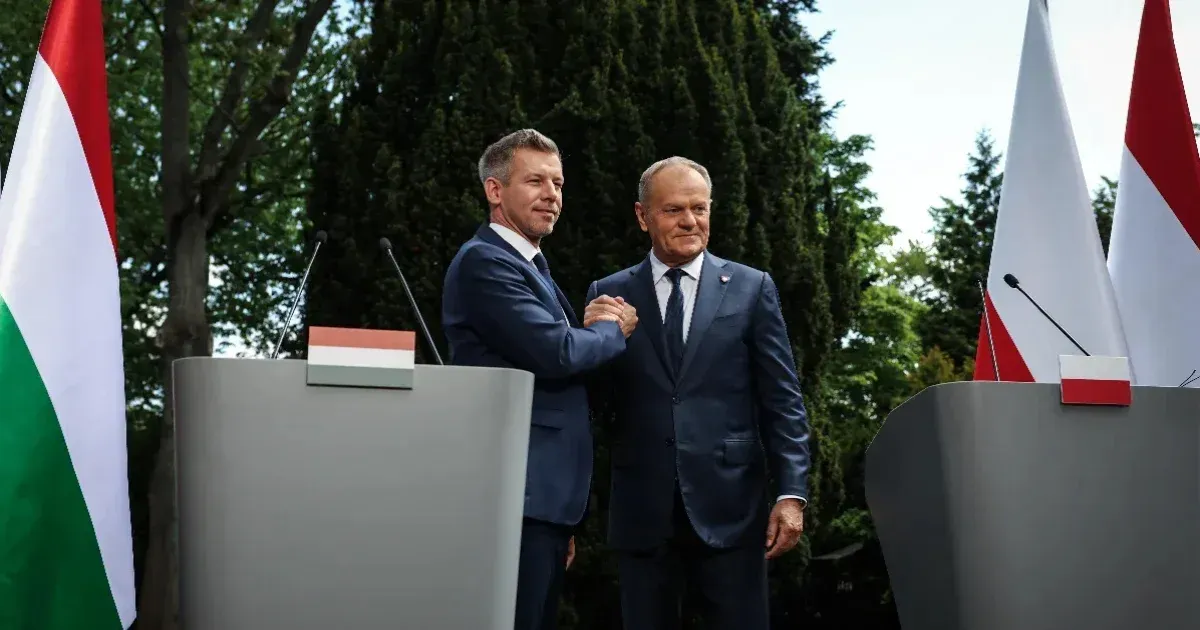
On Tuesday, ten days after his inauguration on May 9, 2026, Magyar's first trip abroad took him to Poland, "our natural allies," as Hungary's new leader called to the Poles last year.
Historically, Poland and Hungary have mostly had close ties. Under the Polish right-wing nationalist governments of the Law and Justice Party (PiS, 2015–2023) and the Hungarian Civic Alliance (Fidesz, 2010–2026), Warsaw and Budapest formed an illiberal, EU-critical alliance for years. However, this rapport was increasingly put under pressure, particularly since the start of the war in Ukraine. The pro-Russian policies of Hungary's long-time Prime Minister Viktor Orban were never supported by the Polish right-wing party.
In late 2023, when Tusk's pro-European center-left government took the helm in Poland, relations hit rock bottom. "Everything is clear between us, we have different views on every matter, on every issue," Tusk told Polish reporters in October 2025. He added that Orban opposed democratic norms and judicial transparency. Polish Prime Minister Donald Tusk has shifted to a more central right position since he took office in 2023.Image: Yves Herman/REUTERS