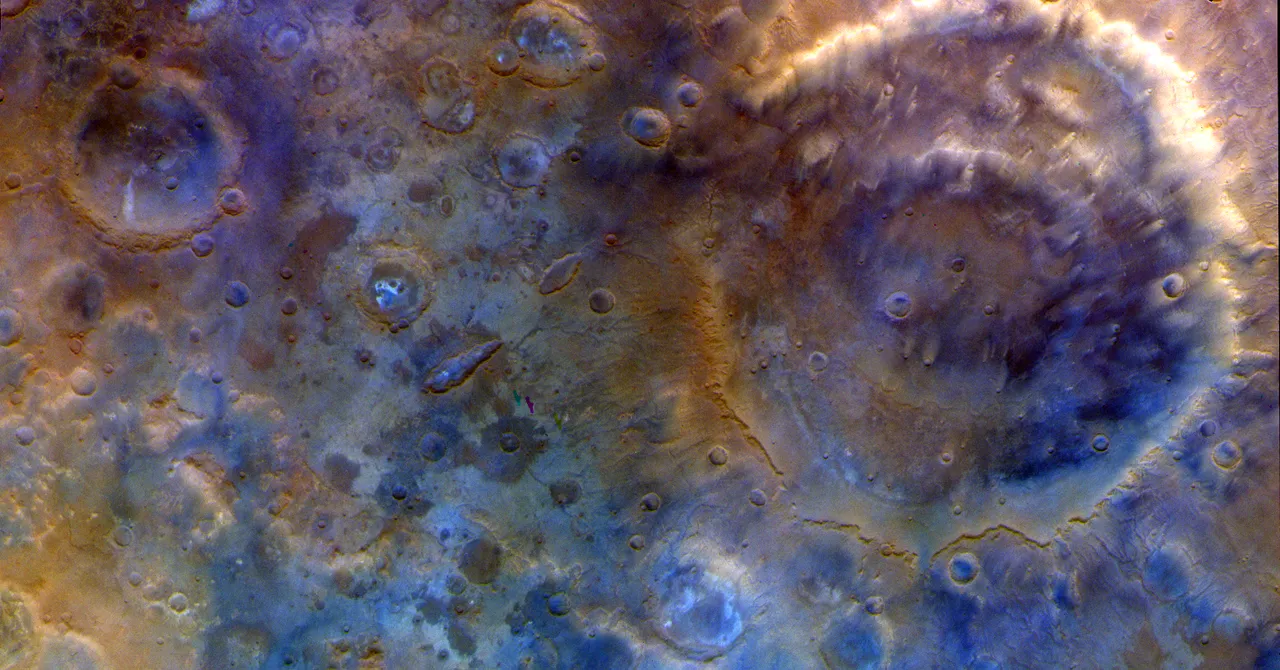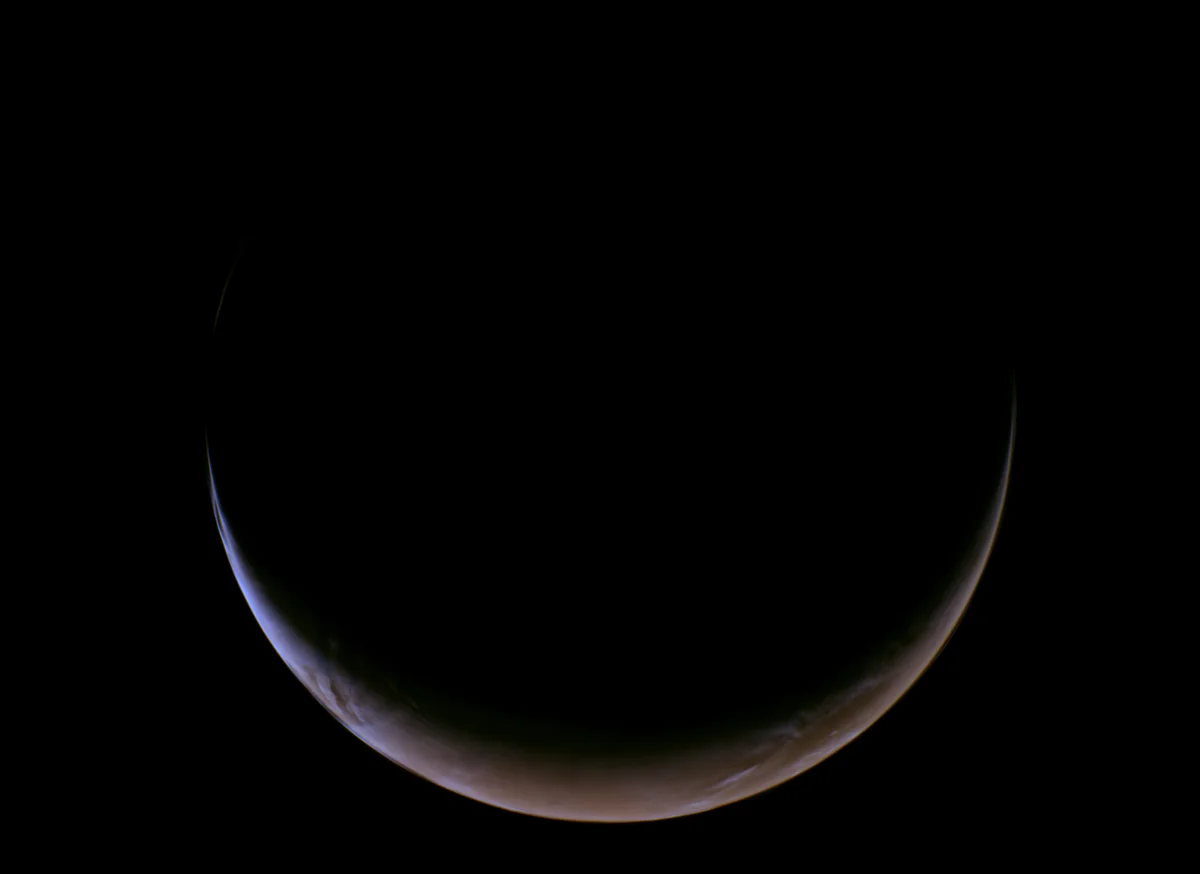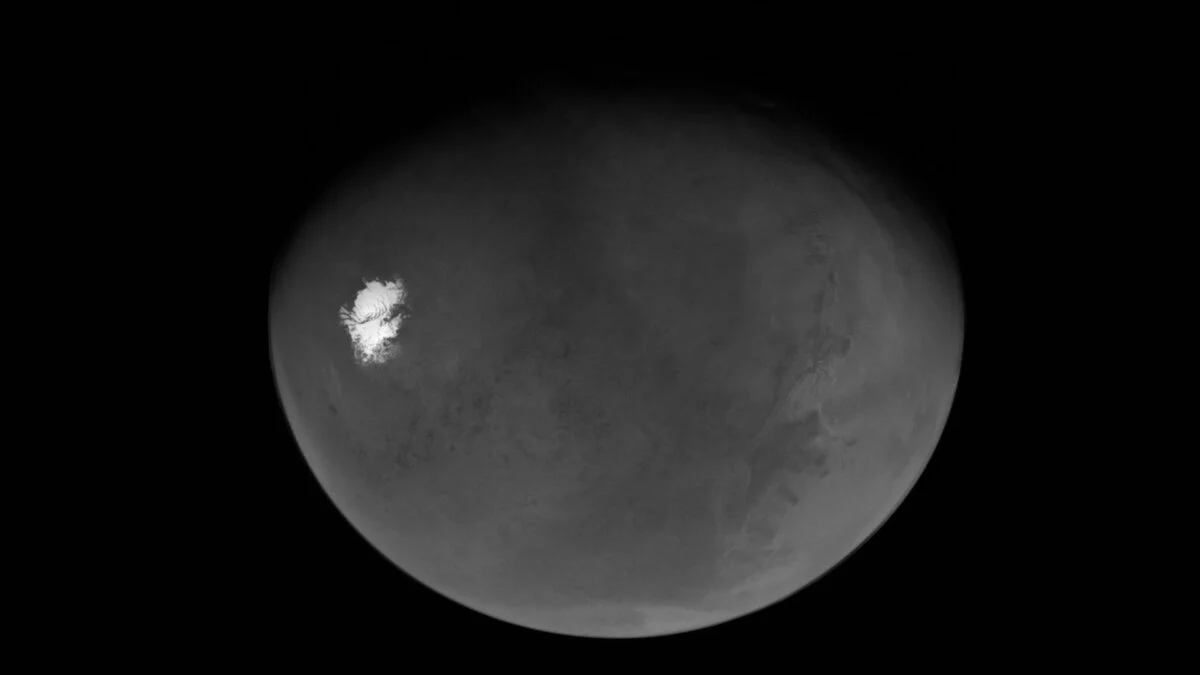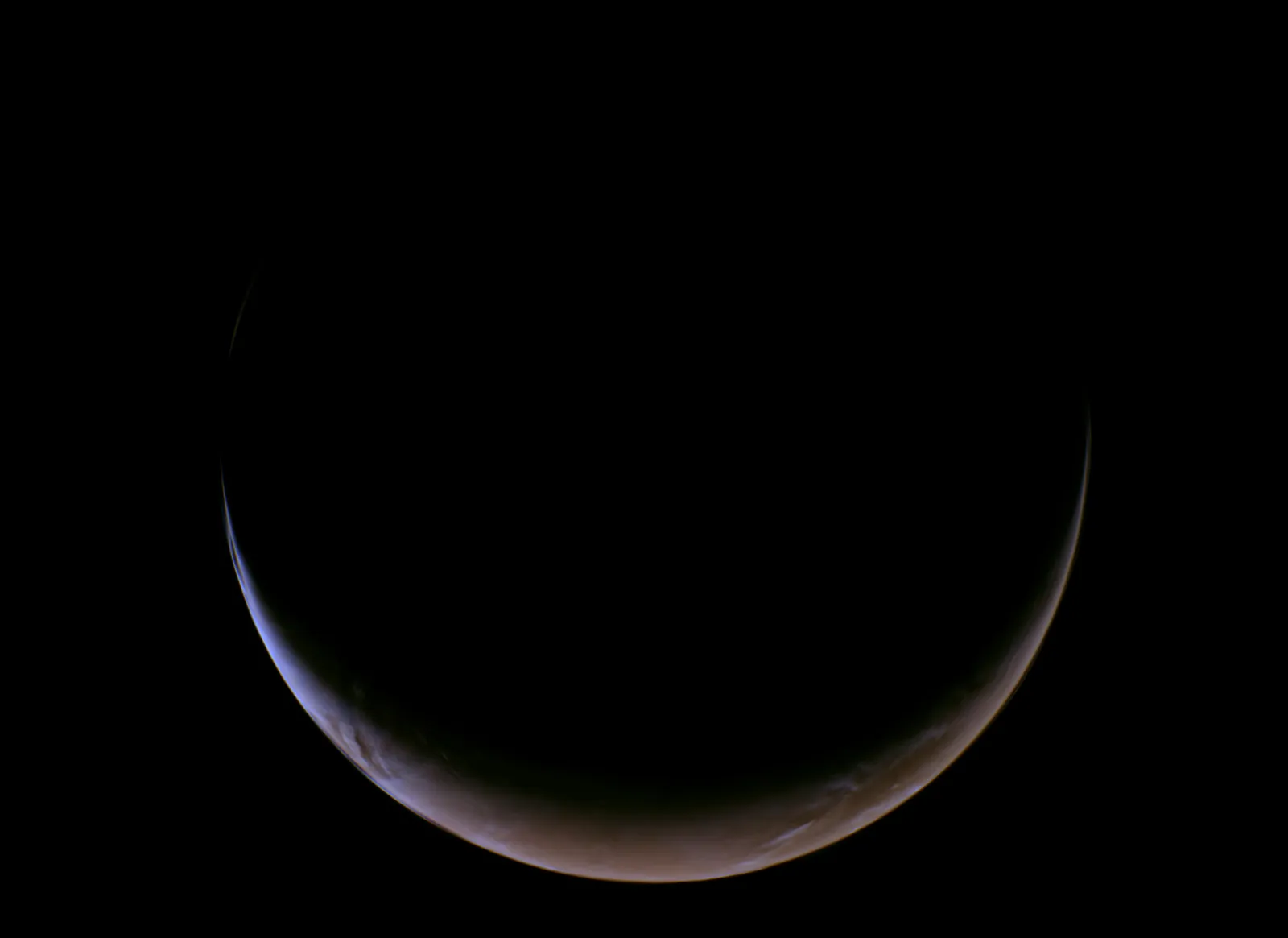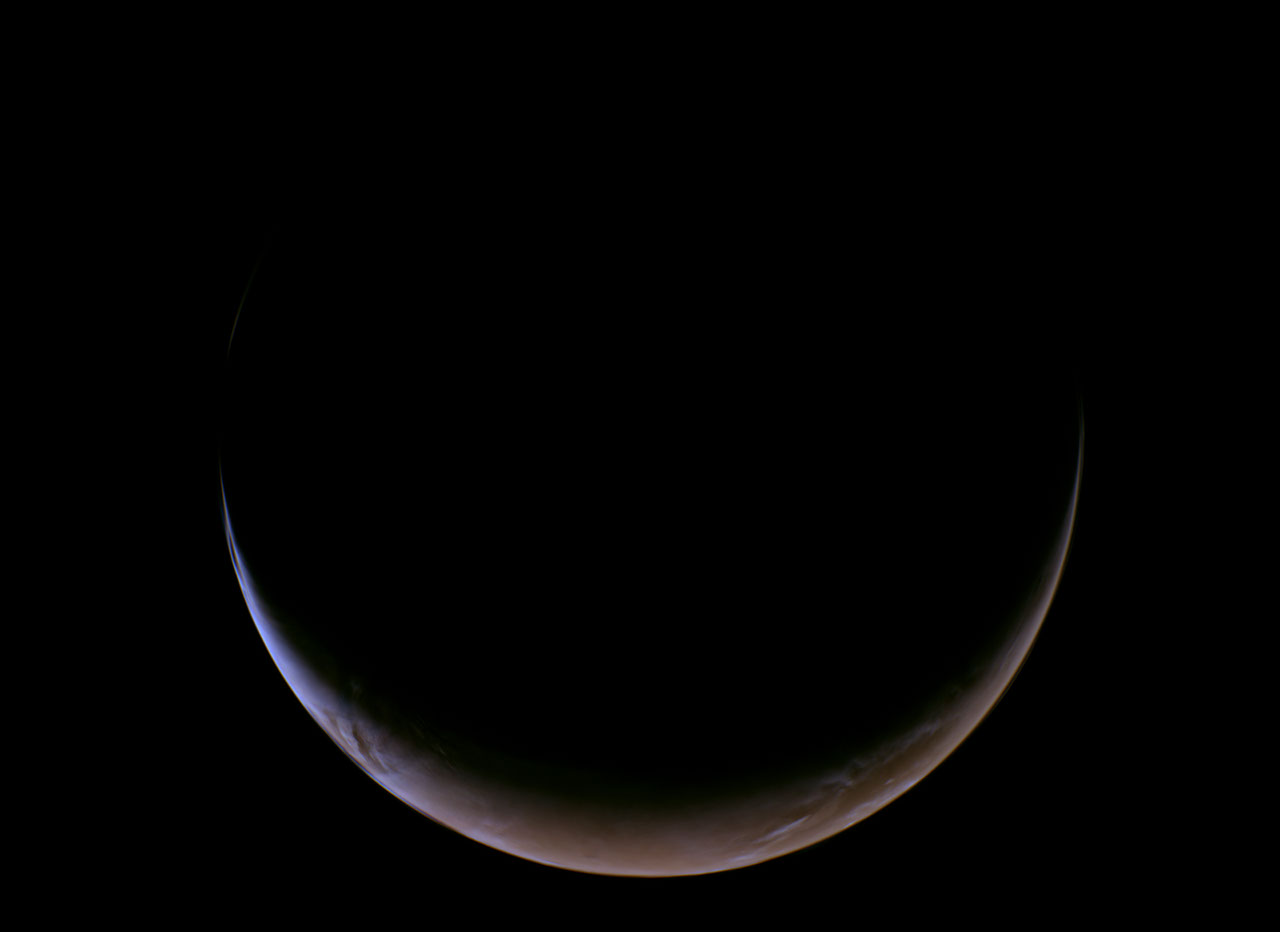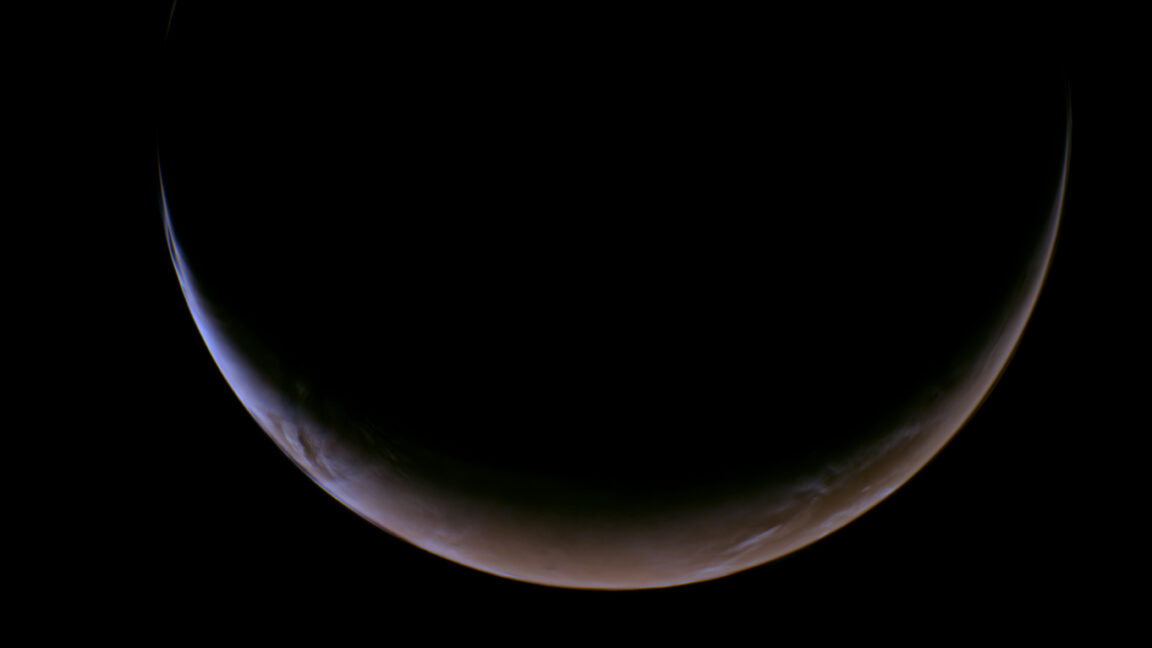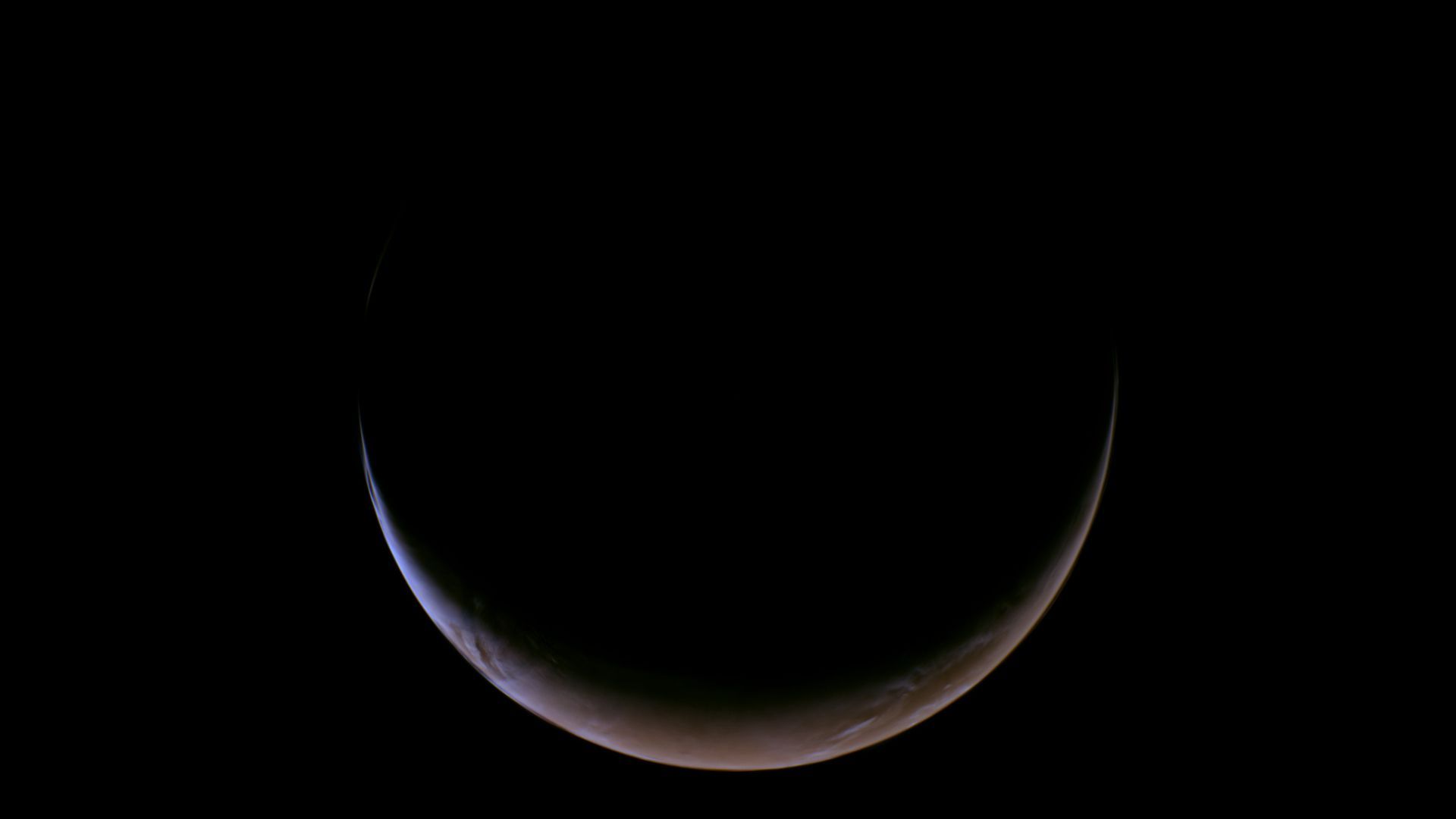
A view of Mars, captured by NASA's Psyche asteroid probe in May 2026. The image has been processed into a natural-color view using red, green and blue data from the multispectral imager instrument.
(Image credit: NASA/JPL-Caltech/ASU)
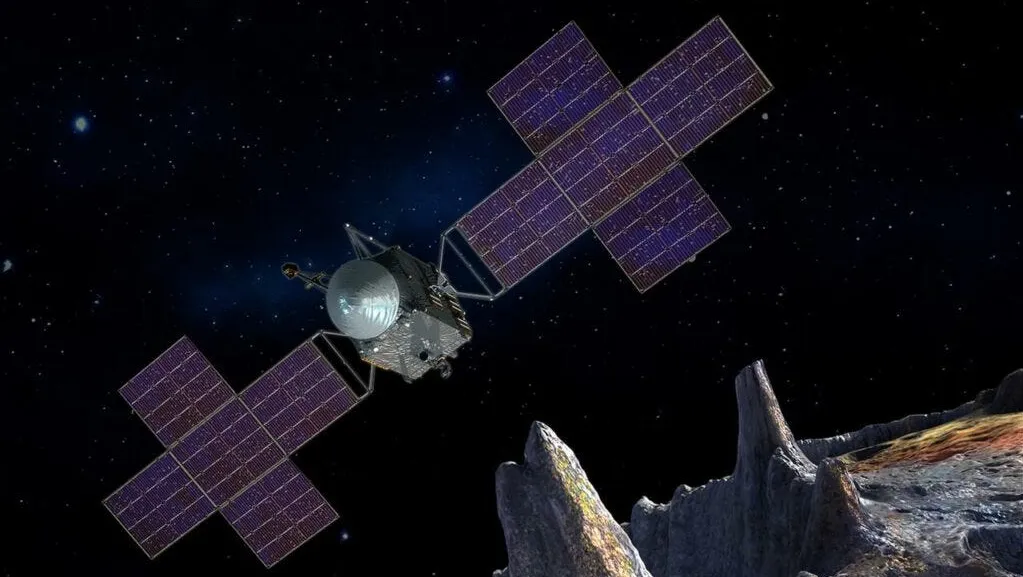
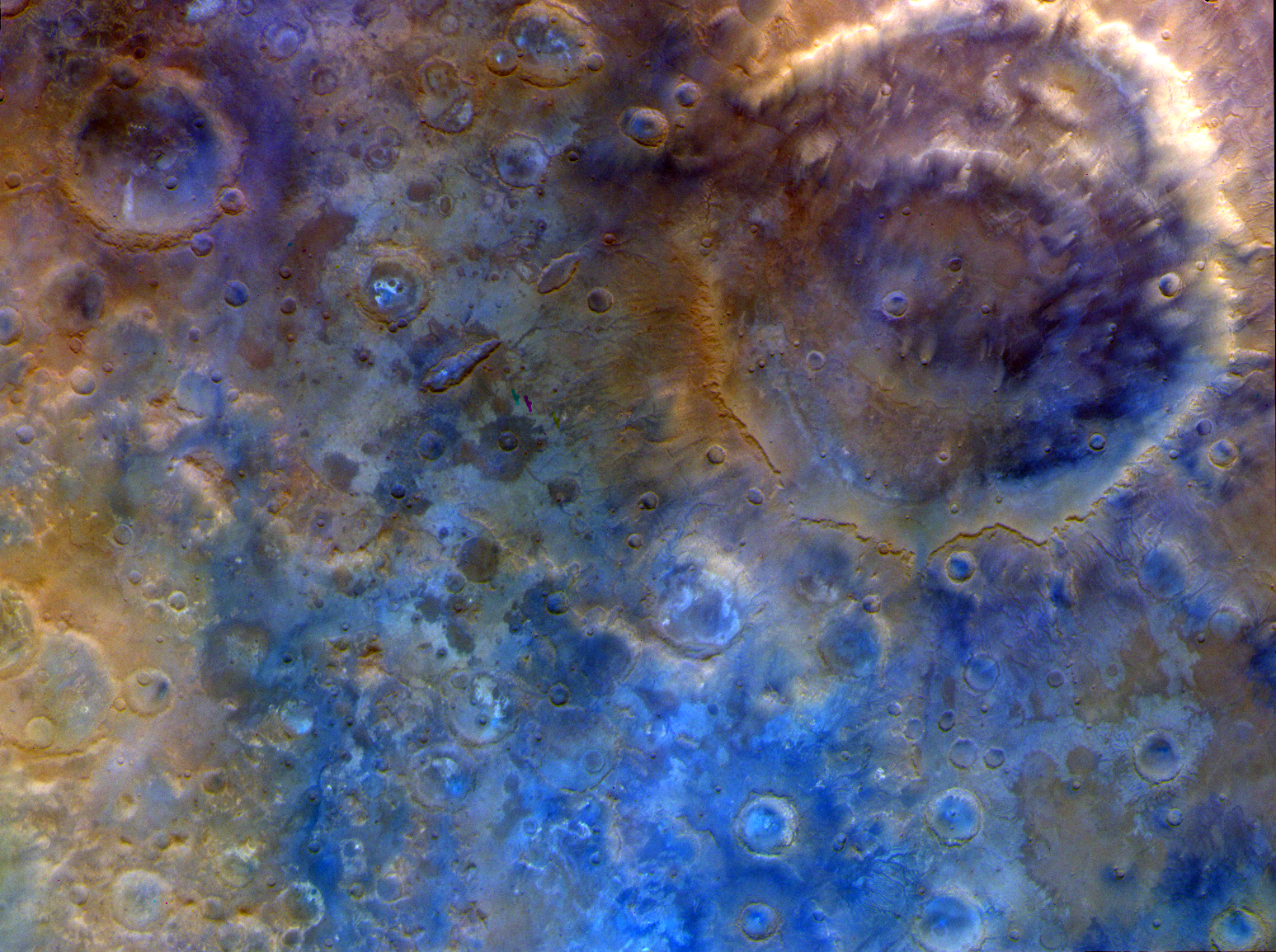
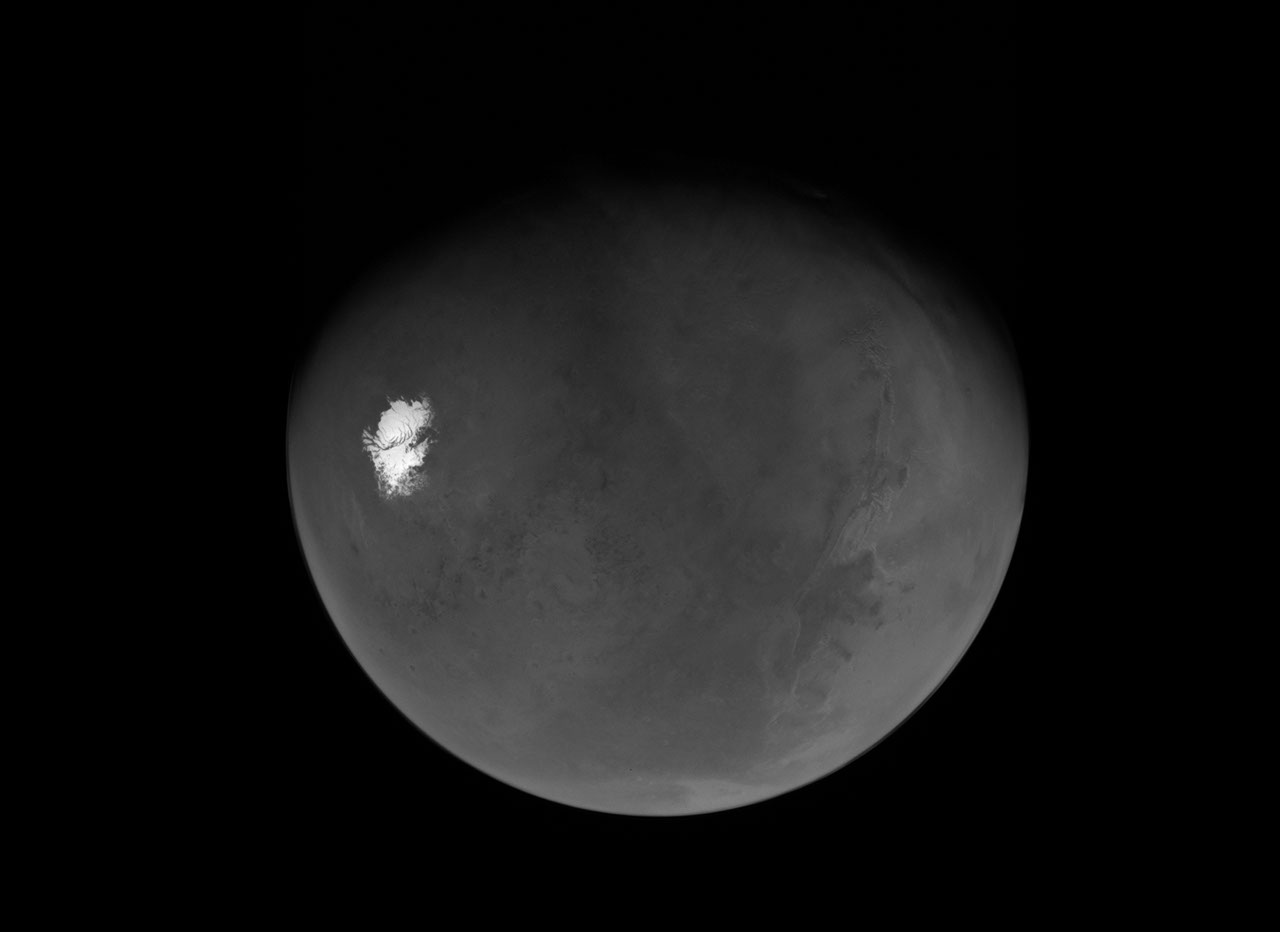
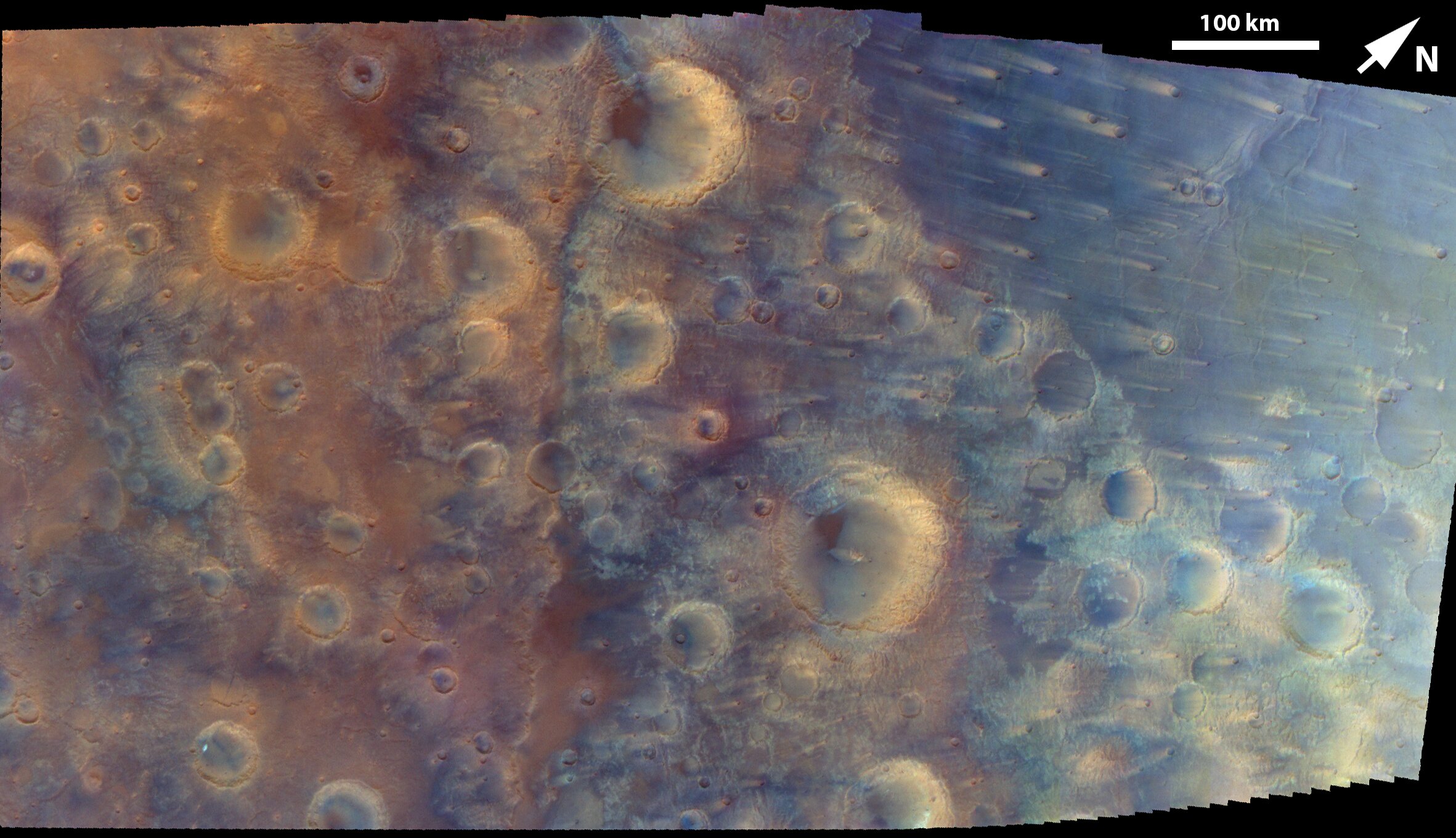
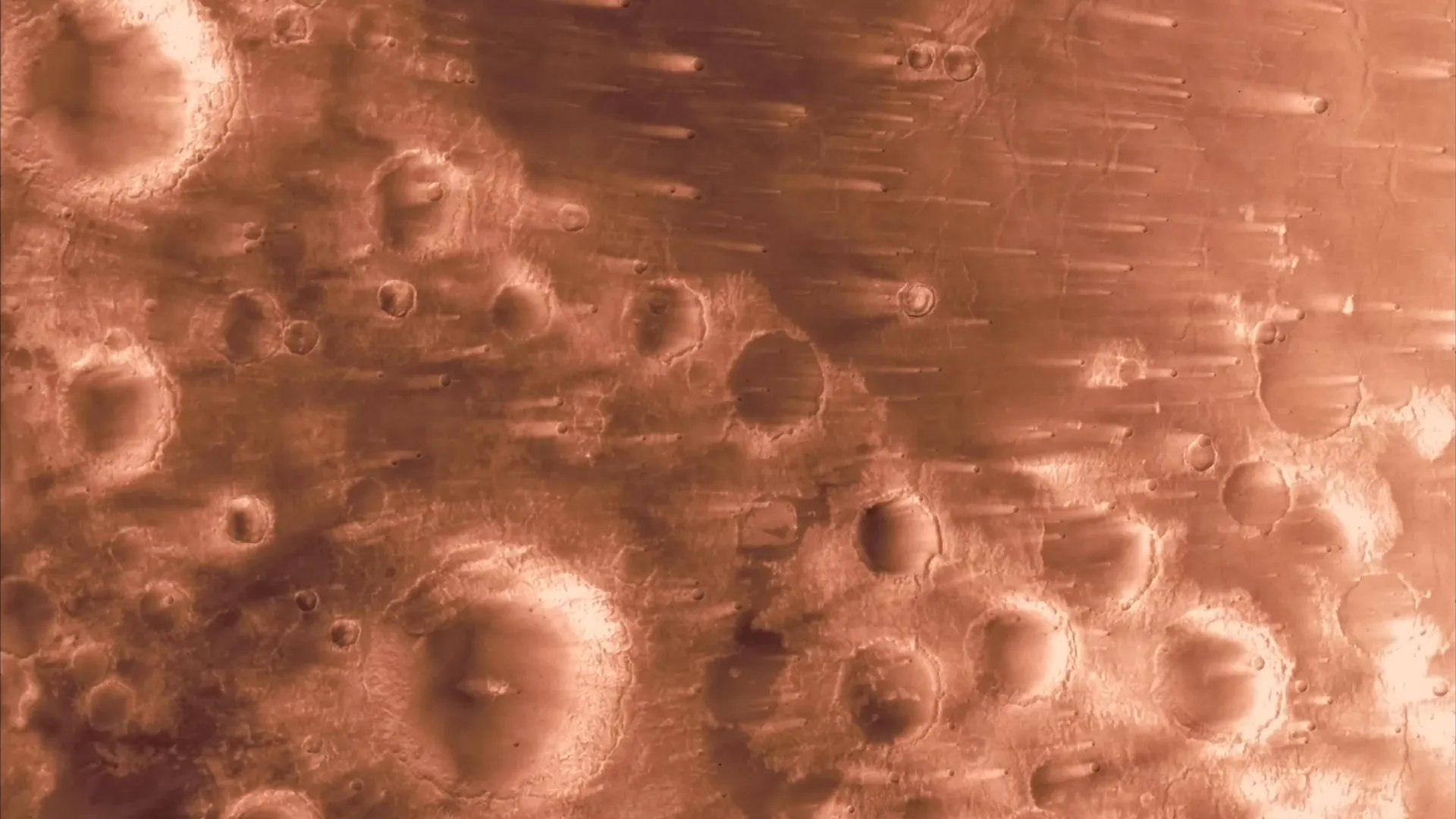
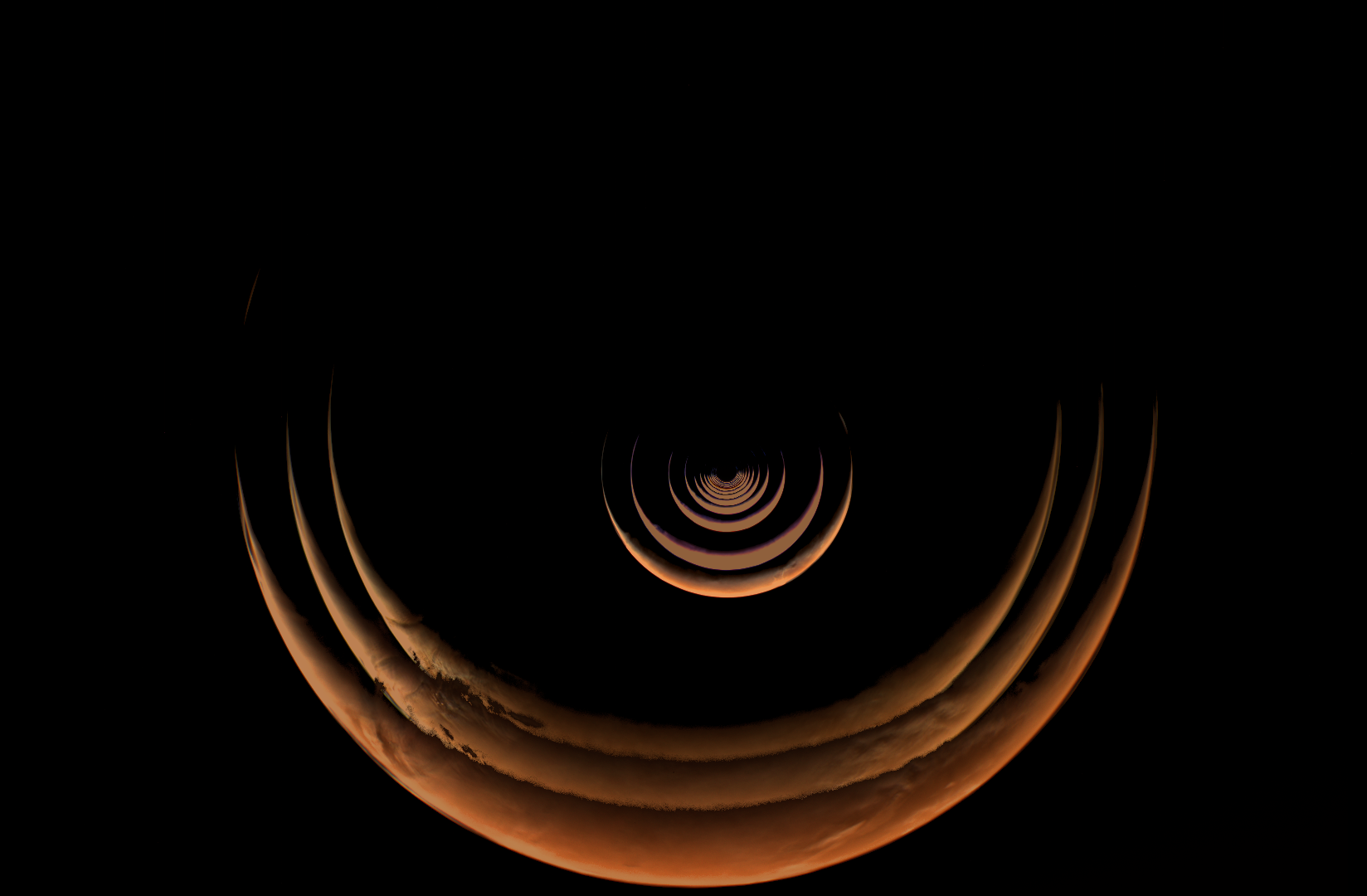
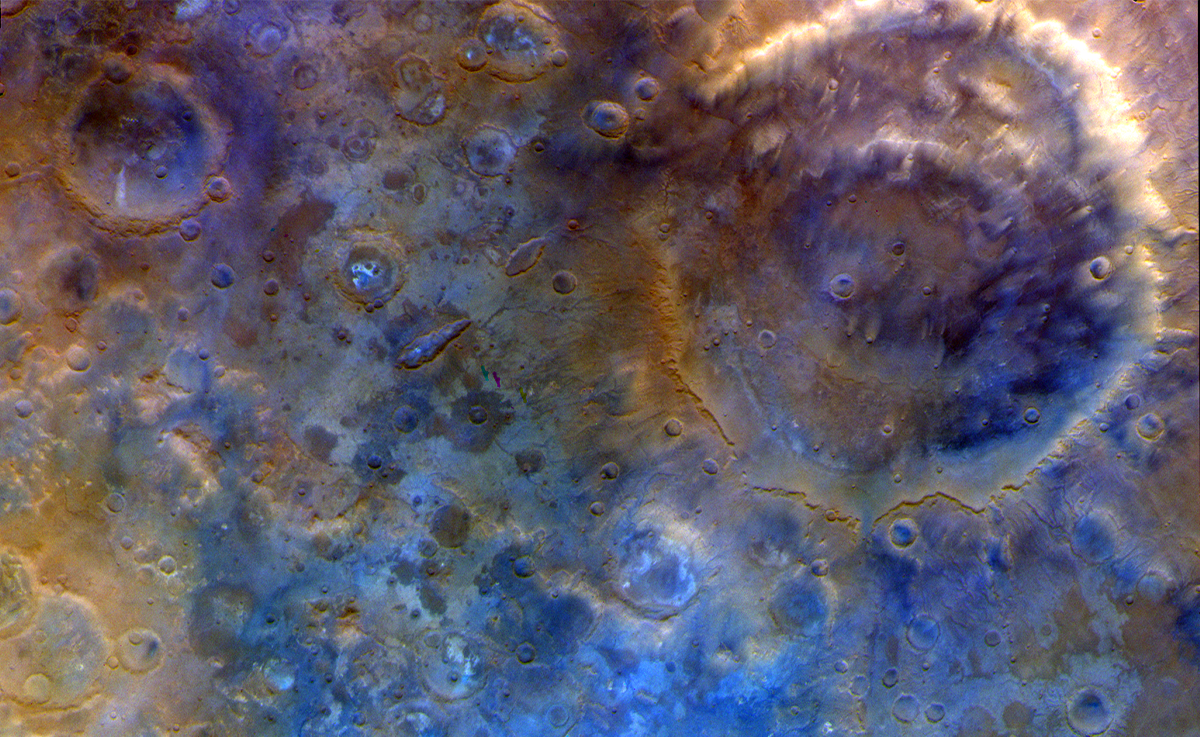
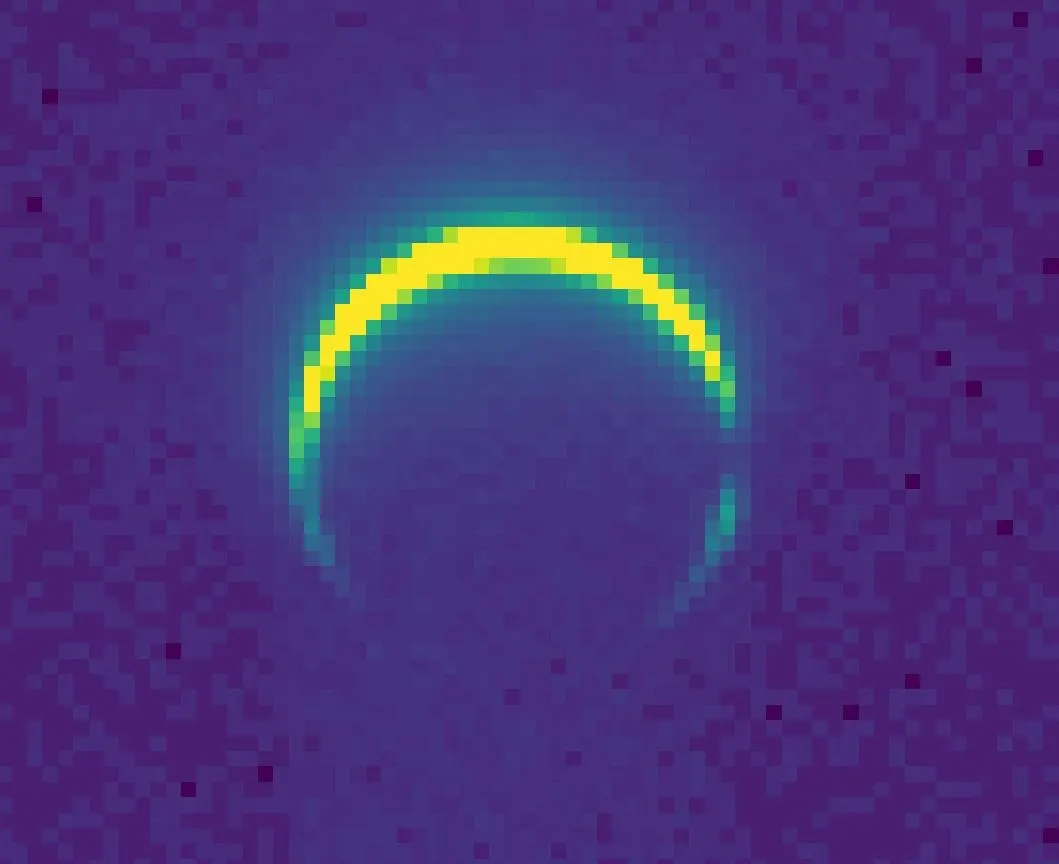
Right now, a spacecraft named Psyche is headed to its namesake asteroid, 16 Psyche. The theory is that 16 Psyche, which lies in the asteroid belt between Mars and Jupiter, may be made of precious metals that, on Earth, would be worth more than the entire world economy. However, we'll only know for sure once this probe gets there in 2029. So, we'll have to wait.But in the mean time, this spacecraft has been keeping us entertained. On its way to that tremendously exciting asteroid, Psyche just made a memorable pit stop: It flew by Mars, getting within 2,864 miles (4,609 kilometers) of the planet's surface. That's very, very close — indeed, close enough to bring us some marvelous imagery of our neighbor, the Red Planet.NASA also explains that one of Psyche's instruments, the multispectral imager, saw the crescent appearing brighter and extending farther than expected due to the dusty Mars atmosphere scattering light. The multispectral imager is special because it can take images in both visible light (light we can see as humans) and near-infrared light (the kind of invisible light the James Webb Space Telescope famously specializes in).That kind of imaging will be important once Psyche gets to 16 Psyche, because it'll reveal better detail about the asteroid's surface features. In fact, it would appear that a lot of asteroid-specific gear meant to help NASA decode the true composition of 16 Psyche and let us know whether or not it lives up to its proposed price tag of many (many) quadrillions of dollars was turned on during the Mars flyby. This includes instruments like the magnetometers that may have found a "bow shock" on Mars, which relates to solar wind dynamics near the planet.But to keep our eyes on Mars for a minute: As breathtaking as that crescent is, it isn't the only image Psyche's operators managed to process during the probe's close approach to the planet."We've captured thousands of images of the approach to Mars and of the planet's surface and atmosphere at close approach. This dataset provides unique and important opportunities for us to calibrate and characterize the performance of the cameras, as well as test the early versions of our image-processing tools being developed for use at the asteroid Psyche," Jim Bell, the Psyche imager instrument lead at Arizona State University, said in a statement.For instance, NASA also released the flyby images below. And agency officials say we can expect further analysis of Psyche's Martian views in the coming days as more opportunities arise."As the spacecraft continues its journey after the flyby, we'll continue calibration imaging of Mars for the rest of the month as it recedes into the distance," Bell said.