(Image credit: NASA/JPL-Caltech)
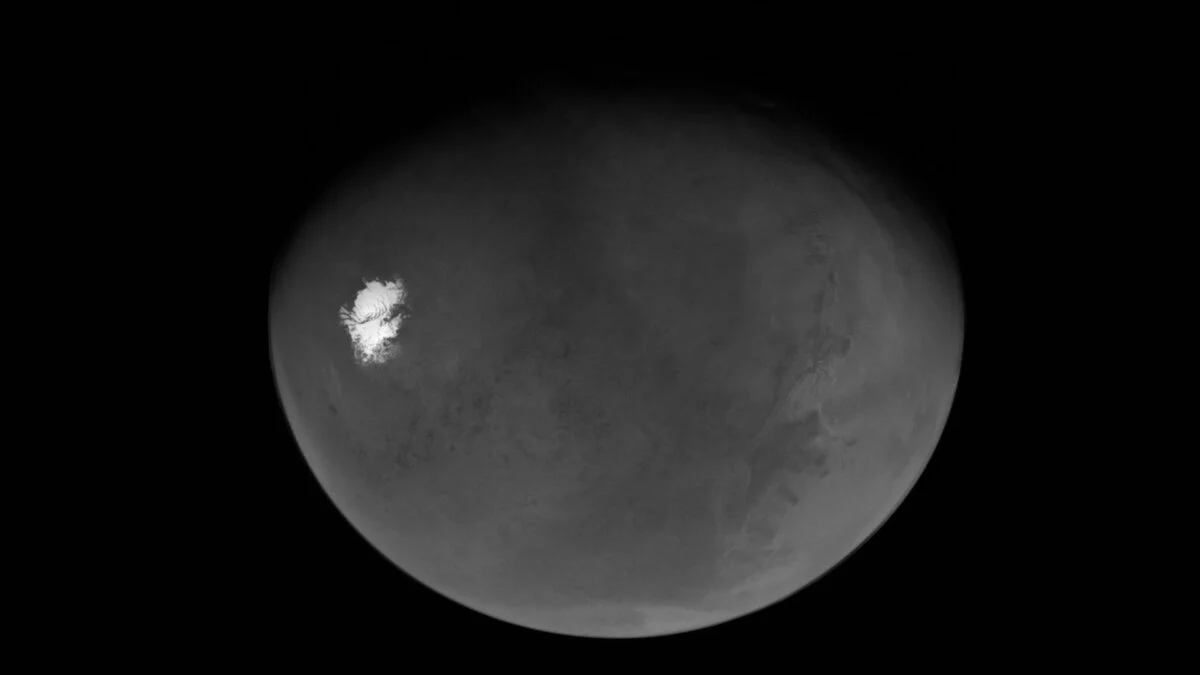
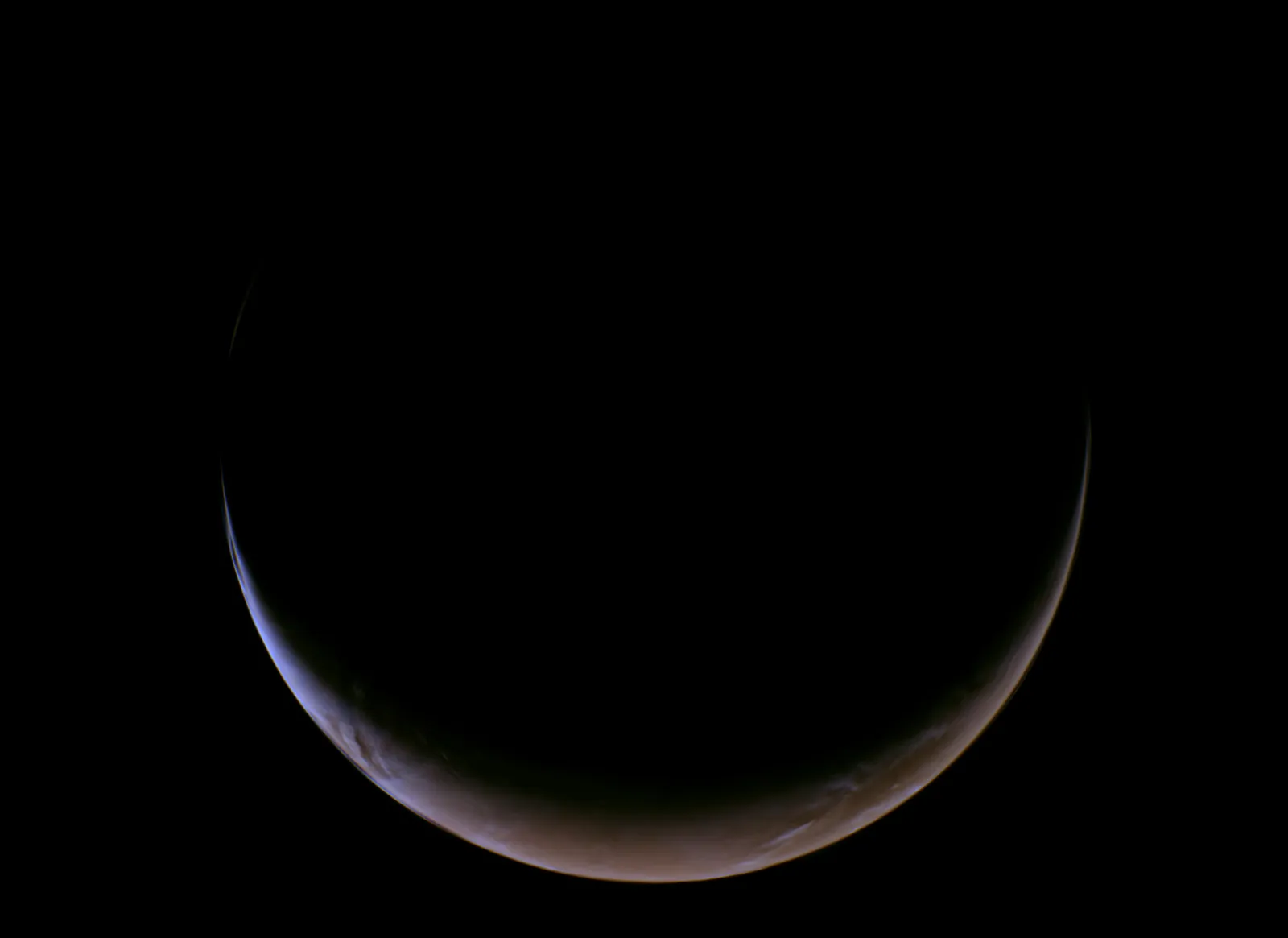
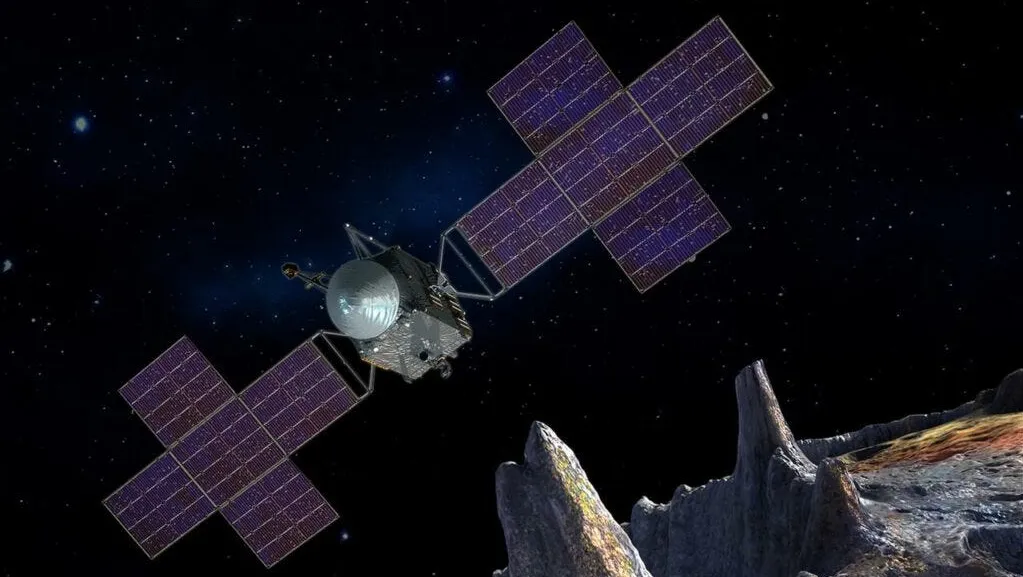
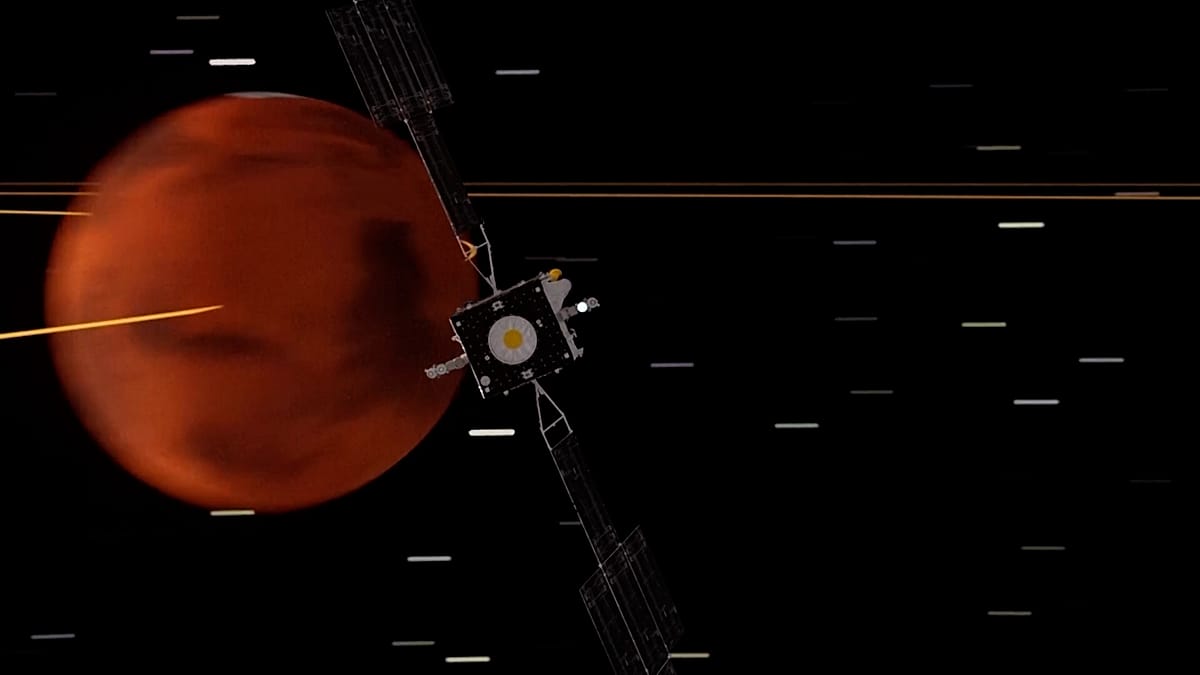
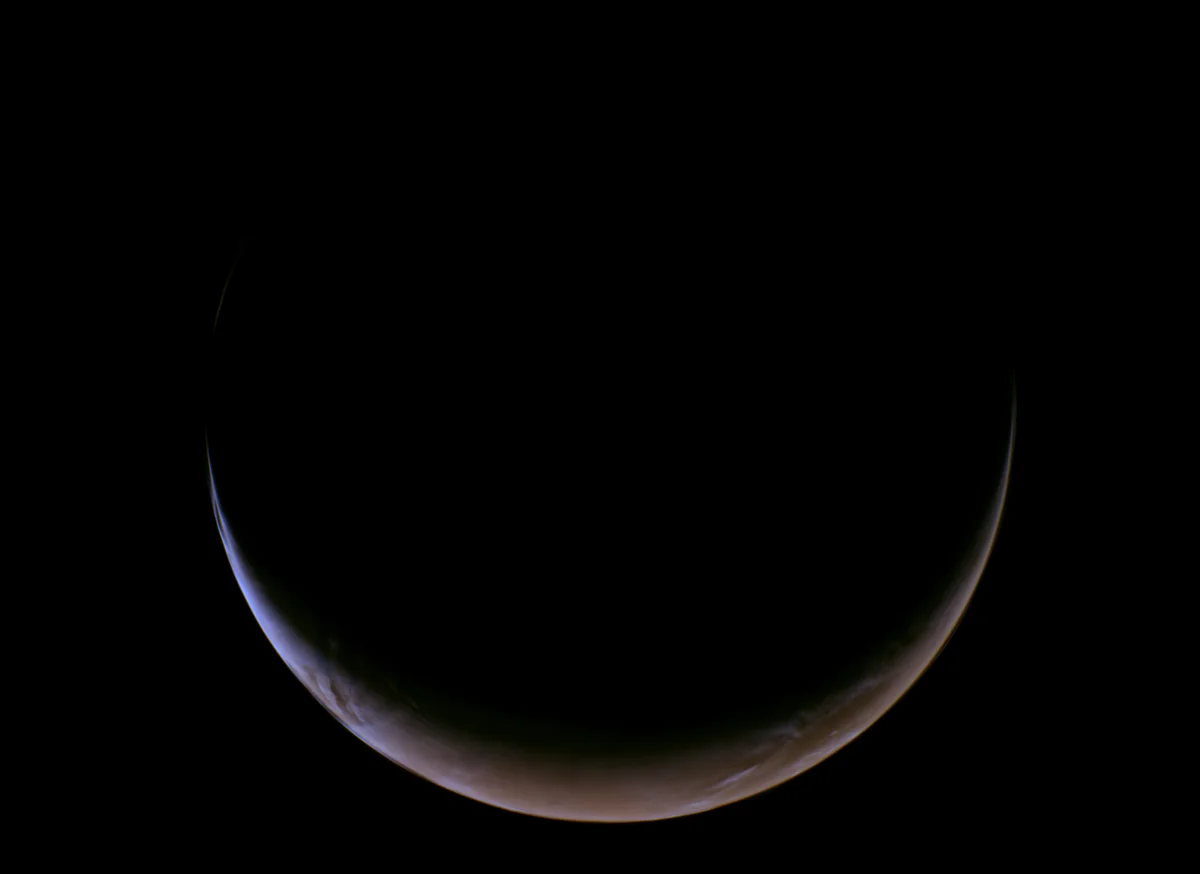
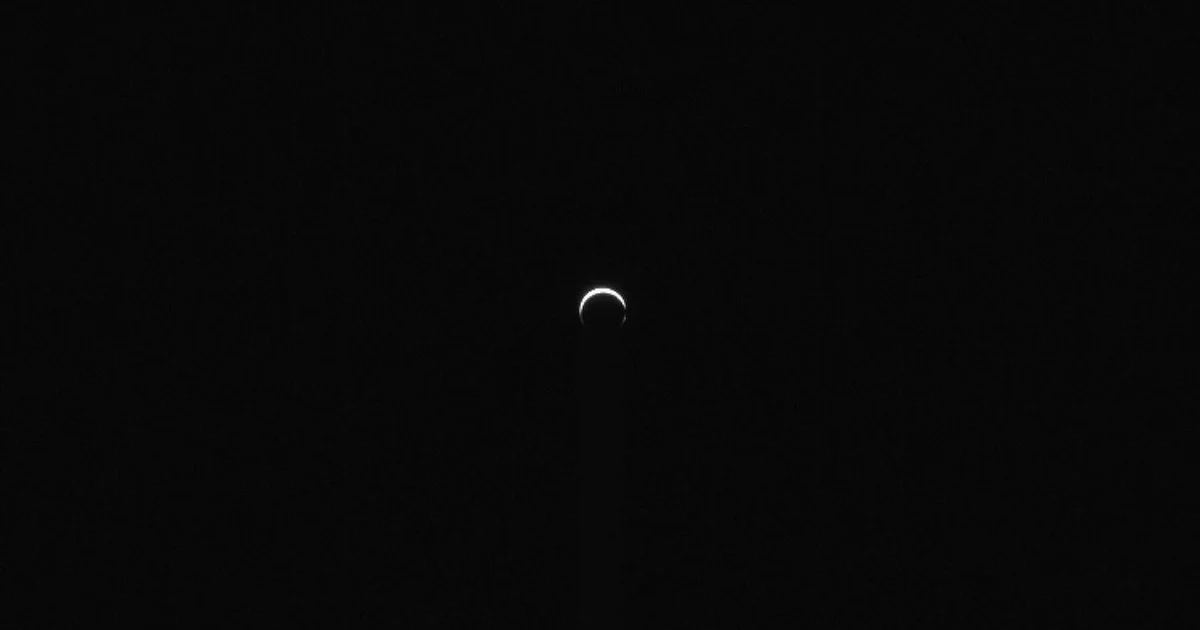
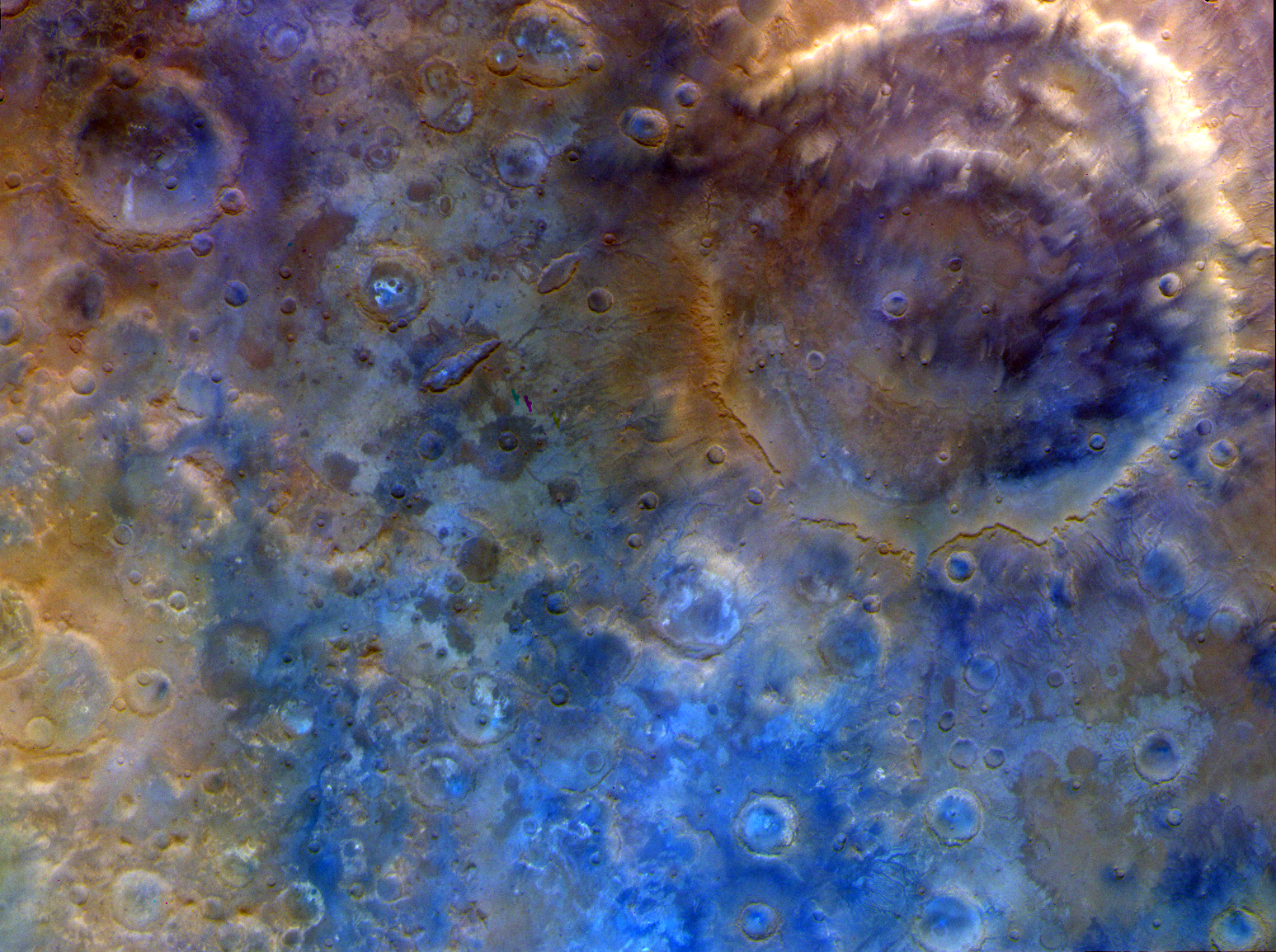
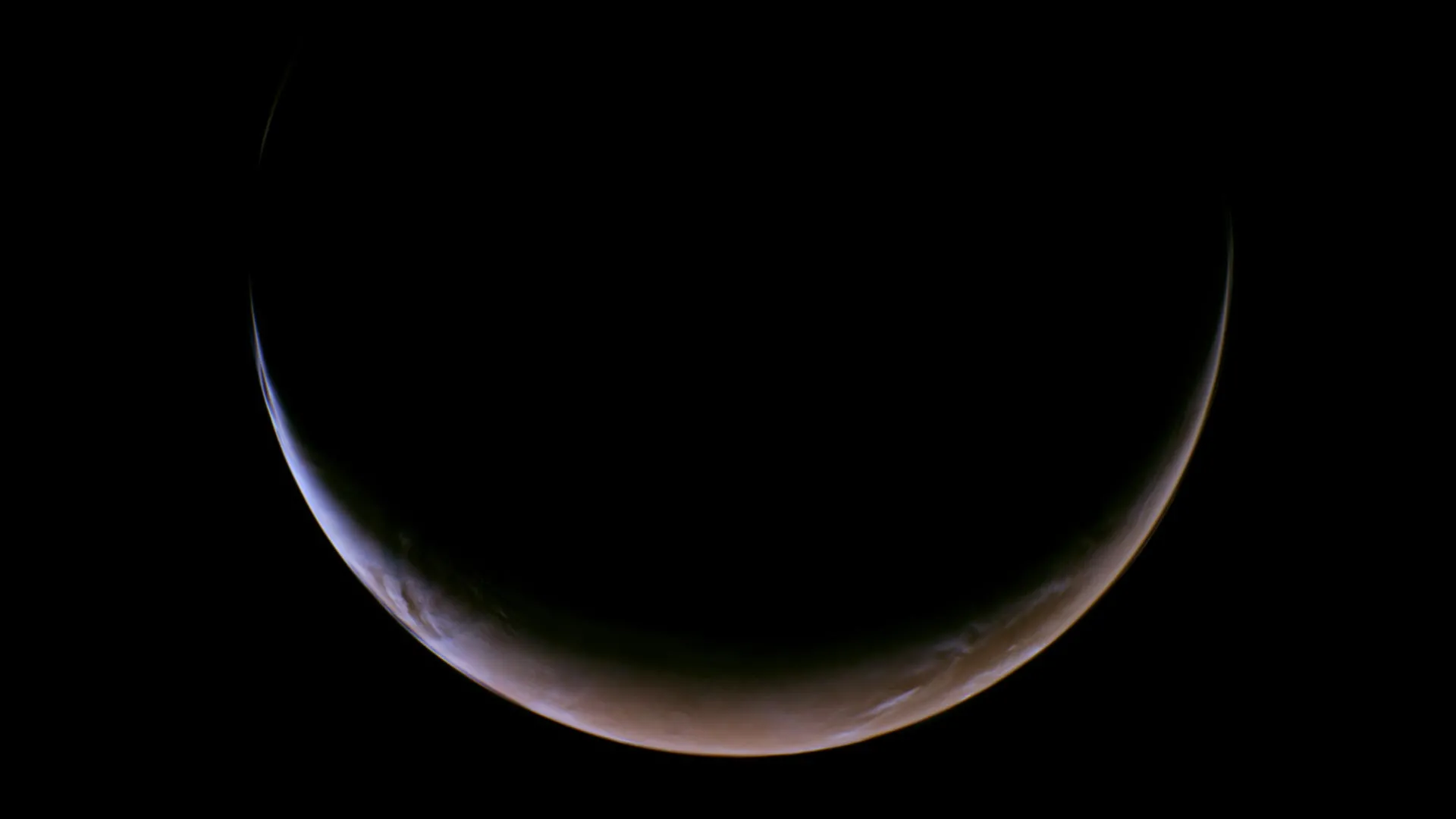
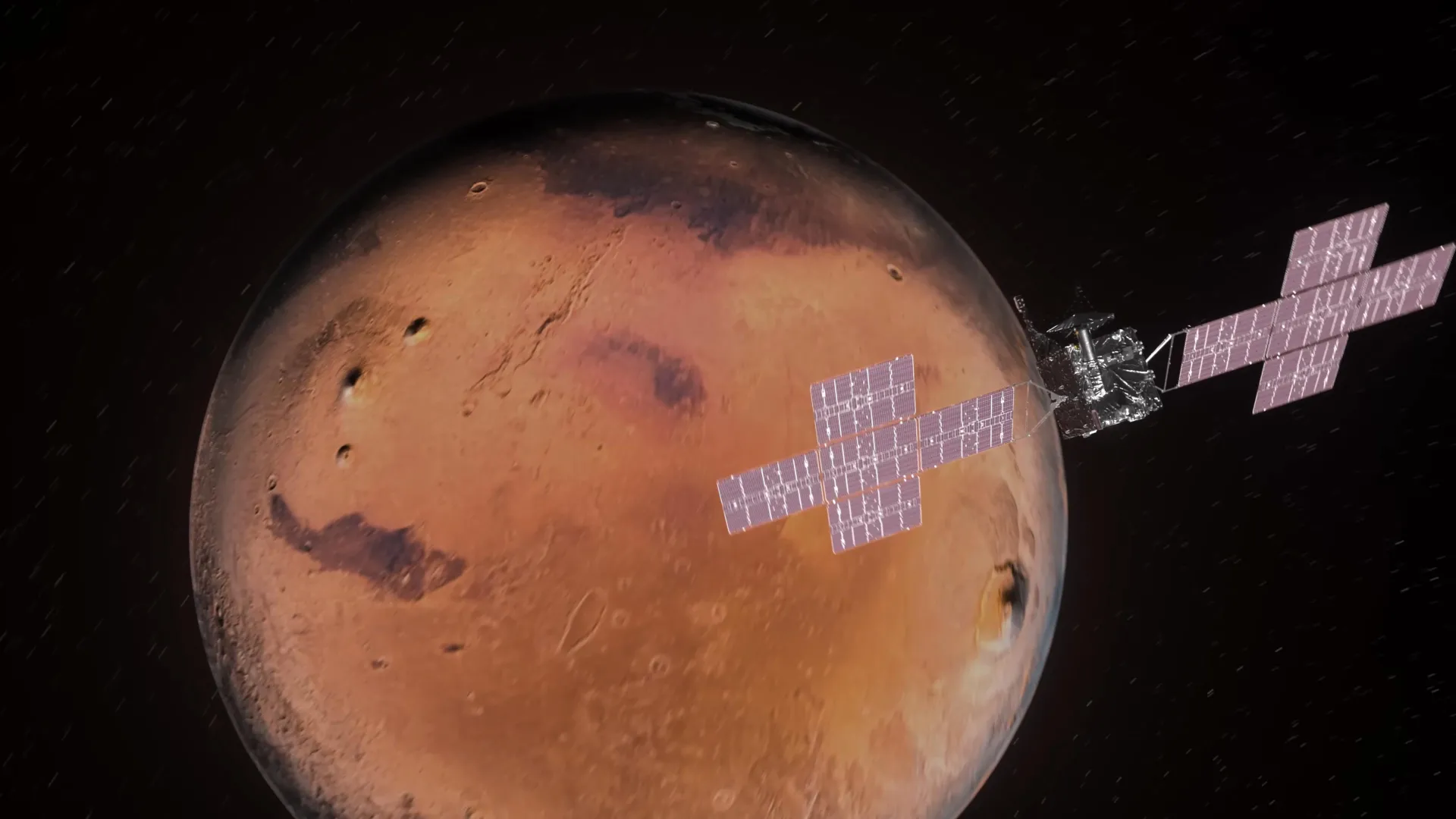
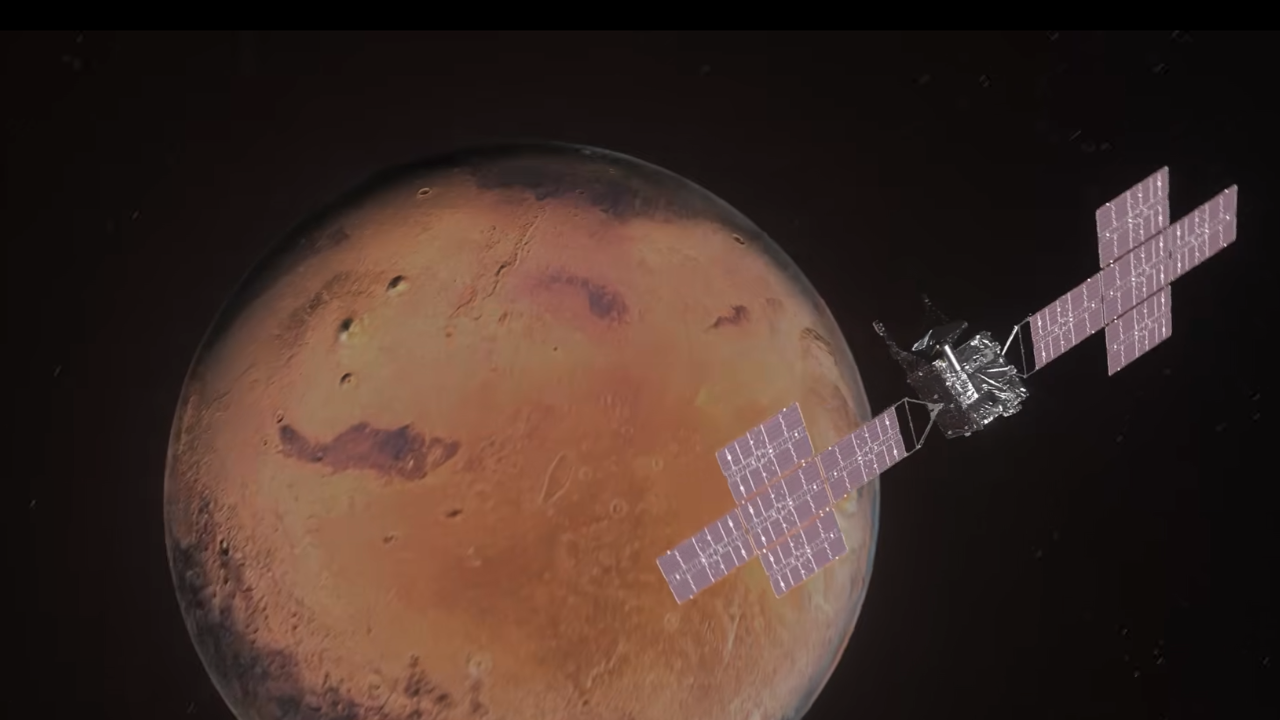
NASA's Psyche spacecraft flew by Mars on Friday (May 15), diving closer to the Red Planet than either of its tiny moons. But the precisely timed maneuver was not designed to study Mars,On Friday, Psyche hurtled past the planet at roughly 12,333 mph (19,848 kph), according to NASA. The flyby boosted Psyche's speed and, more importantly, shifted its trajectory toward its destination, the asteroid 16 Psyche, which orbits the sun between Mars and Jupiter.Scientists believe the 173-mile-wide (280 km) space rock may be the exposed metallic core of a shattered protoplanet — a primordial building block of the rocky worlds whose outer crust and mantle were likely stripped away in catastrophic collisions billions of years ago. If so, the mission could offer humanity its first direct glimpse of material normally buried deep inside planets like Earth.A Mars assistFriday's flyby marked one of the mission's most important milestones, conserving precious fuel while placing the spacecraft on course to reach the asteroid in 2029.The maneuver was an example of one of the most important techniques in modern spaceflight known as the gravity assist. By carefully flying past a moving planet, spacecraft can gain speed, alter direction and conserve propellant, allowing missions to travel farther and faster than rockets alone would permit.The concept can seem almost counterintuitive, as though spacecraft are somehow getting energy for free. A spacecraft accelerates as it falls toward a planet, then slows again while climbing back out of the planet's gravity well. Intuitively, those gains and losses should cancel each other out.What makes the maneuver possible, however, is not simply the planet's gravity, but the planet's own motion around the sun.Mars is hurtling through space carrying enormous momentum as it orbits the sun. By approaching the planet at a carefully calculated angle and departing in another, Psyche effectively stole a tiny fraction of that orbital energy.The exchange follows Newton's Third Law — every action has an equal and opposite reaction — as the spacecraft gains momentum by borrowing an infinitesimally small amount from Mars, a transfer imperceptible to the planet but transformative for the mission.