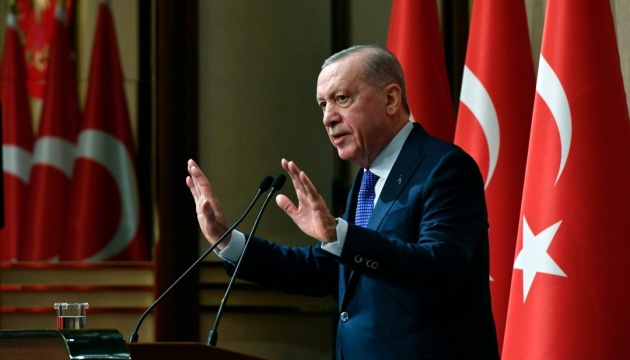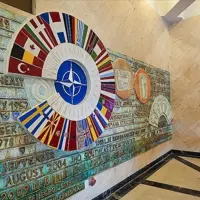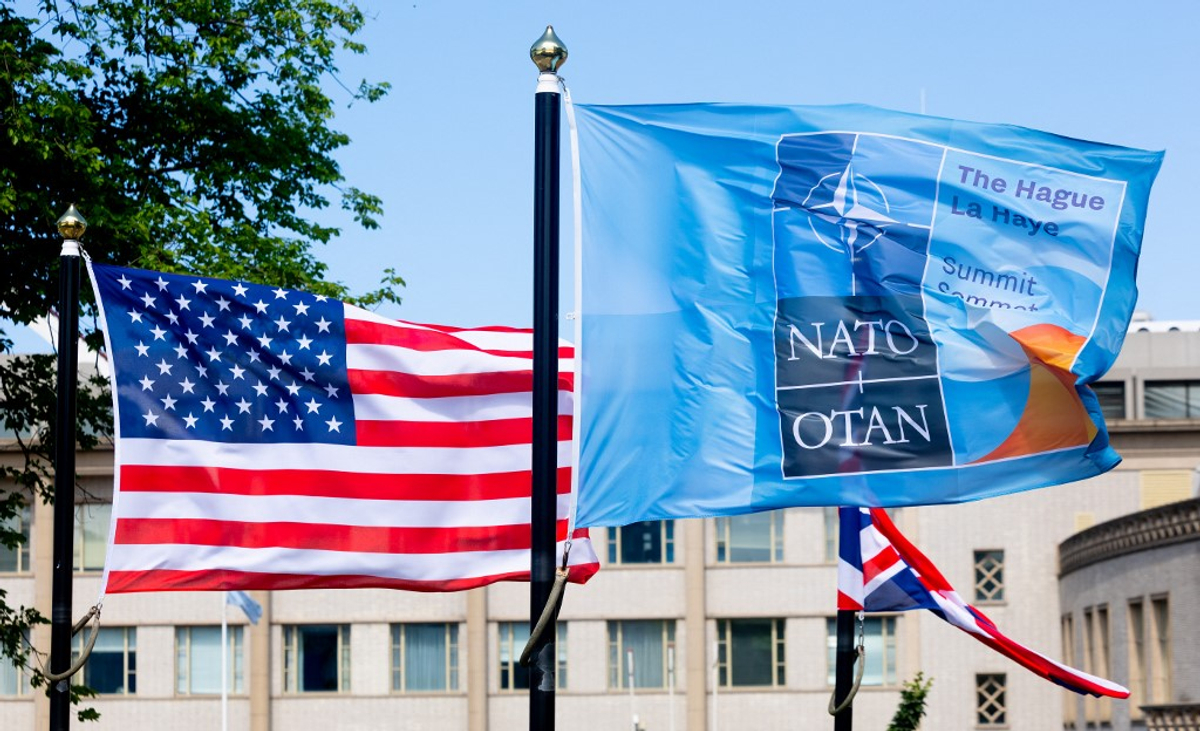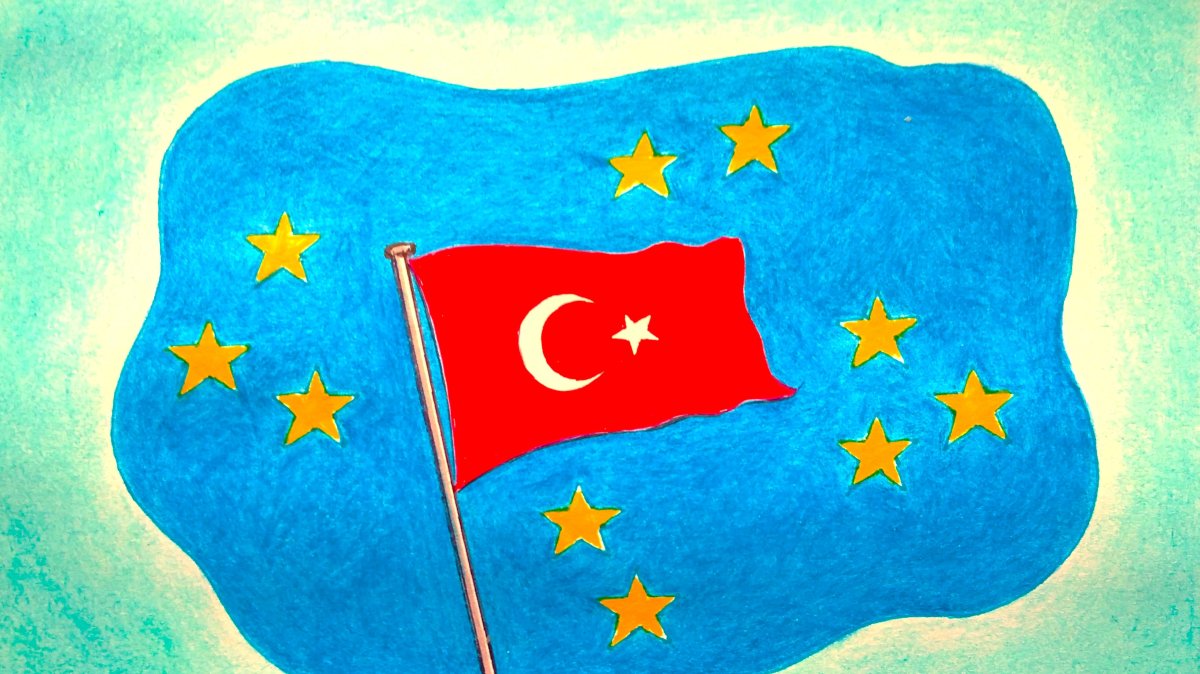
Türkiye will host a historic NATO summit in Ankara on July 6-7. Yet despite the magnitude of this moment, there remains a narrow-minded tendency in parts of Europe to analyze Türkiye-West relations through outdated frameworks inherited from the Cold War and early post-Cold War years. That intellectual laziness increasingly prevents European policymakers and observers from understanding the strategic transformation taking place before their eyes.
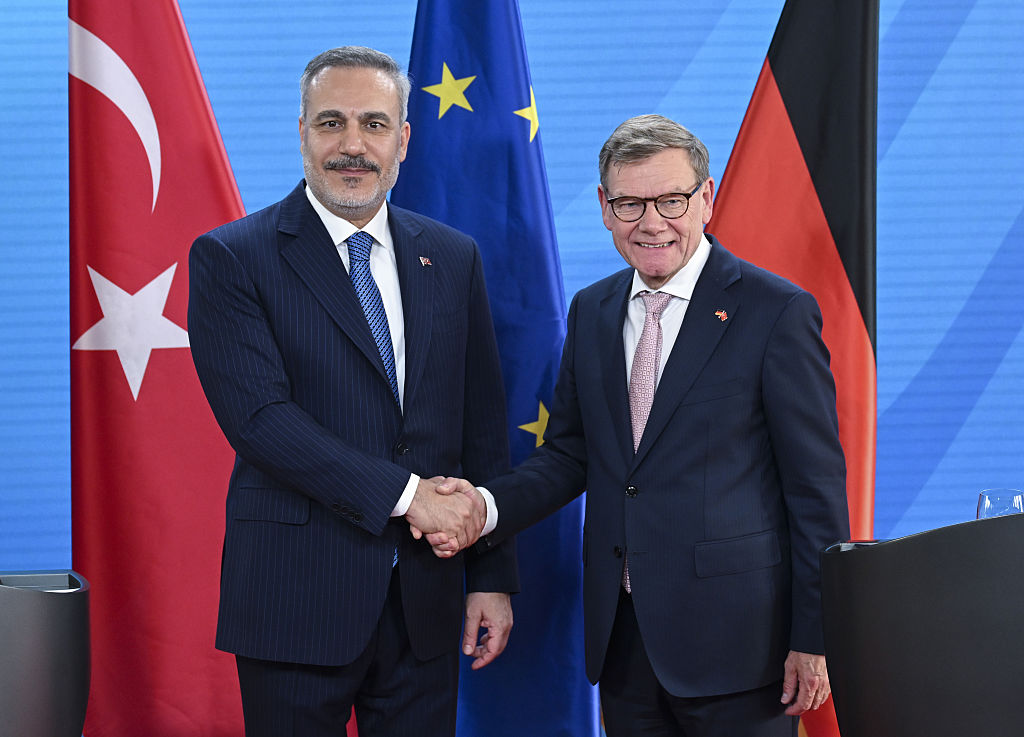
Türkiye-Europe relations have changed so profoundly that they can no longer be interpreted through the old hierarchical lens in which one side “gives” and the other side “receives.” The relationship today is no longer paternalistic, normative or one-directional. It is increasingly transactional, strategic and shaped by hard geopolitical realities.
The upcoming NATO summit in Ankara itself symbolizes this transformation.
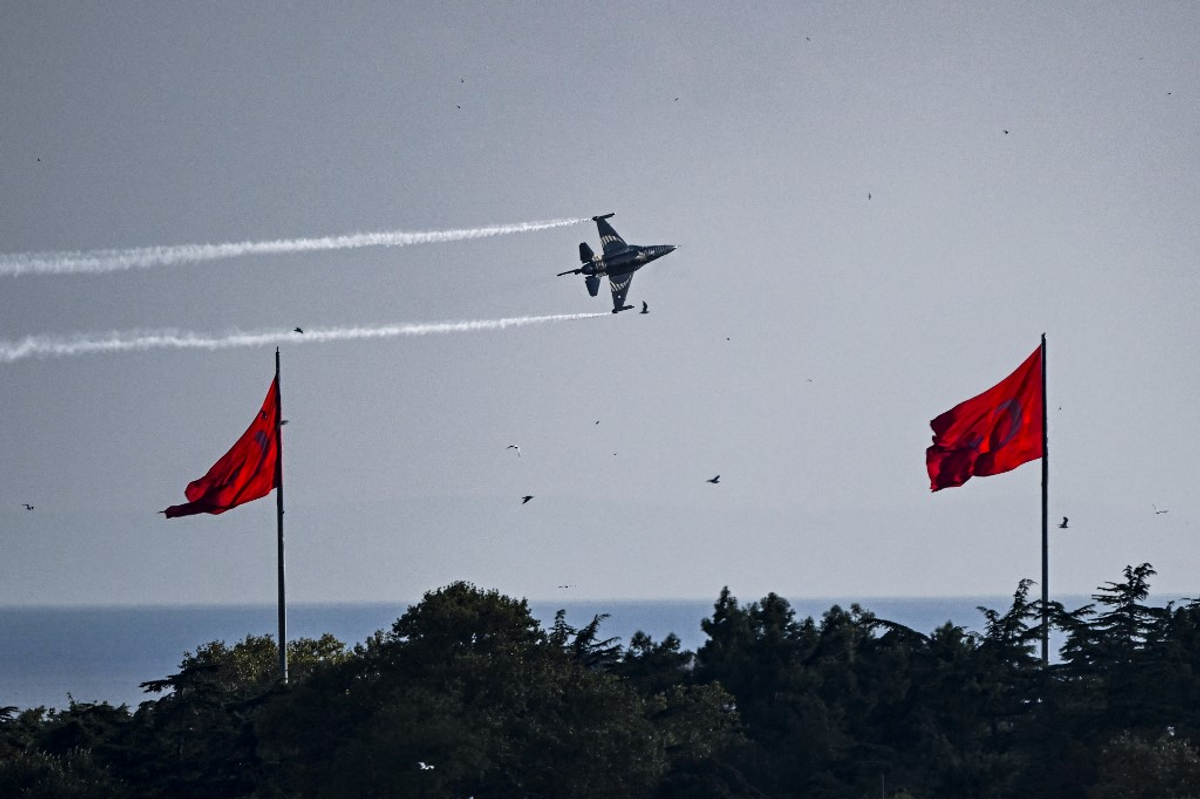
Türkiye’s growing defense partnerships with several European countries, its expanding geopolitical engagement in Africa and the Middle East and its increasing strategic autonomy all point to a new reality: Ankara is no longer merely reacting to the international system. It is actively shaping it.
At the same time, Europe itself has transformed. The continent is more fragmented, more insecure and strategically less coherent than before. If one fails to understand this European transformation, it becomes impossible to contextualize the true implications of a NATO summit hosted by Türkiye.