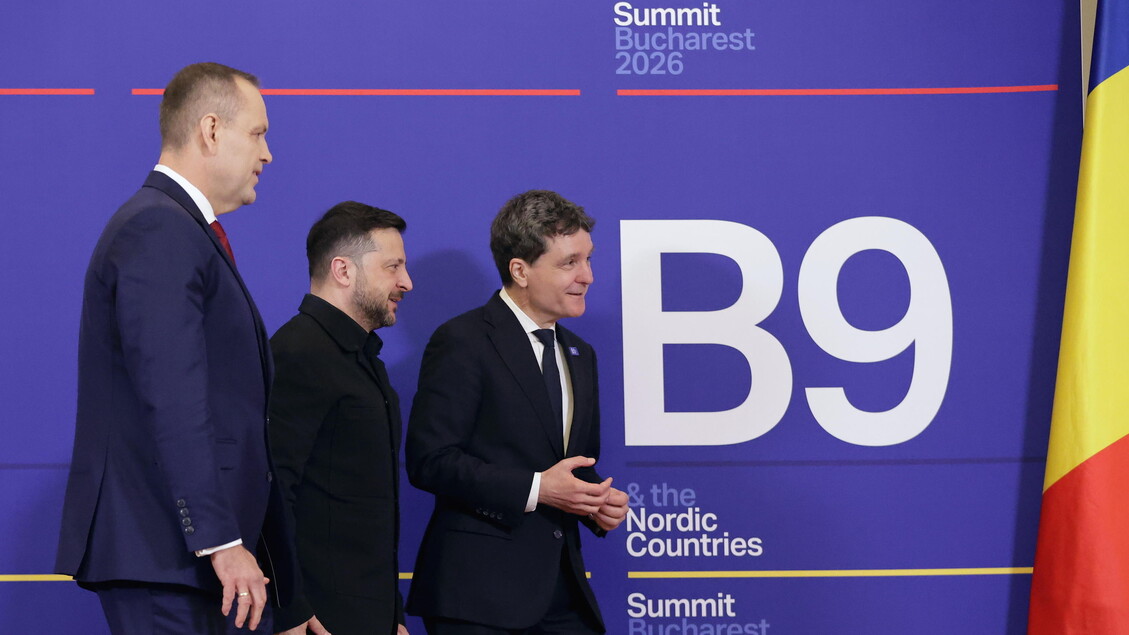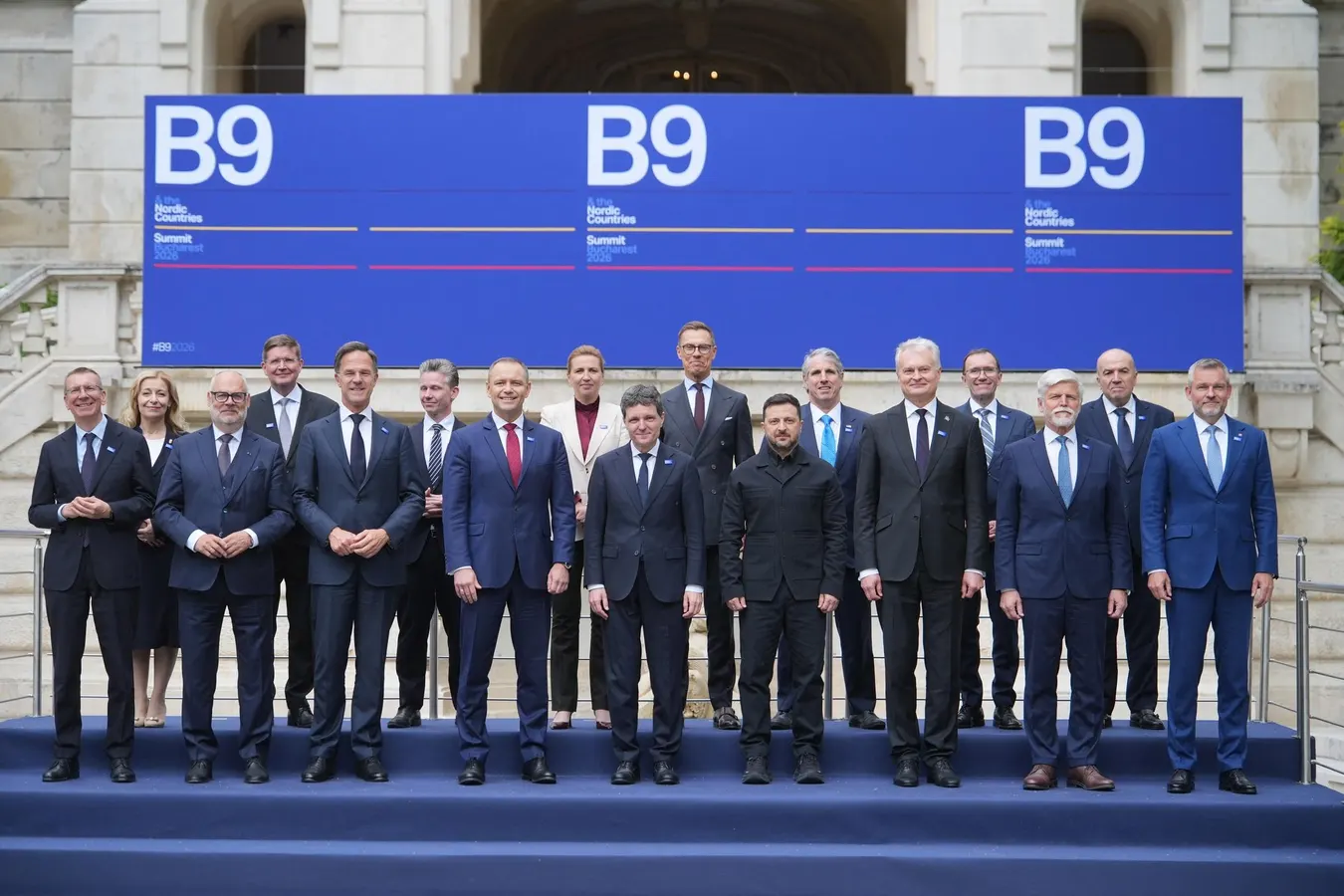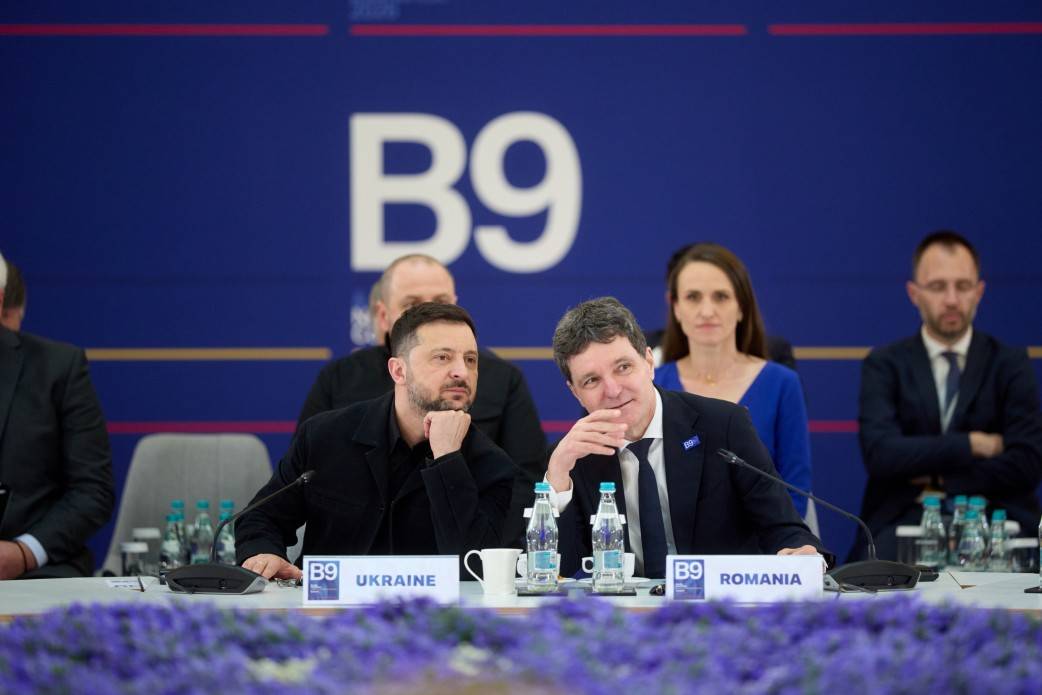
BUCHAREST—The growing strategic relevance of NATO’s eastern and northern flanks was on display last week, as Romania hosted the Bucharest Nine (B9) and Nordic Allies Summit.
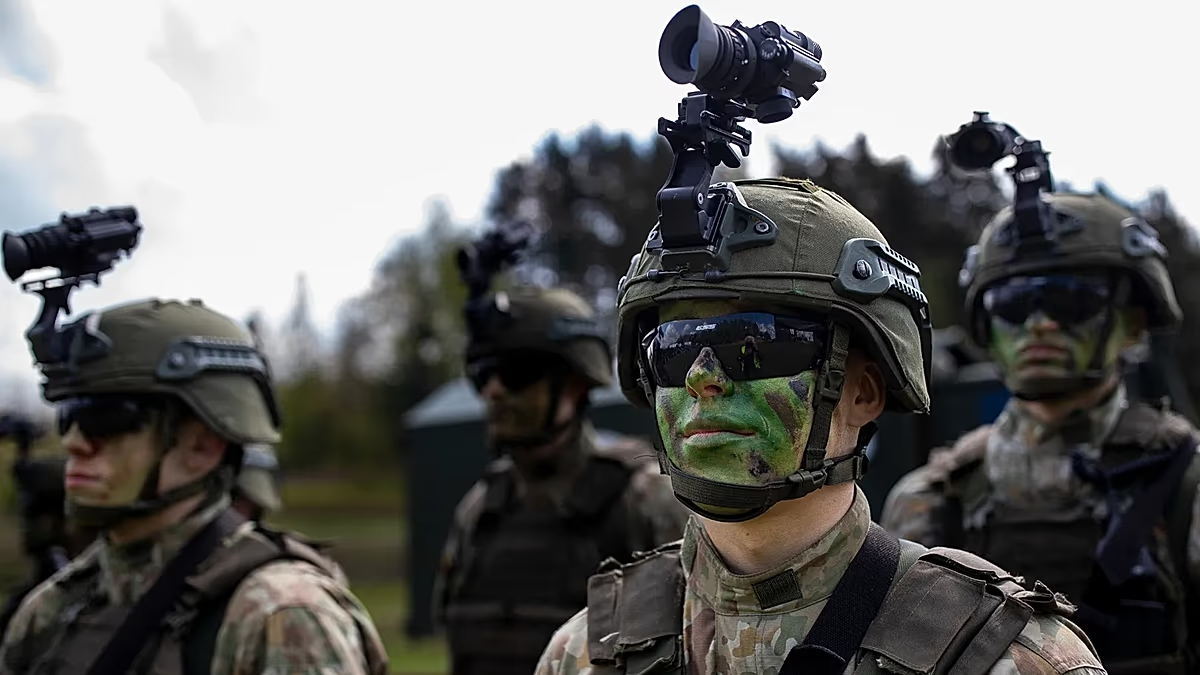
Held in Bucharest at a moment of sustained military pressure from Russia against Ukraine and heightened concerns regarding hybrid threats, airspace violations, critical infrastructure vulnerability, and long-term deterrence, the summit brought together leaders from Central and Eastern Europe, Nordic partners, NATO Secretary General Mark Rutte, and Ukrainian President Volodymyr Zelenskyy. The broader political message emerging from the summit was clear: NATO’s eastern flank is no longer operating as a peripheral security zone but increasingly as one of the Alliance’s strategic centers of gravity.
For Romanian President Nicușor Dan, hosting the summit—a preparatory meeting ahead of July’s NATO Summit in Ankara—carried both strategic and political significance, as Bucharest faces internal political instability with a frail government led by Ilie Bolojan that lost a vote of confidence in parliament two weeks ago.
Strategically, Bucharest reinforced its role as a key platform for regional coordination on security and defense issues. Since the creation of the B9 format in 2015 by Romania and Poland following Russia’s annexation of Crimea, the initiative has evolved from a consultation mechanism into an increasingly influential political framework inside NATO. The participation of Nordic allies this year reflected the emergence of a more integrated northern-eastern security architecture stretching from the Arctic and Baltic regions to the Black Sea.