(Image credit: Samsung)
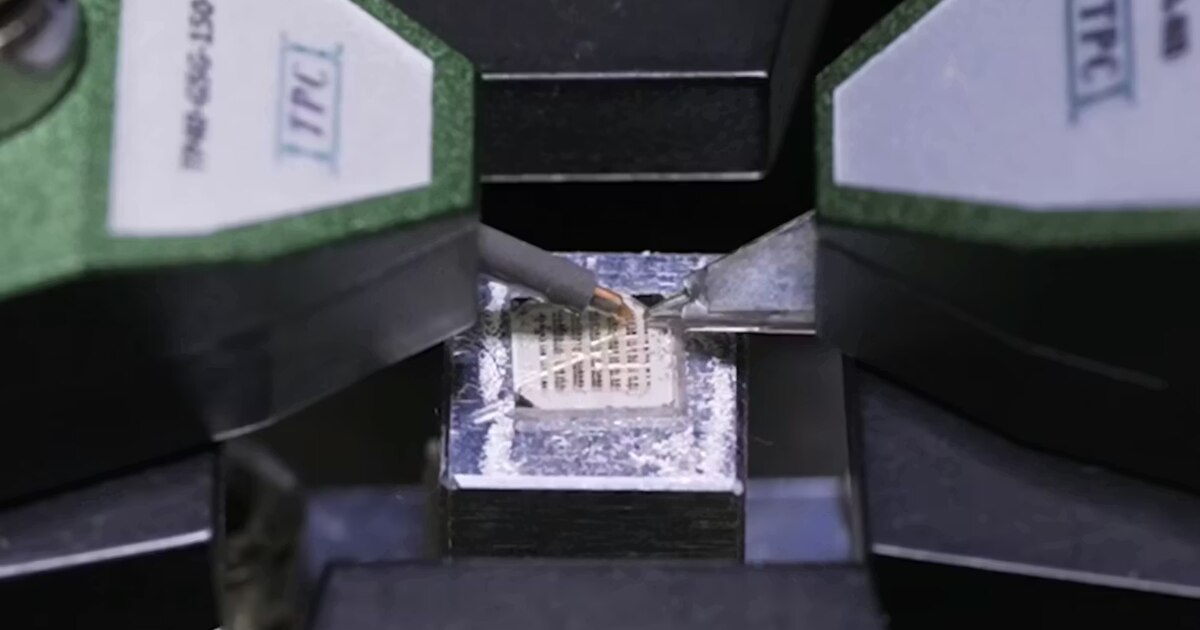
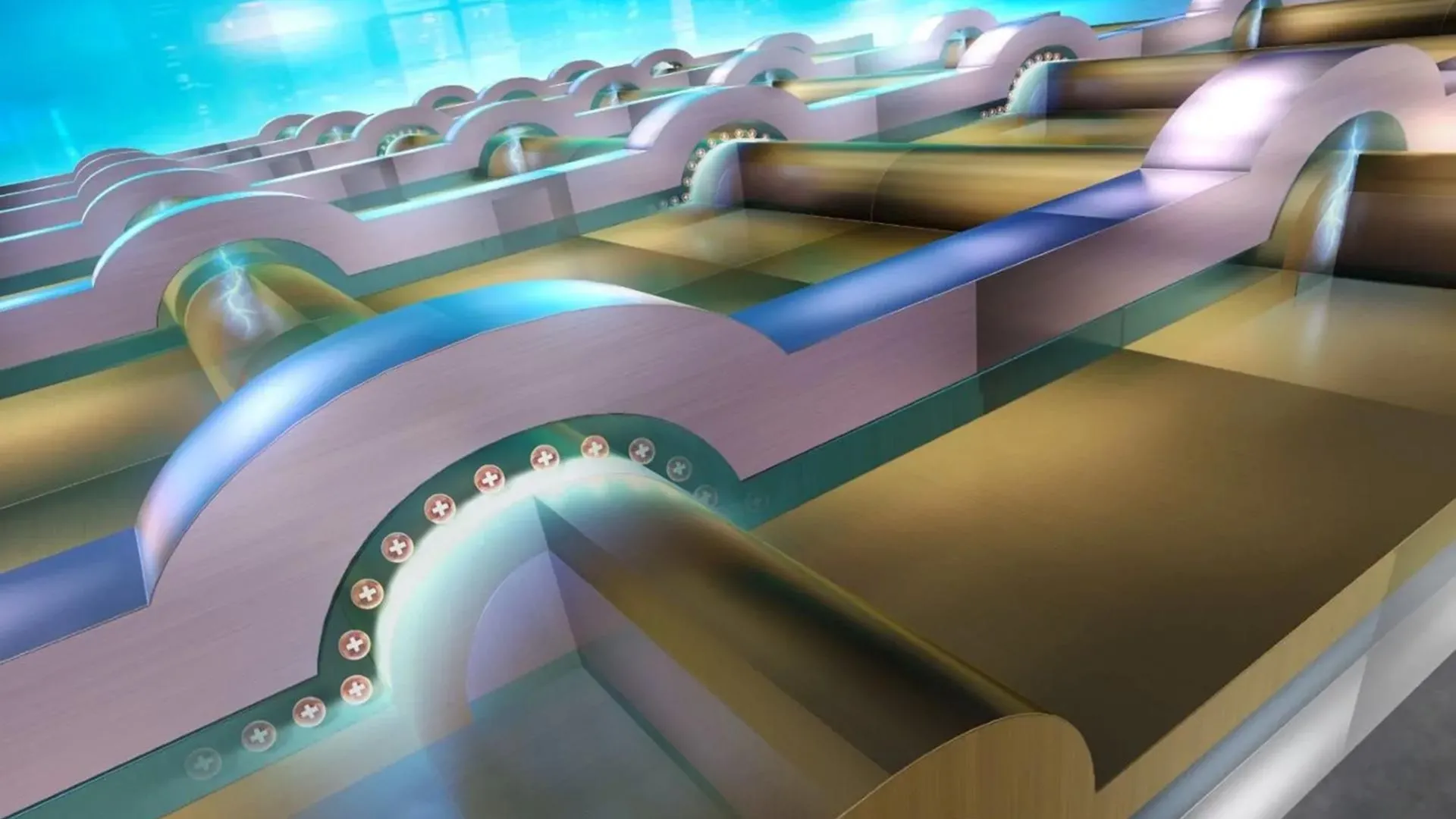
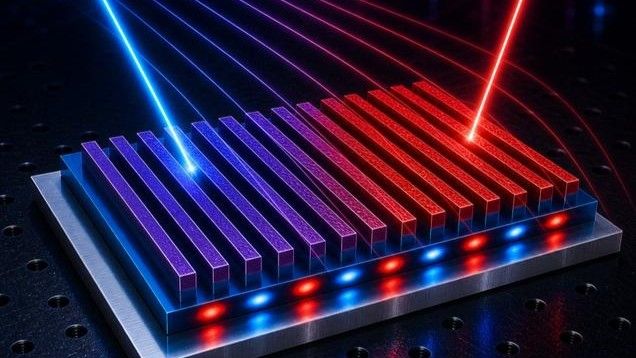
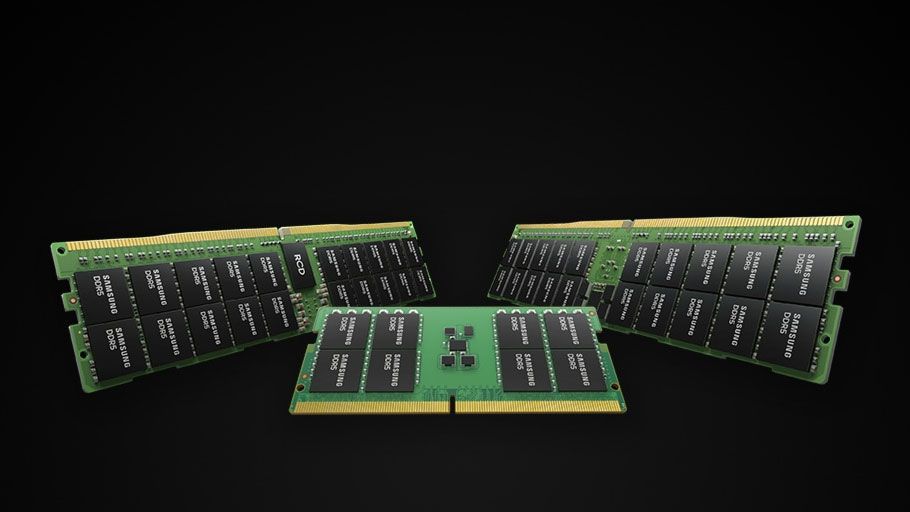
Researchers at the University of Tokyo say they have demonstrated a non-volatile magnetic switching device capable of flipping states in just 40 picoseconds while consuming unusually little power and generating far less heat than many previous ultrafast switching approaches — potentially addressing one of the biggest problems facing modern AI hardware: the enormous energy and cooling demands created by moving and storing data.The researchers built the device using an antiferromagnetic material called manganese-tin (Mn₃Sn), then showed that ultrashort electrical pulses could reliably switch its magnetic state while retaining the stored information after power removal. They also demonstrated similar switching using ultrafast photocurrent pulses generated from a telecom-band laser and photodiode, effectively converting optical signals directly into memory-writing electrical pulses.At its most fundamental level, modern computing is really the science of switching physical states. Every operation inside a computer — whether running a game, training an AI model, opening a browser tab, or loading a file from storage — ultimately involves billions or trillions of tiny physical state changes. Transistors switch on and off, memory cells charge and discharge, cache states update, data moves through interconnects, and storage cells trap or release electrons.Current memory technologies all handle switching differently, but each comes with major tradeoffs. DRAM — the main system memory used in PCs, servers, and GPUs — stores information as electrical charge inside tiny capacitors. A charged capacitor represents one state, while a discharged capacitor represents another. However, those capacitors constantly leak charge, meaning the system must repeatedly refresh the memory cells thousands of times per second simply to preserve data. That constant re-switching consumes significant power and generates heat, even when systems are relatively idle.Get Tom's Hardware's best news and in-depth reviews, straight to your inbox.Conventional magnetic memories typically use ferromagnets — materials such as iron, cobalt, or nickel in which magnetic moments align in the same direction. The new device instead uses an antiferromagnetic material called Mn₃Sn, where neighboring magnetic moments largely cancel one another out.The researchers fabricated layered Mn₃Sn/Ta structures on silicon substrates and then used ultrafast electrical pulses to flip the material between two stable magnetic configurations, representing binary states.The team's device reportedly achieved switching in just 40 picoseconds — roughly 1,000 times faster than typical nanosecond-scale memory switching. Normally, pushing switching speeds into the picosecond regime causes heat generation to spike dramatically, as systems often rely partly on intense transient heating to destabilize states quickly enough for reversal.However, simulations in one device configuration showed temperature rises of only about 8 K (14.4°F) during switching, supporting the researchers' claim that the mechanism relies primarily on direct angular-momentum transfer rather than brute-force thermal switching. This also confirms that the Mn₃Sn device may avoid much of the heat problem that has plagued earlier ultrafast memory research.