Michael Strevens
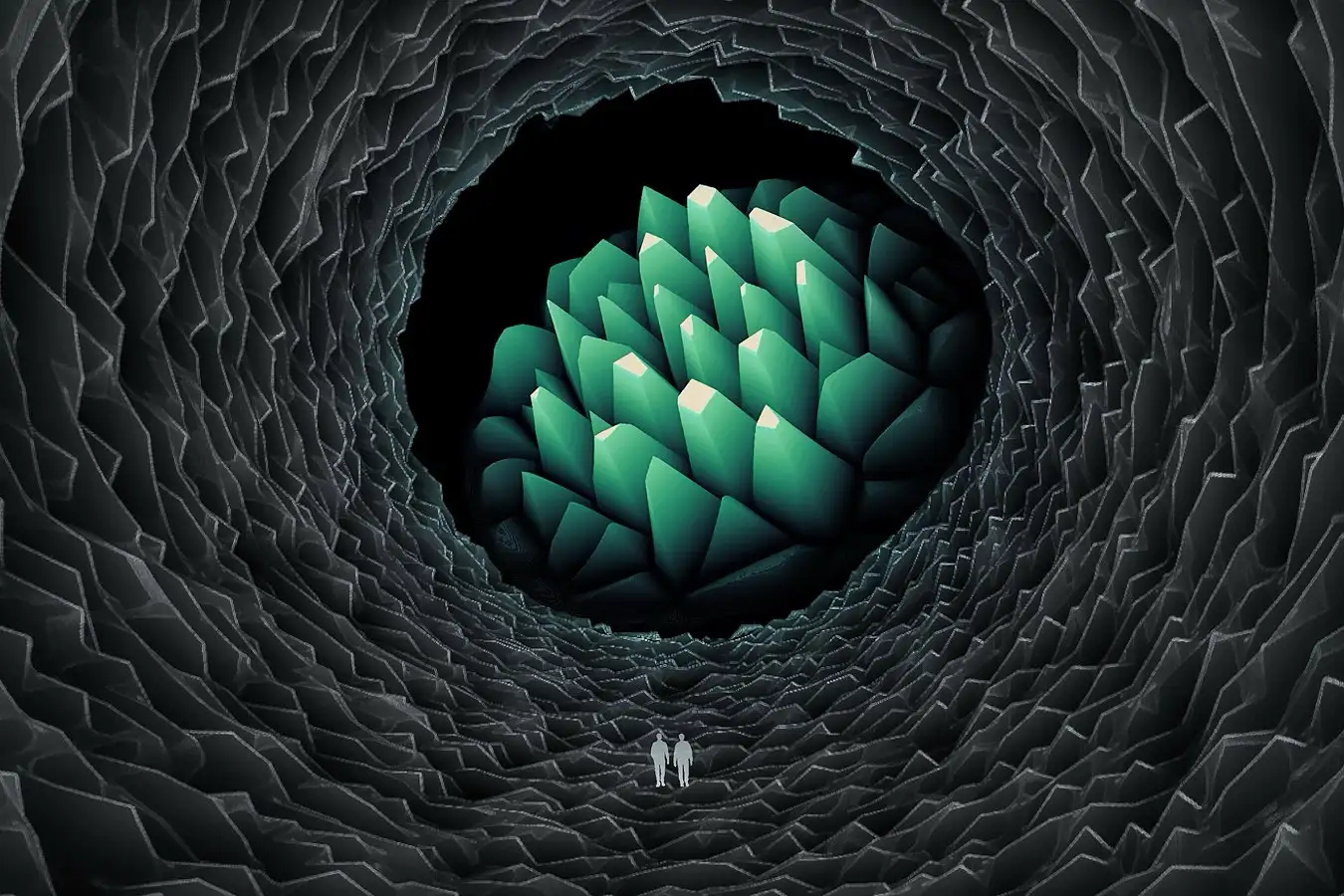
For minerologists, a mine is an invitation. The earth has been broken open, its veins laid bare – and those who enter hope to find unknown wonders. In the 1970s, Kali Kafi mine near the small Iranian town of Anarak fulfilled that hope. There, among the dusty desert rocks, Joachim Otteman and Darius Adib saw a bluish-green glow.
They took samples of the glassy mineral and analysed its structure back in the lab. What they knew was that this geological species had never been catalogued – they named it anarakite, and it lay forgotten for decades. What they didn’t know was that the emerald glow they unearthed may have been hiding a remarkable quantum secret.
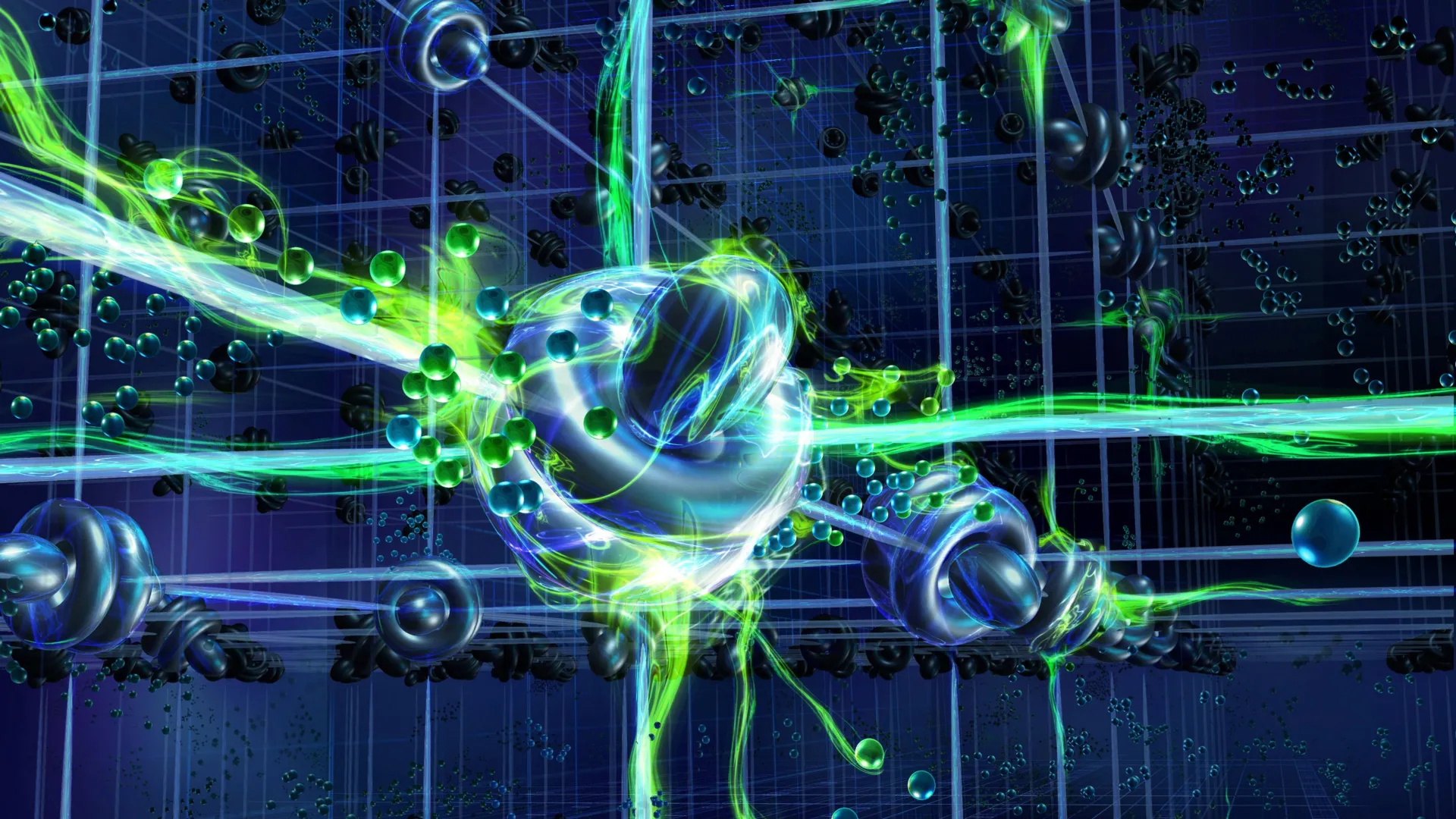
This isn’t any ordinary rock. Anarakite – later renamed herbertsmithite – could be a rare type of matter known as a quantum spin liquid (QSL). Whether these occur naturally is hotly debated, but if the physicists who think they can are right, nature could be creating highly entangled states. Physicists know how to create entanglement, too, but only in limited ways, such as entangling particles of light or ultracold atoms. Entangling particles within a chunk of stuff has so far eluded them.
Minerals like herbertsmithite suggest quantum entanglement might not be something we must make, but something that just exists naturally, which we could potentially use to push quantum computers into a new realm of usefulness.