Scientists have discovered that ancient rocks deep beneath Canada are naturally releasing hydrogen gas, offering new evidence that Earth itself may contain significant untapped sources of clean energy.
Researchers from the University of Toronto and the University of Ottawa studied the Canadian Shield, a vast region of some of the oldest rock formations on the planet. For the first time, they directly measured hydrogen escaping from these billion-year-old rocks, tracked how it builds up over time, and mapped where the gas is concentrated.
The findings, published in the Proceedings of the National Academy of Sciences, could help determine whether naturally occurring, or "white," hydrogen can become a practical and economical energy source. The work also introduces a new strategy for hydrogen exploration that may support efforts to reduce greenhouse gas emissions and expand clean energy options.
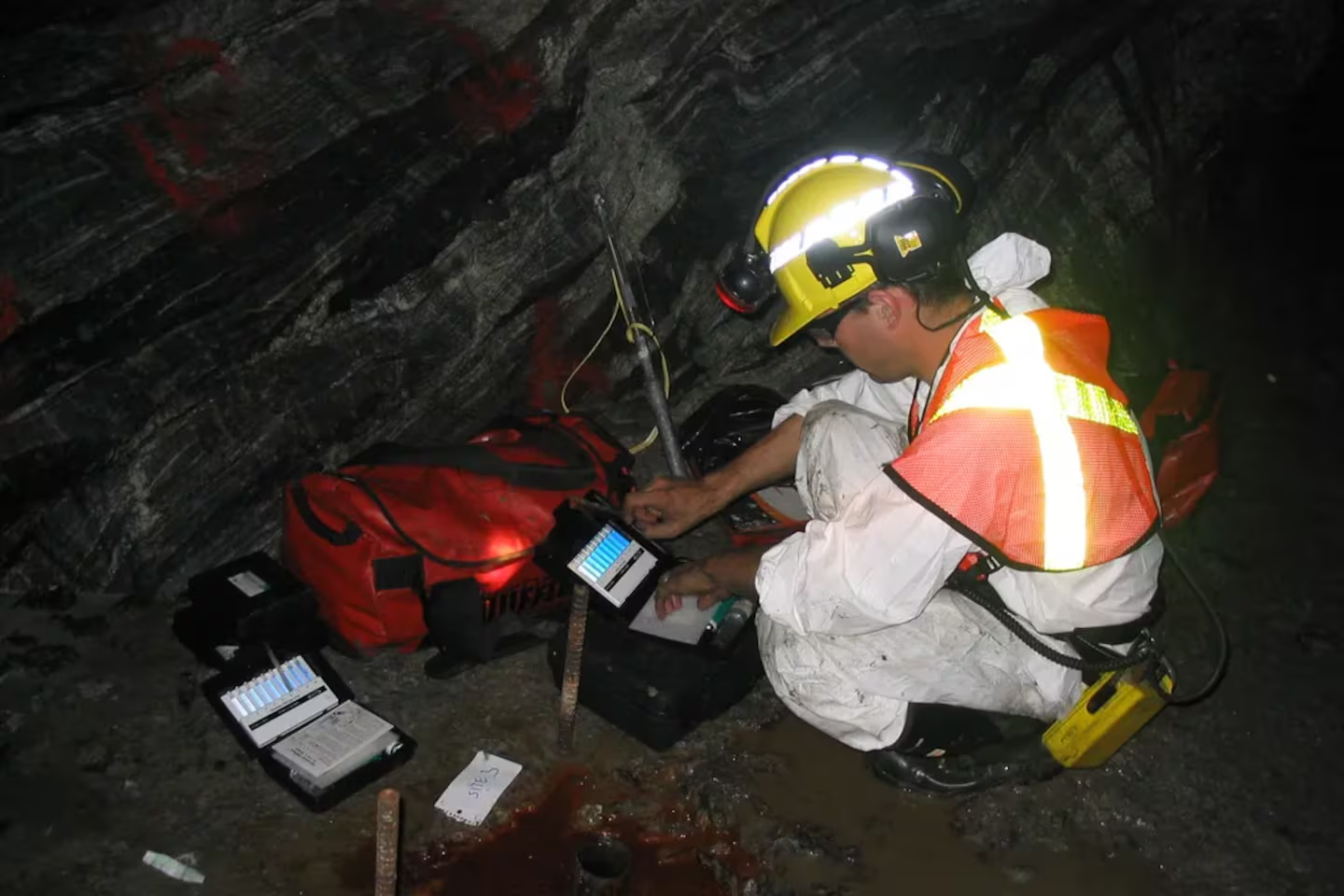
Hydrogen Flow Measured in Ontario Mine Boreholes
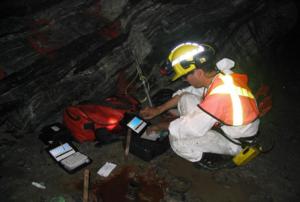
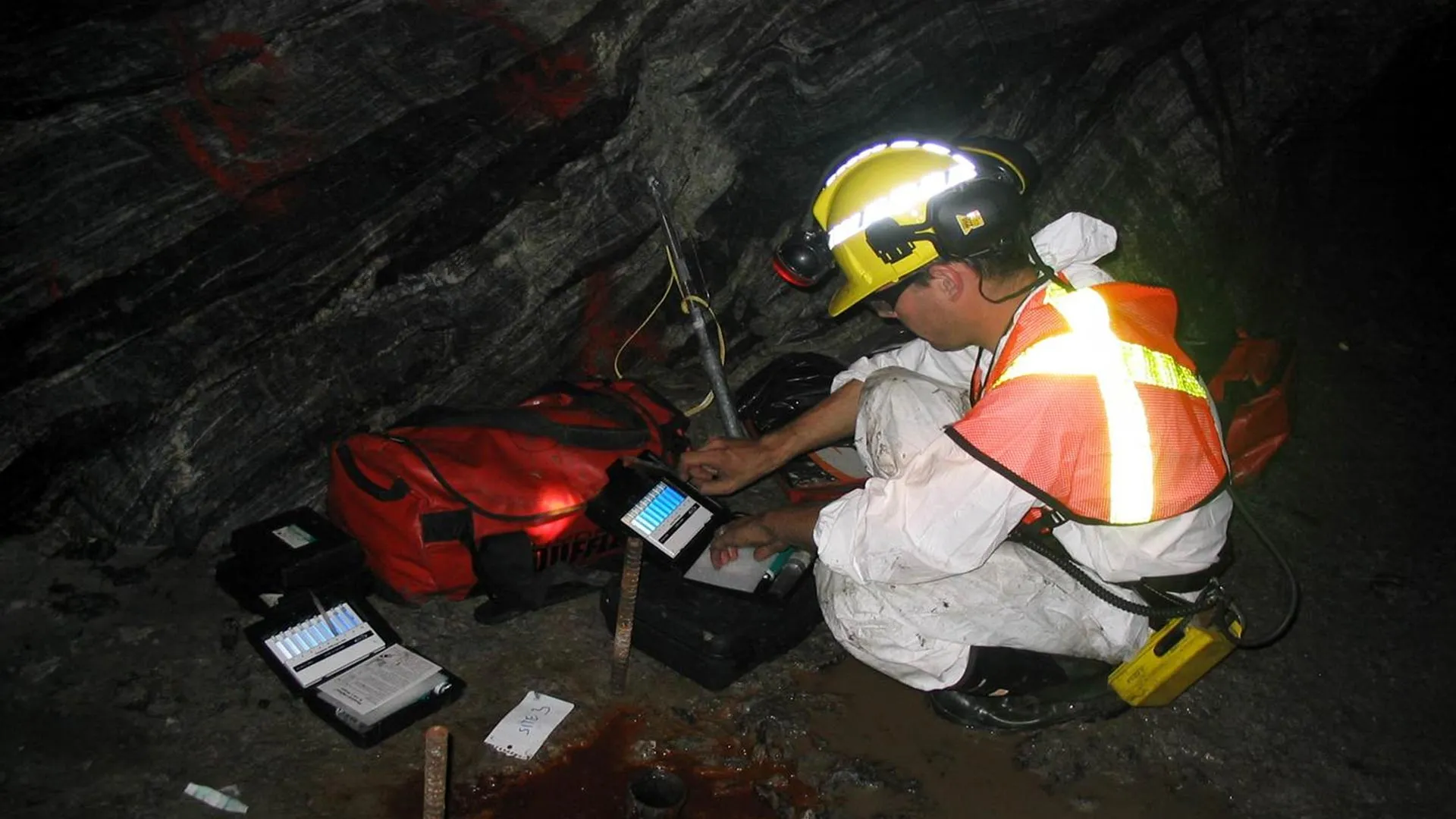
The researchers gathered data from an active mine near Timmins, Ontario. They found that boreholes drilled into the rock release an average of 0.008 tonnes of hydrogen each year, roughly 8 kilograms, which is about the weight of a typical car battery. According to the study, the gas can continue flowing for at least a decade.