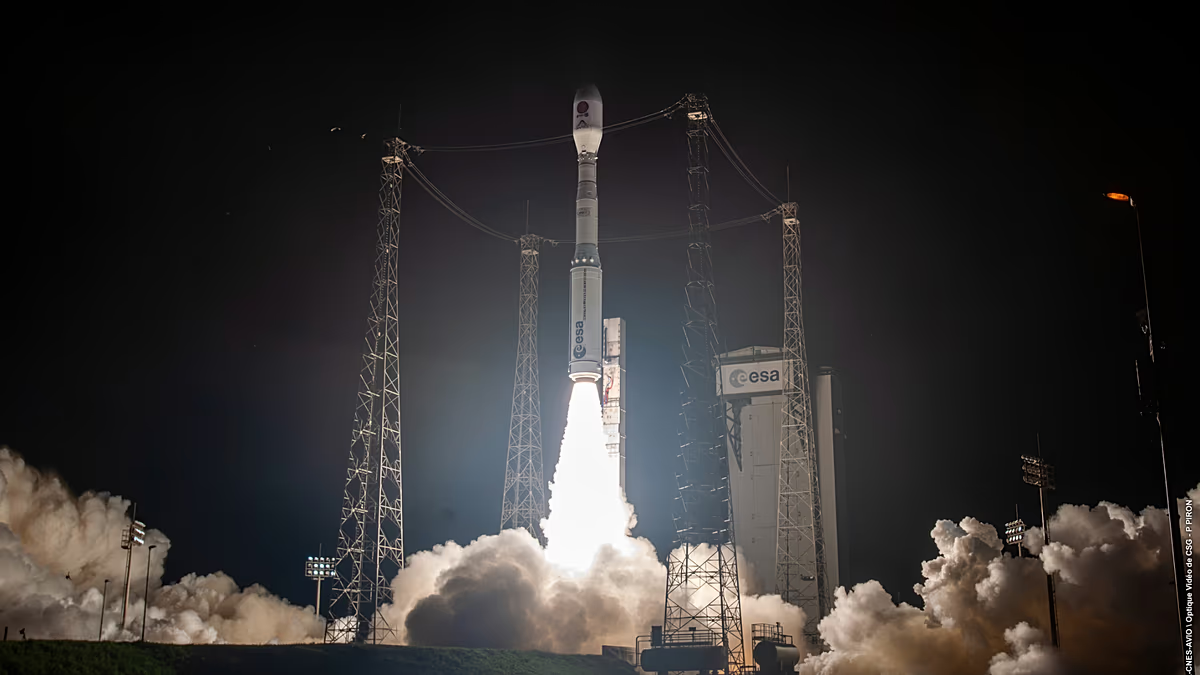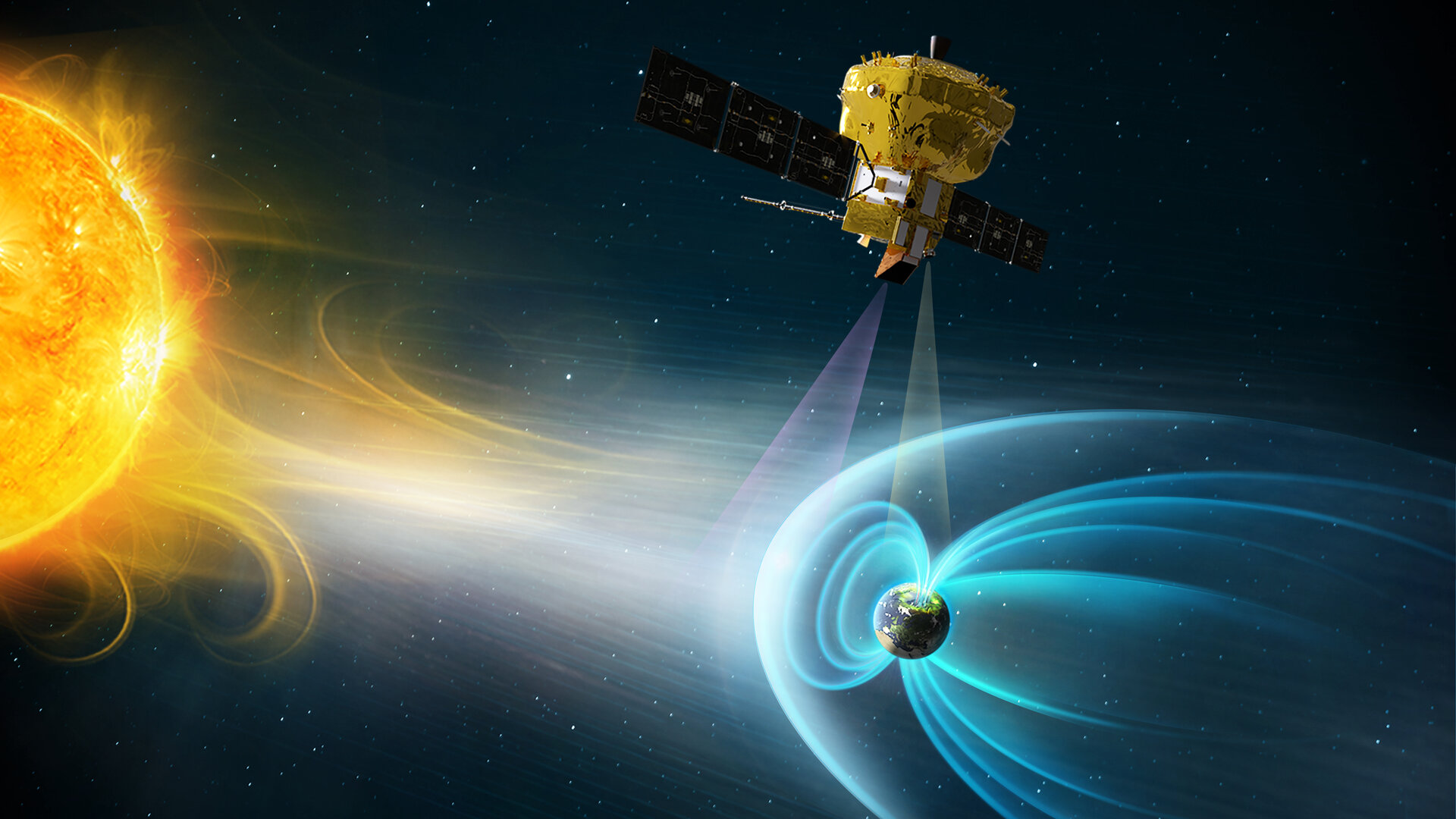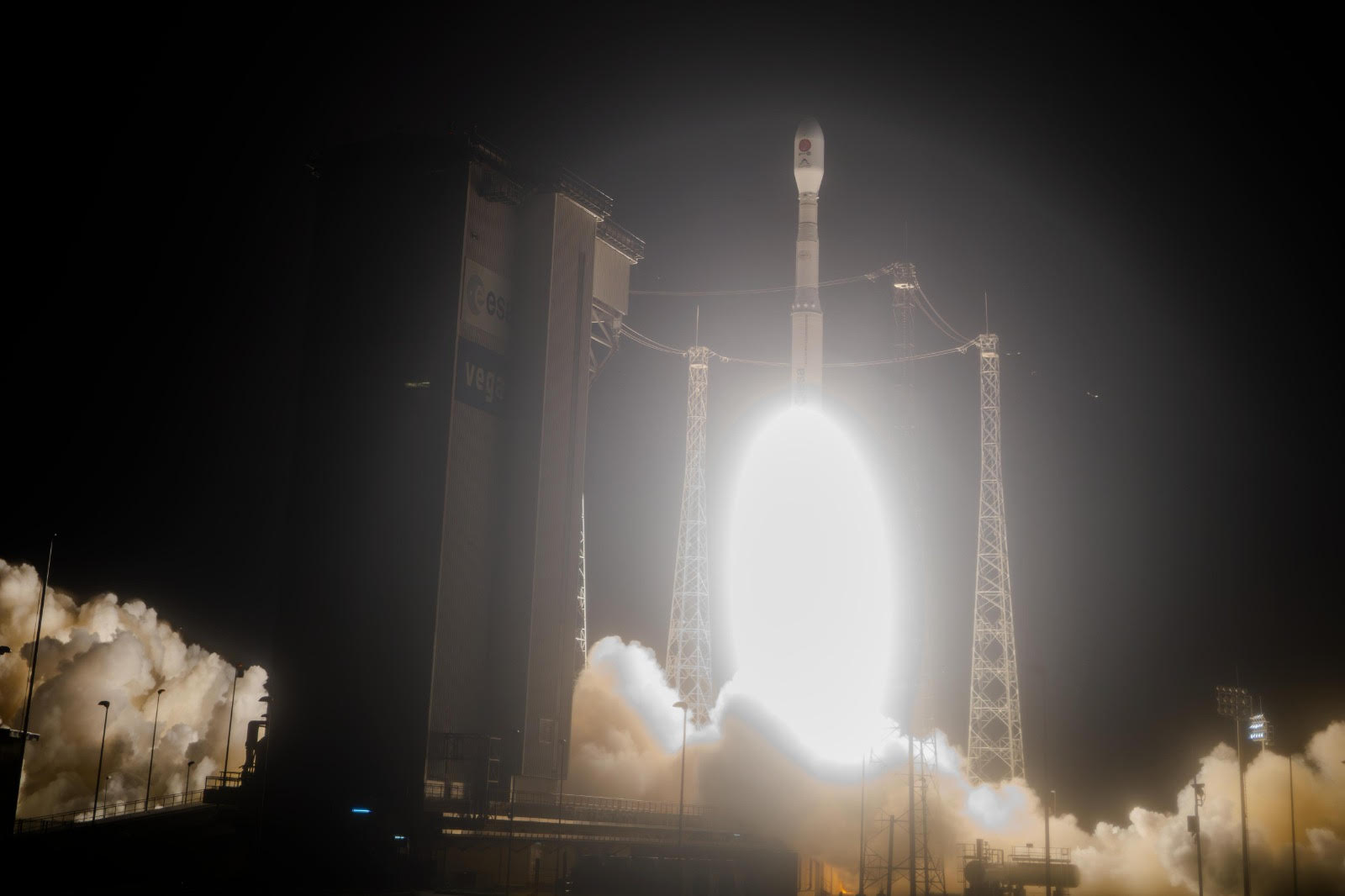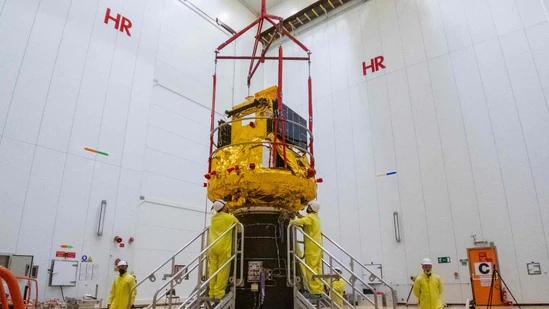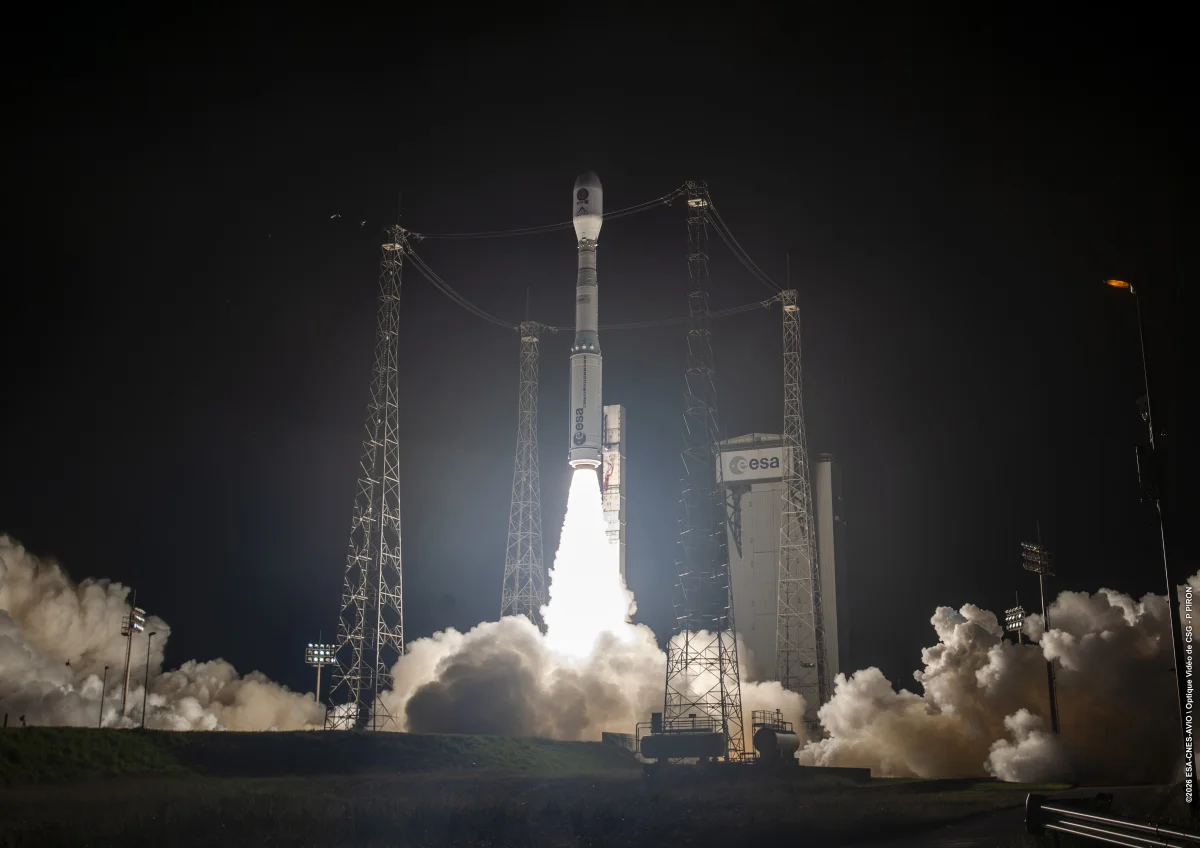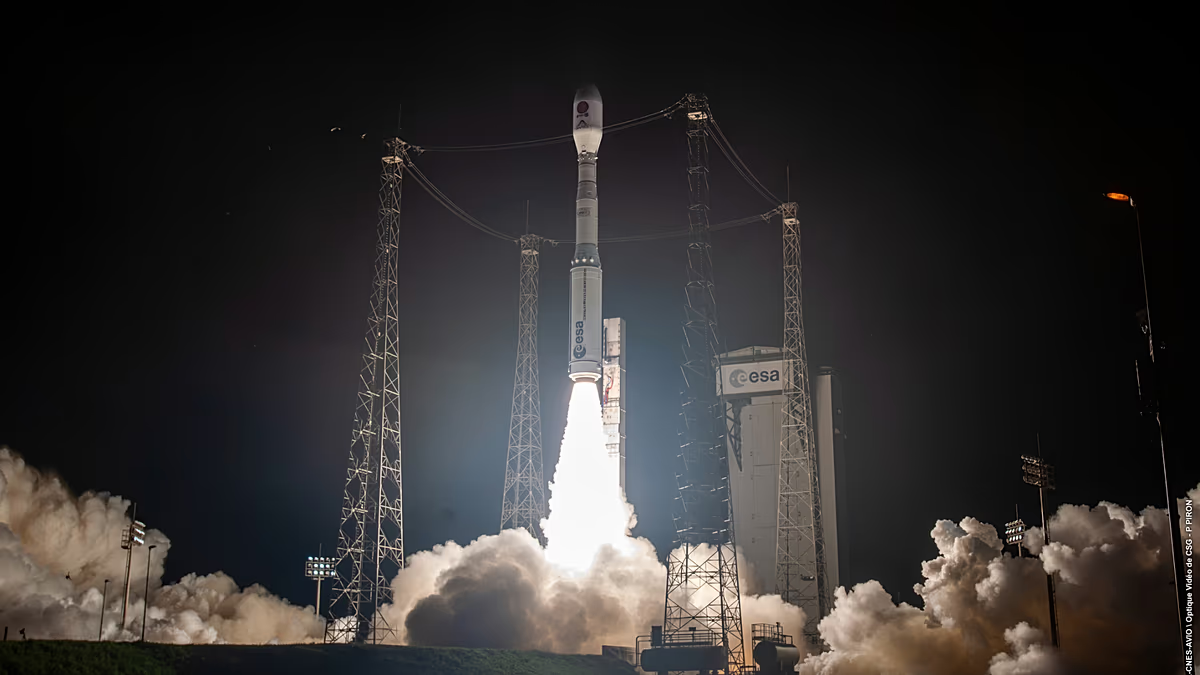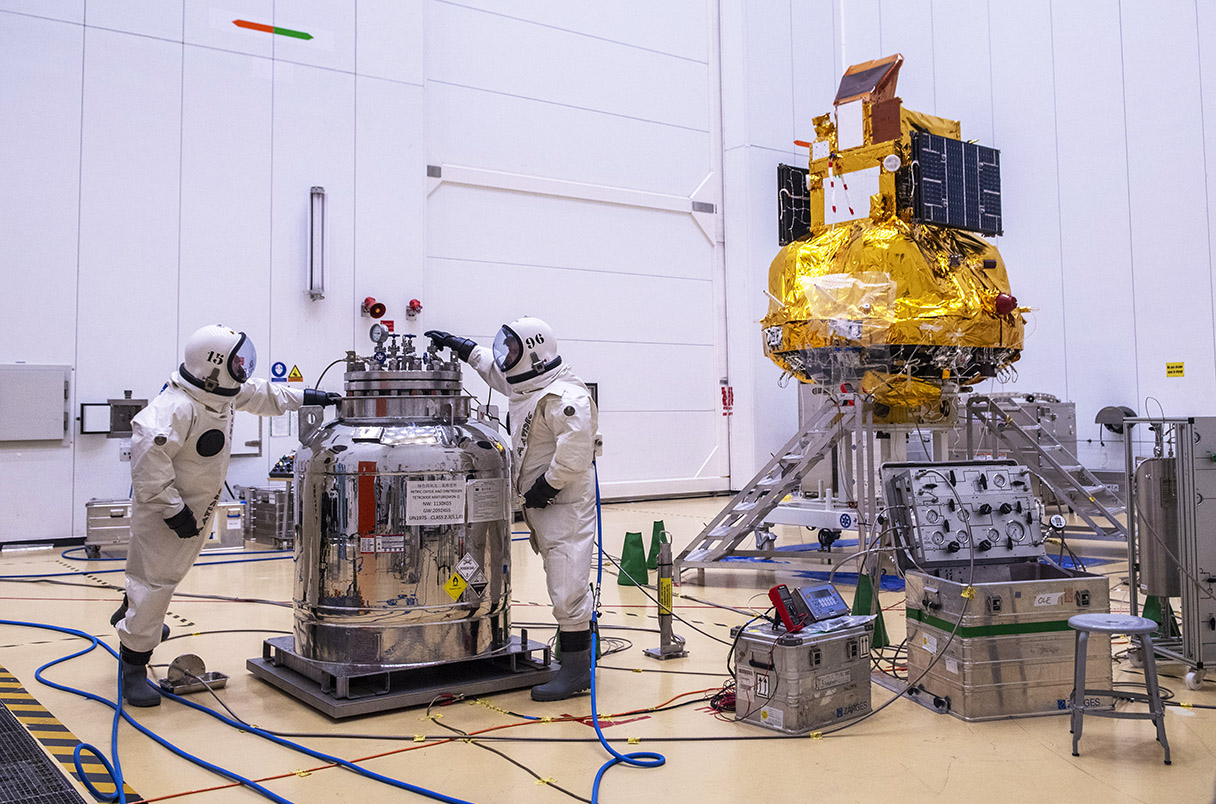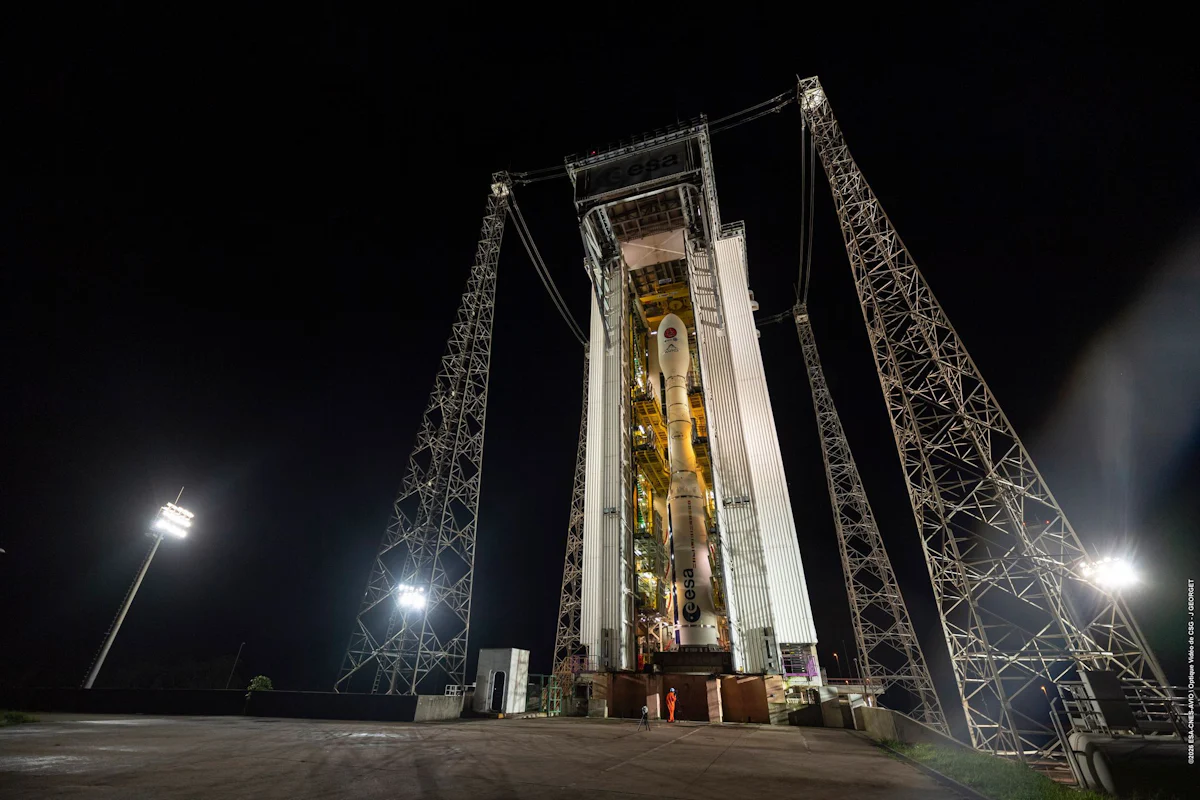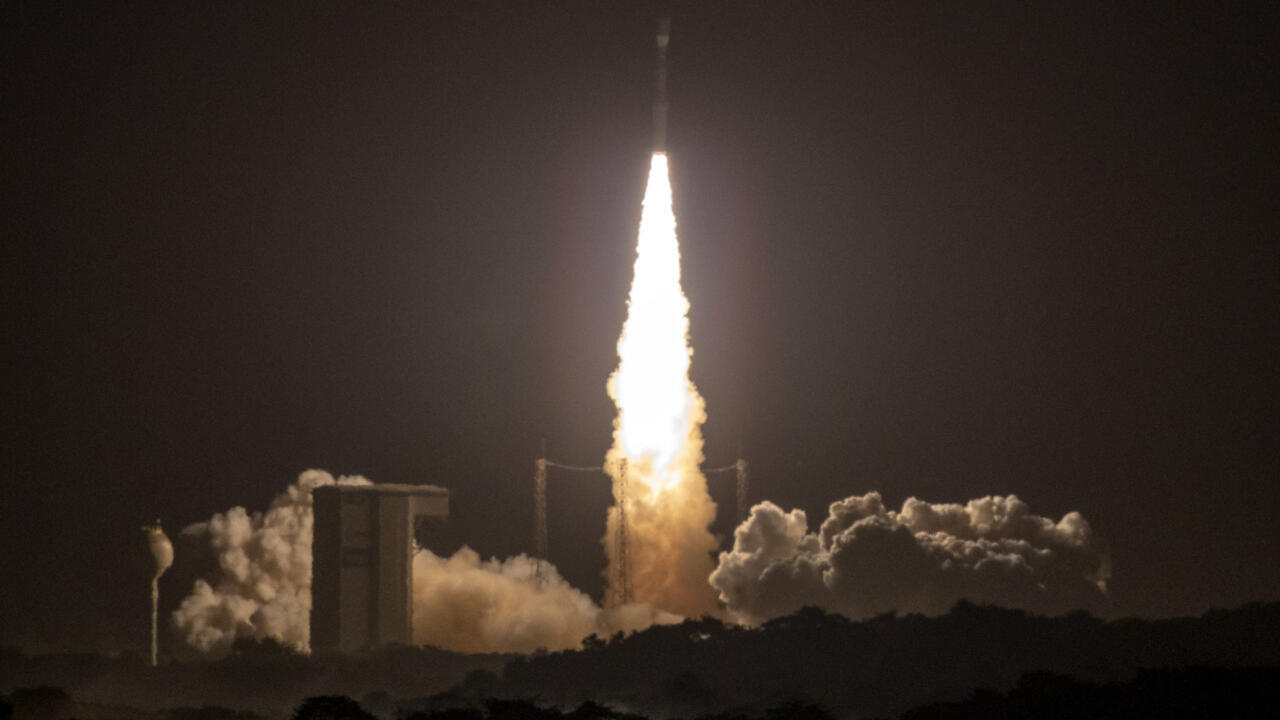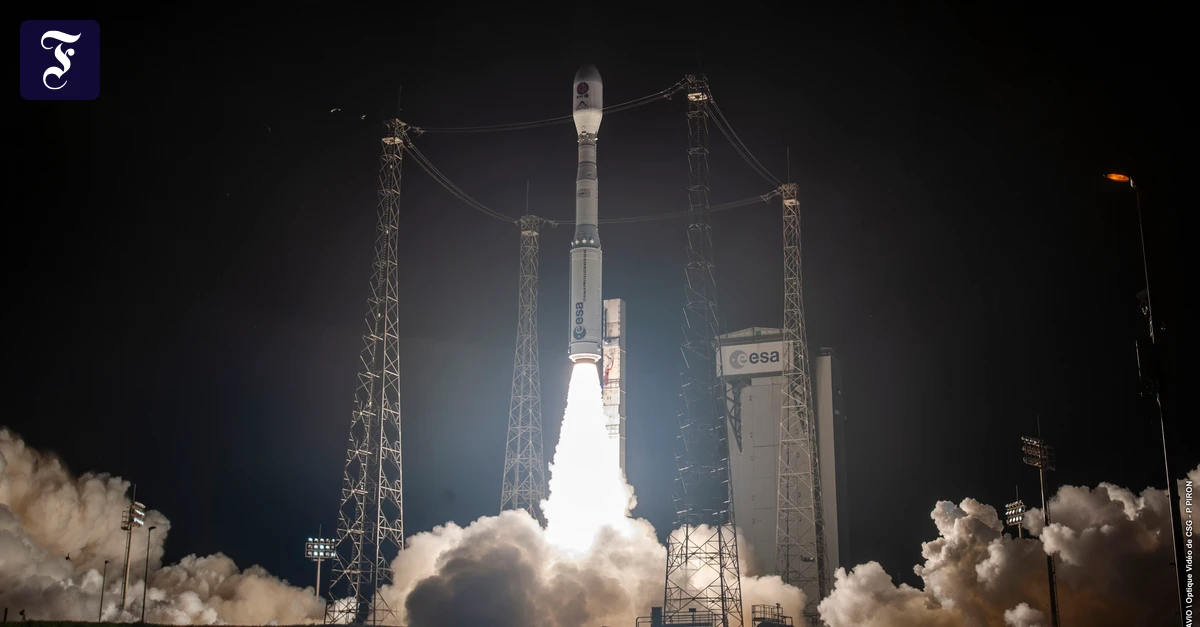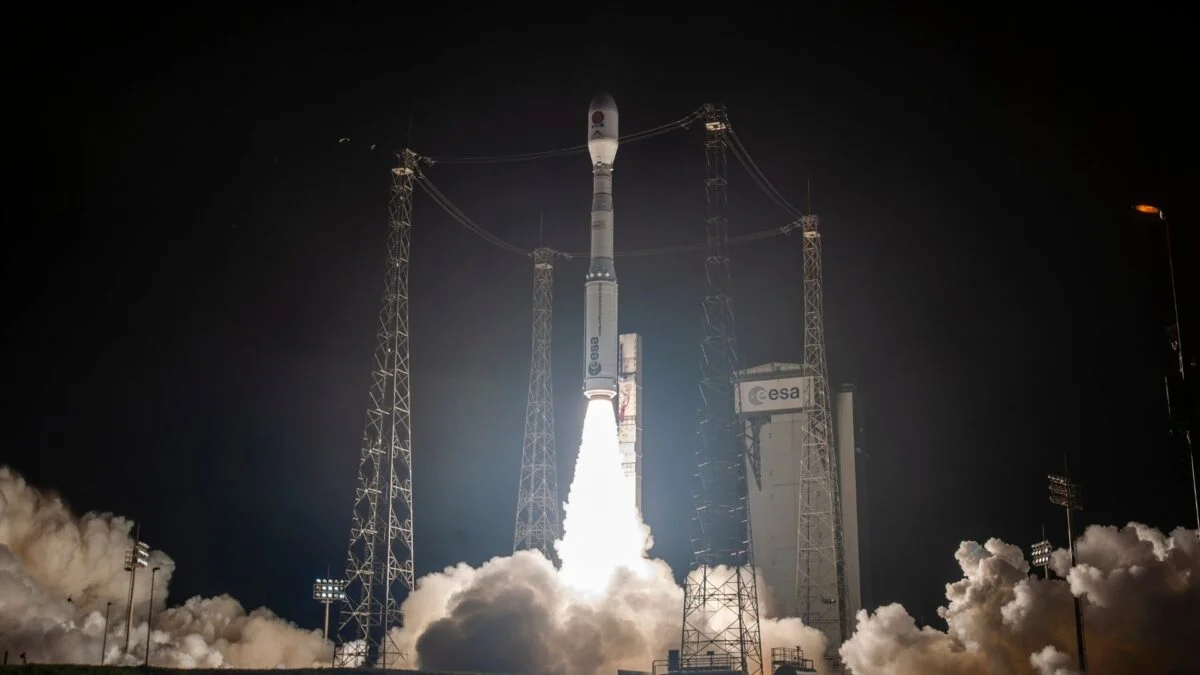
Late Monday evening, the European Space Agency’s Vega-C rocket lifted off from Kourou, French Guiana, carrying a spacecraft that promises to significantly enhance our understanding of space weather. The mission, developed jointly by ESA and the Chinese Academy of Sciences, has been more than a decade in the making. The Solar wind Magnetosphere Link Explorer, or SMILE for short, is a remote-sensing satellite designed to capture the first global images of the magnetic bubble that surrounds Earth. This region, called the magnetosphere, acts as a shield against solar and cosmic particle radiation. When the Sun emits large bursts of radiation, such as a solar flare or coronal mass ejection, charged particles can interact with the magnetosphere to produce geomagnetic storms. These storms can disrupt power grids, satellite communications, and other critical systems our modern lives depend on. SMILE’s unprecedented view of the magnetosphere should help scientists better understand these storms and how to forecast their impacts.
“We are about to witness something we’ve never seen before—Earth’s invisible armour in action,” ESA Director General Josef Aschbacher said in an agency release. “With SMILE, we are pushing the boundaries of science in an effort to answer big questions that have remained a mystery since we discovered, over seventy years ago, that Earth sits safely within a giant magnetic bubble.”