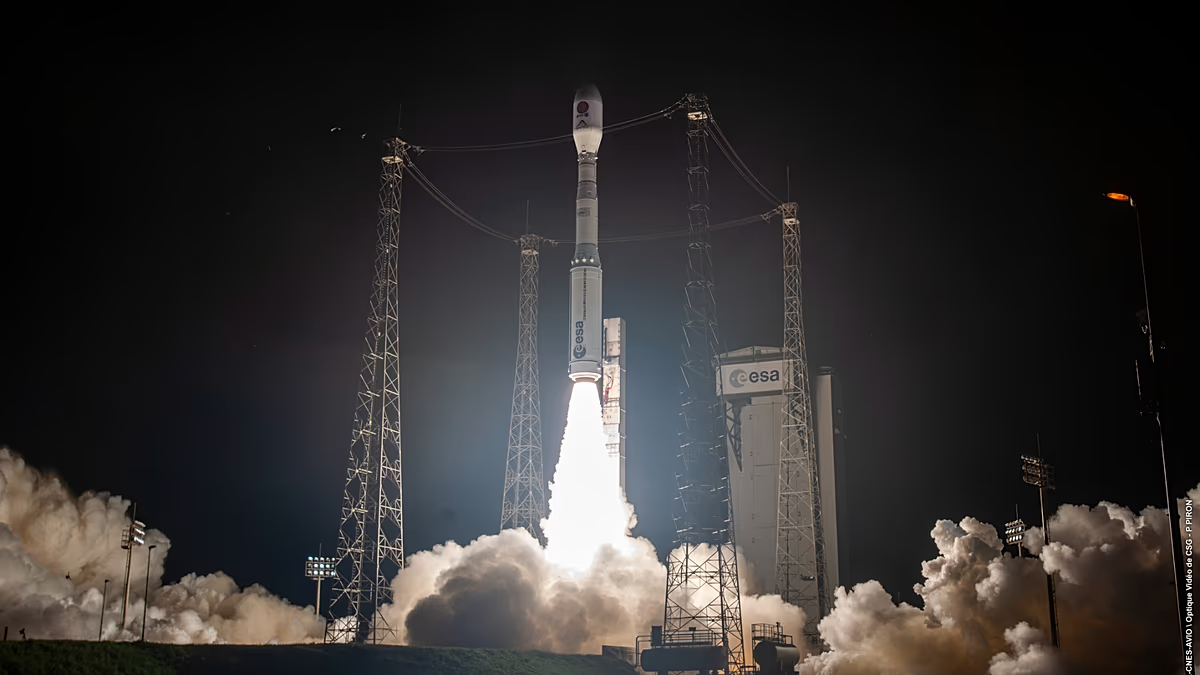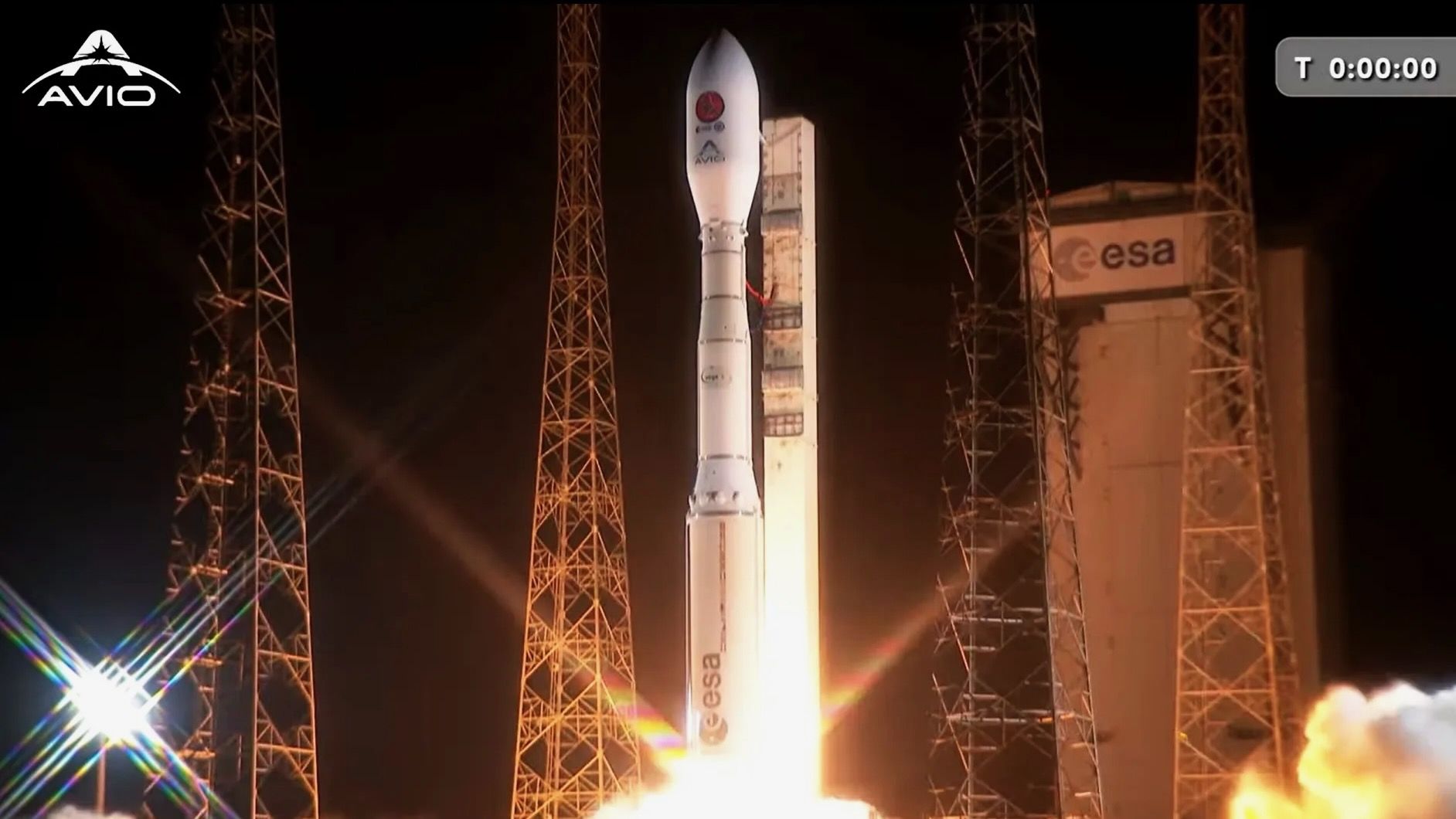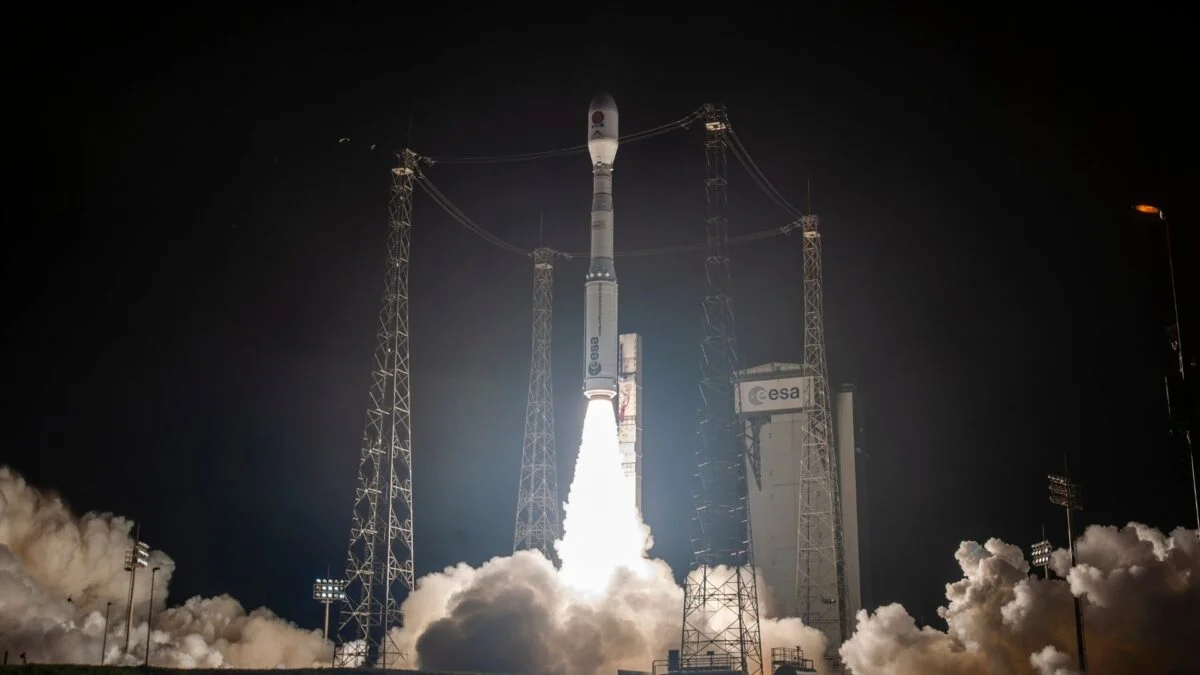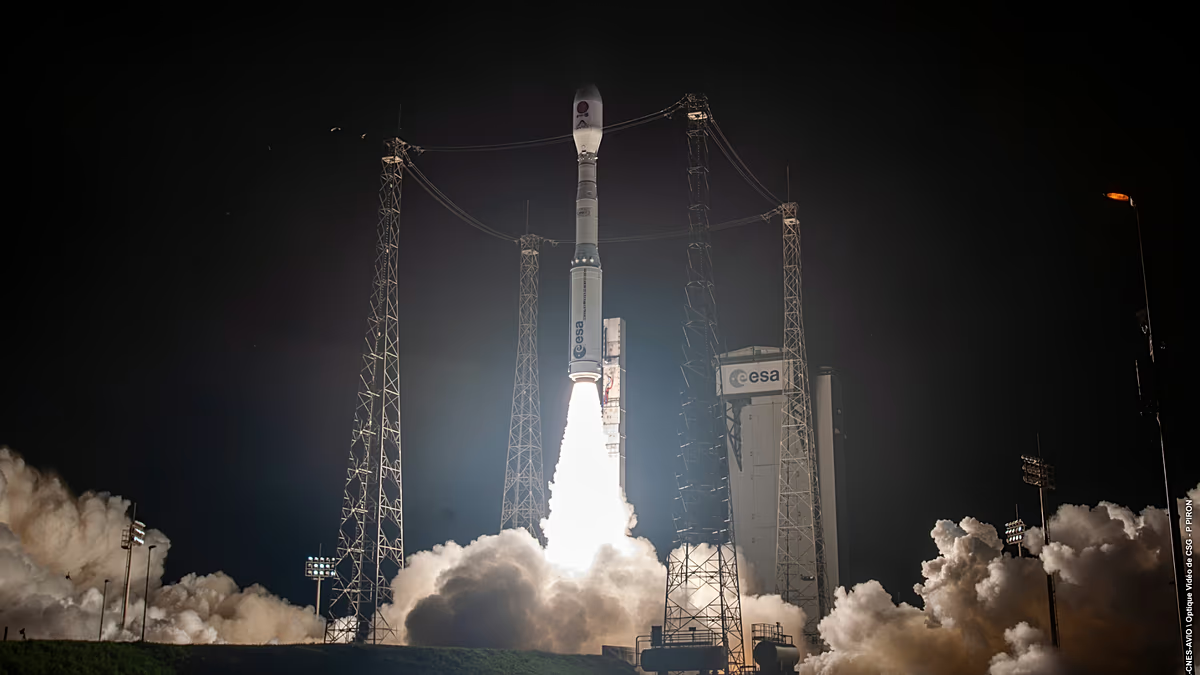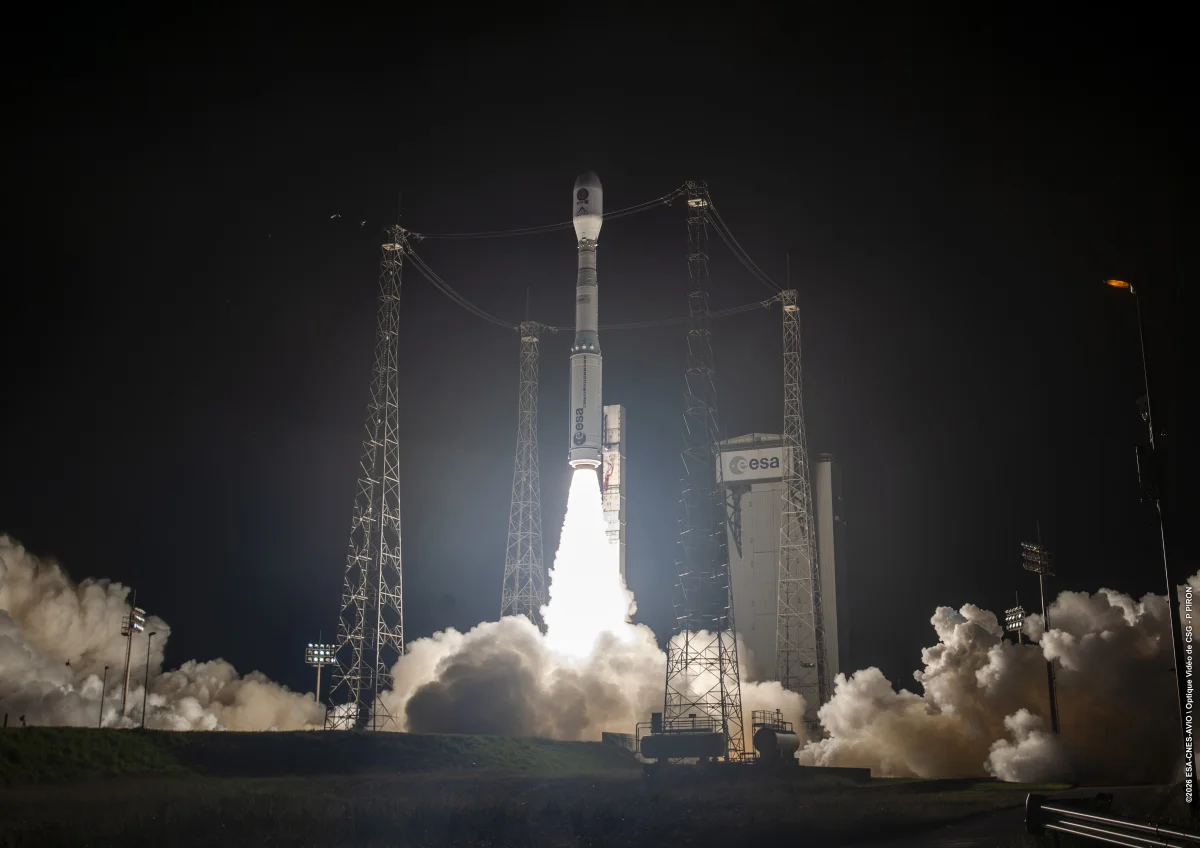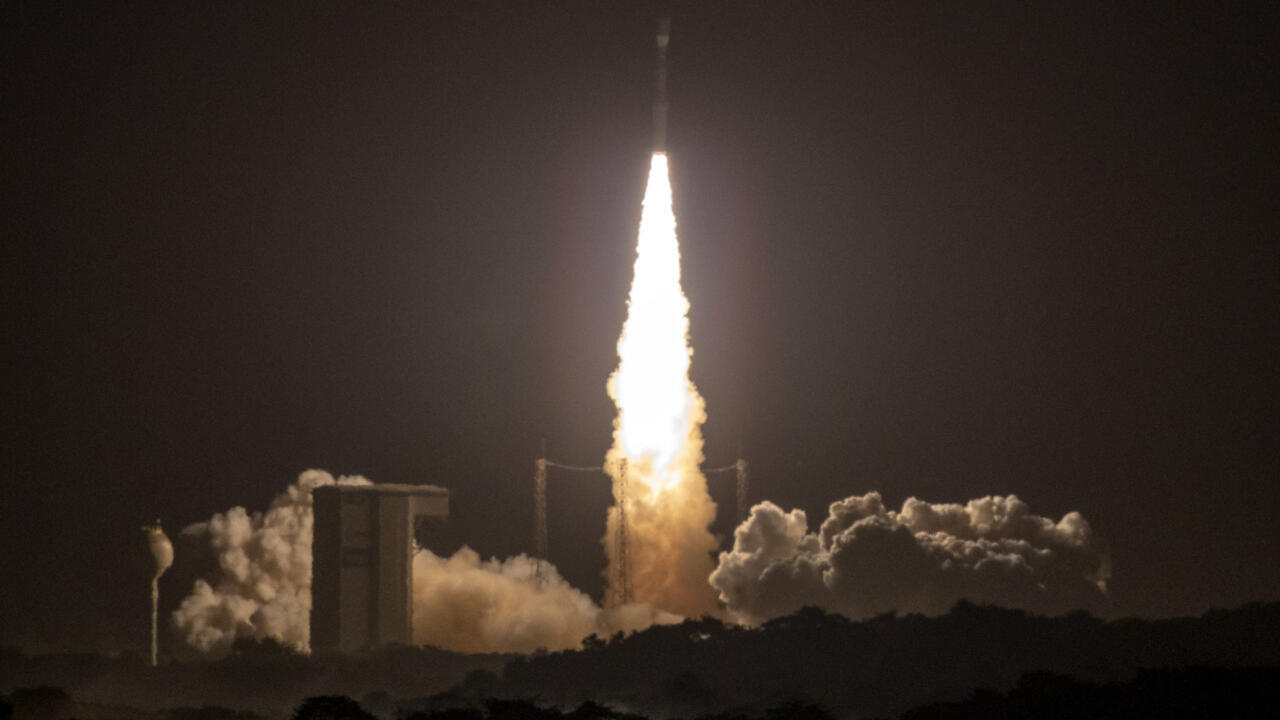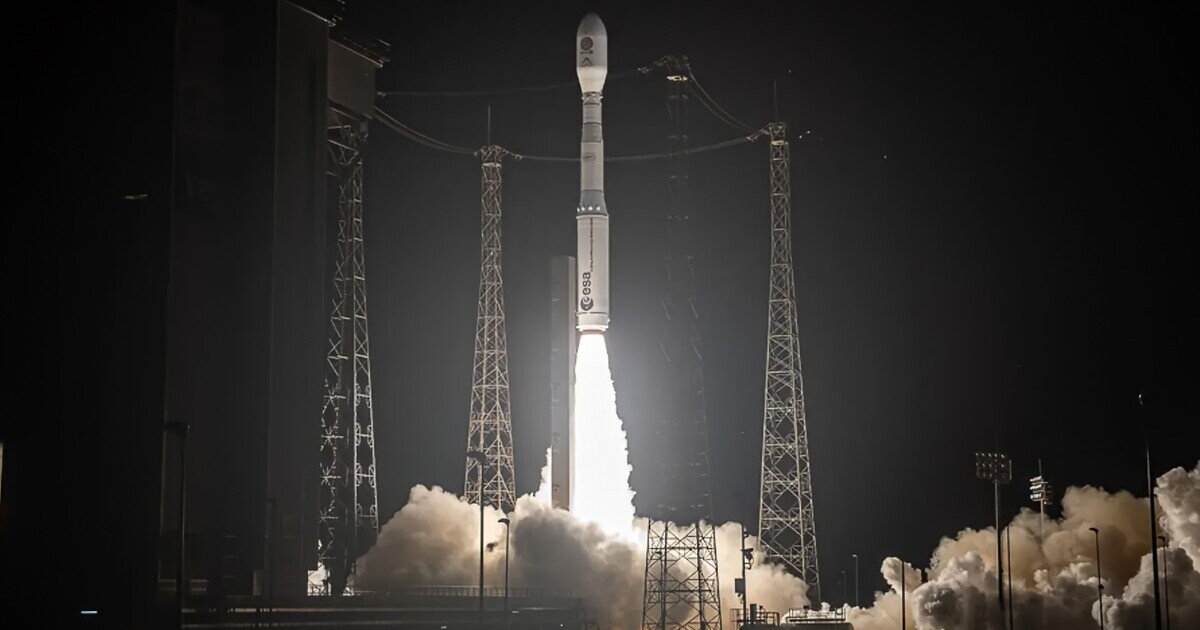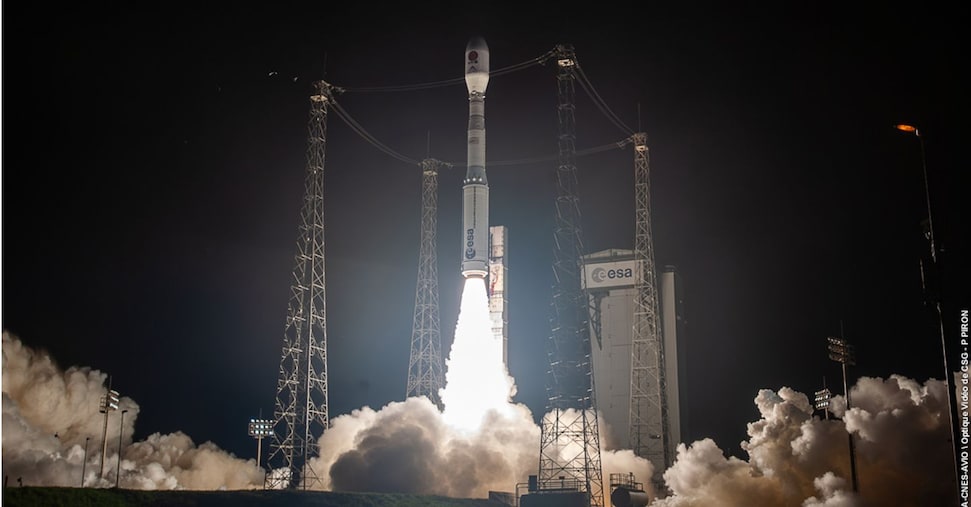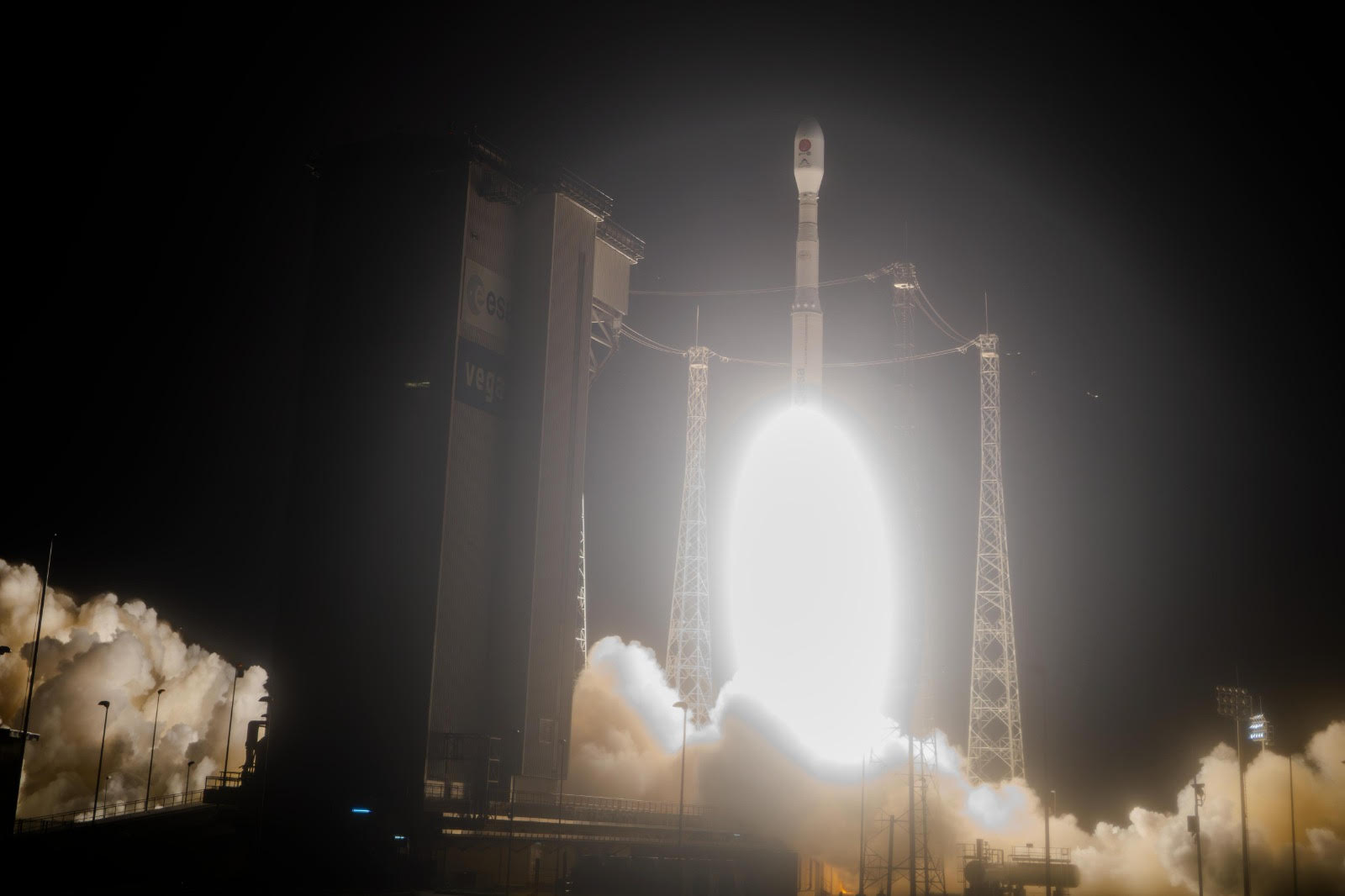
Liftoff of the Vega C rocket carrying the SMILE mission to orbit, May 19, 2026. Credit: ESA - S. Corvaja
KOUROU, French Guiana — The SMILE mission developed jointly by the European Space Agency and China has reached orbit after more than a decade of preparations and cooperation.
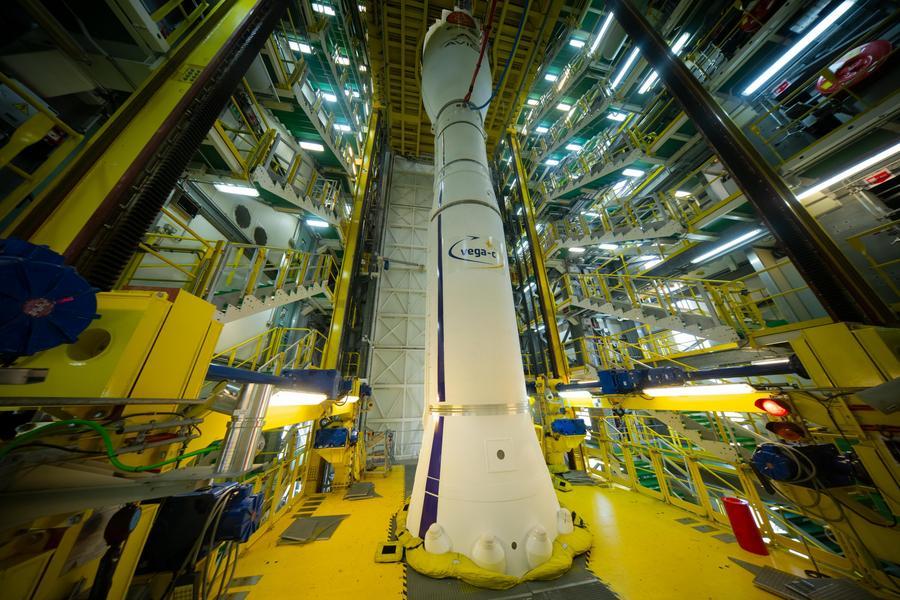
The mission’s Vega C rocket lifted off at 11:52 p.m. Eastern, May 18 (0352 UTC, or 0052 local time, May 19) from Kourou, French Guiana, in South America. SMILE separated from the launch vehicle’s fourth stage nearly 57 minutes after liftoff. The spacecraft’s solar arrays deployed successfully minutes later, prompting celebrations at the Jupiter Mission Control Room.
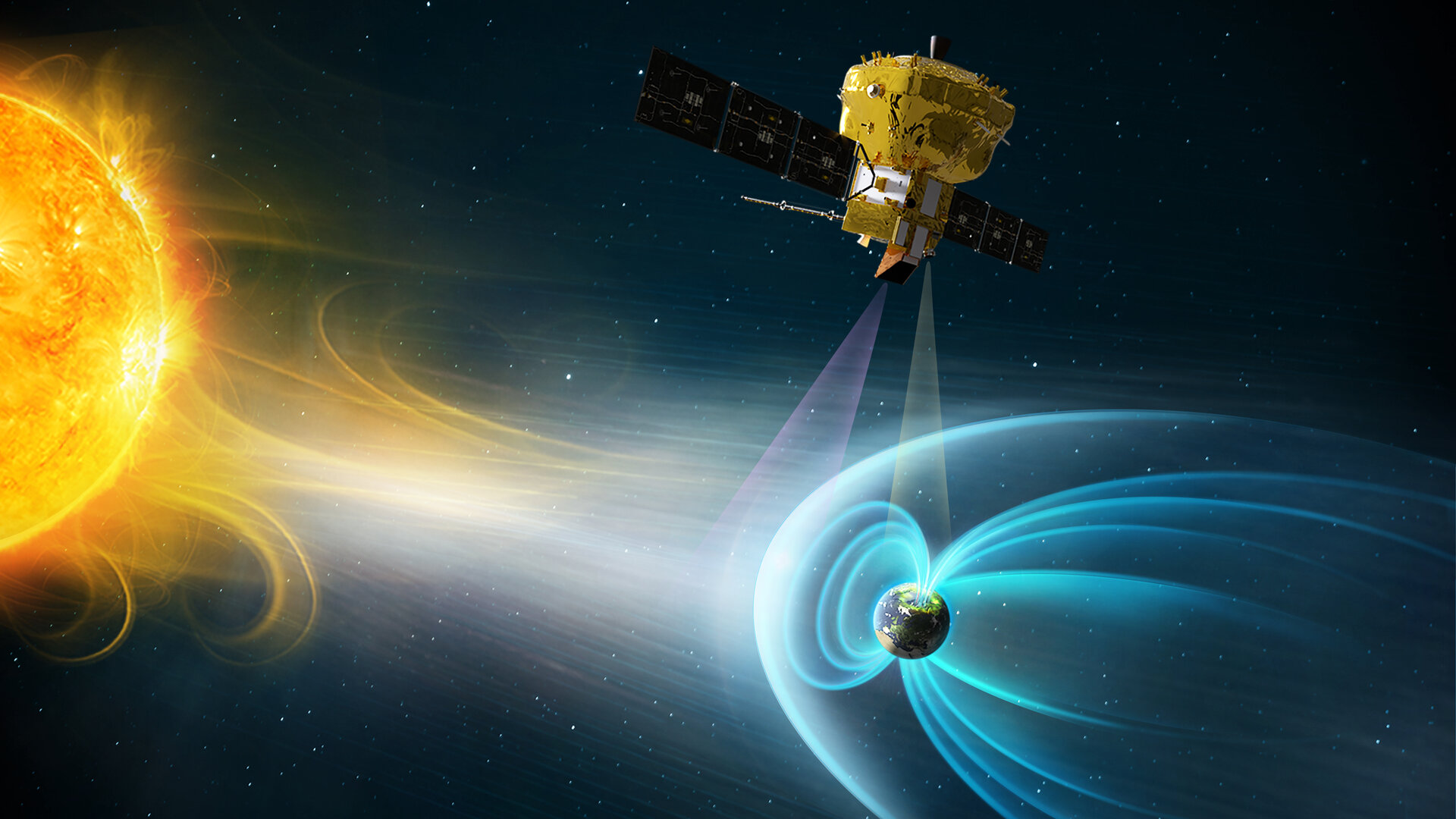
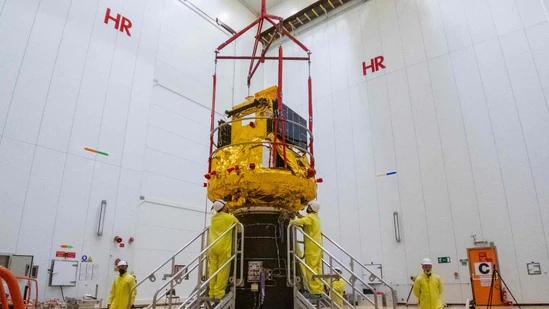
The Solar wind Magnetosphere Ionosphere Link Explorer (SMILE) mission is designed to spend a planned mission time of three years studying how Earth’s magnetosphere interacts with solar storms and the ability to predict the impacts of space weather.
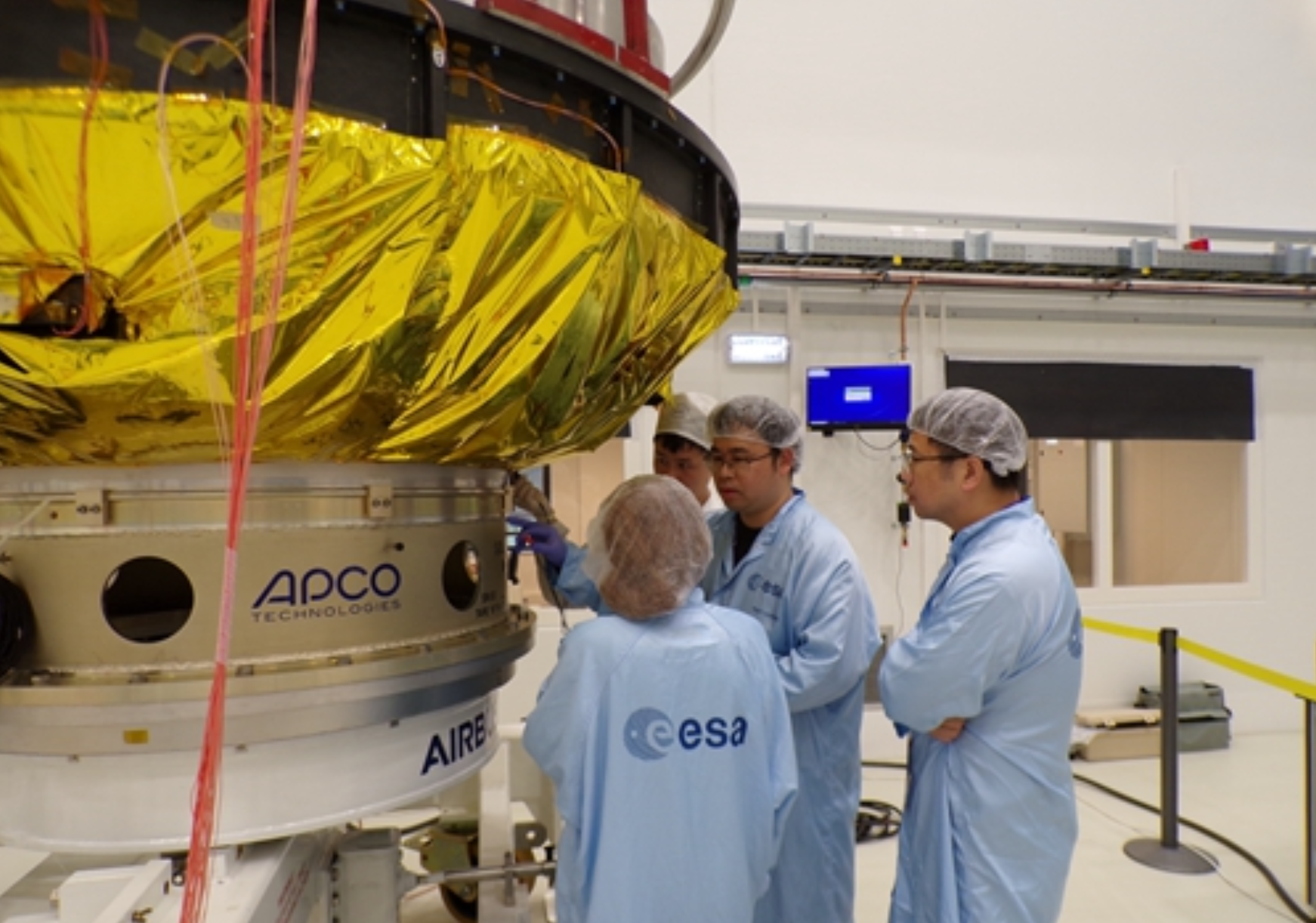
The 2,200-kilogram Smile spacecraft, including 1,500 kg of propellant, was launched into a roughly 706-kilometer orbit inclined by 70 degrees. From here, Smile will use around 90 percent of its propellant over the next month to reach its highly elliptical science orbit.