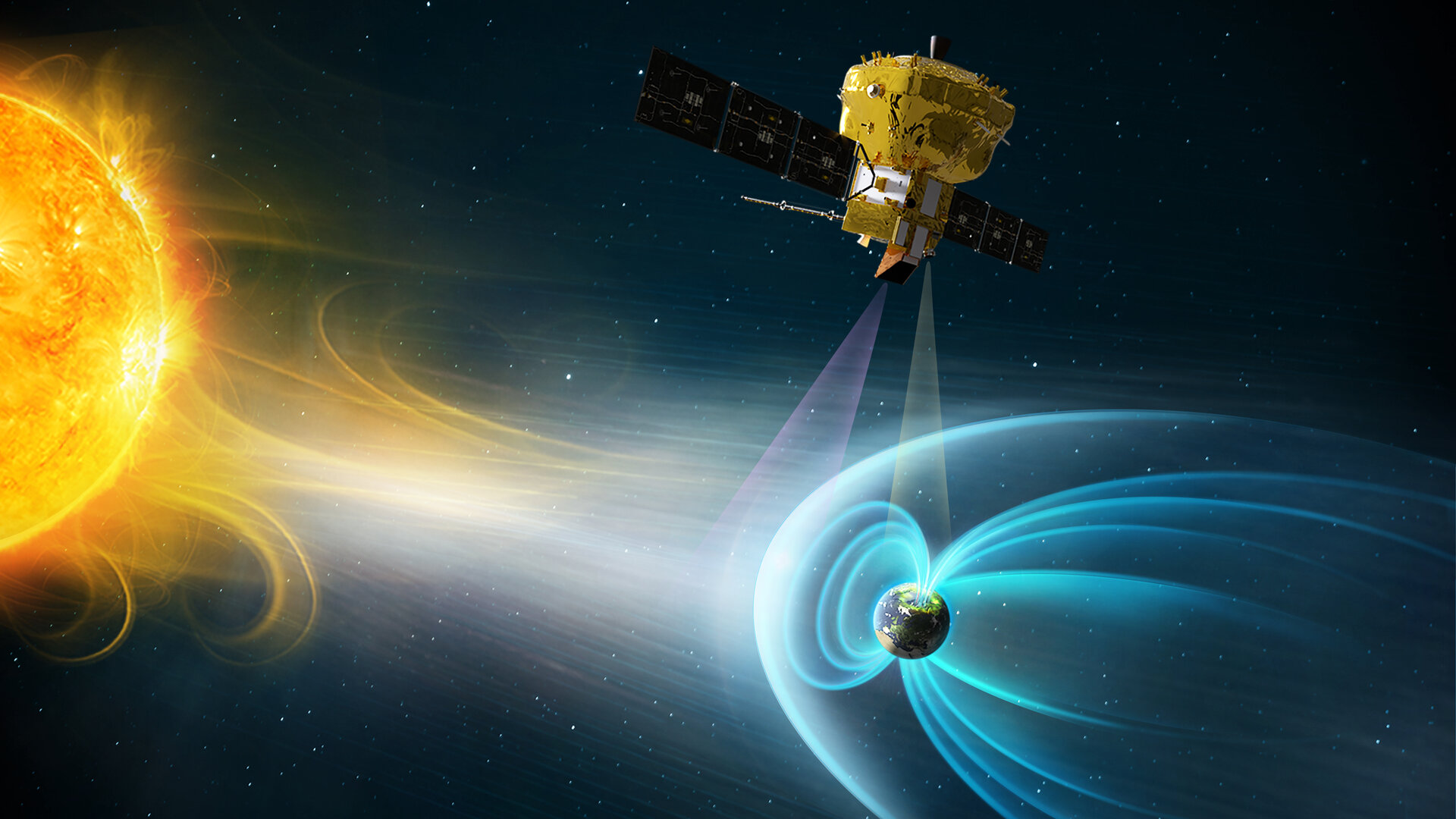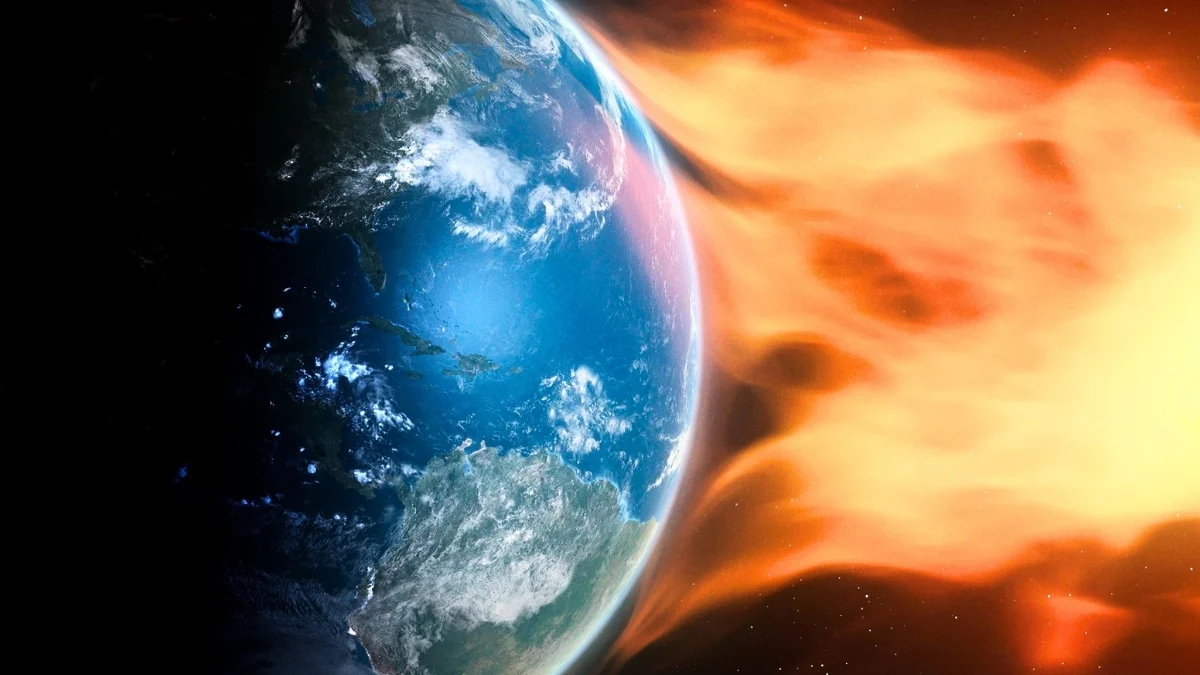
A joint European–Chinese spacecraft has blasted off into orbit on a pioneering mission to uncover what happens when violent solar storms crash into Earth’s magnetic shield, in a project that could improve forecasts of dangerous space weather and deepen understanding of the auroras that light up polar skies.
Issued on: 19/05/2026 - 09:06
3 min Reading time
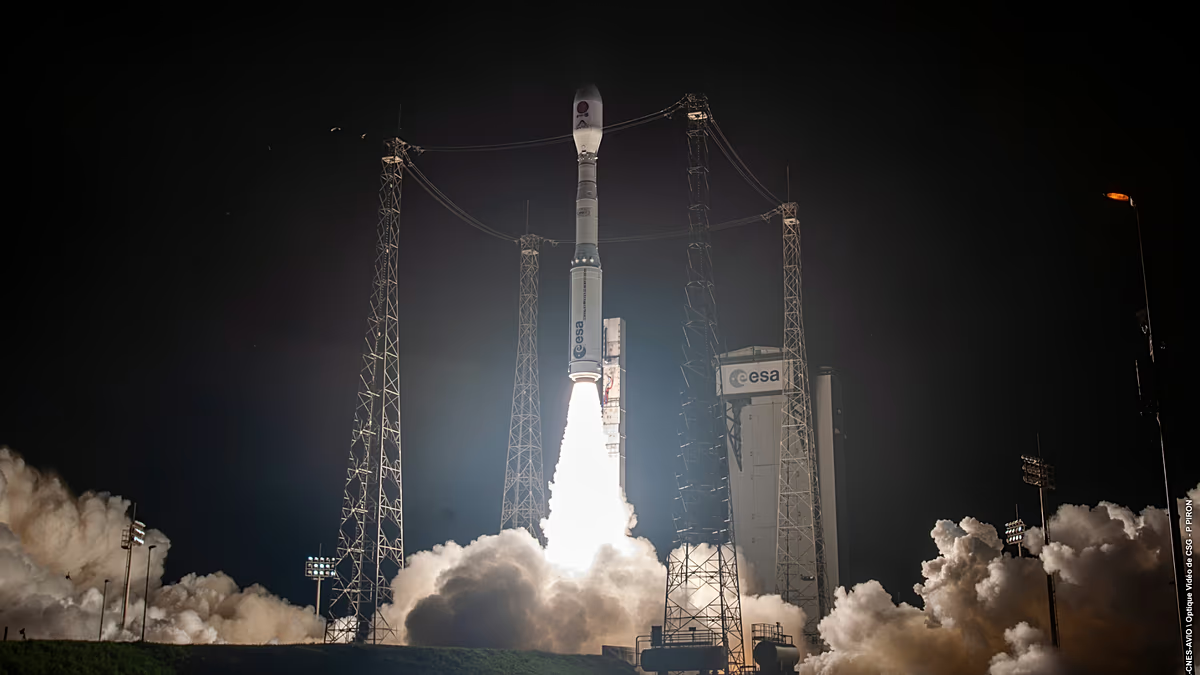
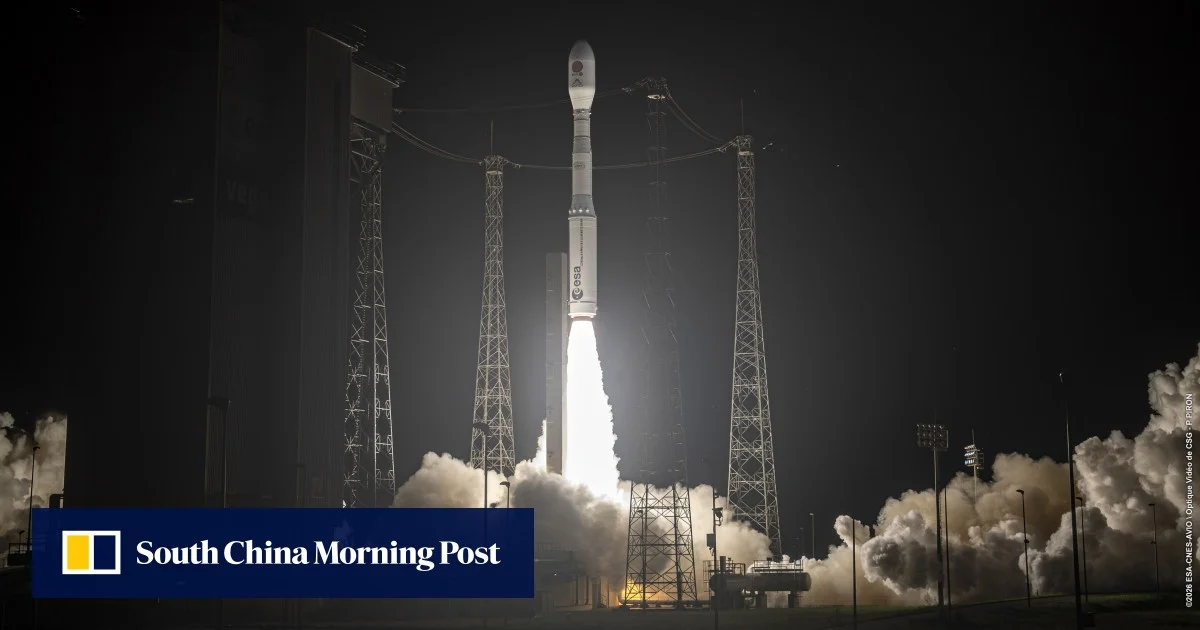
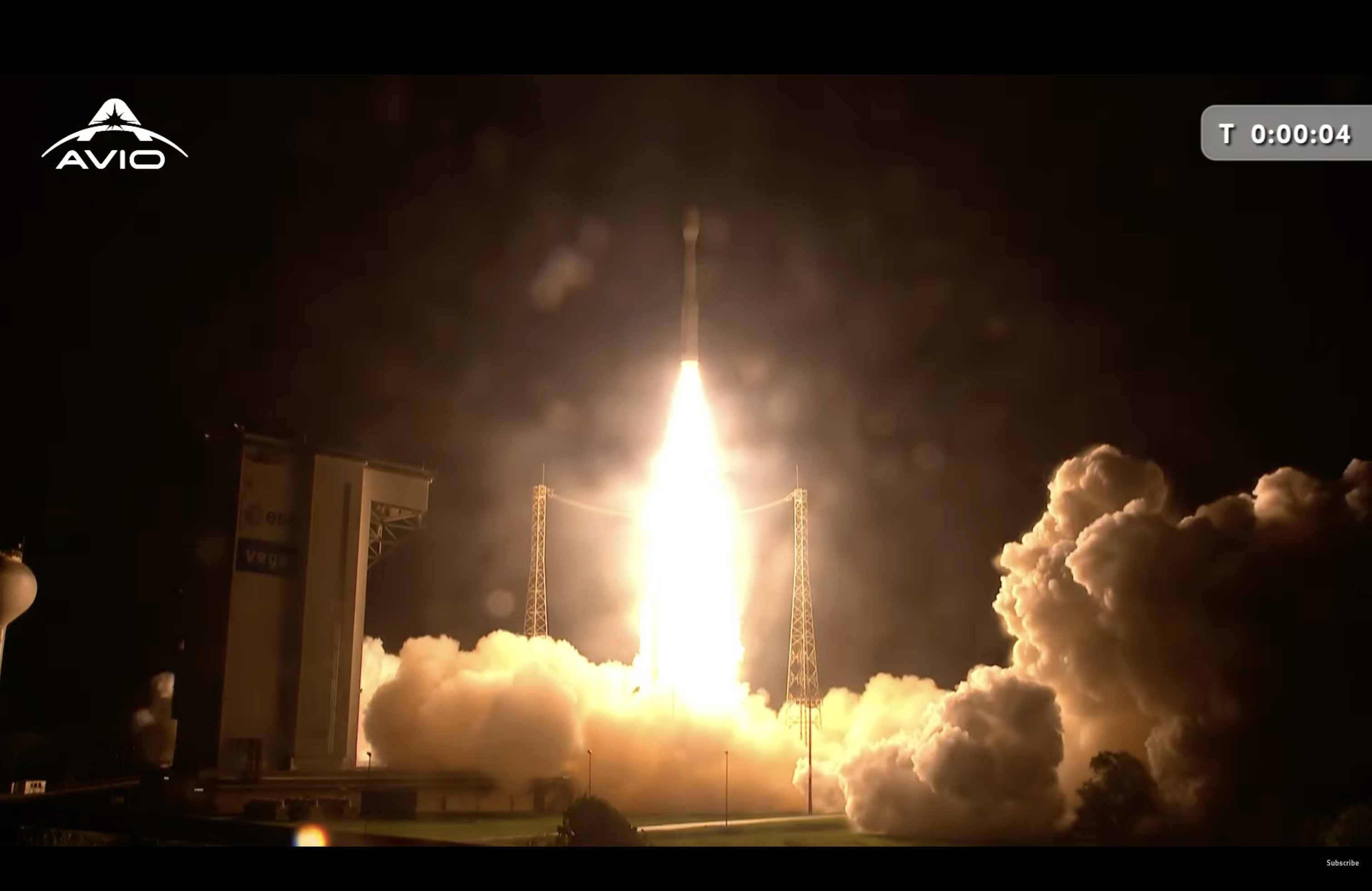
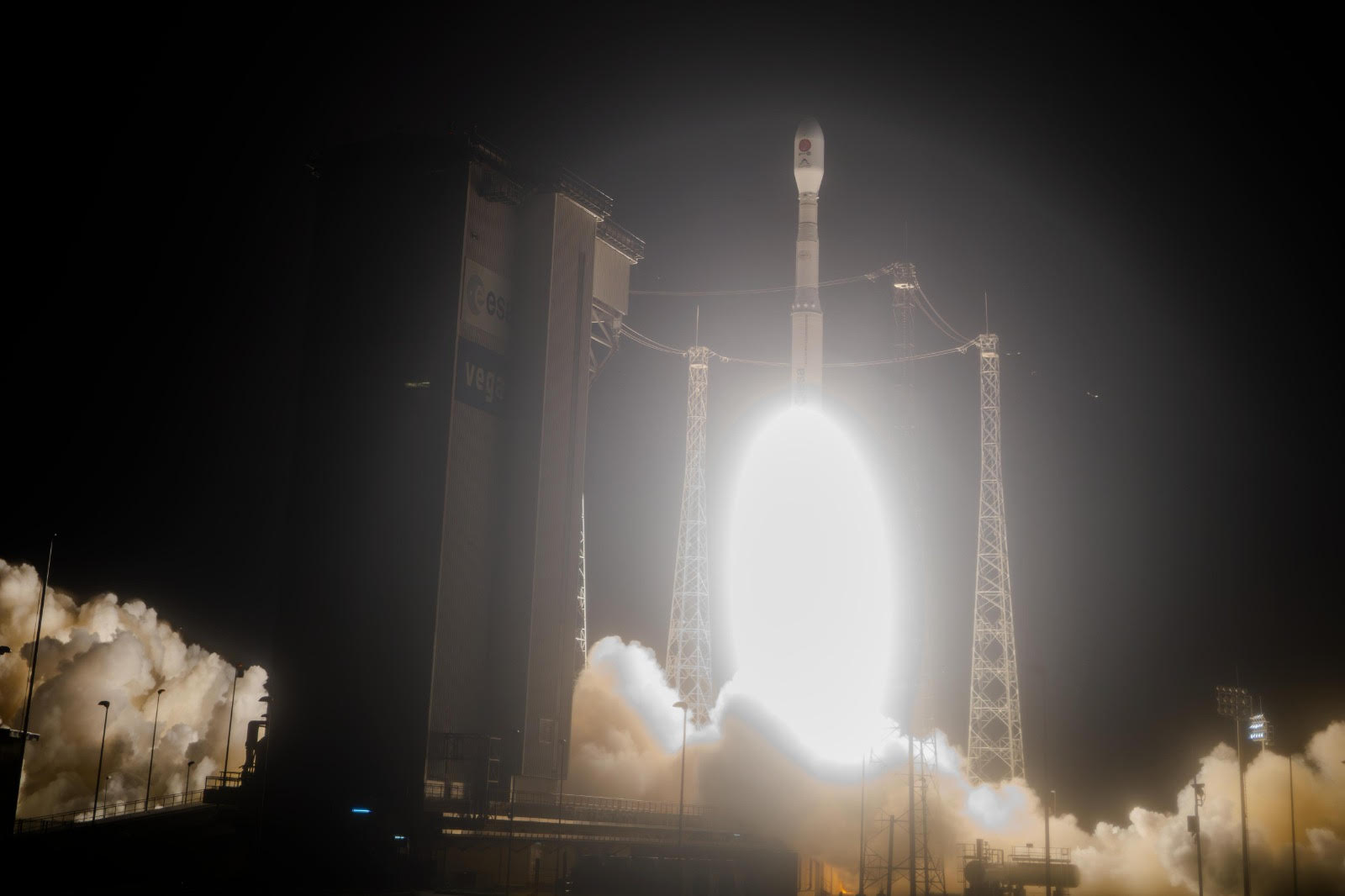
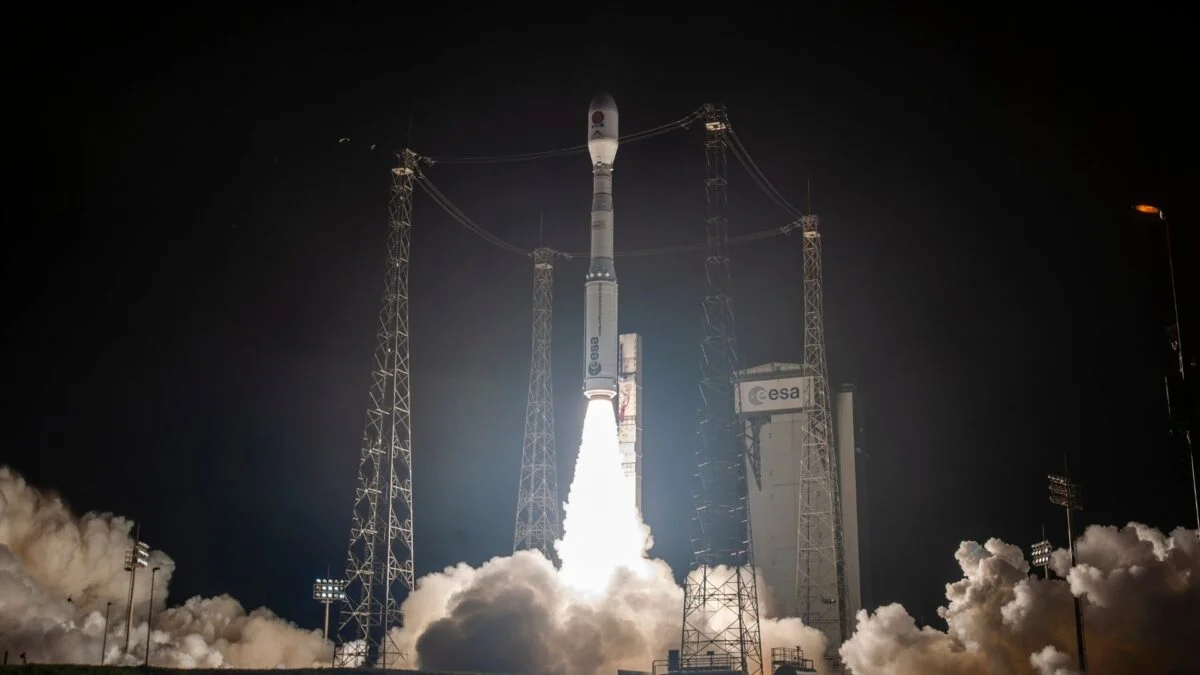
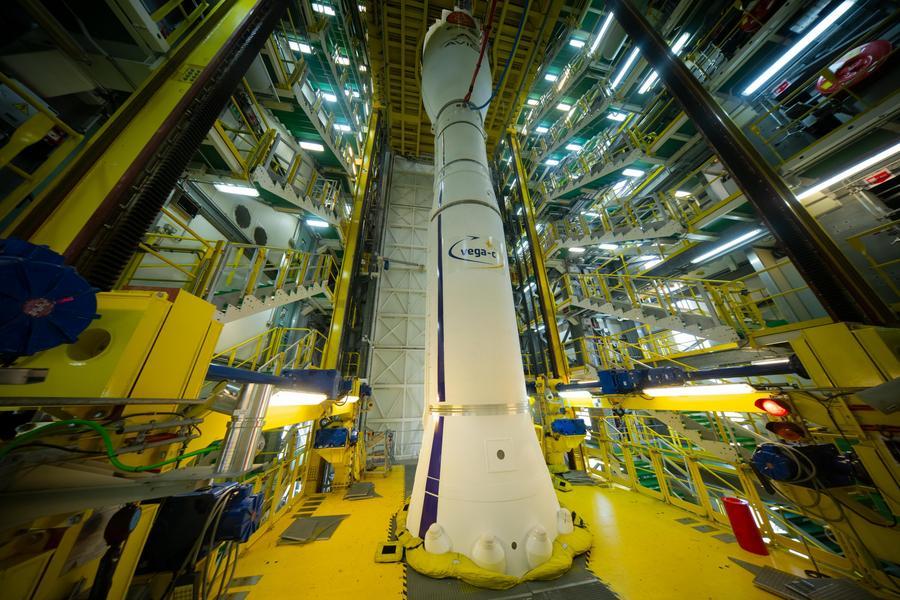
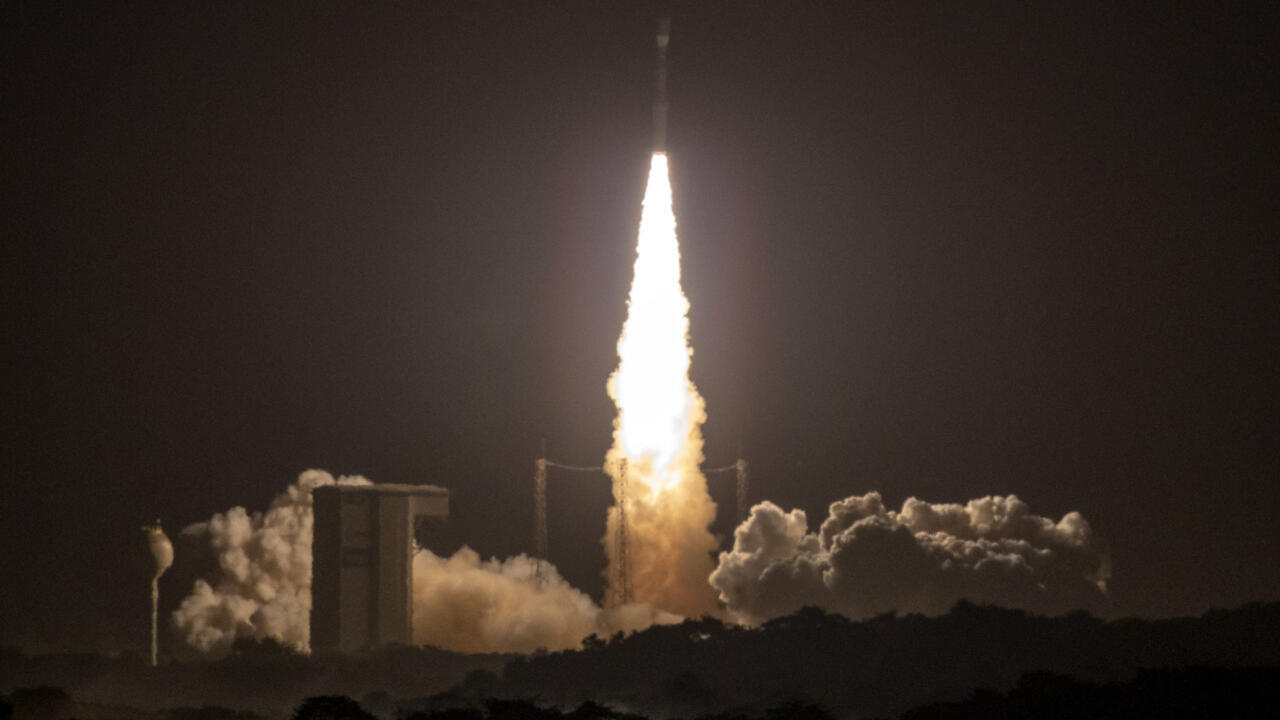
The spacecraft, known as SMILE, lifted off aboard a Vega-C rocket at 03h52 GMT on Tuesday from Europe’s spaceport in Kourou, French Guiana, on the northeastern coast of South America. Around 55 minutes later, the spacecraft successfully separated from the rocket at an altitude of 700 kilometres and began its long journey into a highly elliptical orbit far above Earth. Scientists hope the mission will provide an unprecedented view of the interaction between the Sun and Earth’s magnetic environment, helping researchers better understand how bursts of charged particles from the Sun can disrupt satellites, communications networks and power systems on Earth.
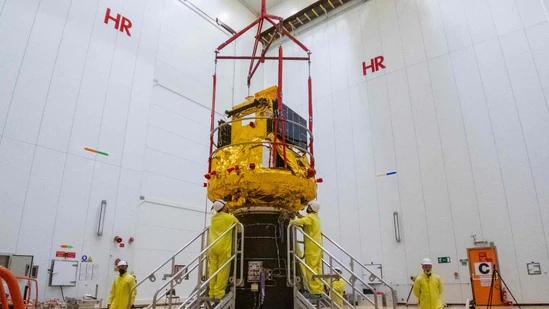
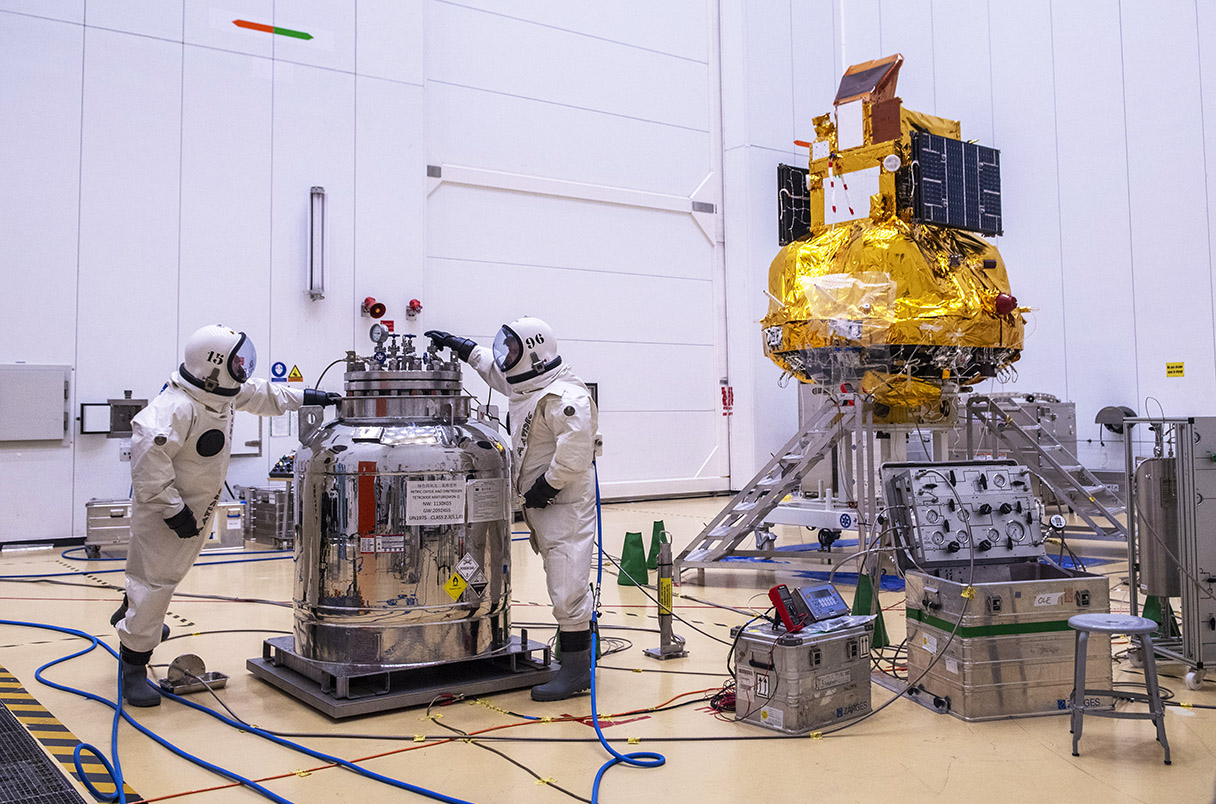
This photograph shows the Smile spacecraft (gold) fixed to a Vega-C rocket adaptor (black cone) on 25 March 2026, in Kourou, French Guiana, in preparation for liftoff from Europe's Spaceport. AFP - M. PEDOUSSAUT