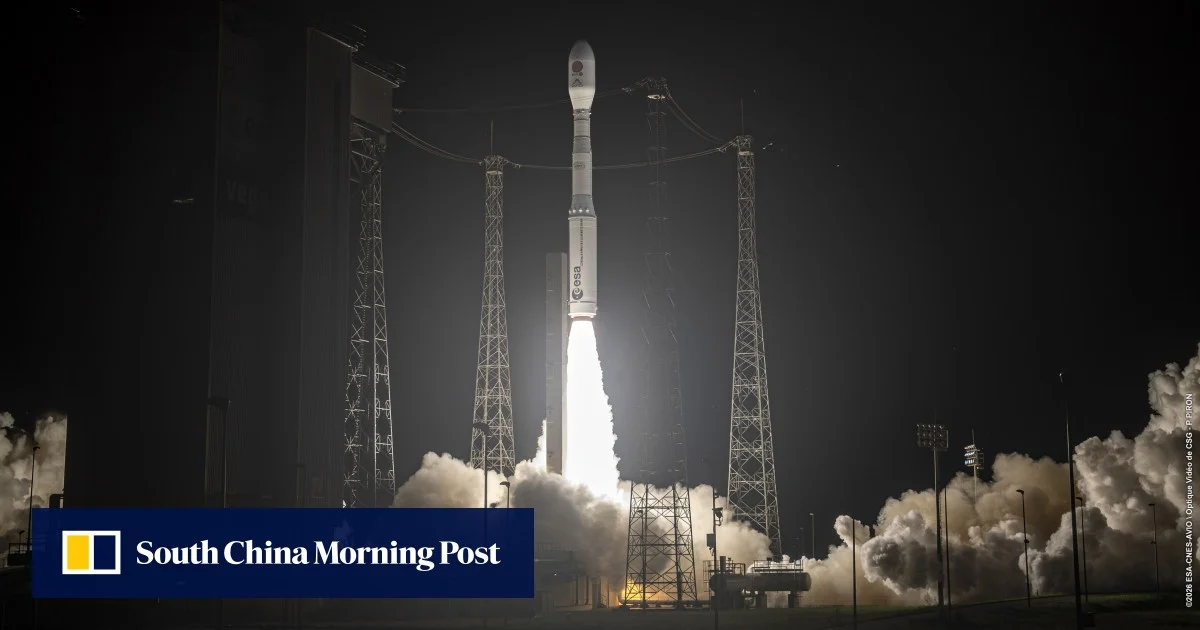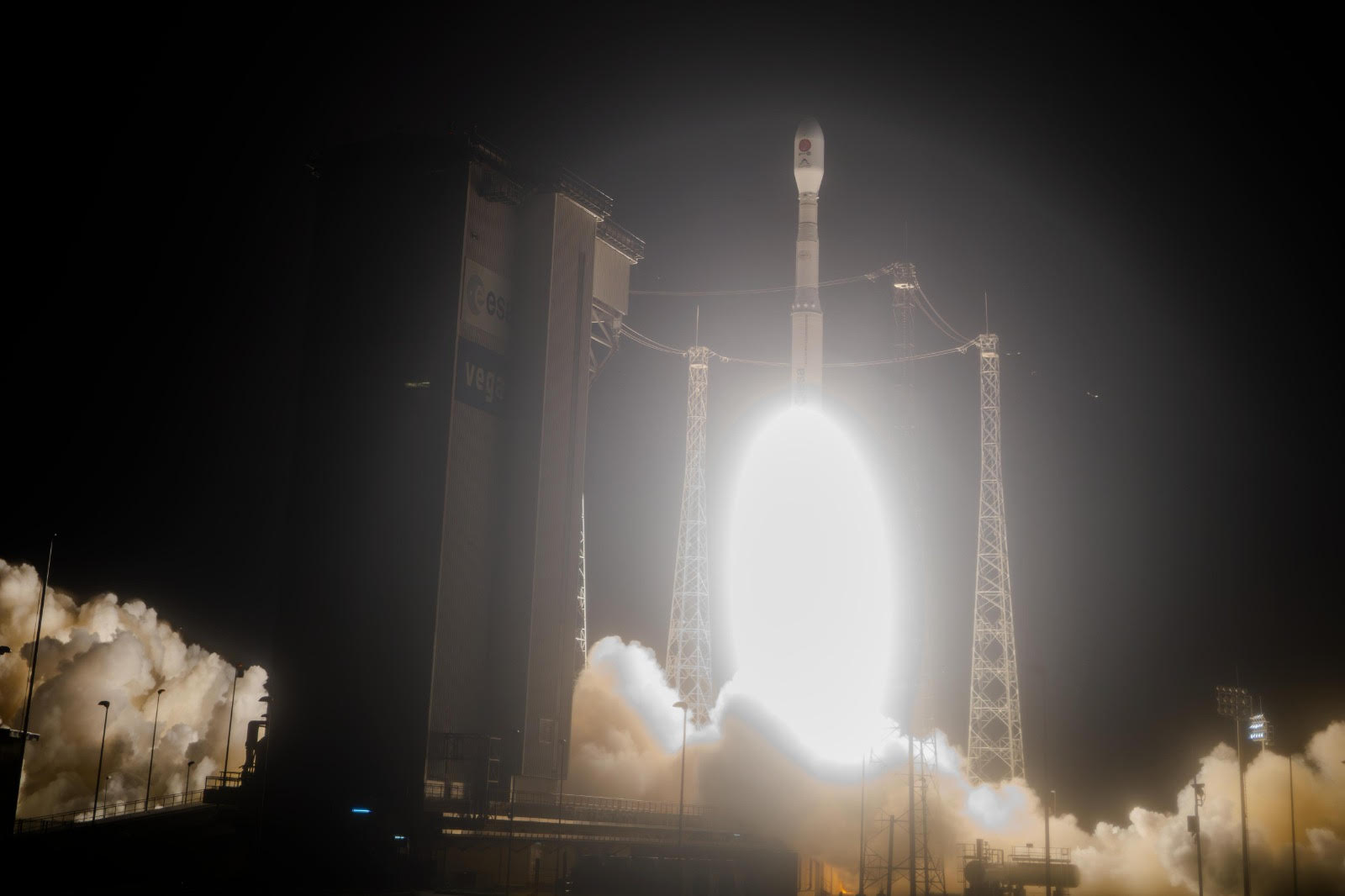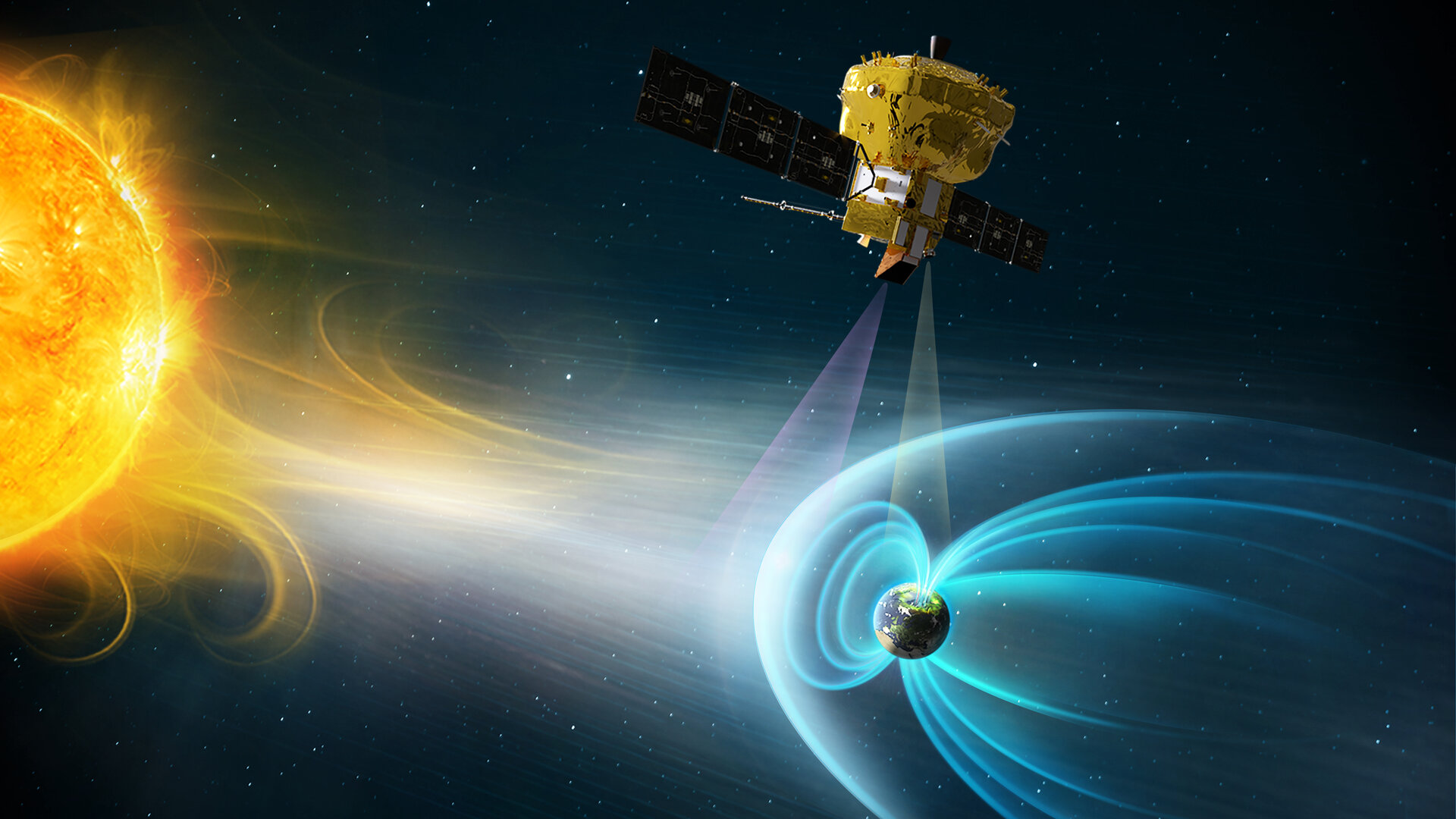
HELSINKI — A pioneering joint ESA-China science mission to study Earth’s magnetosphere is set to launch May 19, after a decade of preparations.
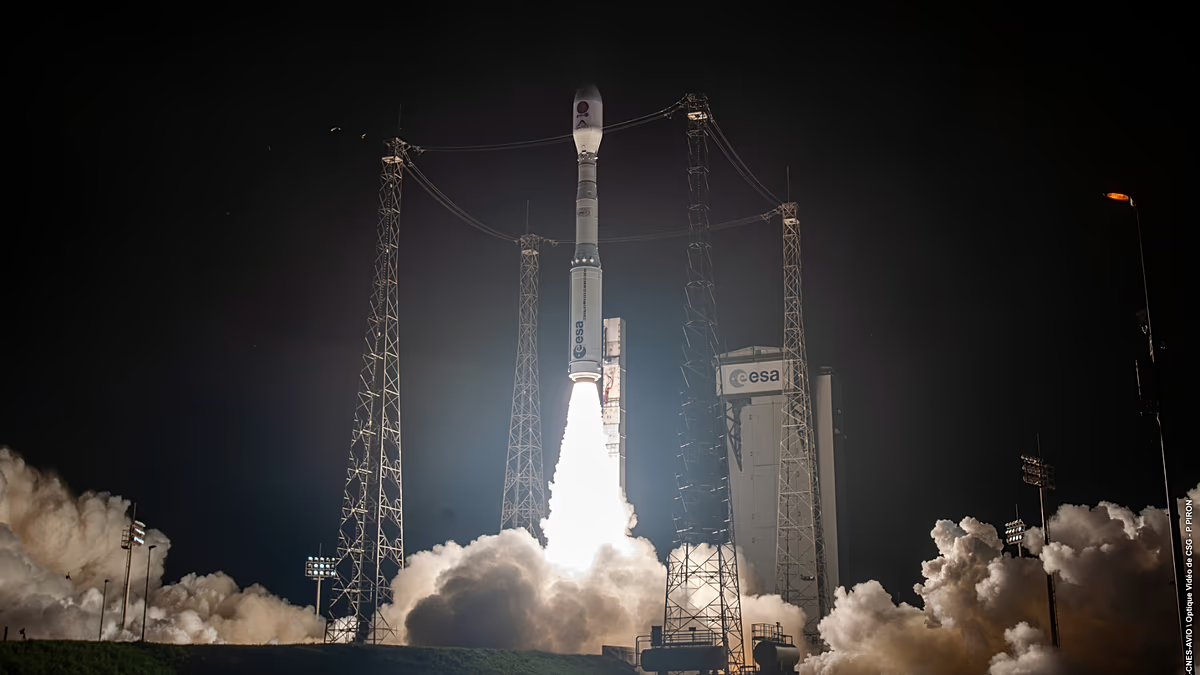
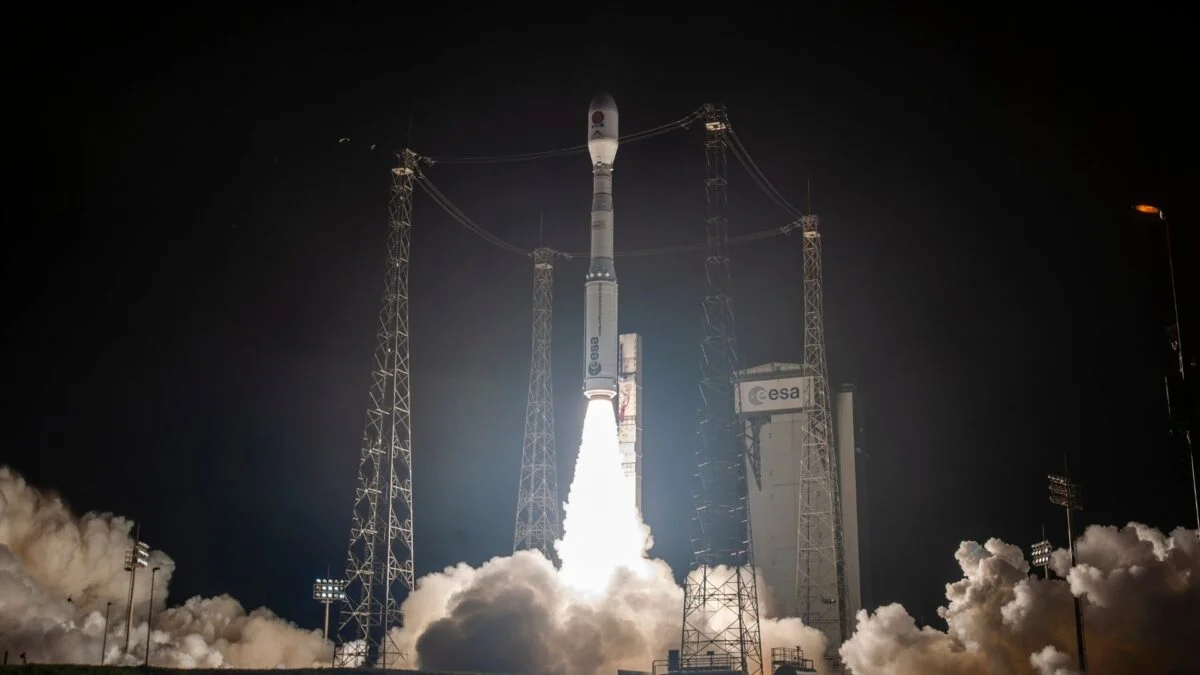
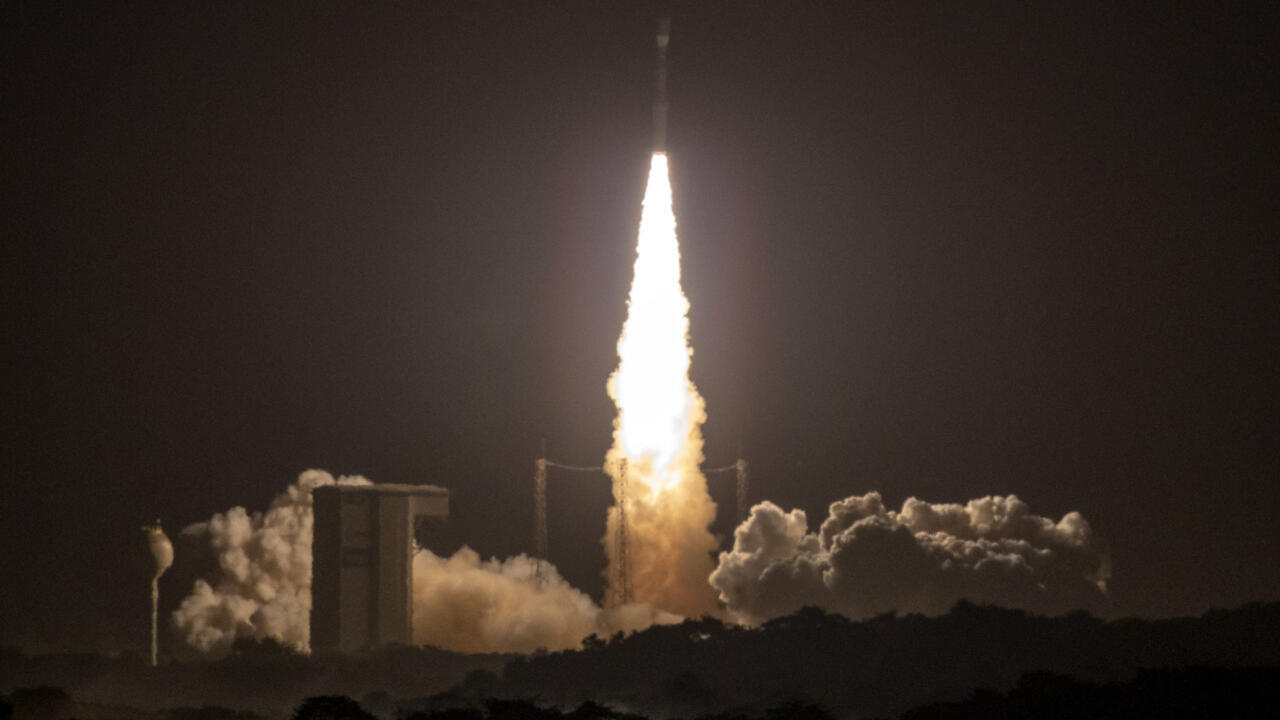
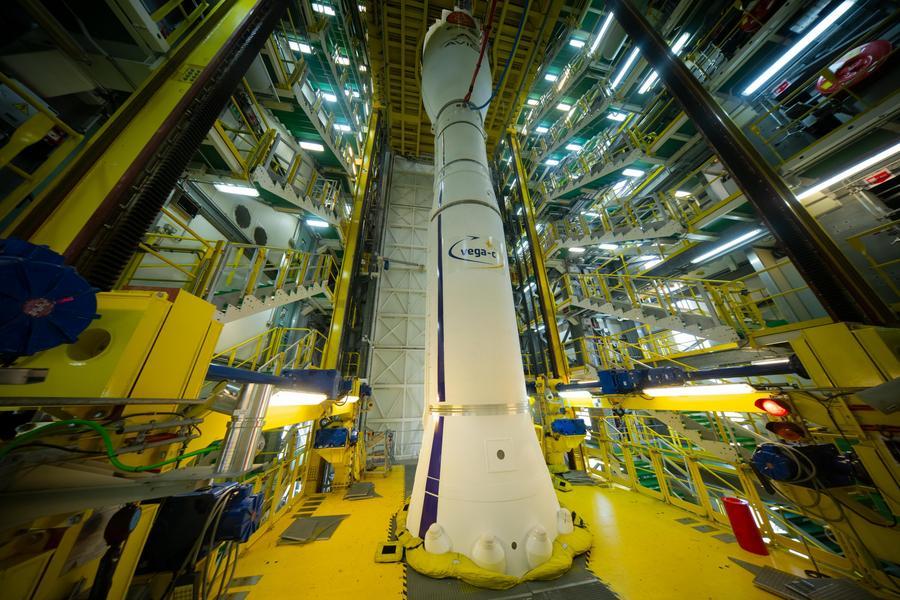
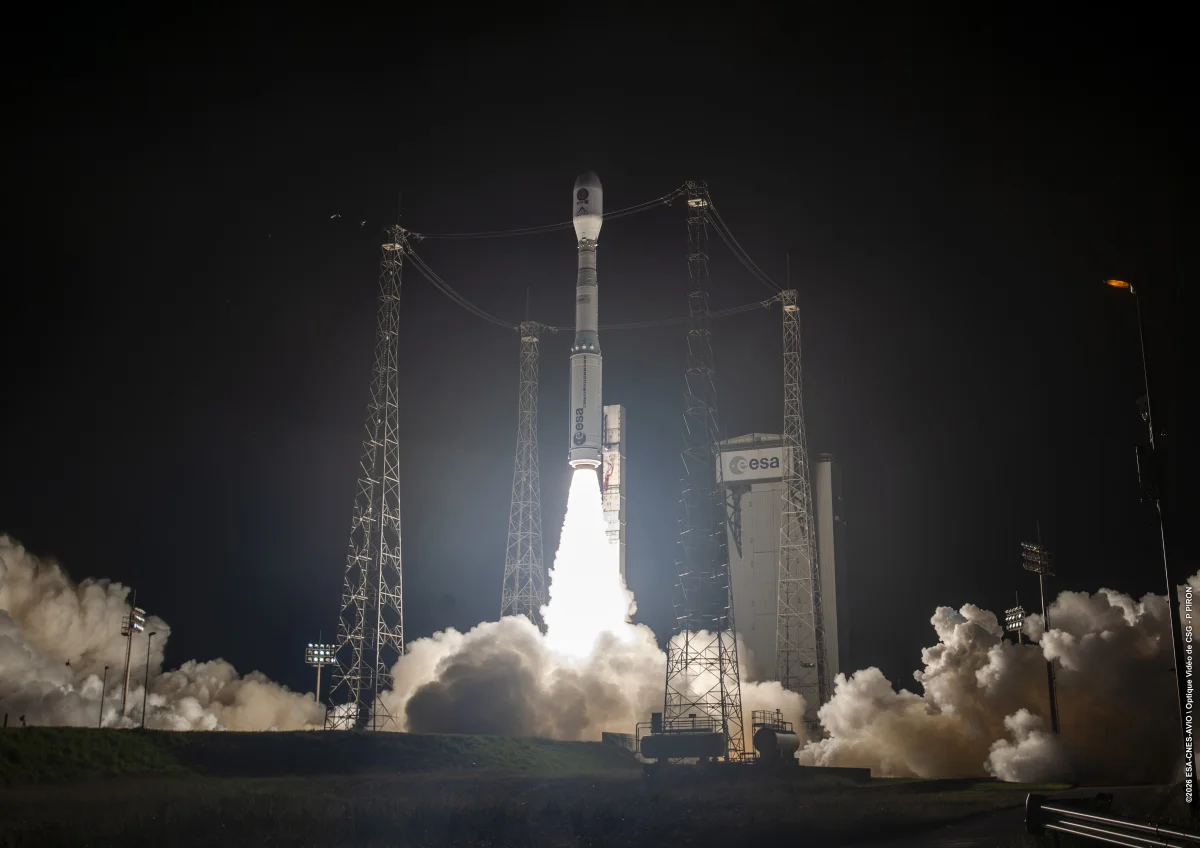
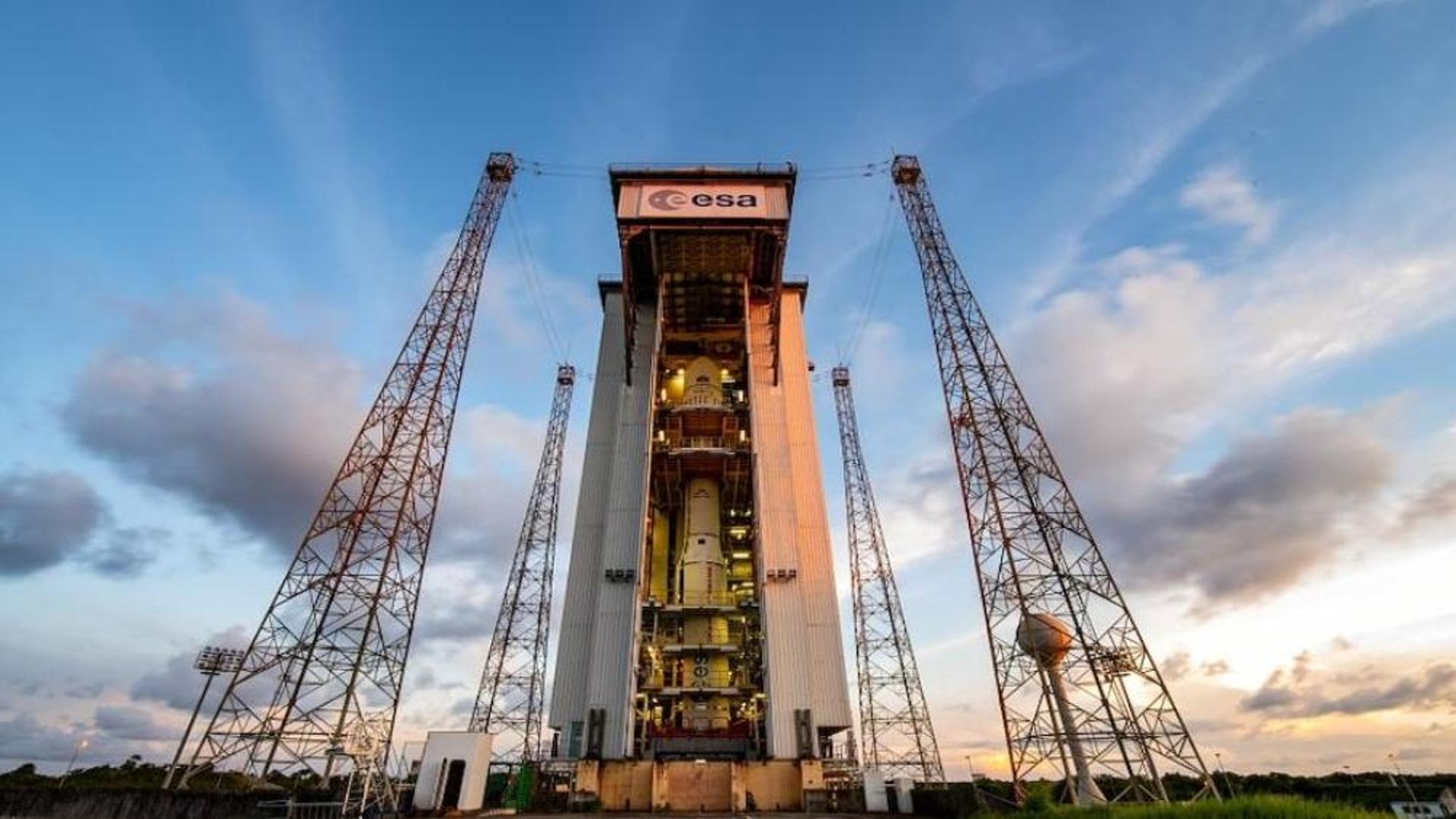
The Solar wind Magnetosphere Ionosphere Link Explorer (SMILE) mission, jointly developed by the European Space Agency and Chinese Academy of Sciences (CAS) is set to launch on a Vega C rocket from Kourou, French Guiana, in South America at 11:52 p.m. Eastern May 18 (0352 UTC or 0052 local time May 19).
The mission aims to improve our understanding of Earth’s magnetosphere and how it interacts with solar wind, solar storms and space weather, with implications for infrastructure in orbit and on Earth. The mission was selected competitively in 2015 from among 13 proposals spanning in astrophysics, heliophysics and fundamental physics made by joint ESA-CAS teams.
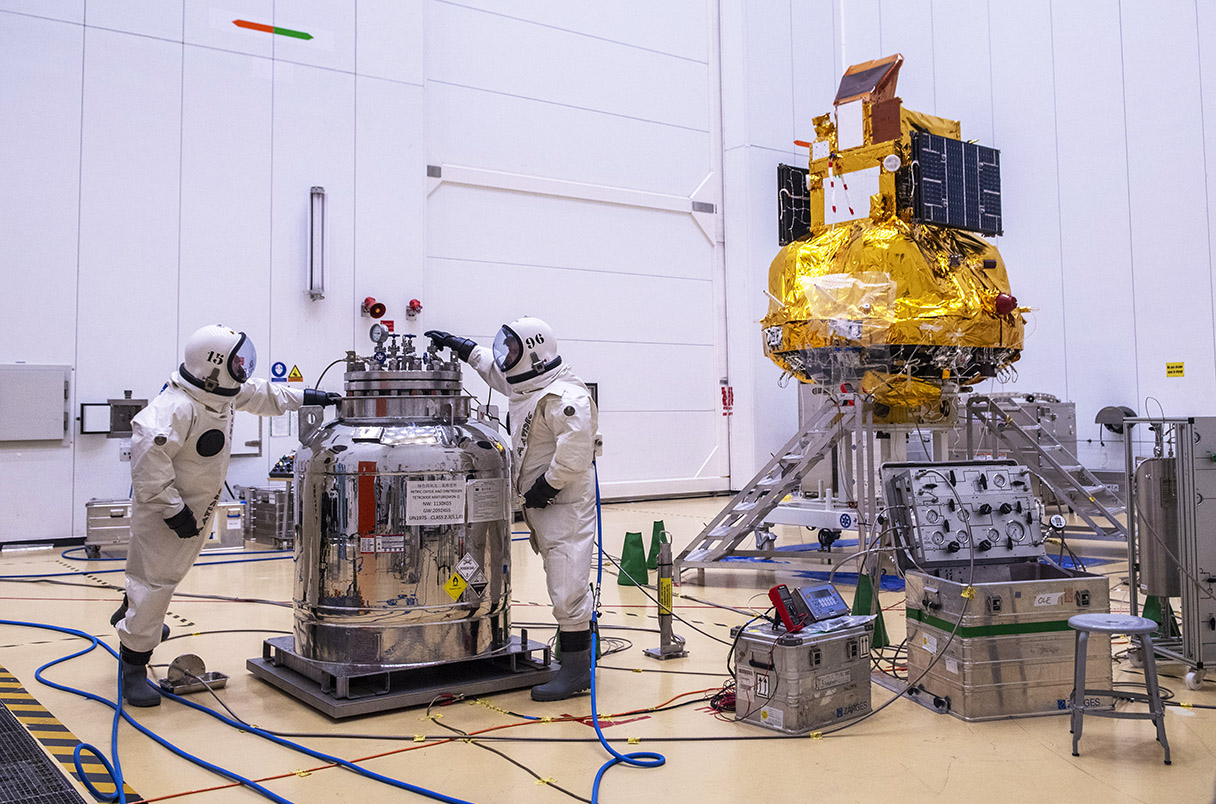
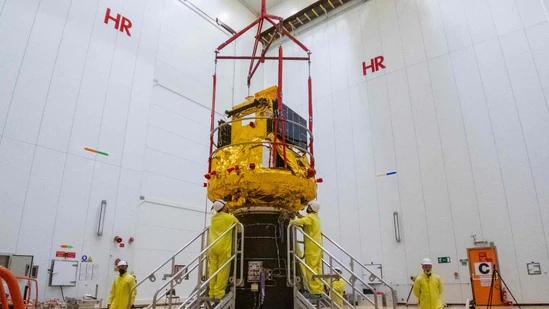
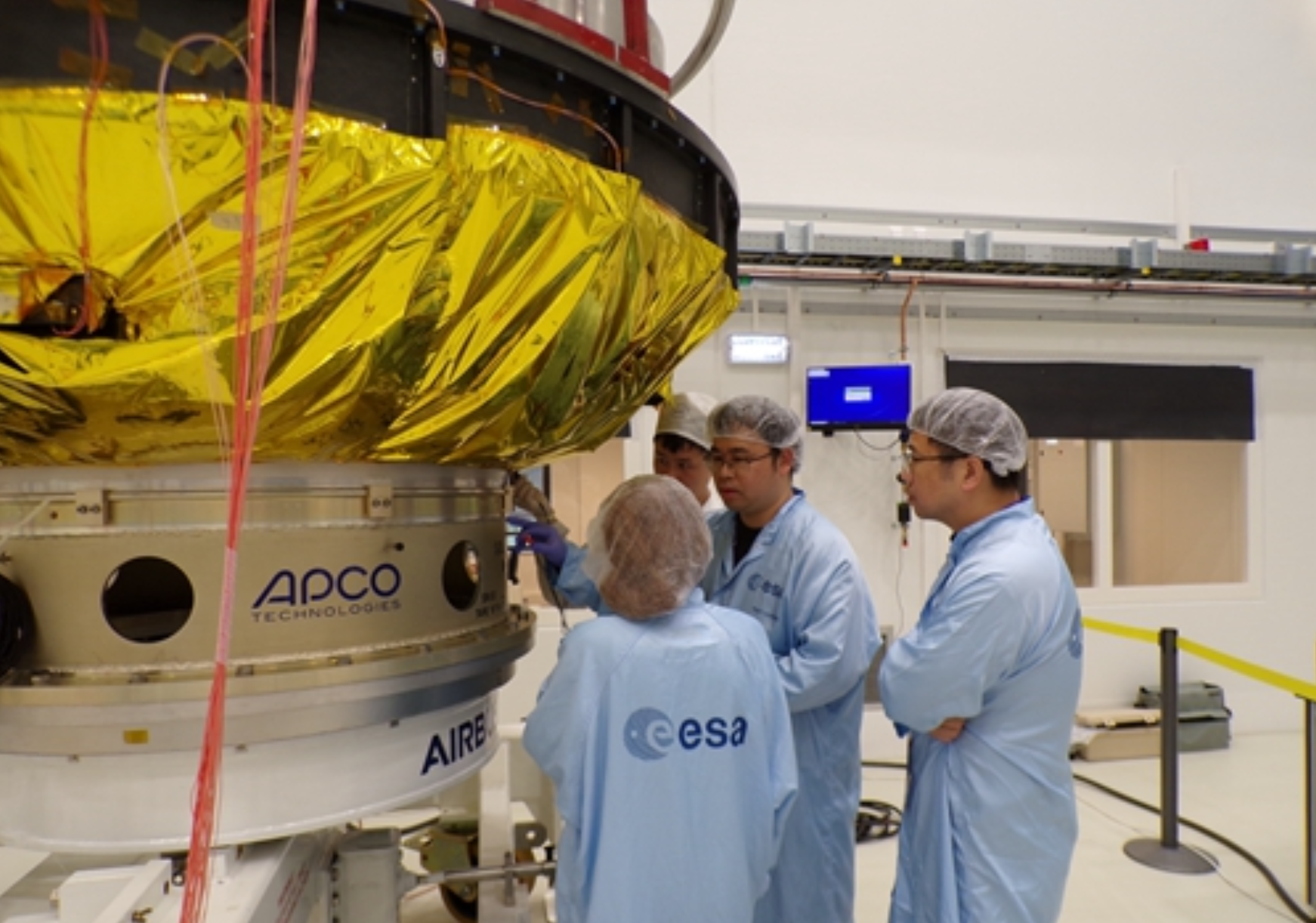
The 2,200-kilogram Smile spacecraft, including 1,500 kg of propellant, will be launched into a 70 degree inclined orbit, then use around 90 percent of its propellant over a period of a month to enter its highly inclined, highly elliptical orbit around Earth, Smile will reach an apogee of around 121,000 kilometers above the North Pole, allowing it to view the Sun-facing edge of Earth’s magnetic field with wide-field X-ray (SXI) and ultraviolet (UVI) cameras.