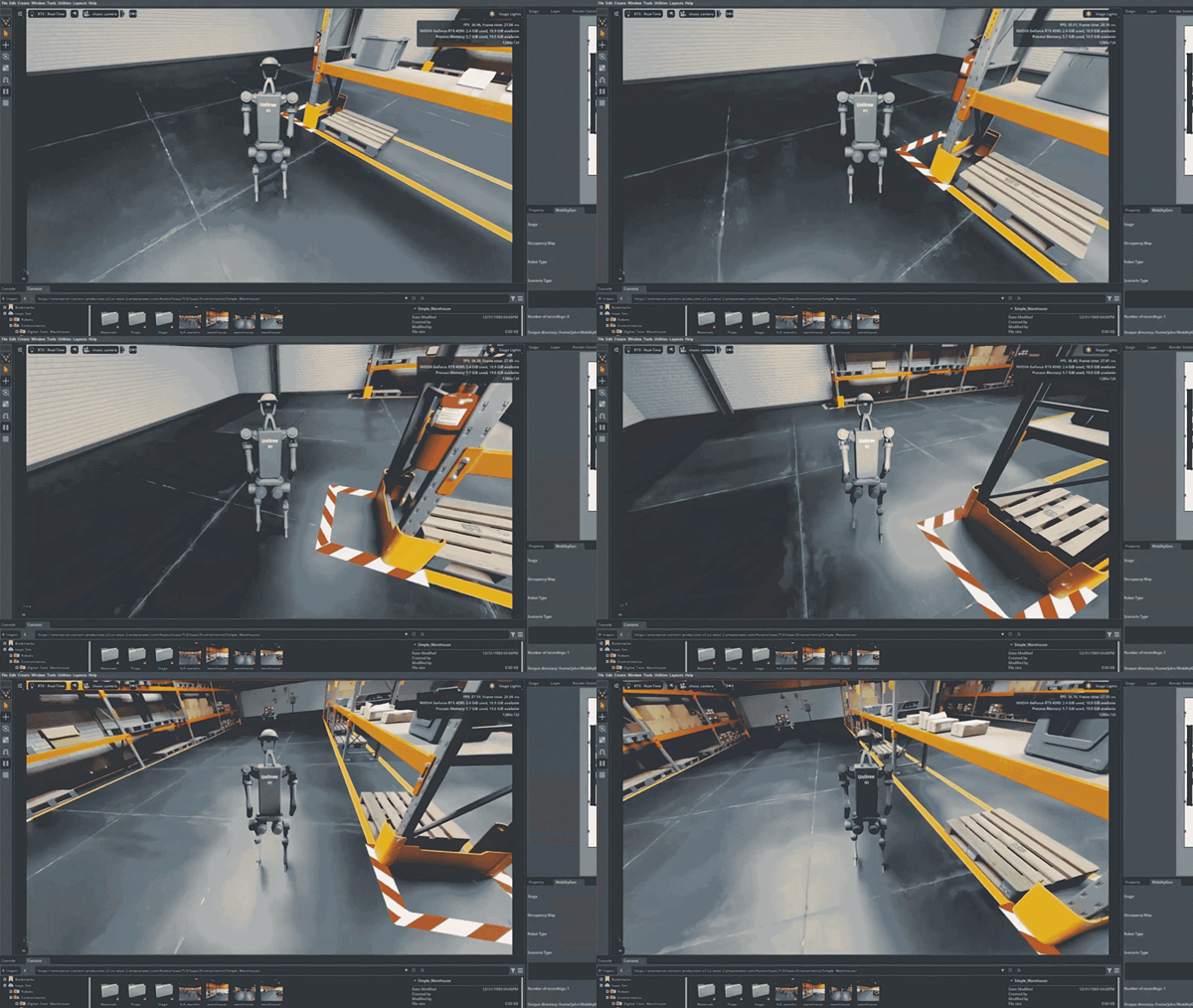
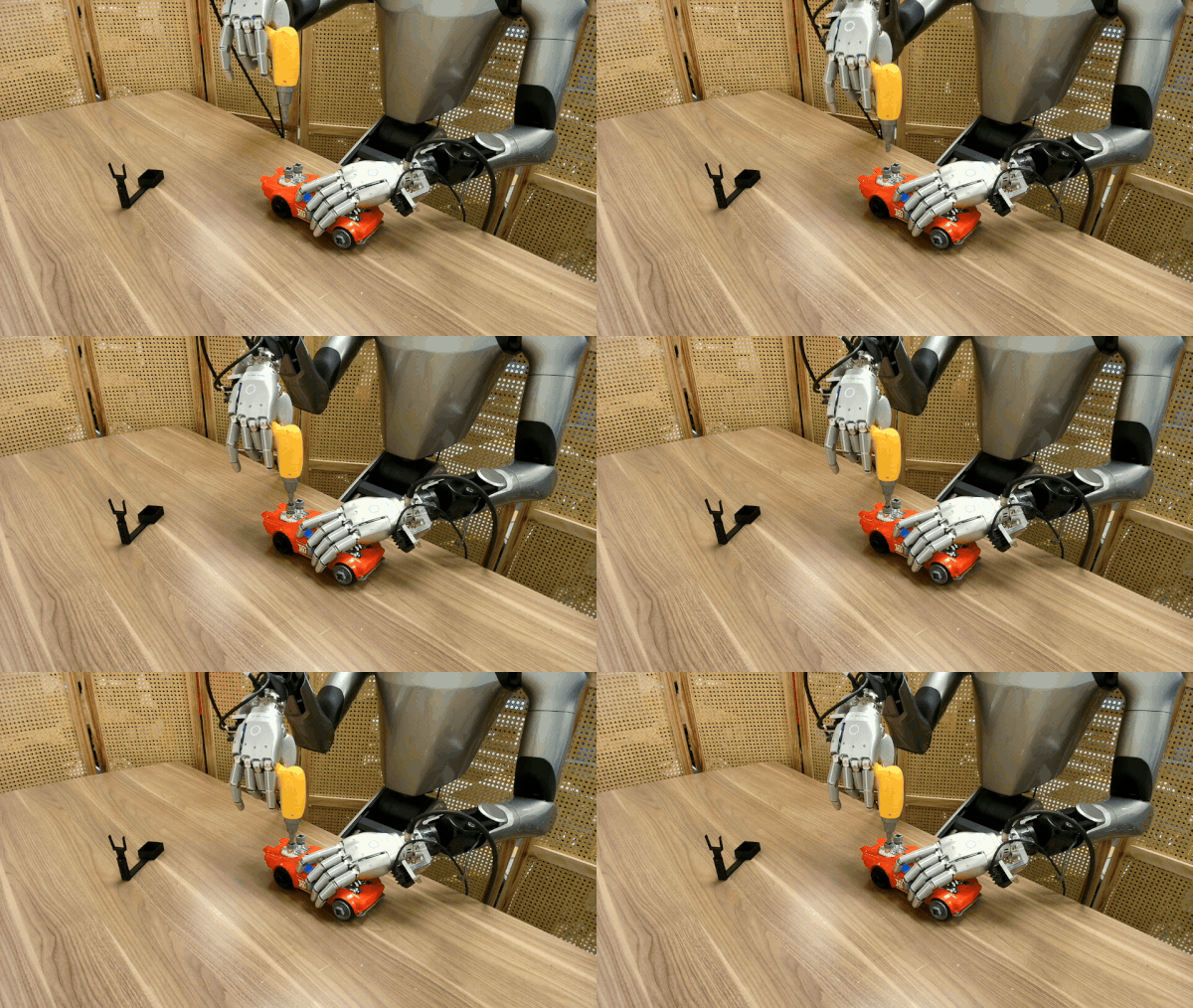
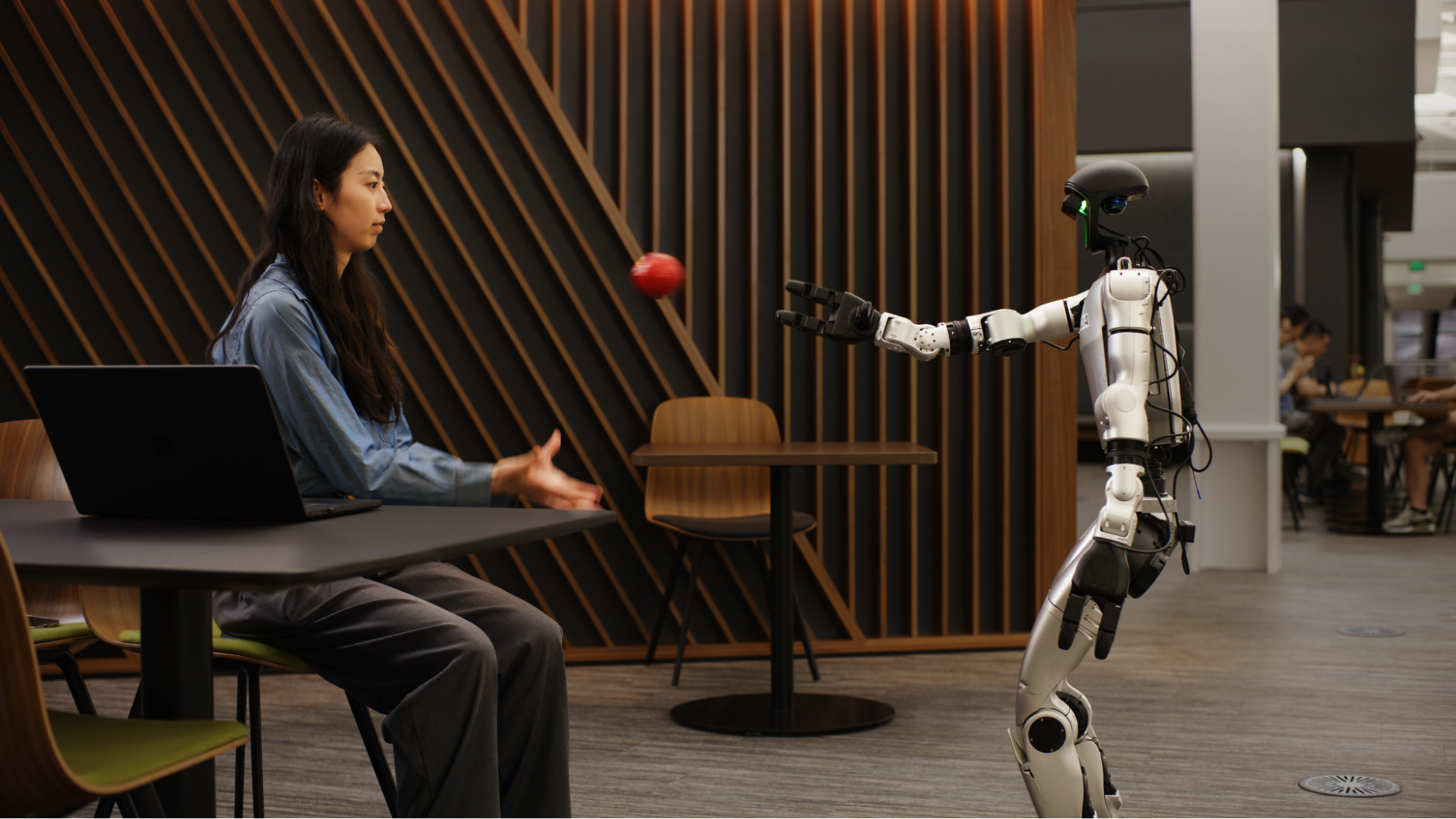
As robots take on increasingly dynamic mobility tasks, developers need physics-accurate simulations that translate across environments and workloads. Training robot policies and models to do these tasks requires a large amount of diverse, high-quality data, which is often expensive and time-consuming to collect in the physical world. Therefore, generating synthetic data at scale using cloud technology is essential to accelerate physical AI.
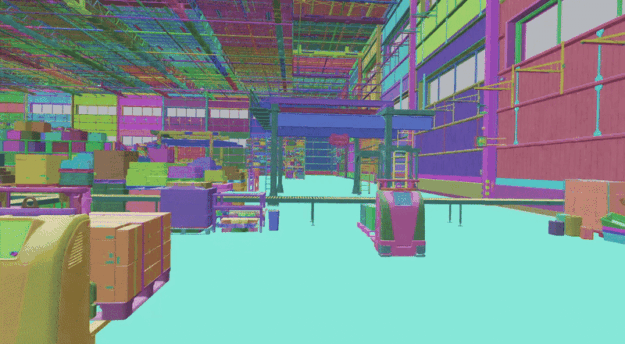
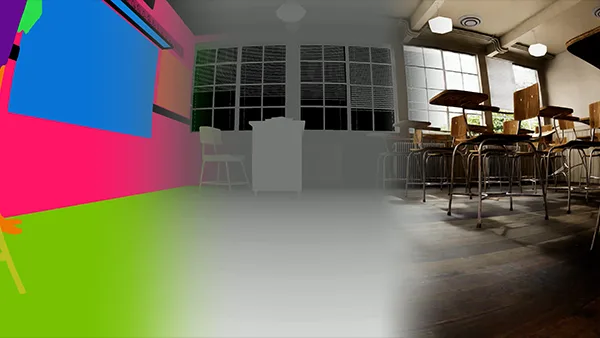
Synthetic data generated in physics-accurate simulated environments with open source robotics simulation frameworks such as NVIDIA Isaac Sim and augmented with open world foundation models such as NVIDIA Cosmos Transfer which helps close the real-world data gap.
To run these workloads at scale, developers can use NVIDIA OSMO, an open source cloud-native orchestrator for physical AI workflows. OSMO provides a single command center to define, run, and monitor any multistage physical AI pipeline across diverse compute environments.
Figure 1. NVIDIA OSMO workflow can manage multiple robotics pipelines across compute environments in a single workstream
This post explores:
 aws.amazon.com