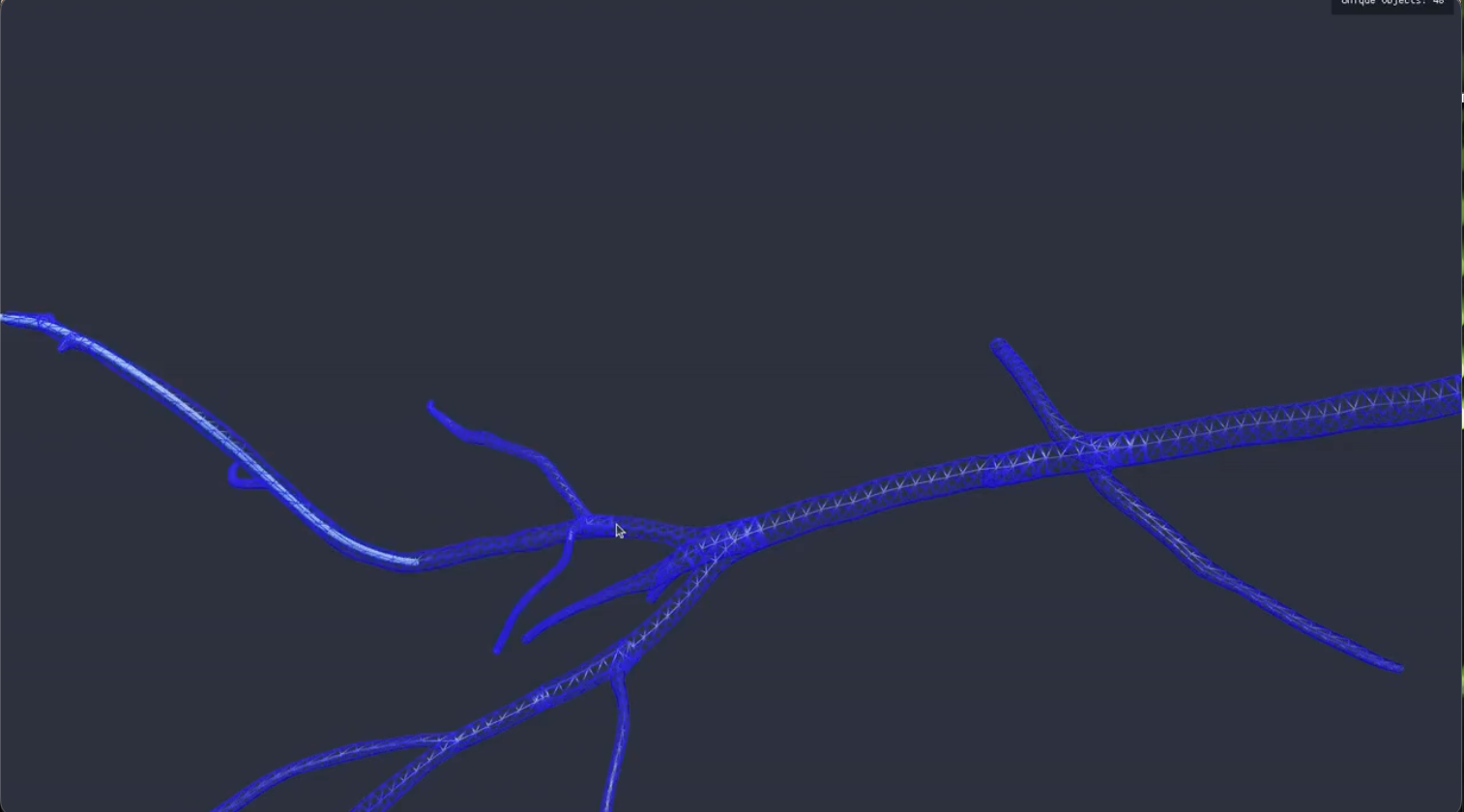
Physics forms the foundation of robotic simulation, enabling realistic modeling of motion and interaction. For tasks like locomotion and manipulation, simulators must handle complex dynamics such as contact forces and deformable objects. While most engines trade off speed for realism, Newton—a GPU-accelerated, open source simulator—is designed to do both.
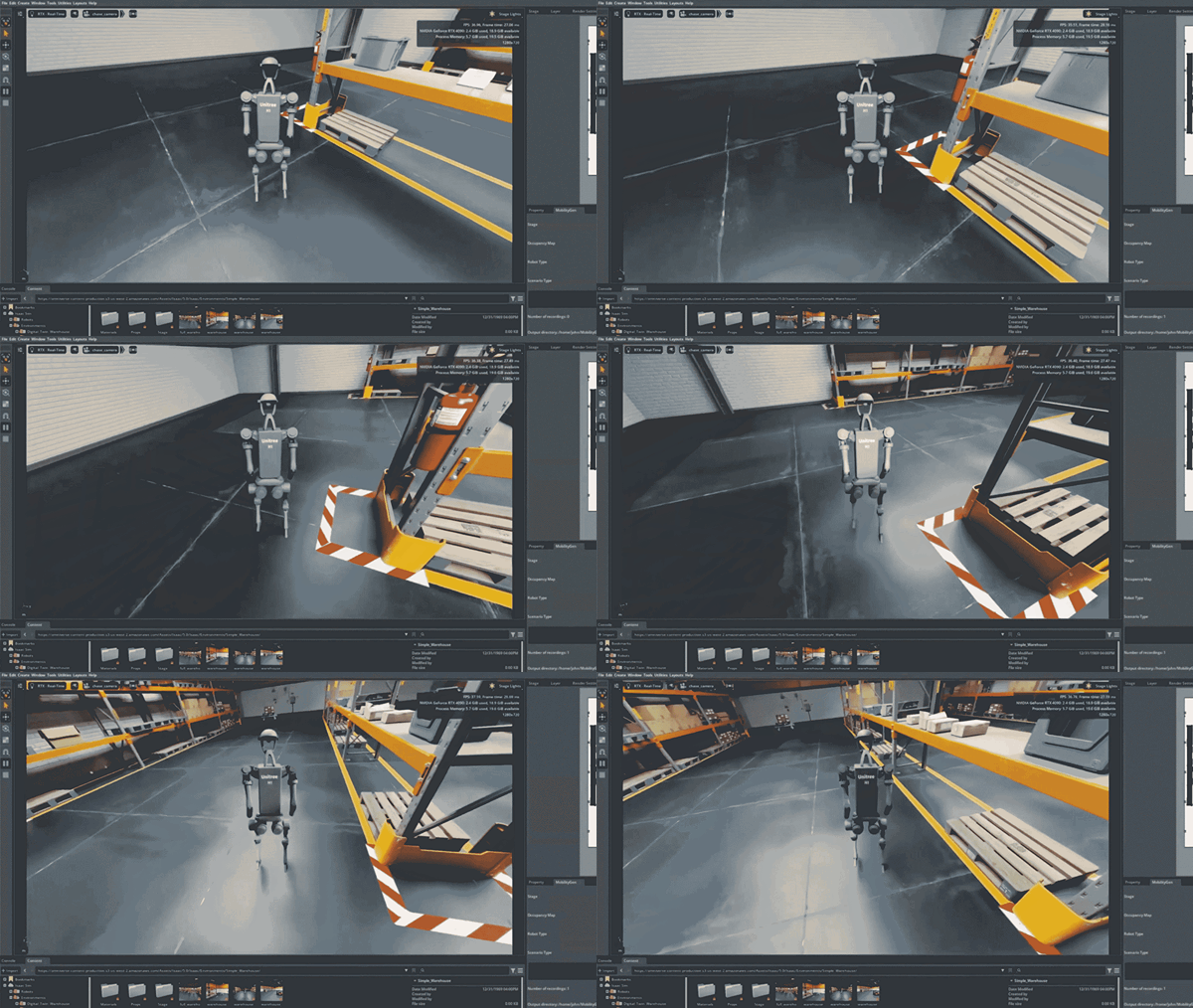
Newton 1.0 GA, announced at NVIDIA GTC 2026, is delivering an accelerated, production-ready foundation for dexterous manipulation and locomotion tasks. As an extensible physics engine built on NVIDIA Warp and OpenUSD, robots can learn how to handle complex tasks with greater precision, speed, and extensibility while using frameworks such as NVIDIA Isaac Lab and NVIDIA Isaac Sim.
Newton is a modular framework that brings together multiple solvers and simulation components behind a unified architecture. Rather than being tied to a single scene format, it supports a broad runtime data model that spans common robotics descriptions such as MJCF, URDF, and OpenUSD, making it easier to connect existing robot assets and workflows. Teams can mix and match collision detection, contact models, sensors, control, and solver backends—rigid-body and deformable solvers as well as custom solvers—while keeping a consistent simulation stack for robot learning and development.