Editor’s note: This post is part of Into the Omniverse, a series focused on how developers, 3D practitioners, and enterprises can transform their workflows using the latest advances in OpenUSD and NVIDIA Omniverse.
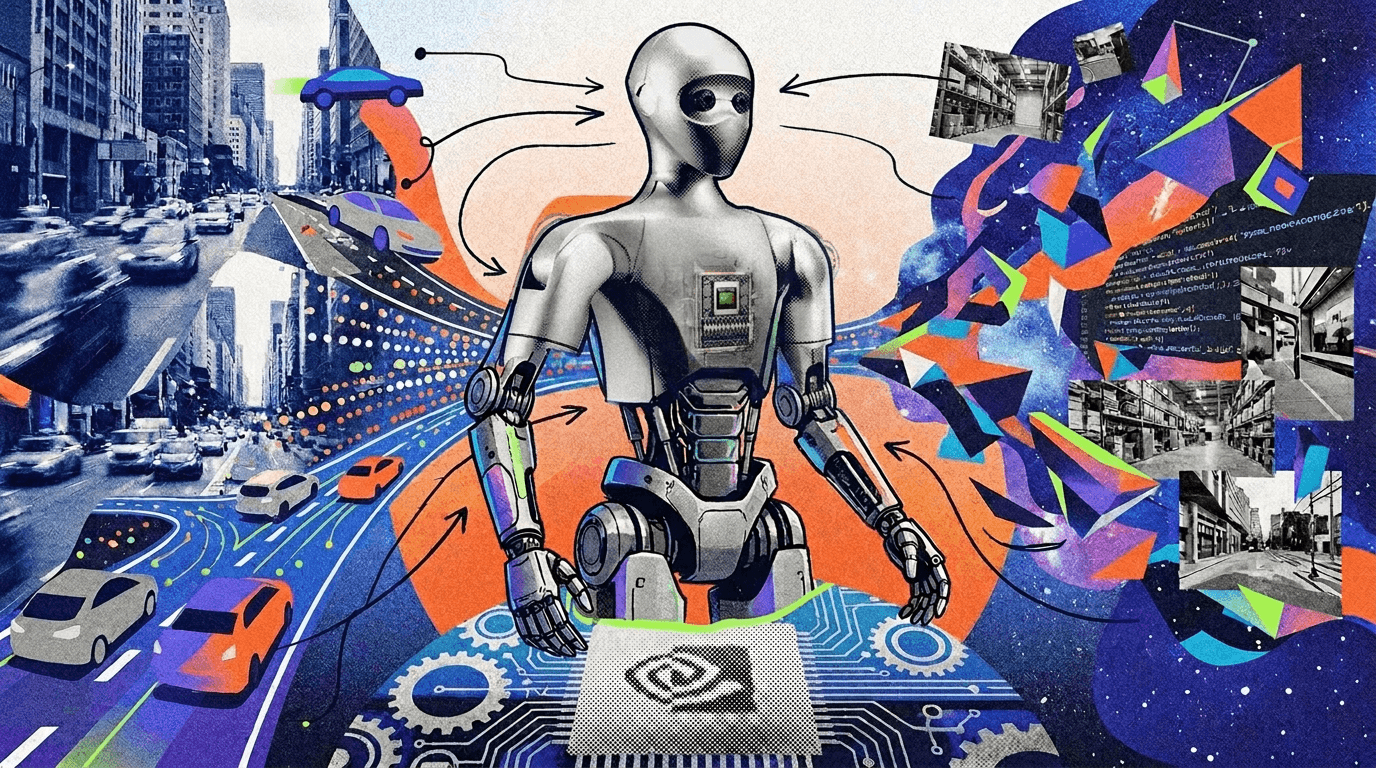
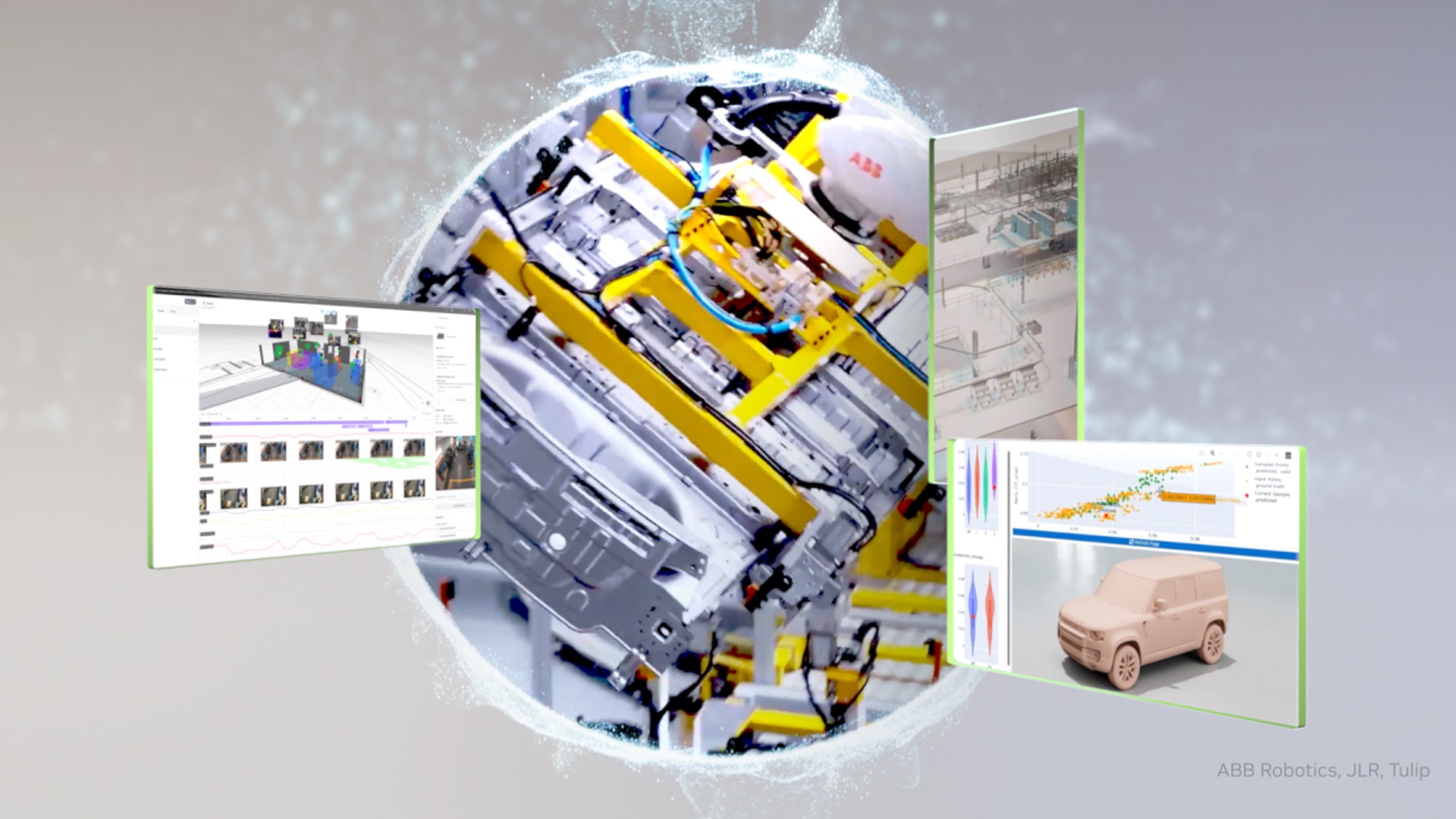
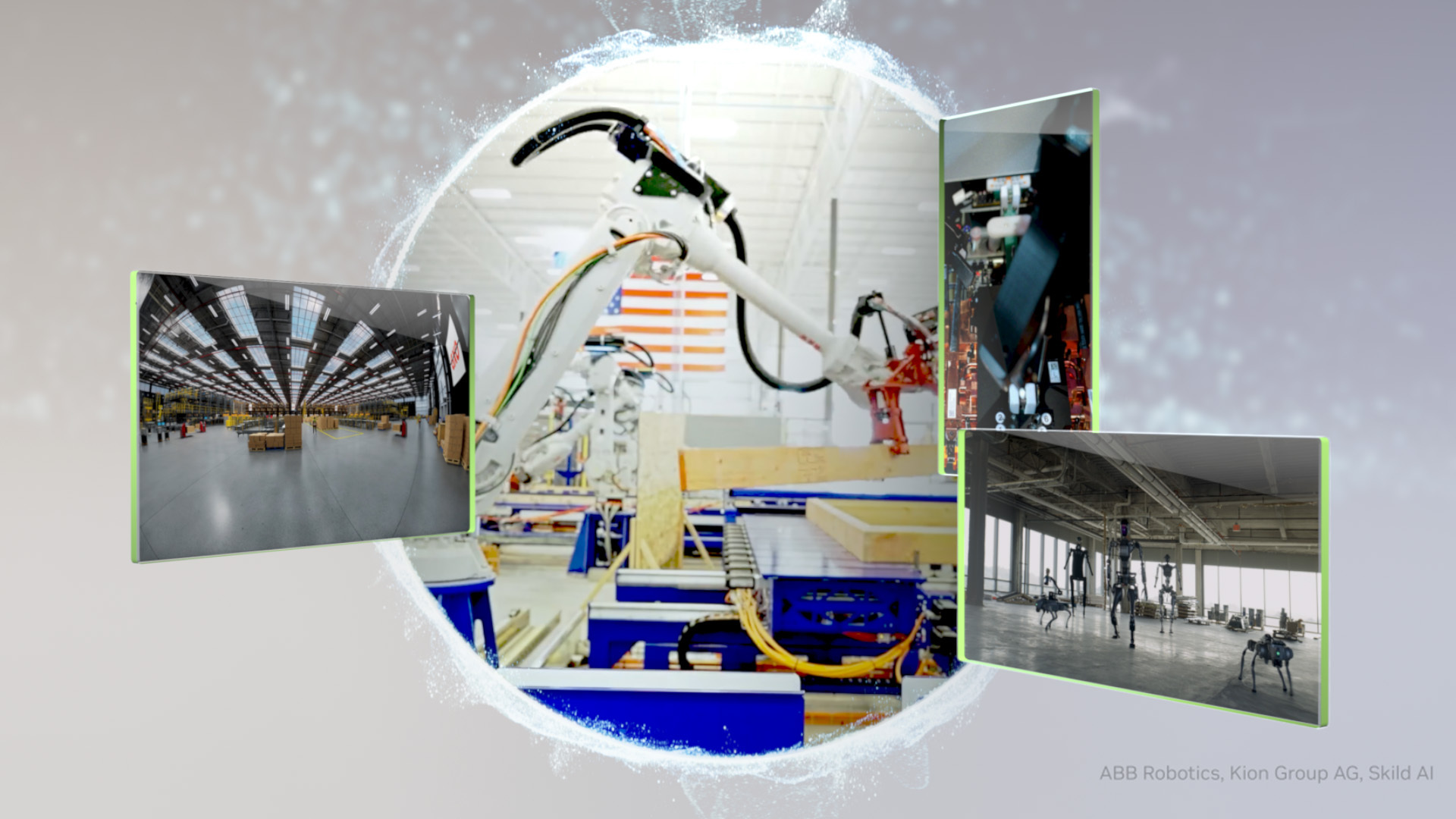
NVIDIA GTC last week showcased a turning point in physical AI: Robots, vehicles and factories are scaling from single use cases and isolated deployments to sophisticated enterprise workloads across industries.
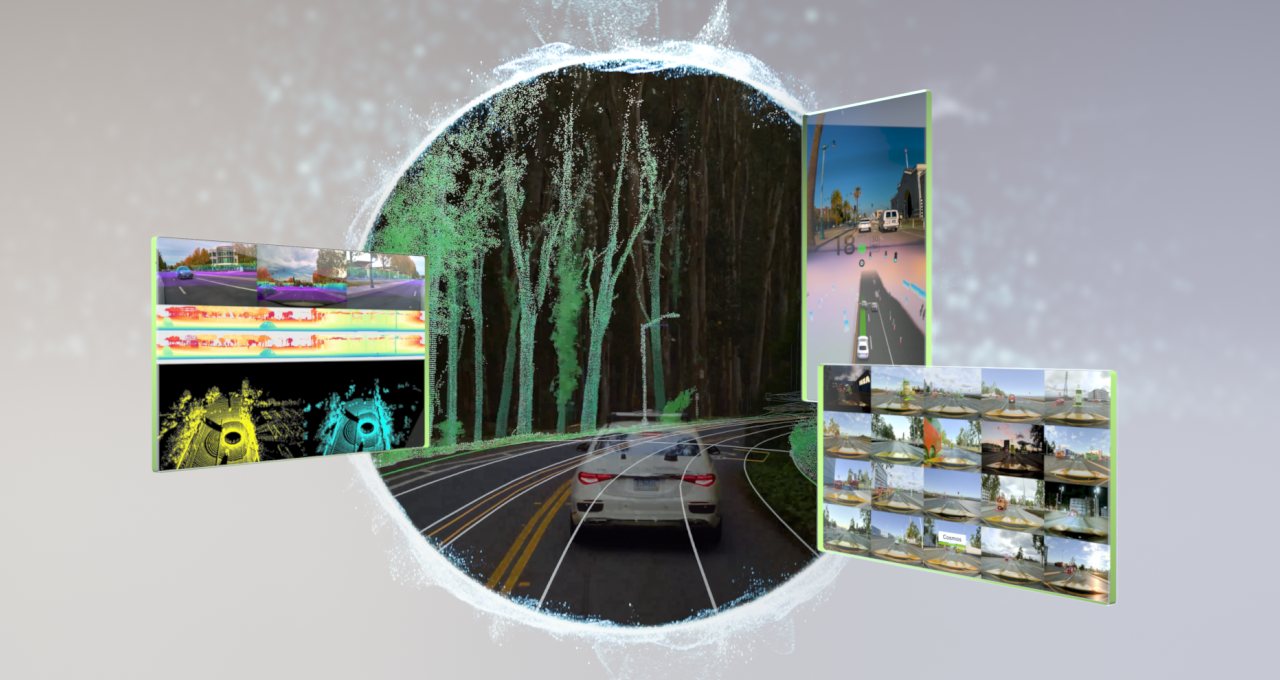
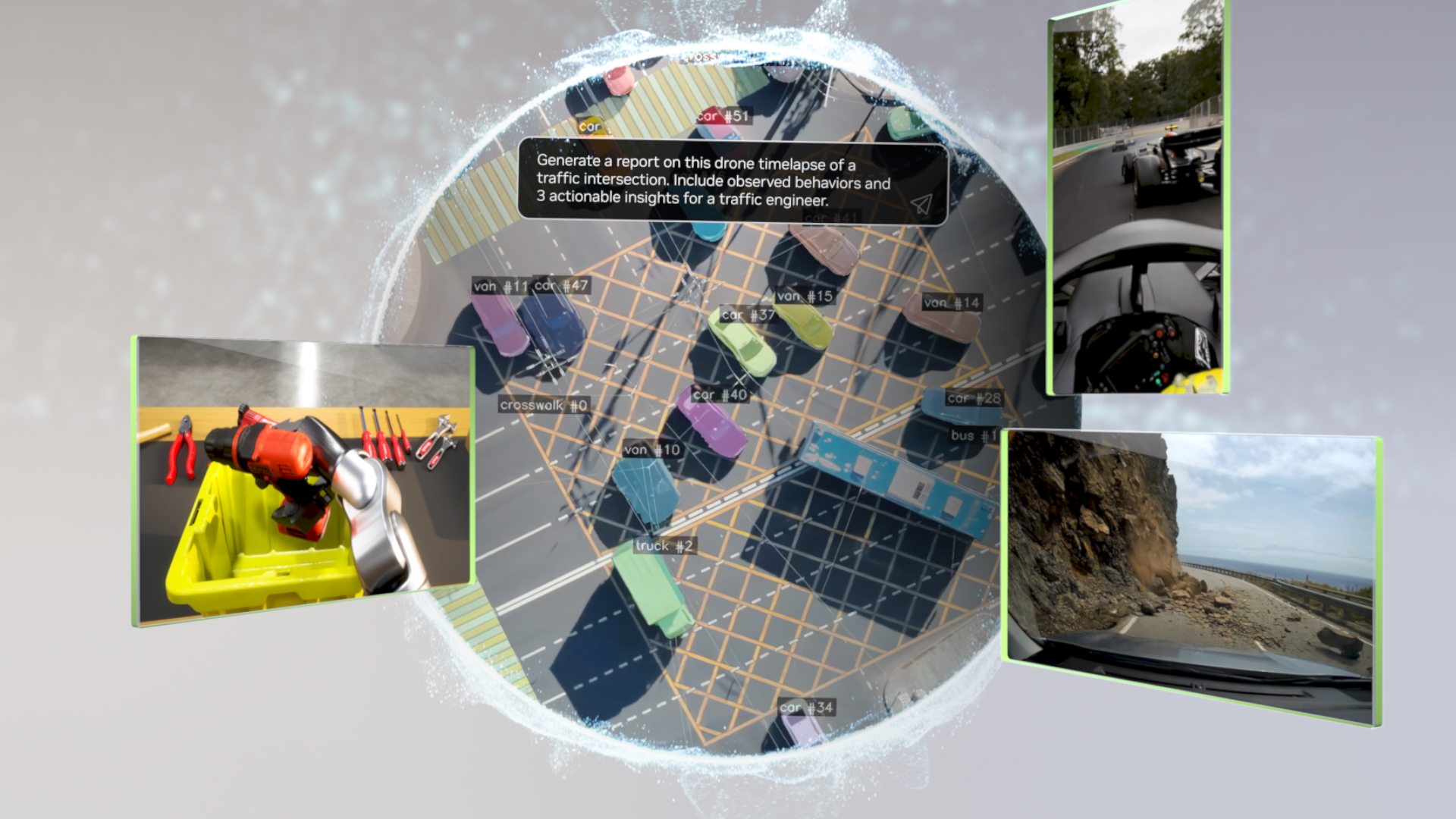
At the center of this shift are new frontier models for physical AI, including NVIDIA Cosmos 3, NVIDIA Isaac GR00T N1.7 and NVIDIA Alpamayo 1.5.
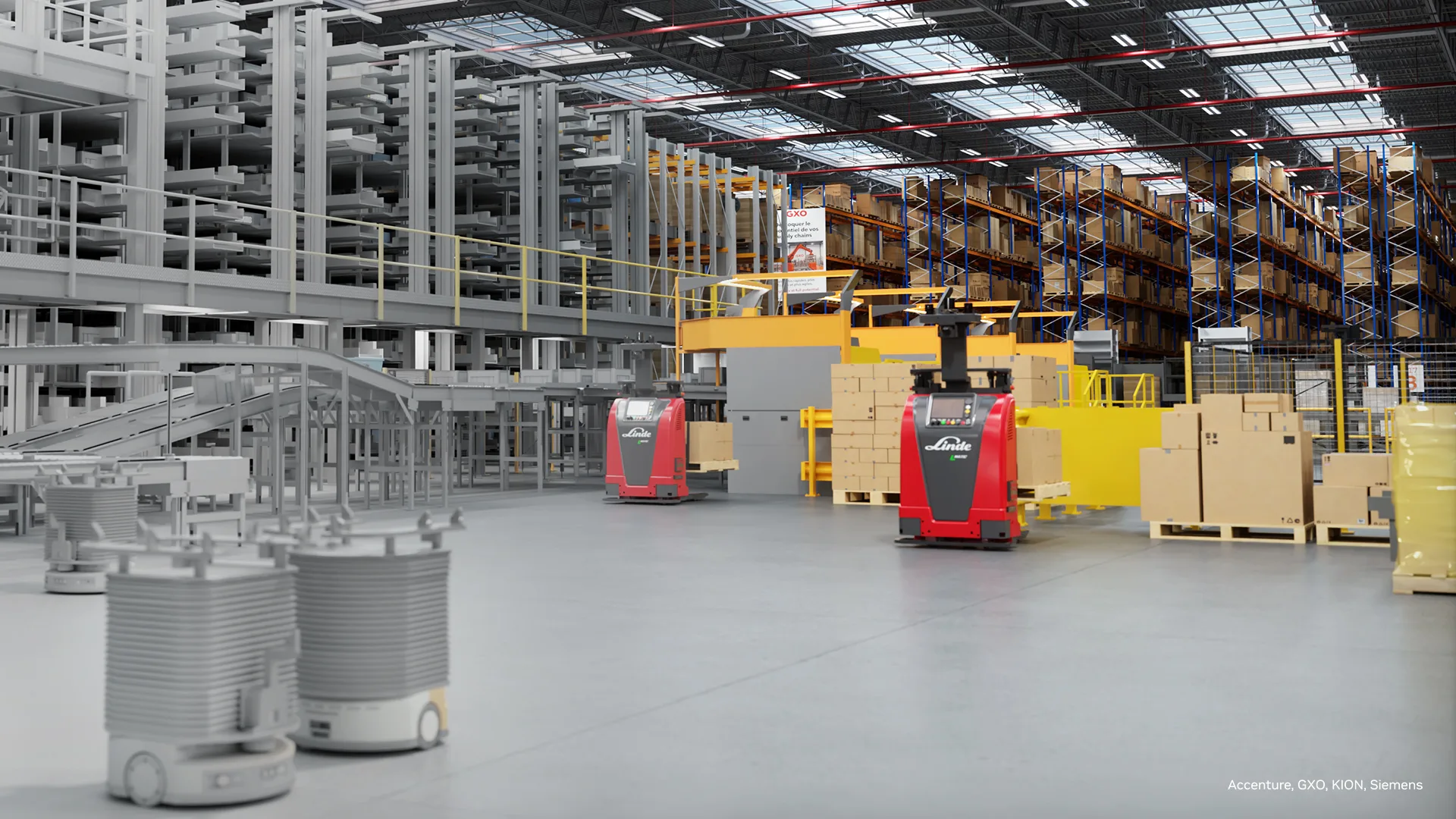
NVIDIA also released the NVIDIA Physical AI Data Factory Blueprint, designed to push the state of the art in world modeling, humanoid skills and autonomous driving, as well as the NVIDIA Omniverse DSX Blueprint for AI factory digital twin simulation.
Open source agentic frameworks such as OpenClaw extend the AI stack all the way to operations — enabling long‑running “claws” that use tools, memory and messaging interfaces to orchestrate workflows, manage data pipelines and execute tasks autonomously on dedicated machines.