Editor’s note: This post is part of Into the Omniverse, a series focused on how developers, 3D practitioners and enterprises can transform their workflows using the latest advancements in OpenUSD and NVIDIA Omniverse.
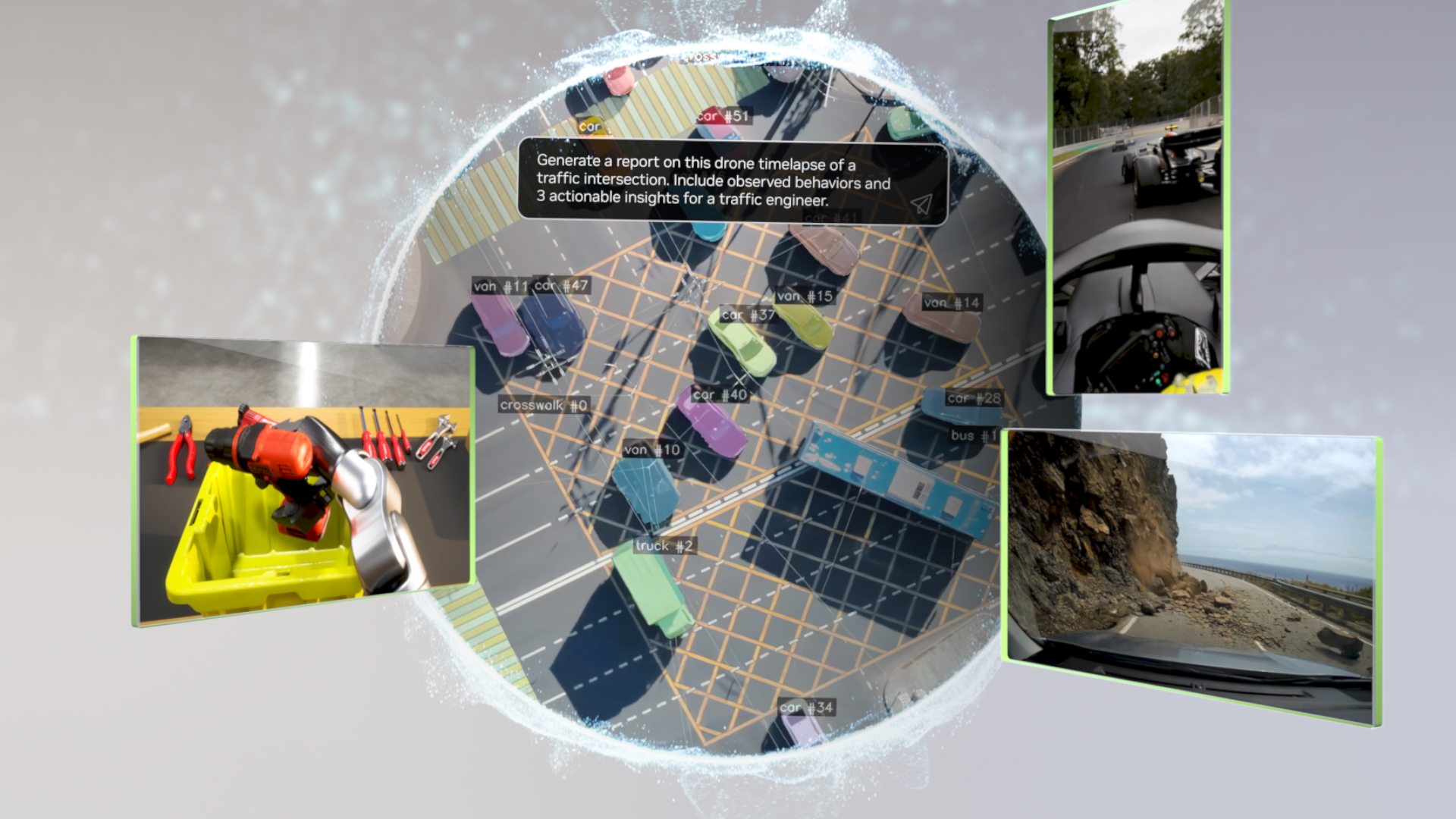
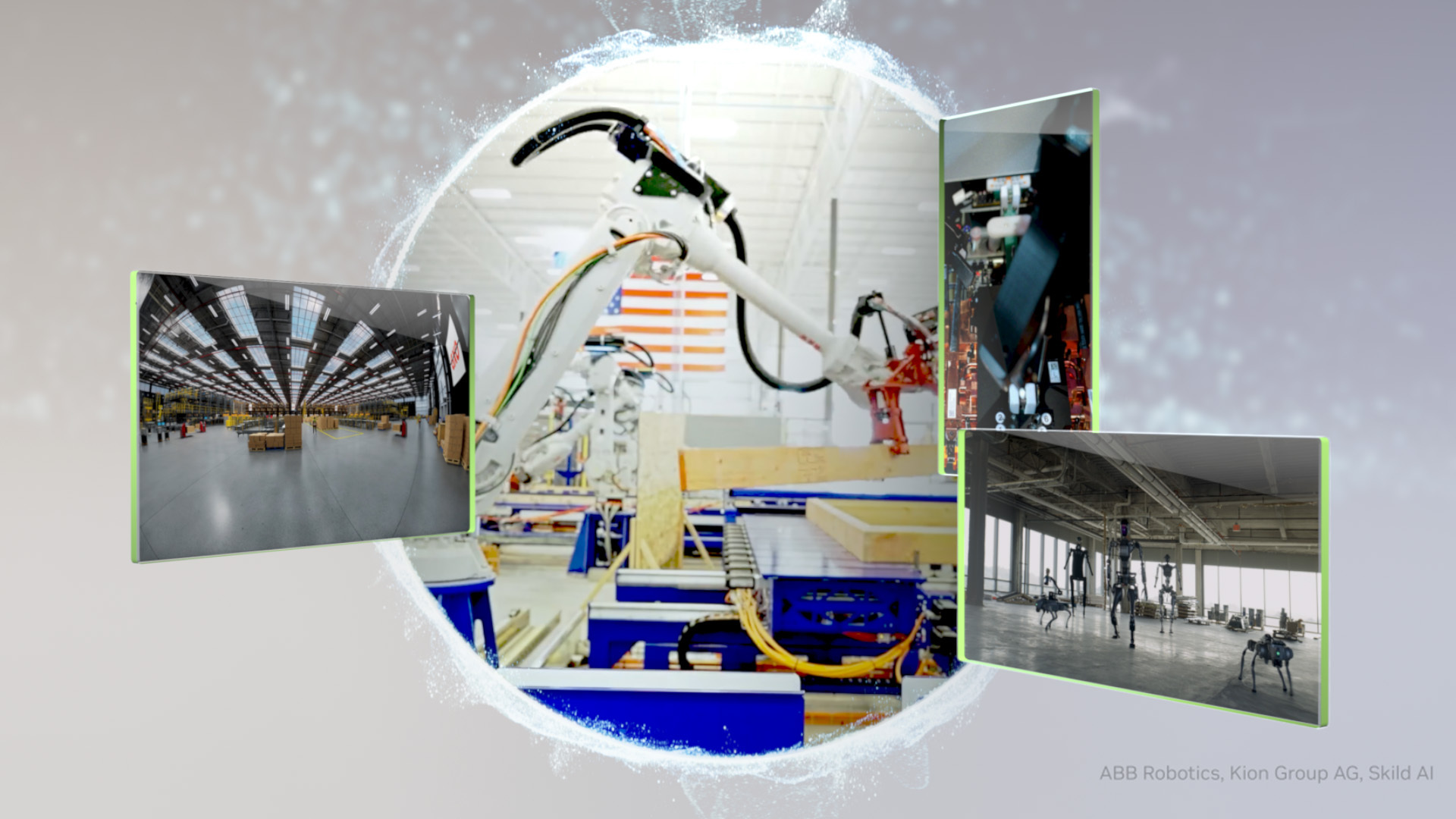
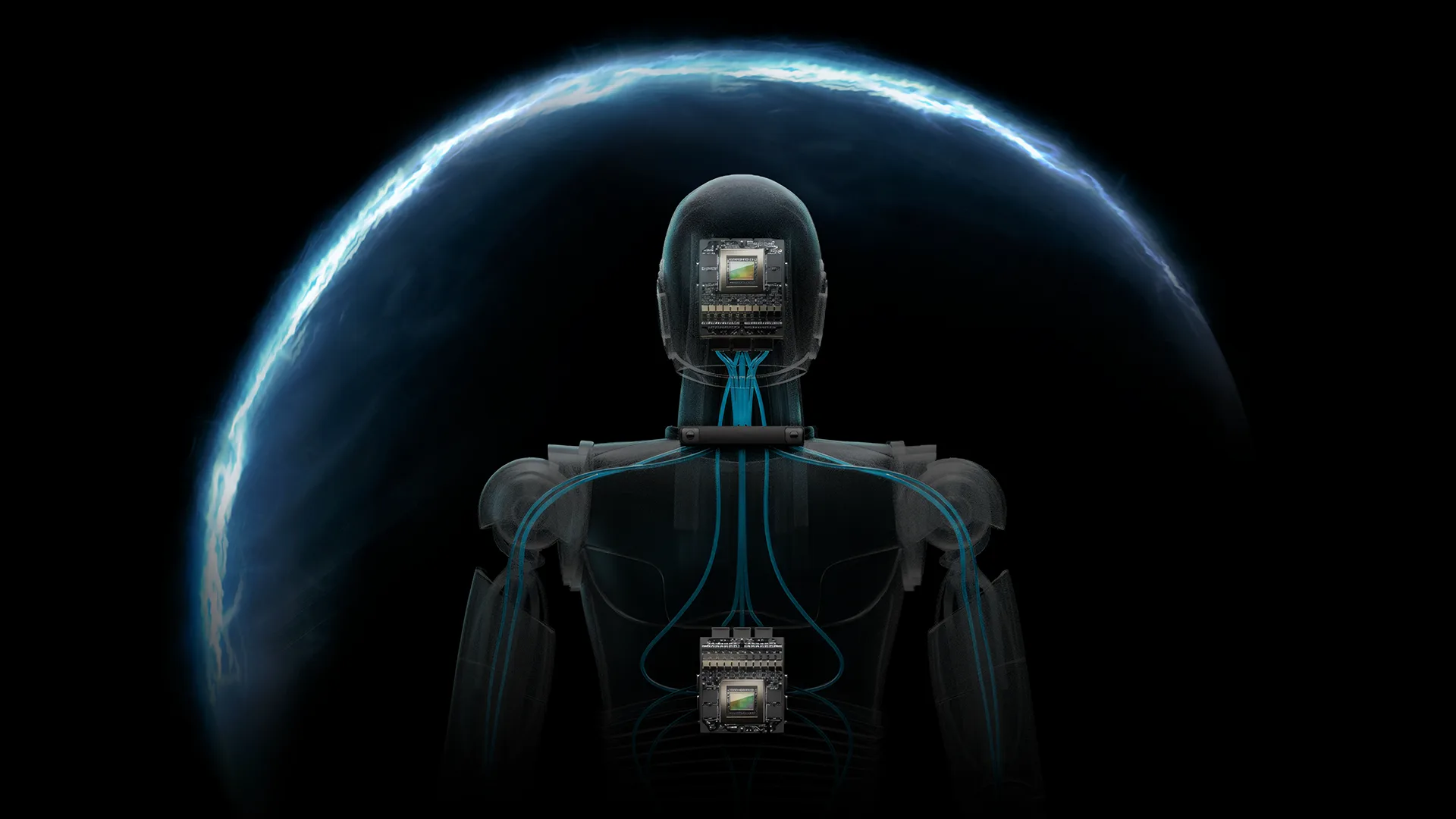
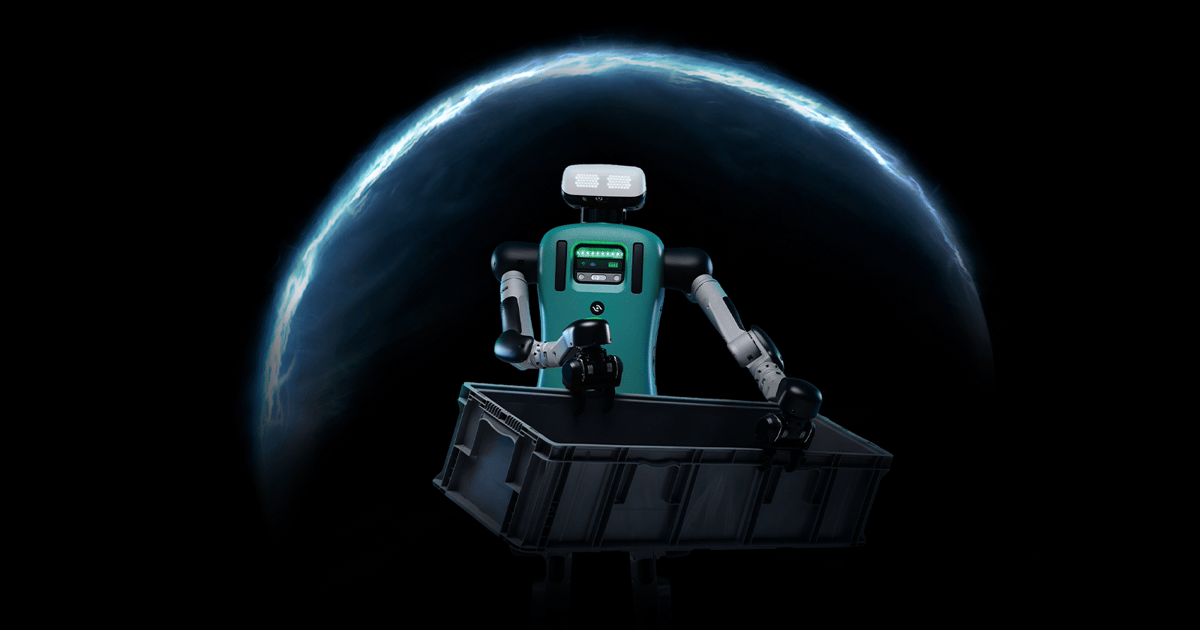
Physical AI is moving from research labs into the real world, powering intelligent robots and autonomous vehicles (AVs) — such as robotaxis — that must reliably sense, reason and act amid unpredictable conditions.
To safely scale these systems, developers need workflows that connect real-world data, high-fidelity simulation and robust AI models atop the common foundation provided by the OpenUSD framework.
The recently published OpenUSD Core Specification 1.0, OpenUSD — aka Universal Scene Description — now defines standard data types, file formats and composition behaviors, giving developers predictable, interoperable USD pipelines as they scale autonomous systems.
Powered by OpenUSD, NVIDIA Omniverse libraries combine NVIDIA RTX rendering, physics simulation and efficient runtimes to create digital twins and simulation-ready (SimReady) assets that accurately reflect real-world environments for synthetic data generation and testing.