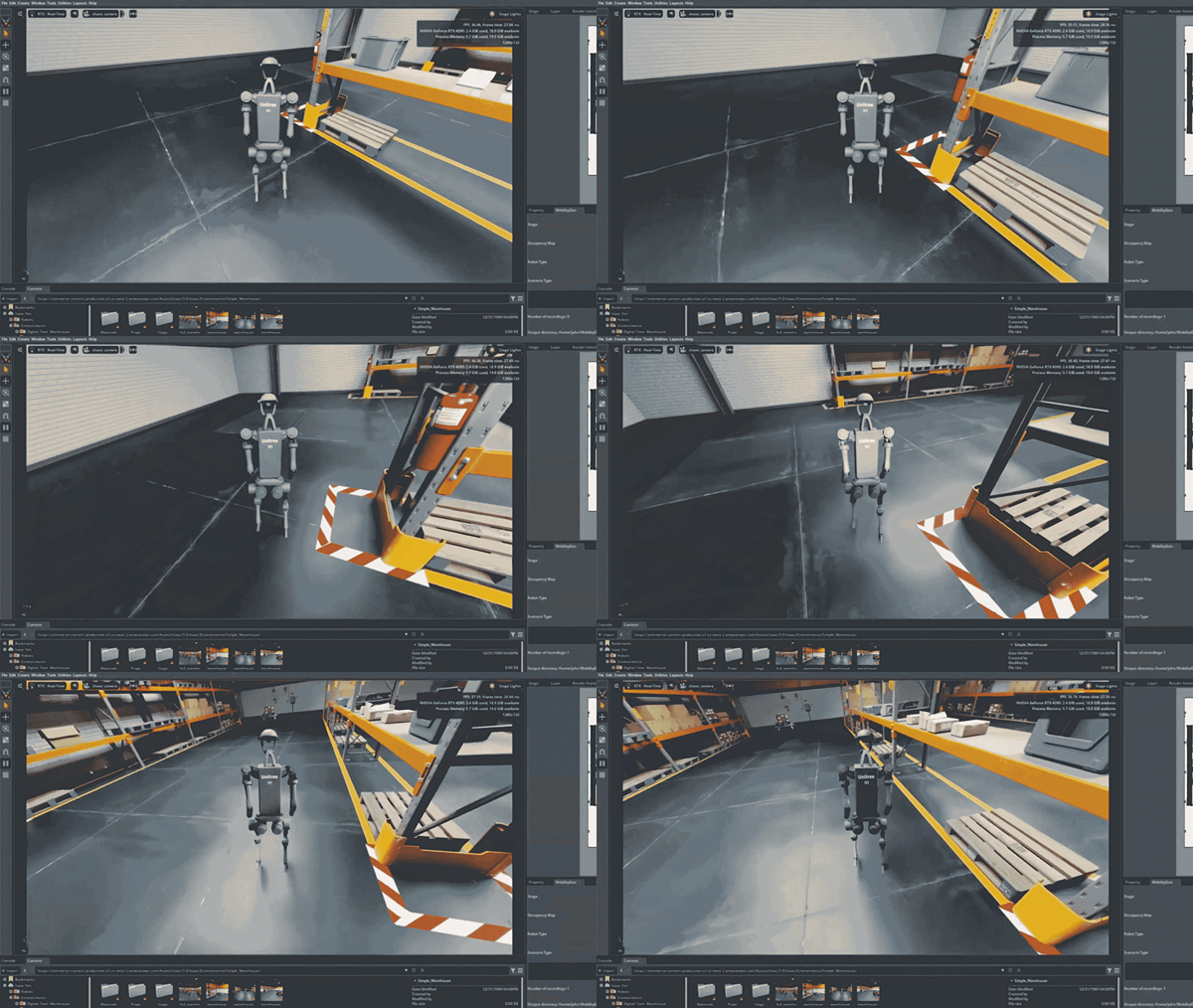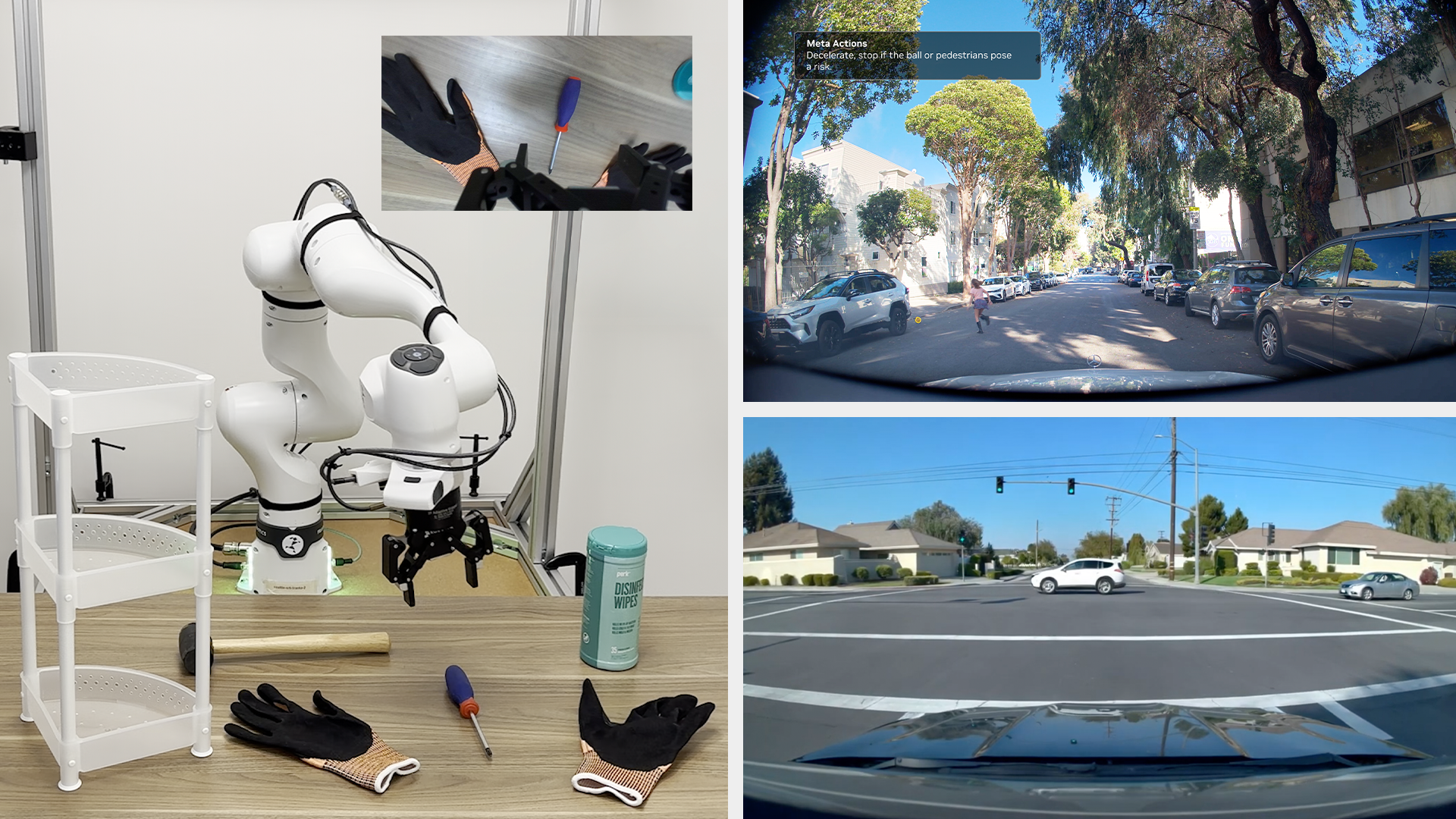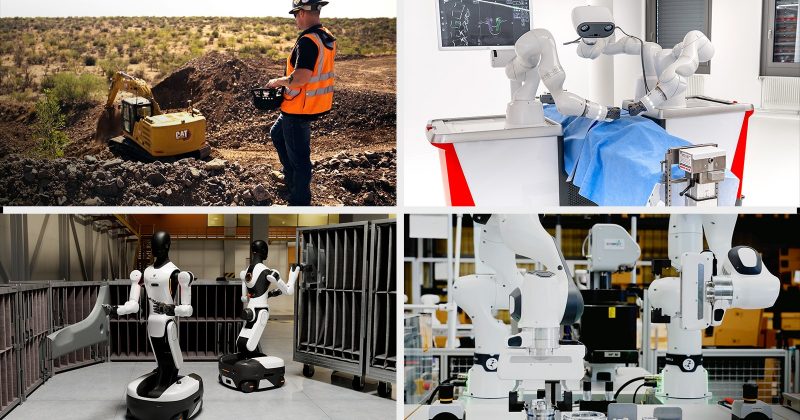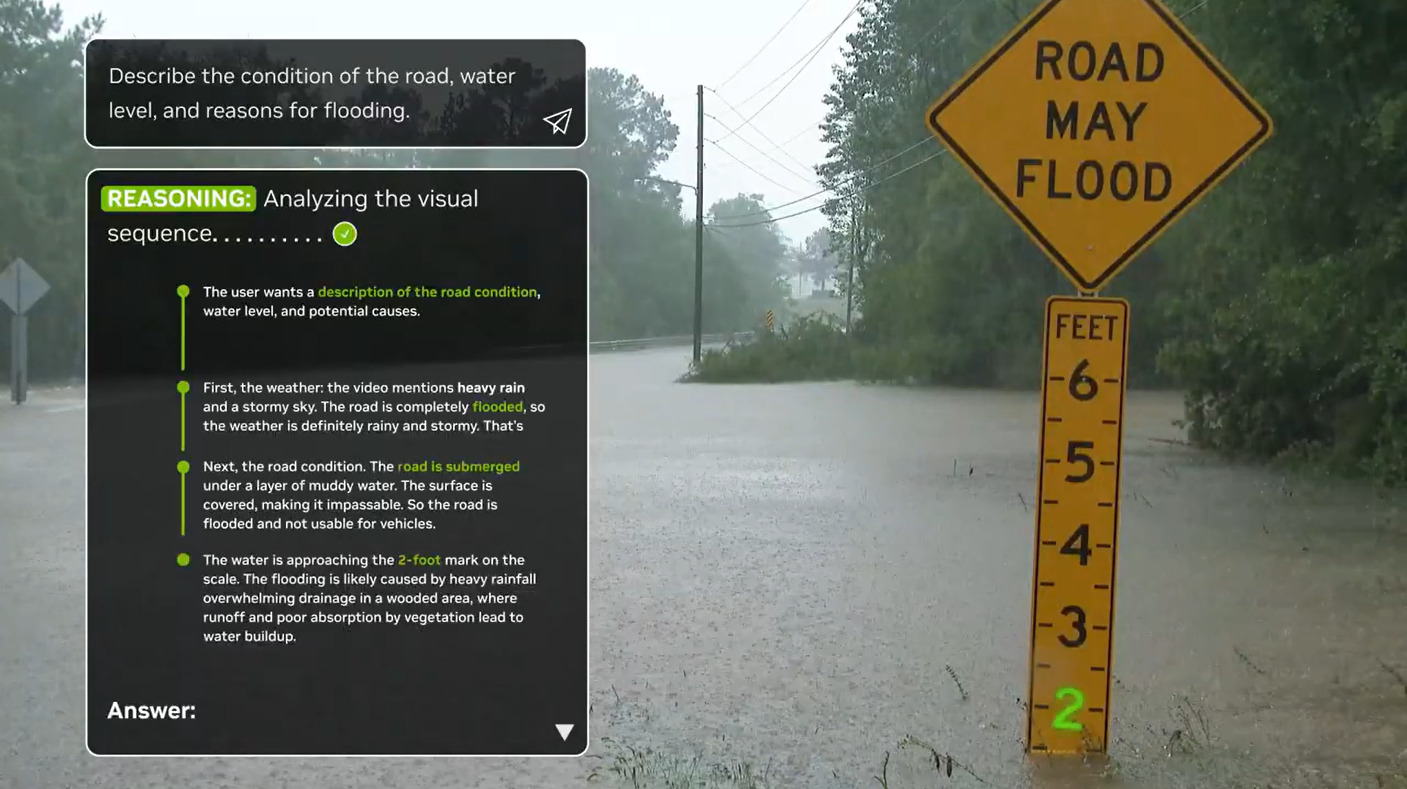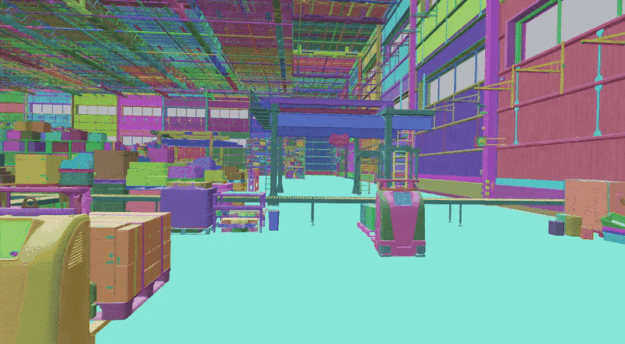
The next generation of AI-driven robots like humanoids and autonomous vehicles depends on high-fidelity, physics-aware training data. Without diverse and representative datasets, these systems don’t get proper training and face testing risks due to poor generalization, limited exposure to real-world variations, and unpredictable behavior in edge cases. Collecting massive real-world datasets for training is expensive, time-intensive, and often constrained by possibilities.
Explore the NVIDIA Cosmos Cookbook for step-by-step workflows, technical recipes, and concrete examples for building, adapting, and deploying Cosmos WFMs.
NVIDIA Cosmos addresses this challenge by accelerating world foundation model (WFM) development. At the core of its platform, Cosmos WFMs speed up synthetic data generation and act as a foundation for post-training, to develop downstream domain or task-specific physical AI models to solve these challenges. This post explores the latest Cosmos WFMs, their key capabilities that advance physical AI, and how to use them.
Cosmos world foundation model updates:
NVIDIA Cosmos world foundation models have continued to evolve rapidly, with significant advancements that further accelerate synthetic data generation and physical AI development. One year after their introduction, key updates include: