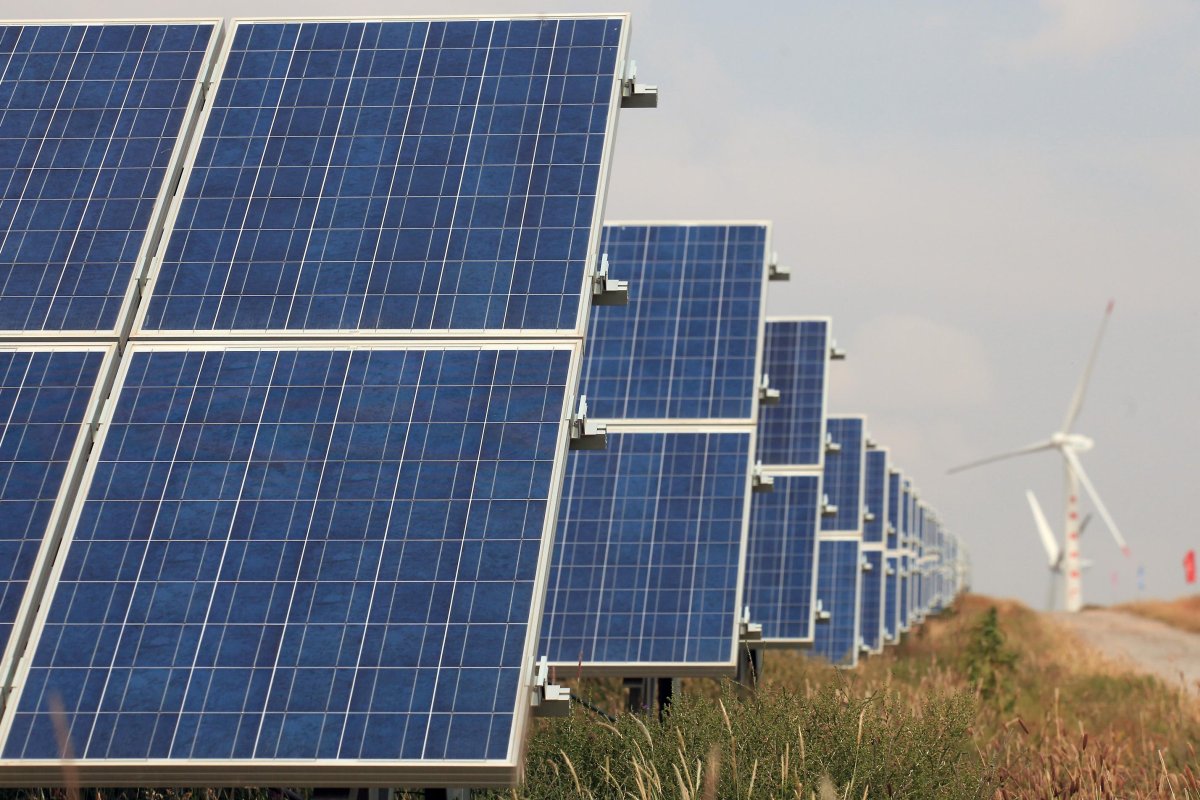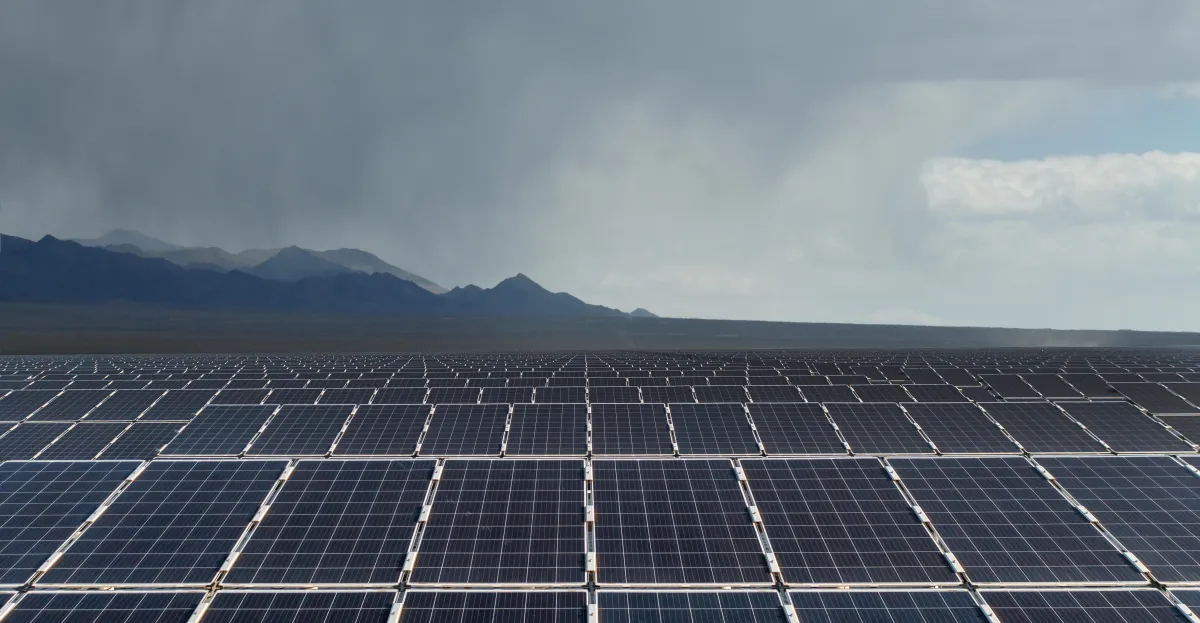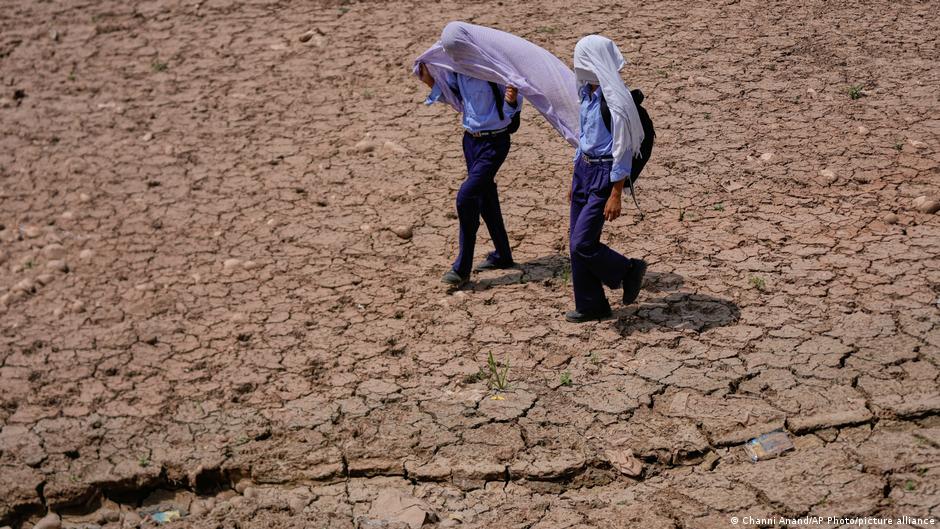
WASHINGTON (AP) — Scientists are jettisoning their worst and best case scenarios for a warming world as no longer plausible. That shows how modest gains in the fight to curb climate change have dialed back the most catastrophic of future heating but also confirmed that there’s no chance to limit warming to the international goal set in 2015.Researchers’ new list of seven plausible carbon pollution scenarios for the future are pushing aside two staples of climate policy: the extremes on either end.The extremes have become less probable in the past several years because of how we power our world. Carbon dioxide, released from the burning of gas, oil and coal, is chiefly responsible for warming. Increasing use of green energies, like solar, wind and geothermal, which don’t emit carbon dioxide, have lowered top end carbon pollution projections. However, because those changes haven’t been fast enough, the bottom end projections have risen.
The Paris climate agreement in 2015 set a goal of limiting warming to 1.5 degrees Celsius (2.7 degrees Fahrenheit) since pre-industrial times, or the mid-1800s, giving rise to the mantra “1.5 to stay alive,” but now scientists say that even their best case scenario still shoots past that signature temperature mark. On the other end, those same new scenarios no longer include the coal-heavy future that would lead to 4.5 degrees Celsius (8.1 degrees Fahrenheit) of warming by 2100, a scary scenario that many scientific studies used in their future projections.