If you kept dividing an apple into smaller and smaller pieces, you would eventually reach molecules, then atoms, and later the tiny particles inside atoms such as protons, quarks, and gluons. But according to string theory, the journey does not stop there. At scales roughly a billion billion times smaller than a proton, physicists propose that everything may be made of incredibly tiny vibrating strings.
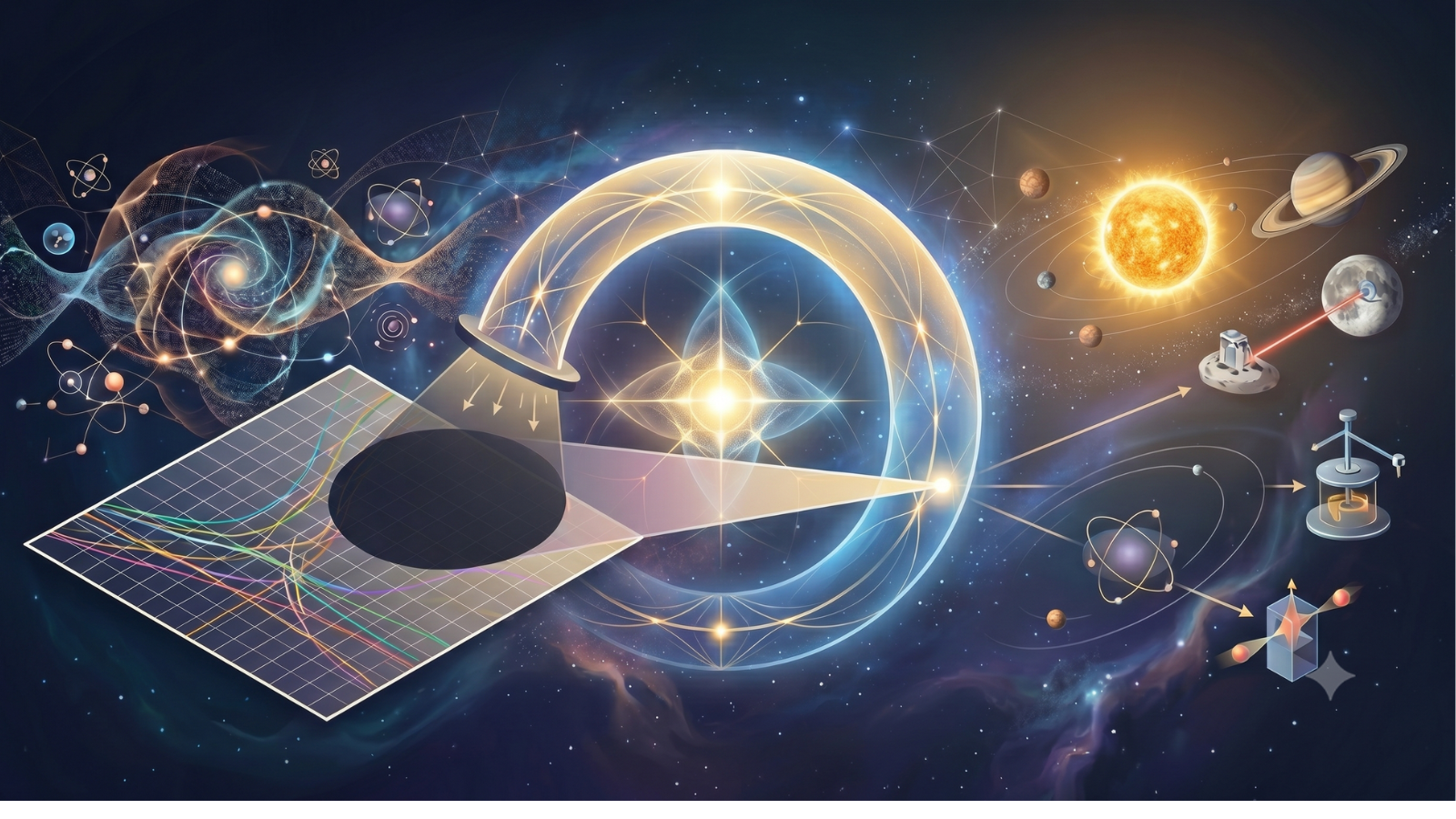
String theory first emerged in the 1960s as a possible way to solve one of physics' biggest problems: combining quantum mechanics, which governs the smallest particles, with general relativity, Einstein's theory describing gravity and the large-scale structure of the universe. Scientists have long struggled to unite the two because the equations often spiral into mathematical infinities when gravity is included at quantum scales.
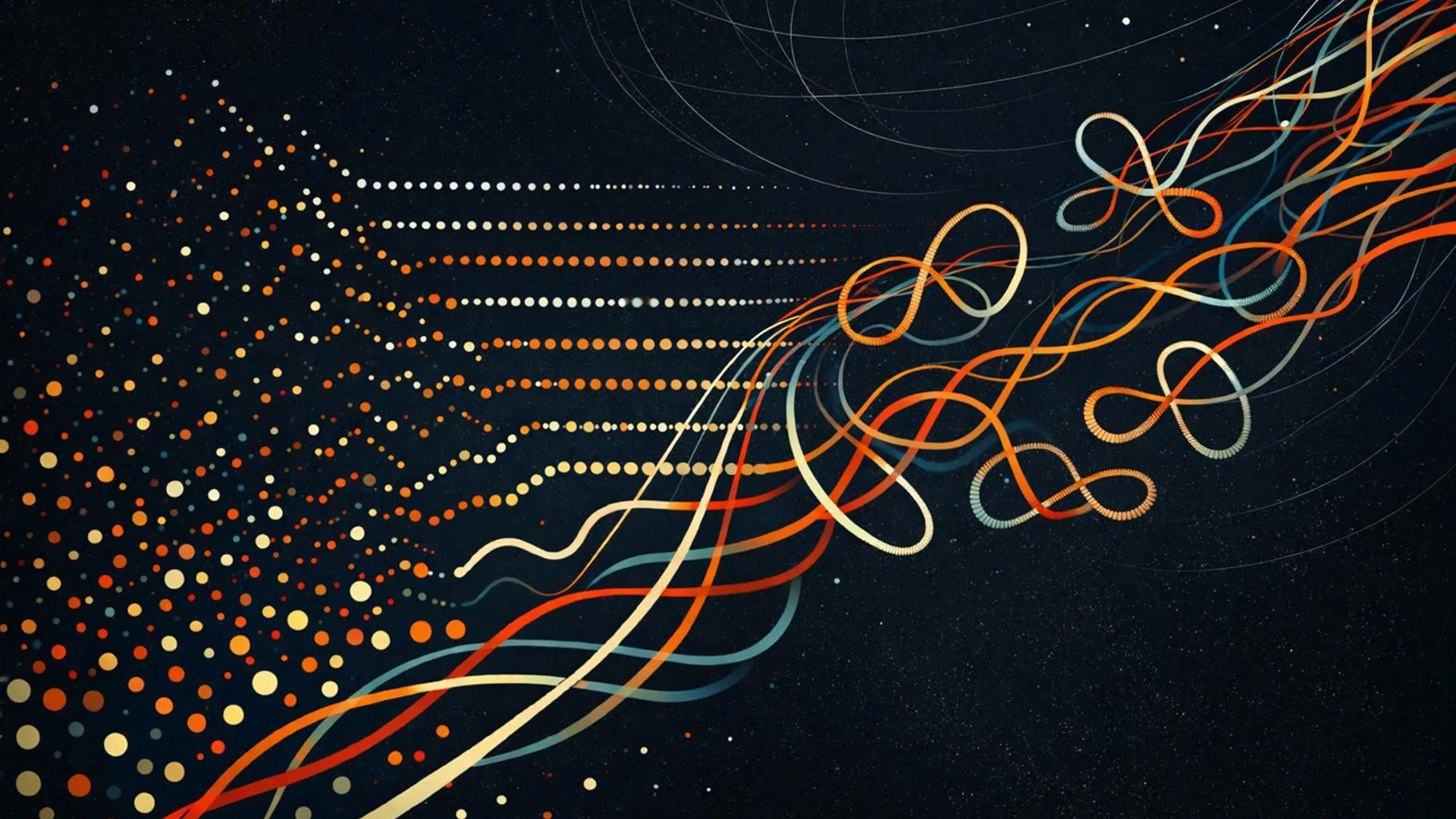
String theory offers a potential way around that problem. In the theory, every particle, including the hypothetical graviton that would carry the force of gravity, comes from different vibrations of tiny strings. The mathematics also requires the strings to exist in at least 10 dimensions rather than the four dimensions humans experience.
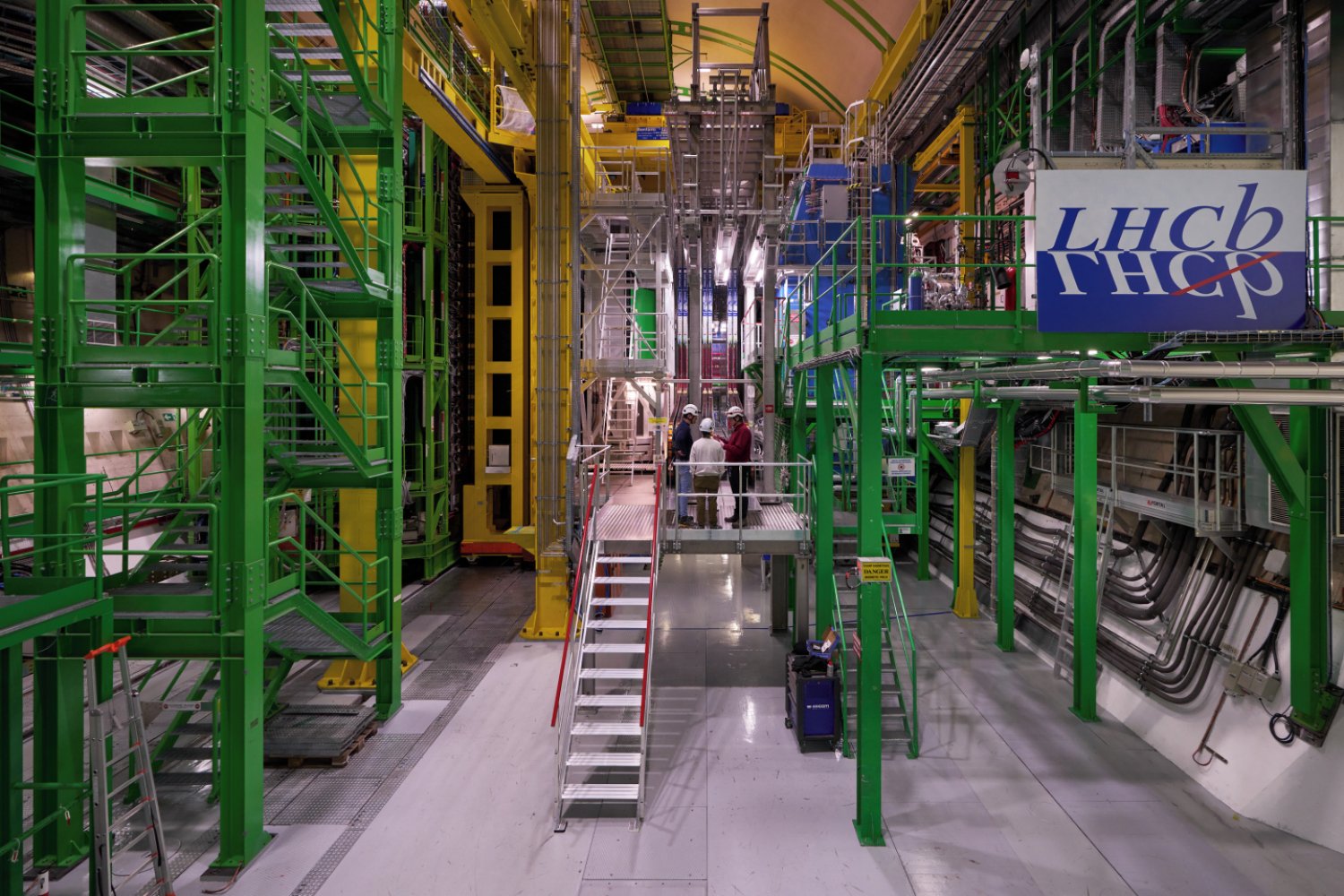
One major obstacle remains. Testing string theory directly would require energies so extreme that researchers would need a particle collider as large as a galaxy.