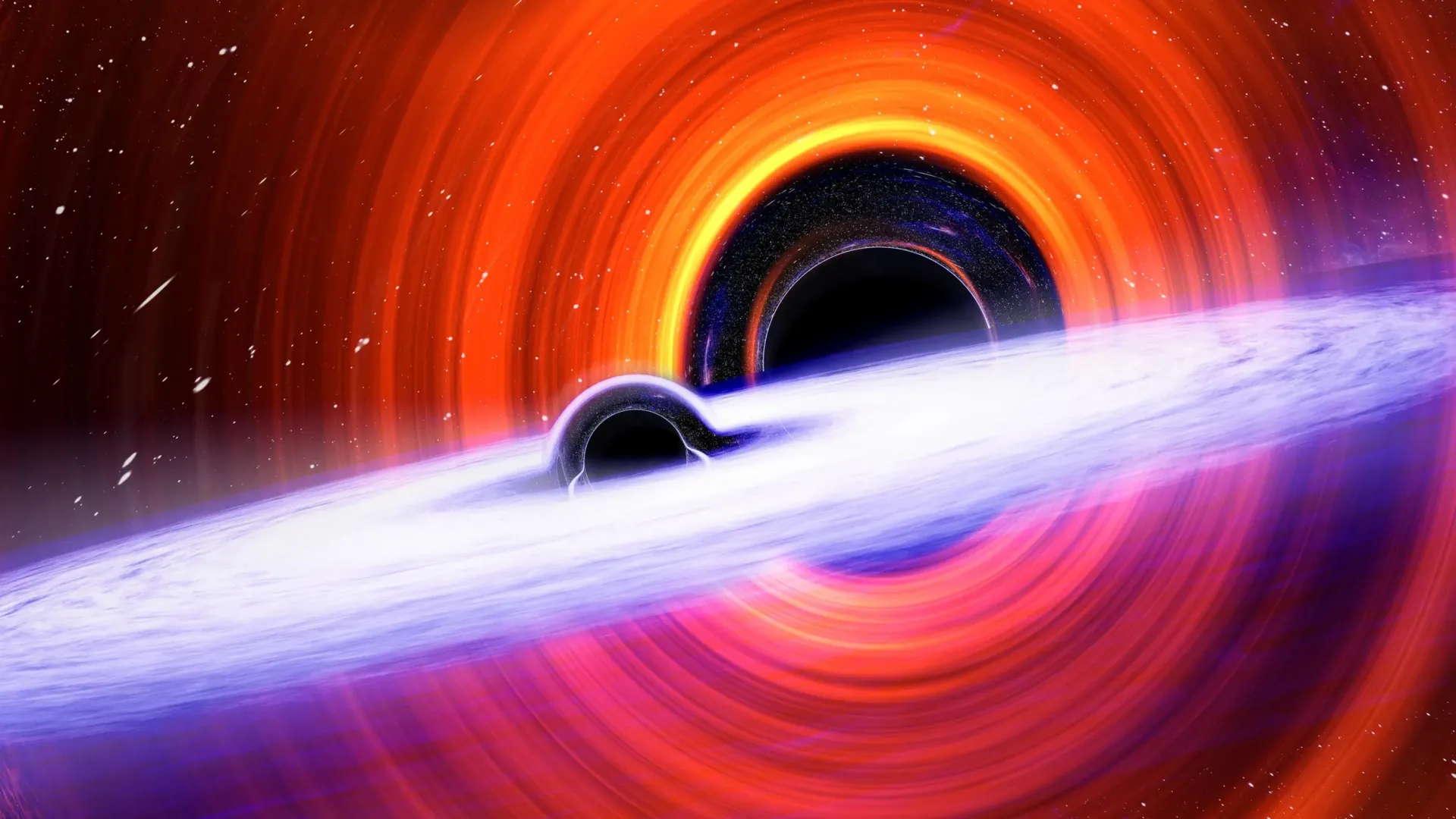
Dark matter is believed to make up most of the matter in the universe, yet scientists still cannot observe it directly. Unlike ordinary matter, dark matter does not interact with light or electromagnetic forces, making gravity the only known way to detect its presence. Now, researchers think colliding black holes could provide a new way to search for clues about this invisible substance.
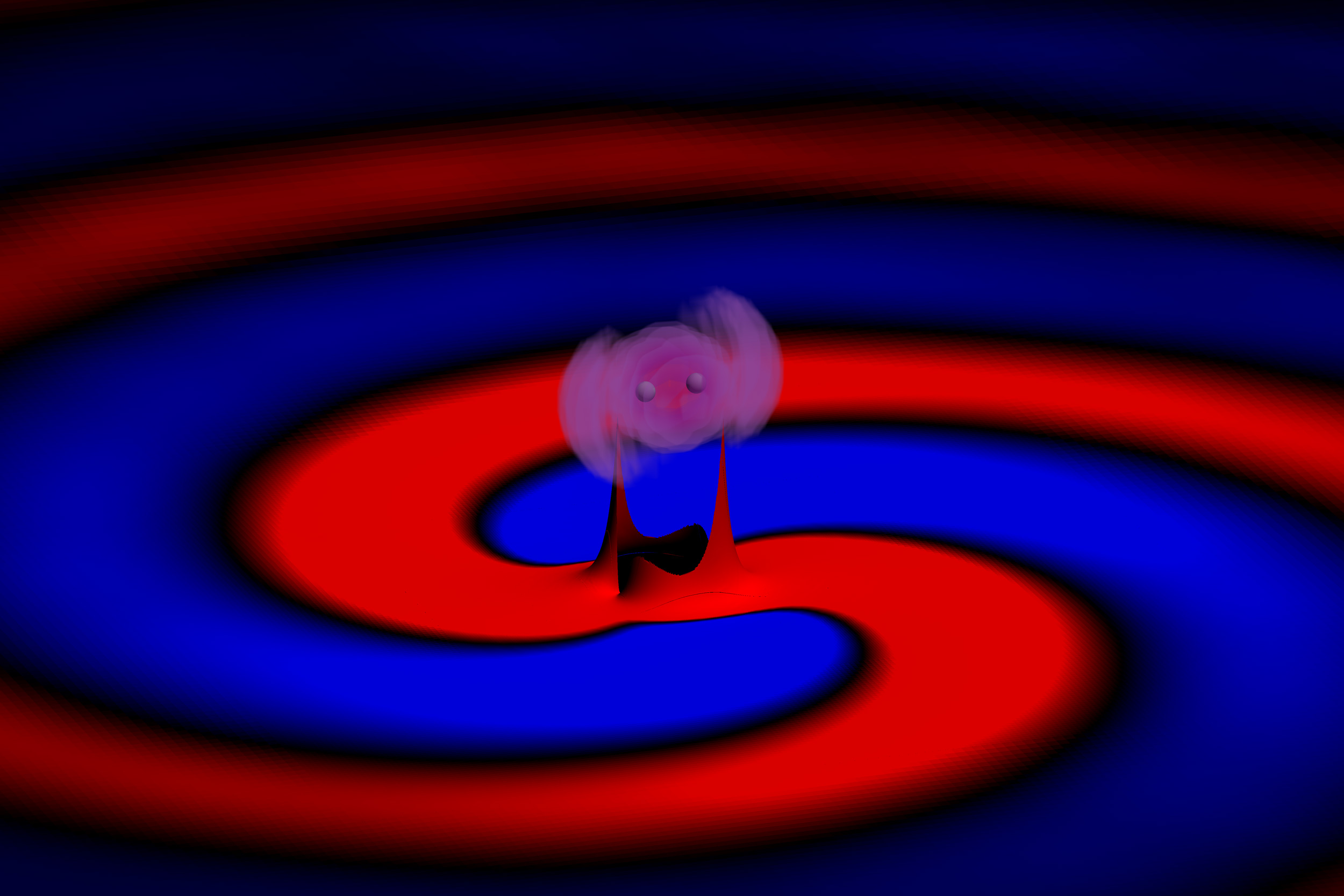
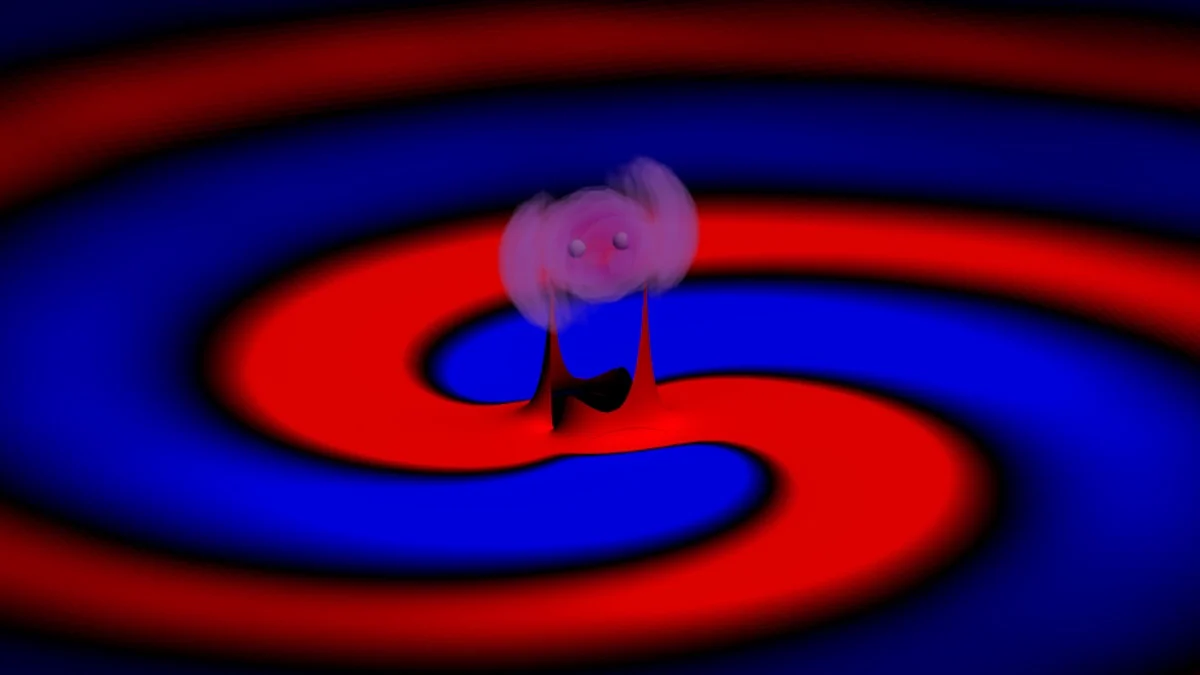
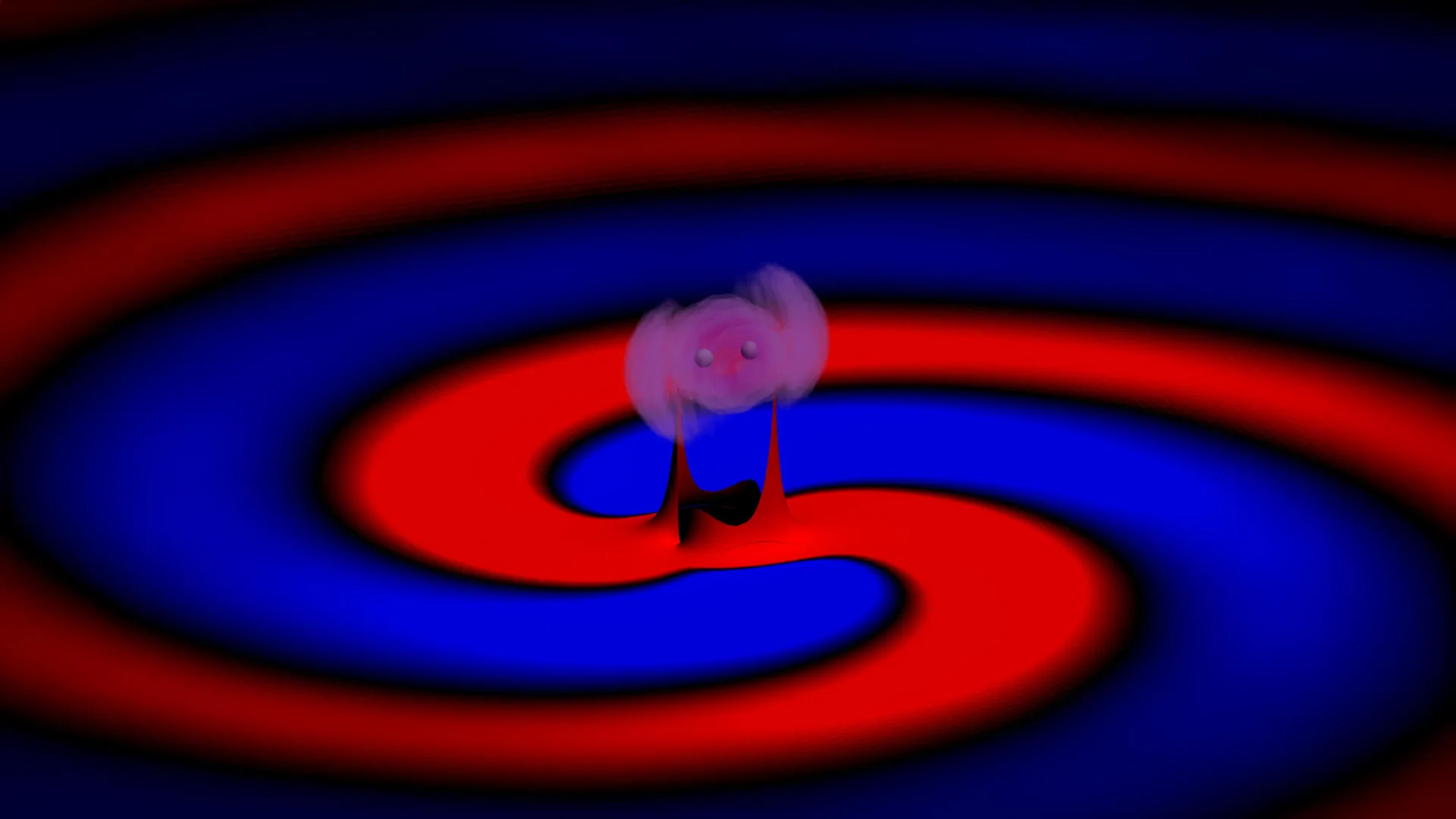
Physicists at MIT and several European institutions have developed a method to identify possible signs of dark matter hidden within gravitational waves. These ripples in space and time are created when massive objects such as black holes spiral together and merge. If those black holes travel through dense clouds of dark matter before colliding, the resulting gravitational waves could carry subtle traces of that interaction.
The team tested their approach using publicly available data collected by LIGO-Virgo-KAGRA (LVK), the international network of gravitational wave observatories that monitors black hole mergers and other distant cosmic events.
Searching Gravitational Waves for Dark Matter Clues
The researchers analyzed signals gathered during LVK's first three observing runs. They focused on 28 of the clearest gravitational wave events detected so far.