Every day, across Nigeria, the frustrations of Nigeria’s digital age often arrive without warning. It happens in the small things. And the big ones. Take the case of a business owner who attempts to complete a critical bank transfer, only for the network to freeze. Consider a student who joins an online lecture and suddenly disappears from the session because the connection collapses. Or perhaps, a trader waits endlessly for a Point-of-Sale transaction approval while impatient customers walk away.
For many, it has become an exhausting routine.
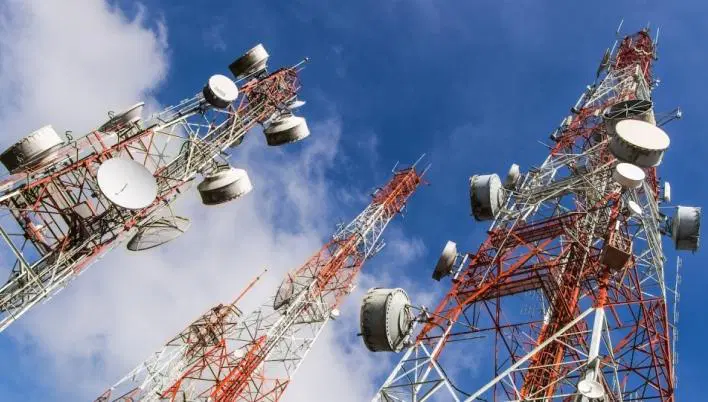
The irony is difficult to ignore. Nigeria’s telecom sector is undergoing one of its biggest modernisation drives in history, yet consumer dissatisfaction remains widespread. While operators continue to expand 4G and 5G networks and spend heavily on upgrades, users still complain that service quality often falls painfully short of expectations.
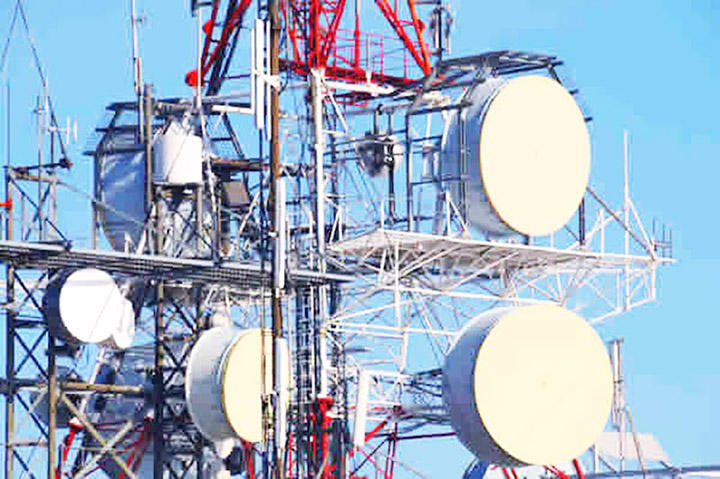
The truth is that today’s Nigerian telecom user demands far more than simple voice calls. Consumers expect smooth video conferencing, uninterrupted streaming, real-time digital payments, reliable cloud access, and fast browsing. But explosive data consumption is stretching existing infrastructure to its limits.