Get the latest news and updates from Dawn
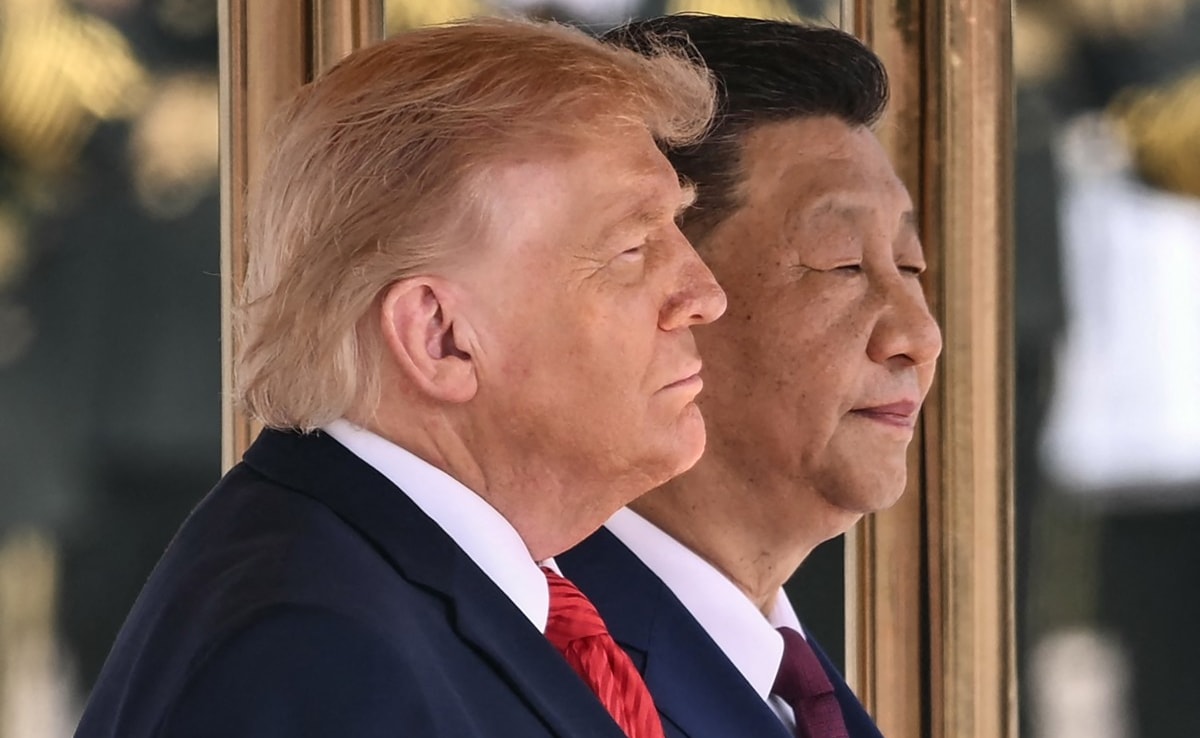
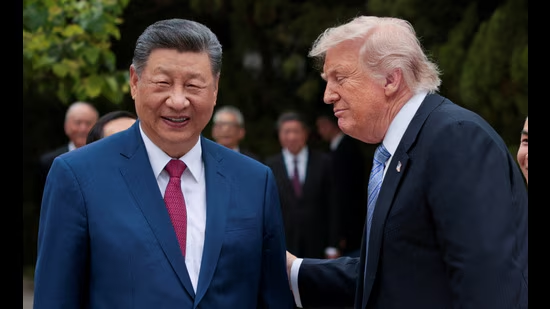
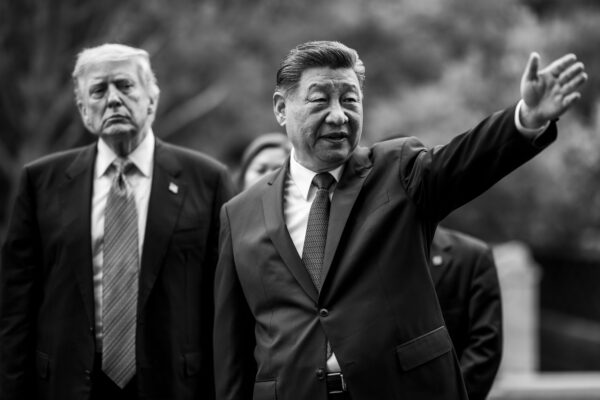
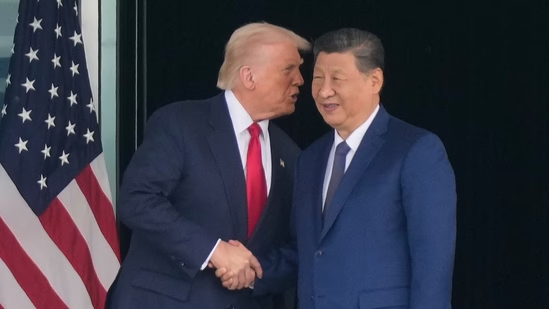
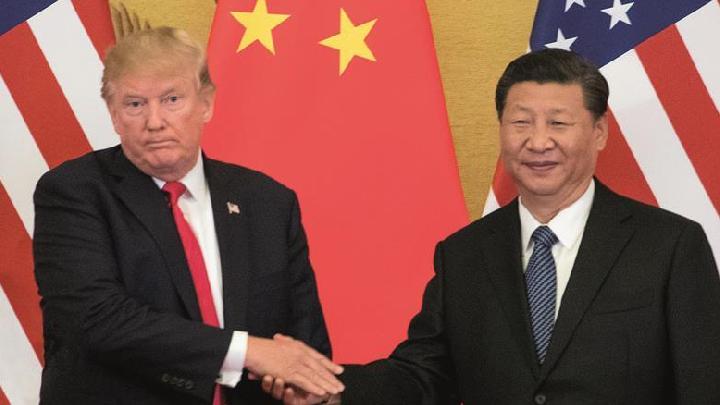
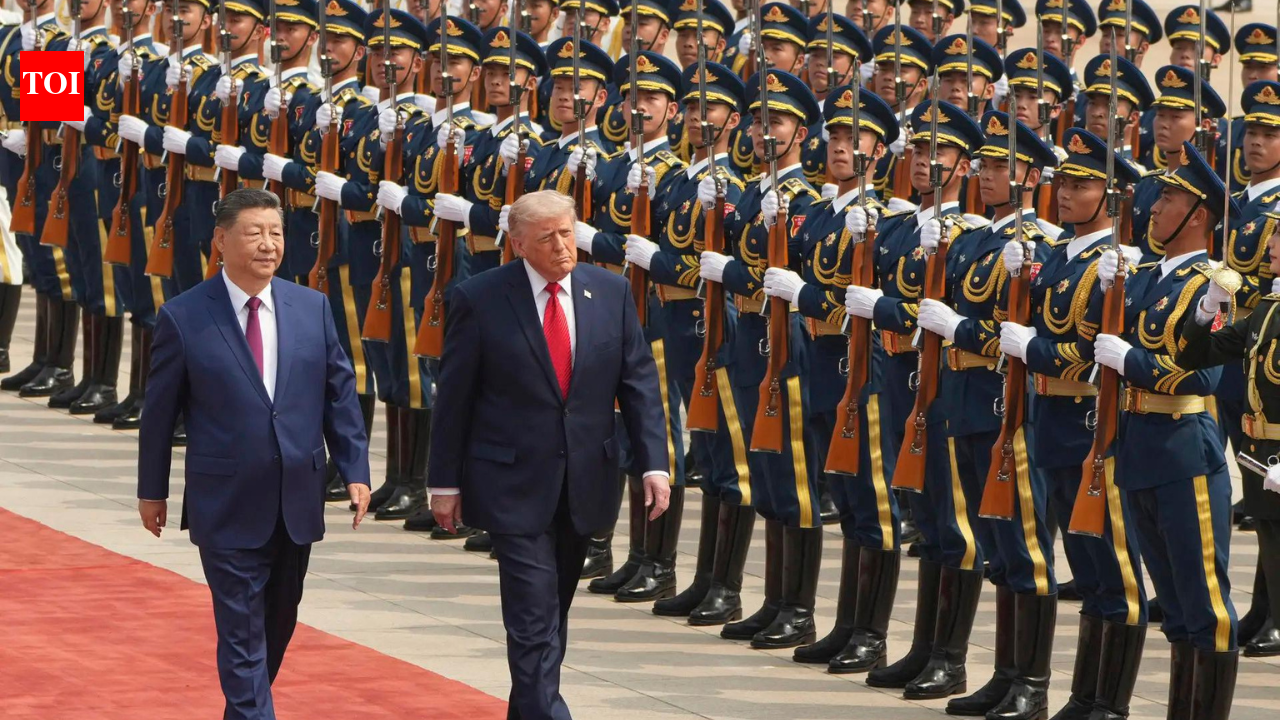
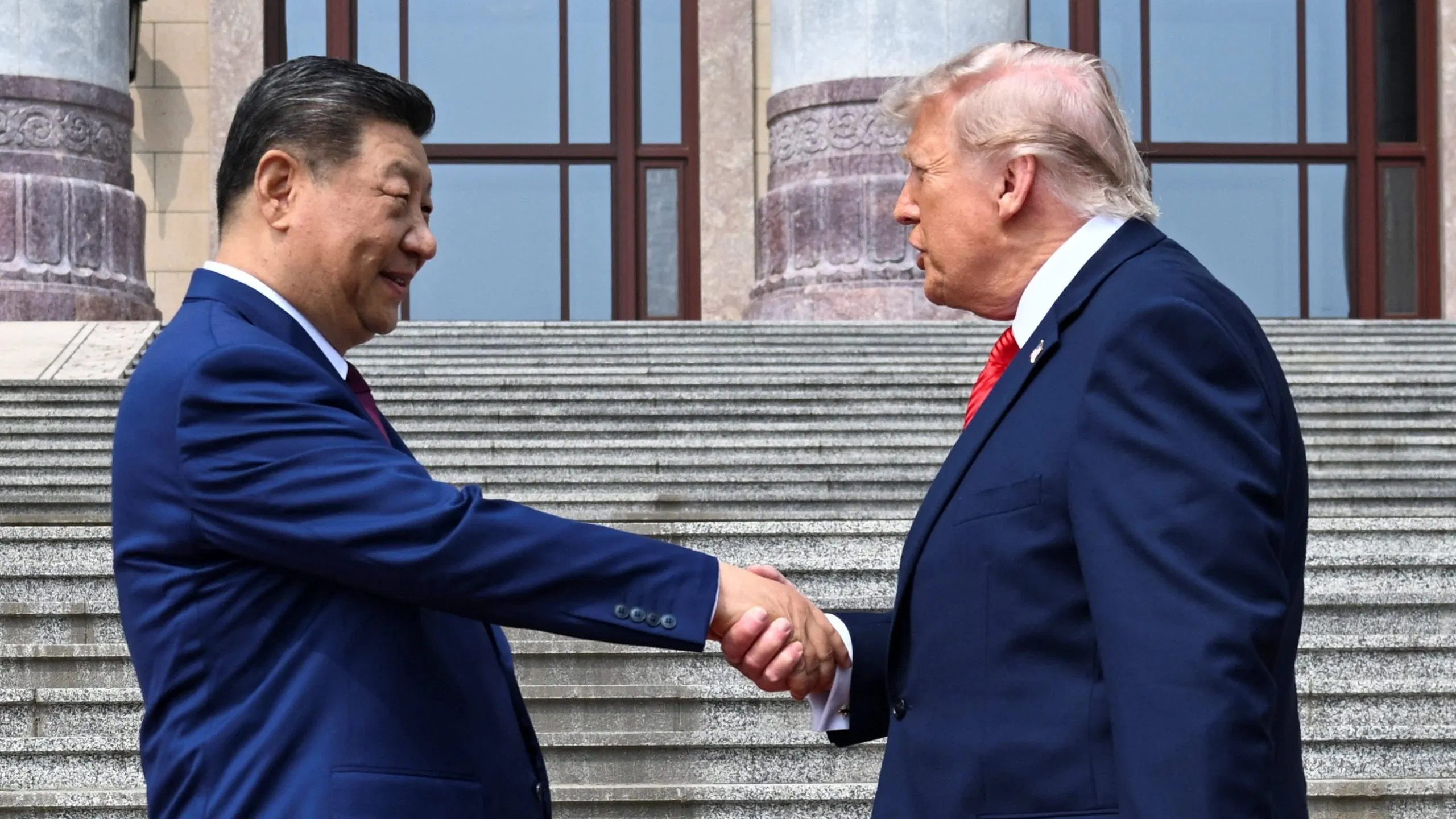
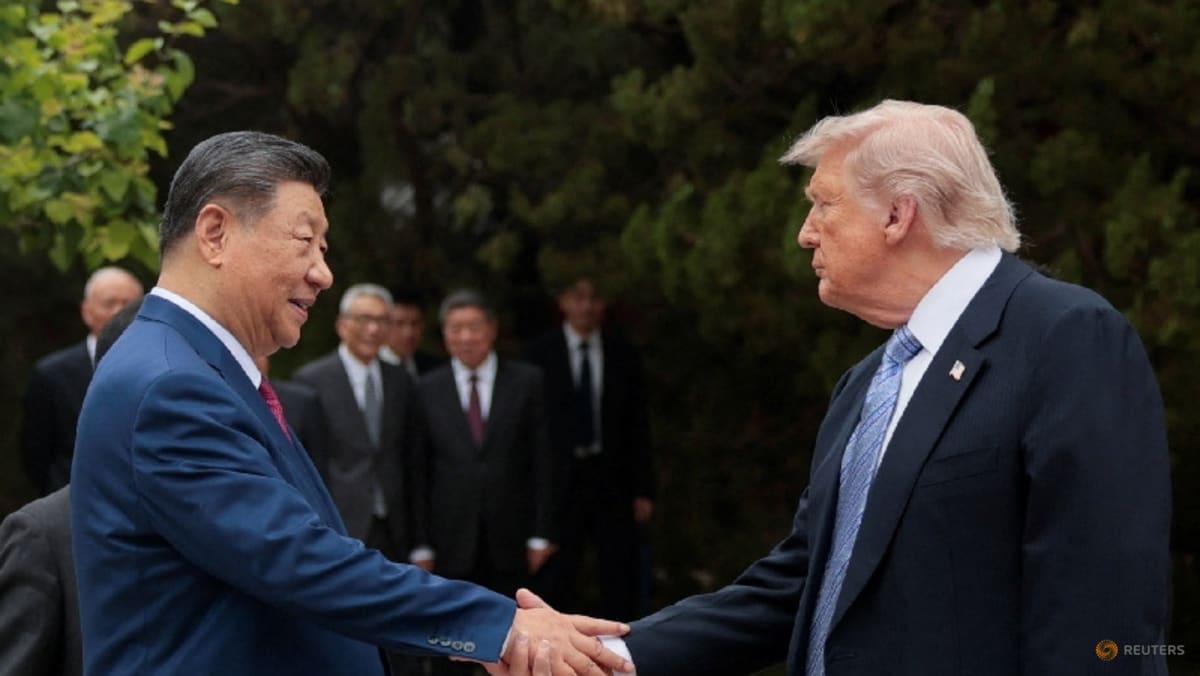
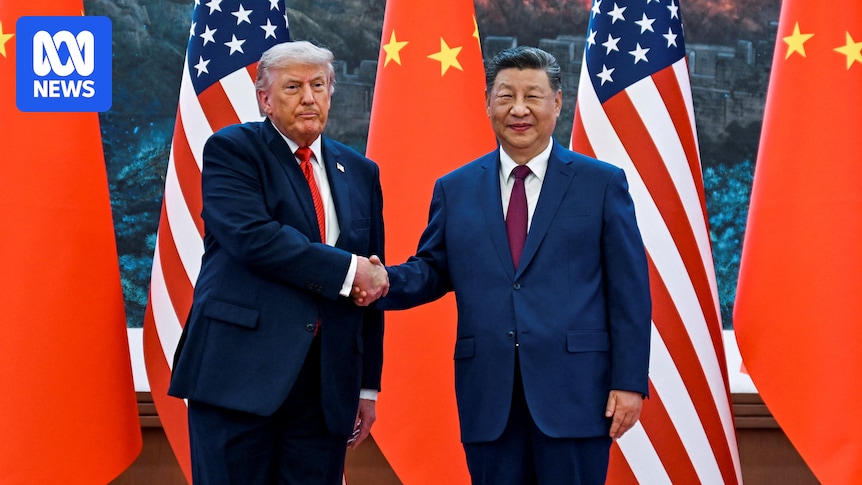
DURING US President Donald Trump’s visit to China, the concept of the ‘Thucydides Trap’ invoked by Chinese President Xi Jinping drew the attention of Western strategic circles.
Many observers saw the remark as a subtle indication that China is now more willing to acknowledge its emergence as a global power. For nearly a decade, Beijing carefully avoided projecting itself as a challenger to the international order, cultivating, instead, the image of a leader of the Global South and a partner of developing economies. If that posture is shifting, the implications could be profound for global politics and for countries like Pakistan, positioned at the intersection of great-power competition, economic dependency and regional strategic realignment.
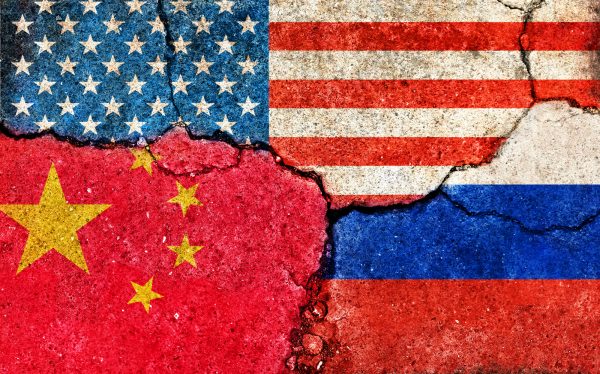
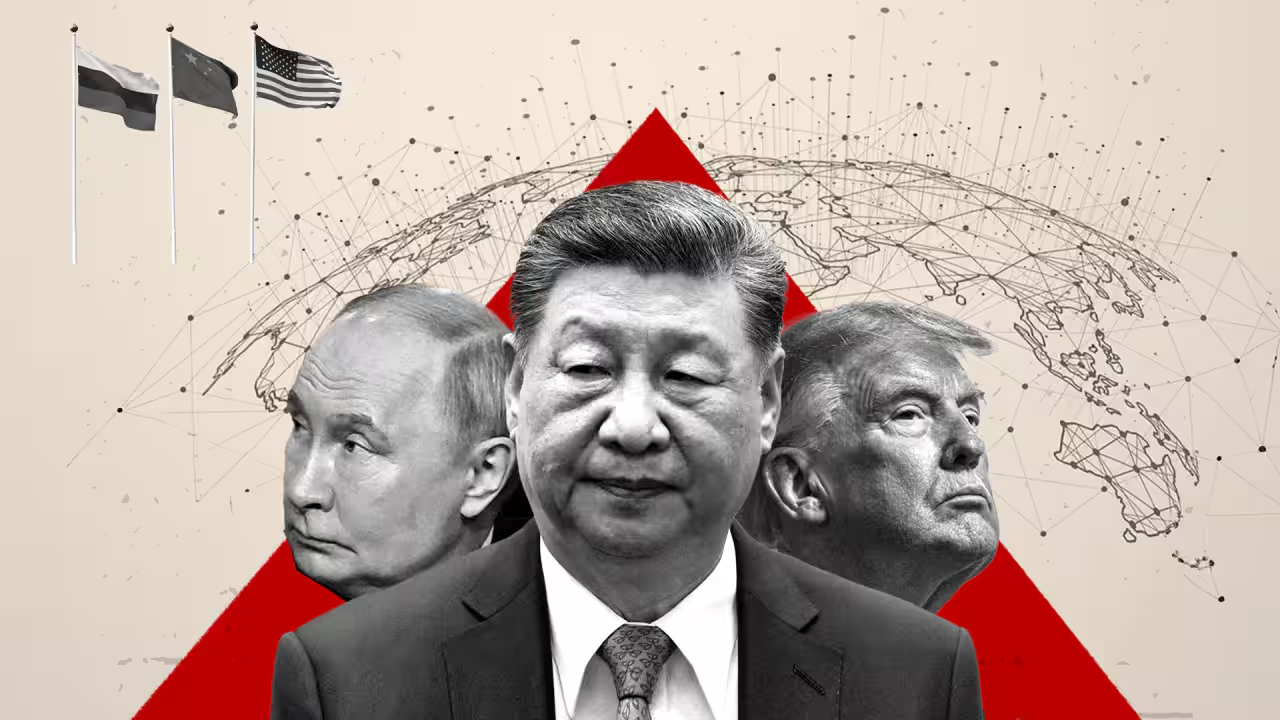
The Thucydides Trap broadly refers to a historical pattern where an established power is threatened by the rise of a new one, creating conditions that could lead to conflict. Xi’s use of the phrase in the context of US-China ties was therefore significant. It was a carefully calibrated political message aimed at Washington.
Many observers interpreted it as a subtle indication by Beijing that it increasingly views the US as a declining power struggling to preserve an international order that long served American interests.