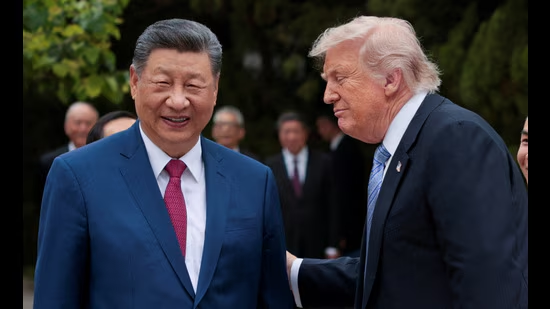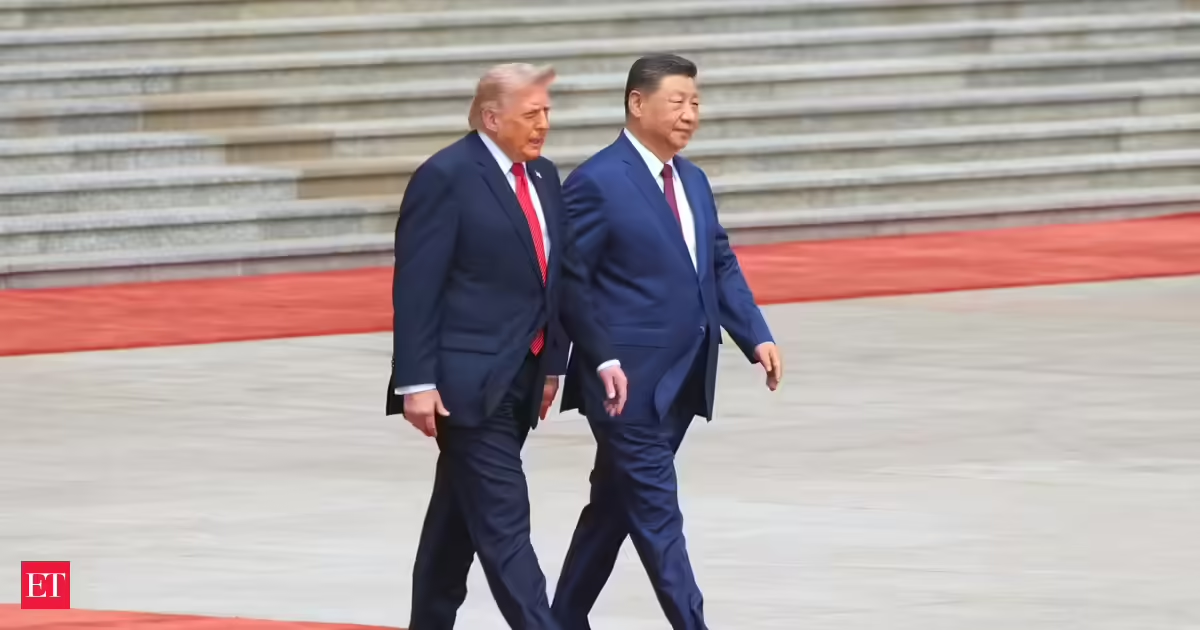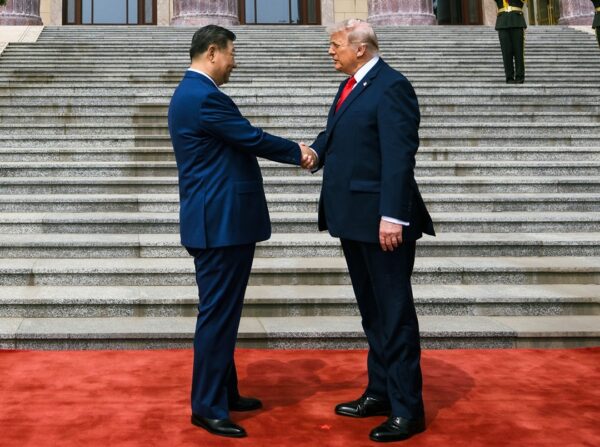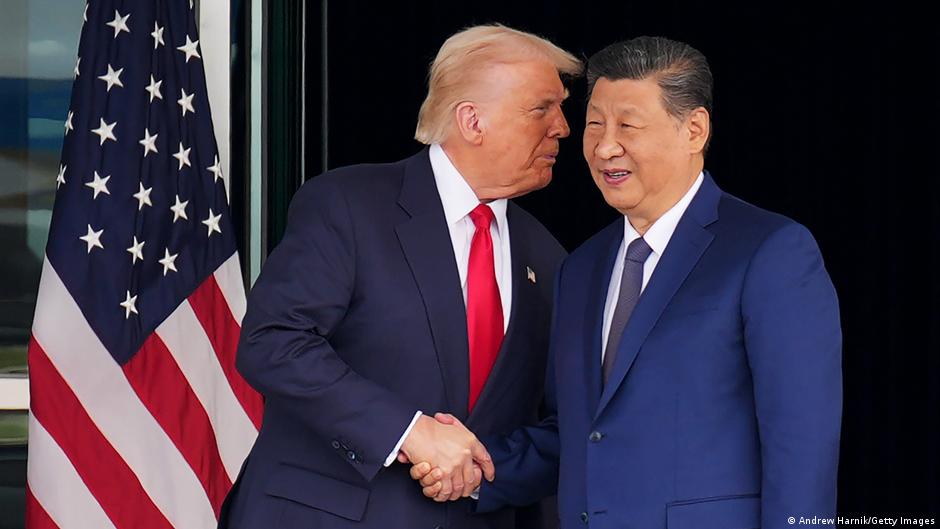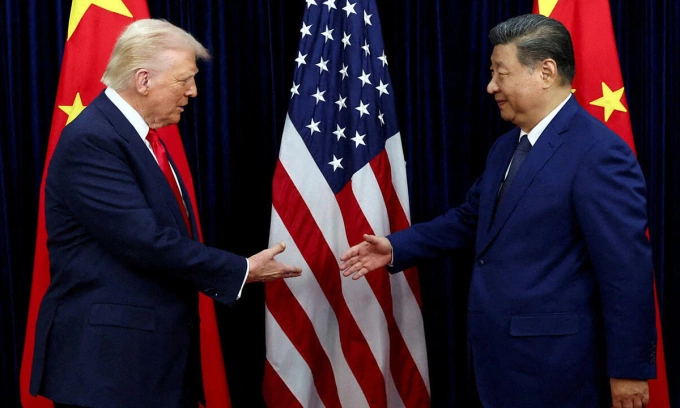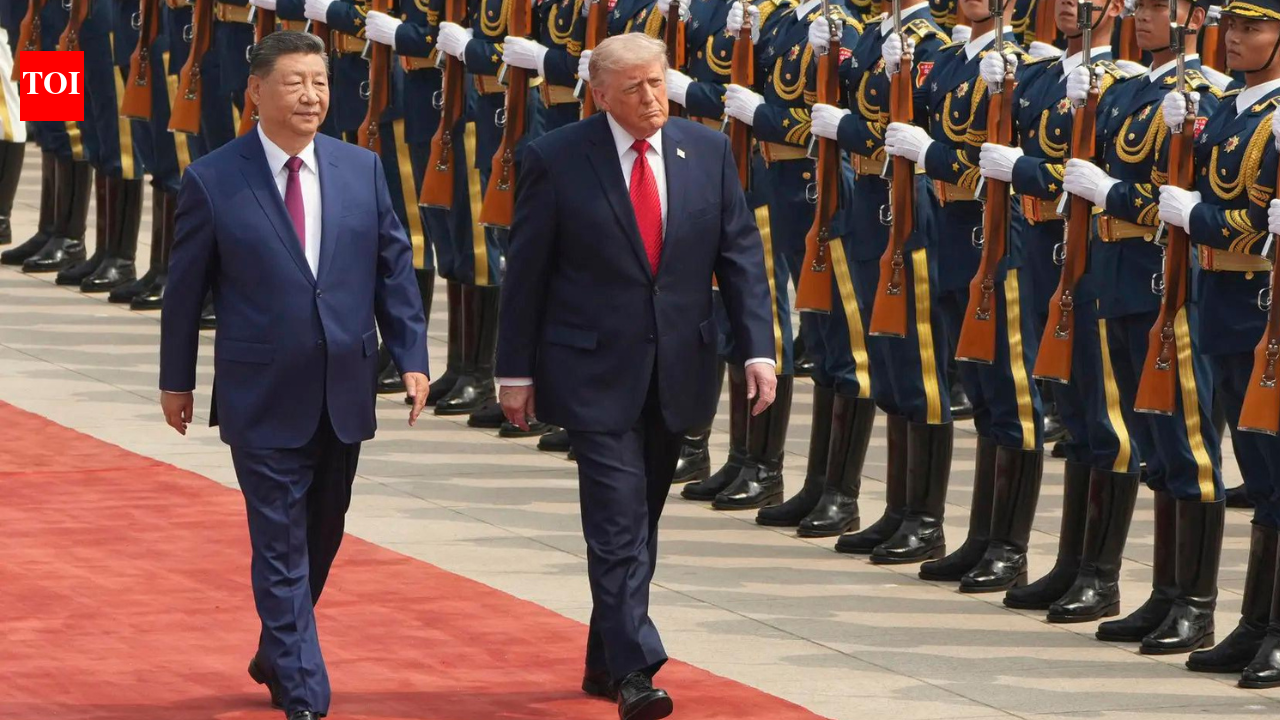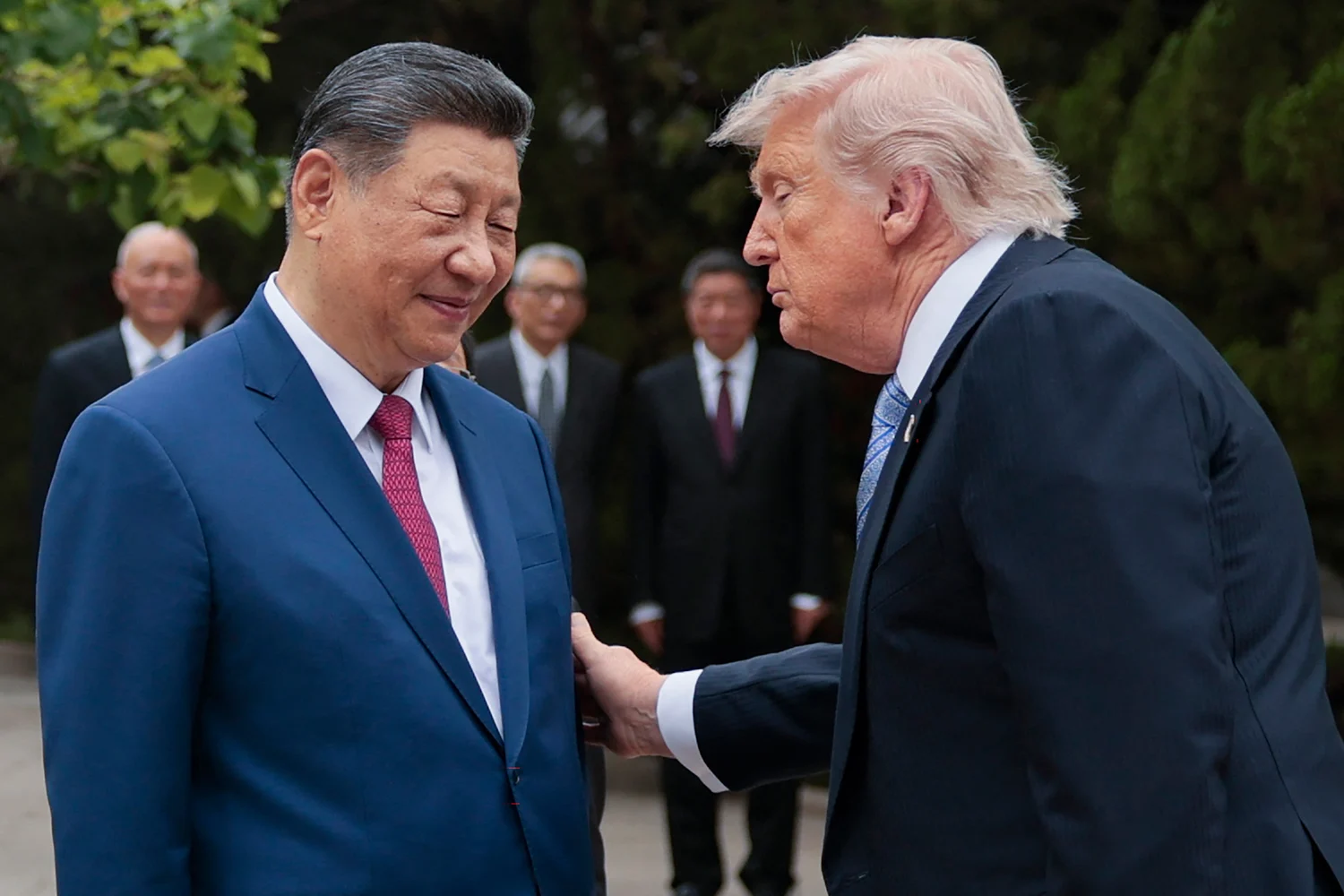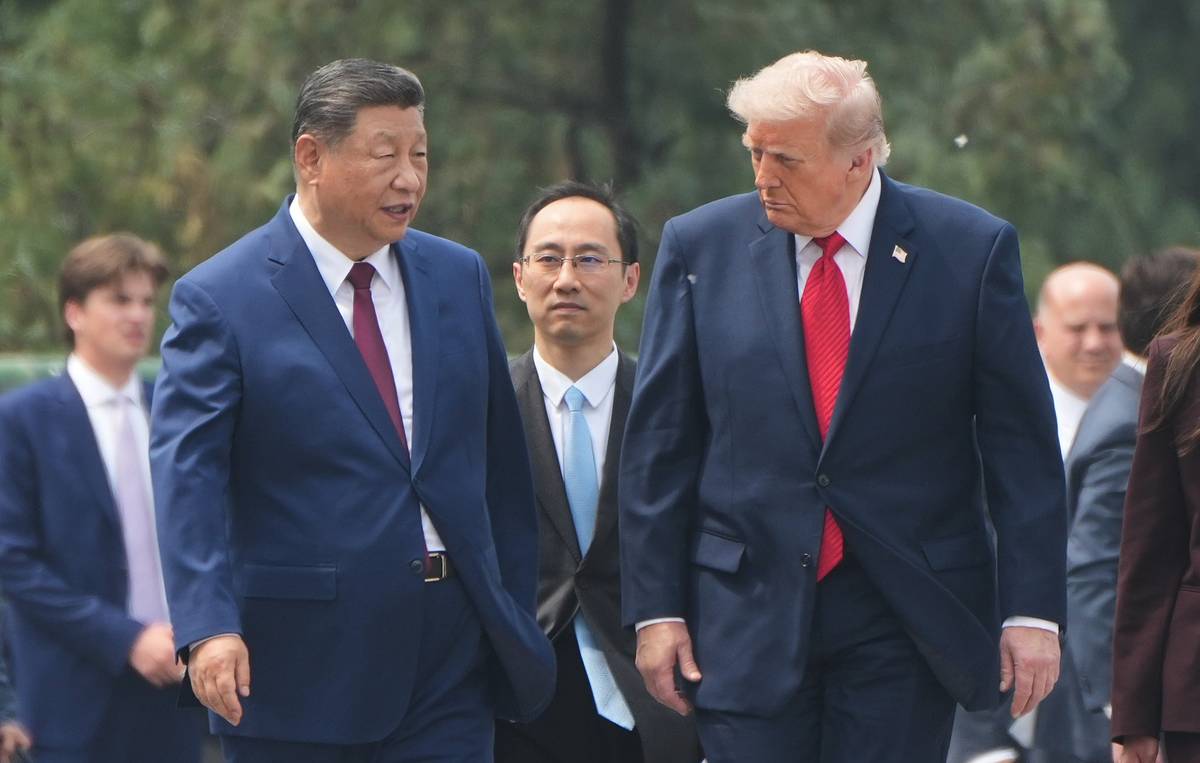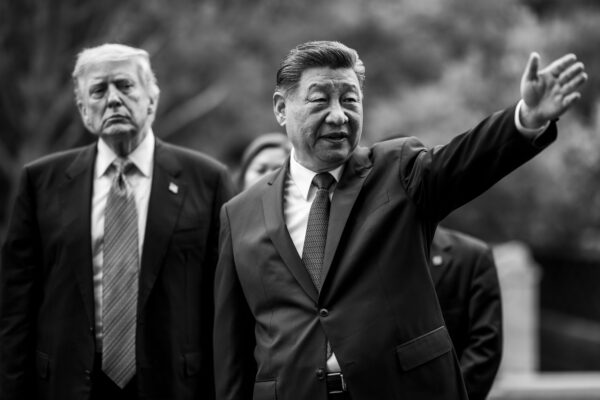
As U.S. President Donald Trump and his Chinese counterpart, Xi Jinping, met in Beijing this week for what many have called a “superpower summit,” countries of the Global South, such as Pakistan, watched closely, examining the meeting’s outcomes and the implications for themselves. These countries are hoping that improved cooperation between China and the United States could benefit not only the world’s two largest economies, but also smaller and middle powers that are trying to navigate an increasingly turbulent international landscape.
The summit came at a particularly difficult time as violent conflicts in West Asia, maritime disruptions in the Strait of Hormuz, and longstanding differences over Taiwan have created a volatile mix of security and economic risks.
Trump’s visit to China was originally planned for April 2026 but was deferred due to the Israel-U.S. war on Iran.
With a fragile ceasefire between the United States and Iran now holding, the Beijing summit was able to go ahead. The agenda of Trump’s visit to China expanded to cover other pressing regional issues, such as the reopening of critical maritime routes and a lasting resolution of the Iran dispute. Unlike previous engagements between Washington and Beijing, the just-concluded summit’s agenda was reshaped by the war in Iran and the resulting economic shocks that have forced these issues to the forefront for everyone in the region and beyond.