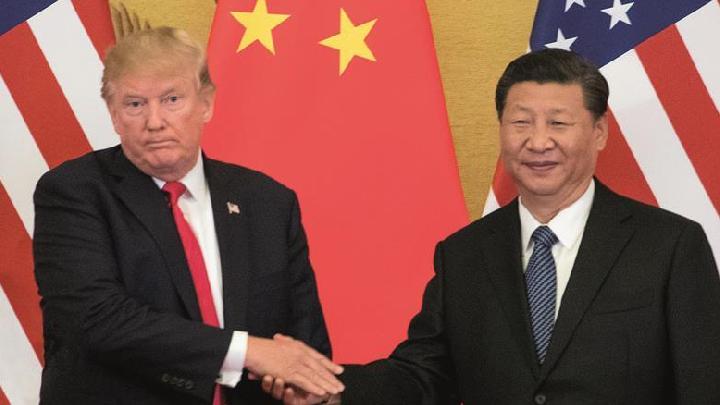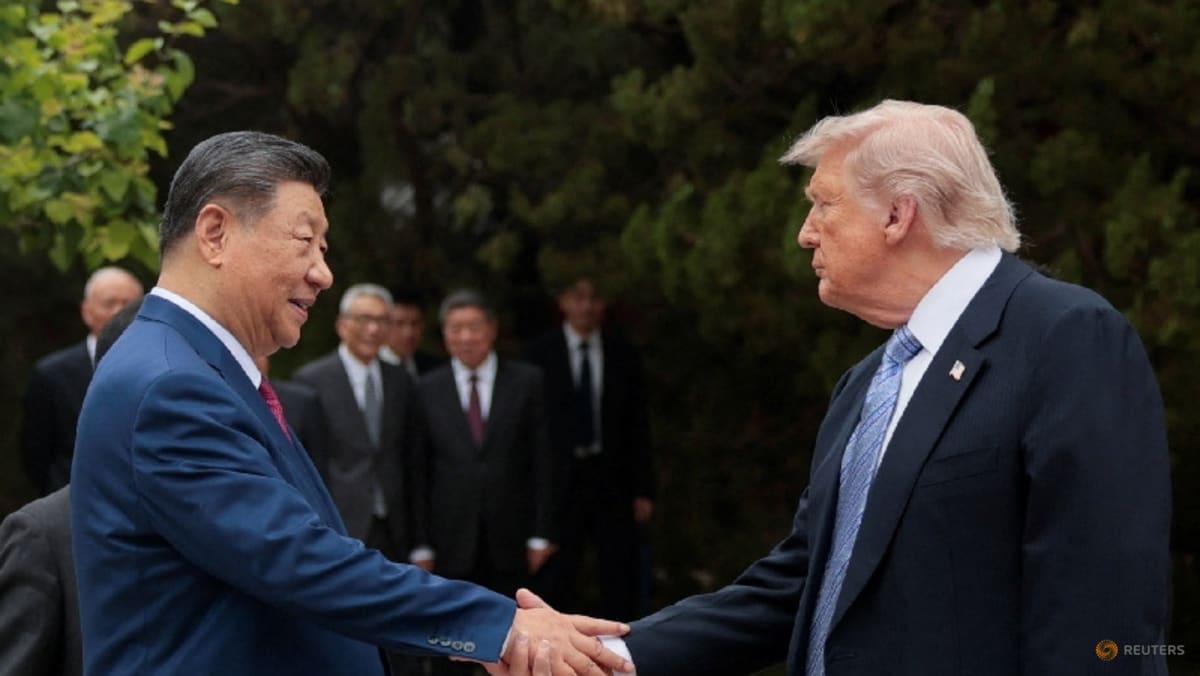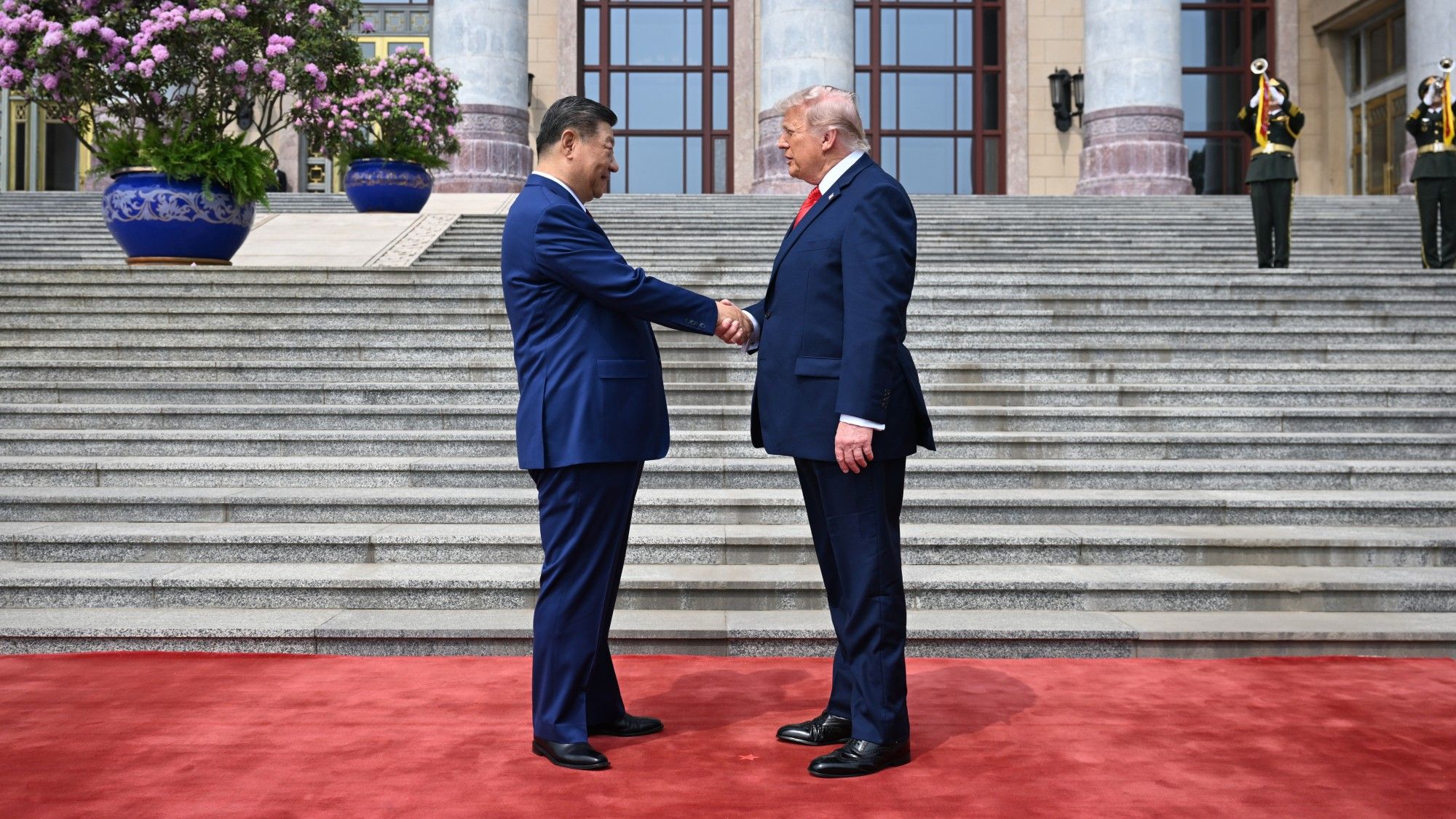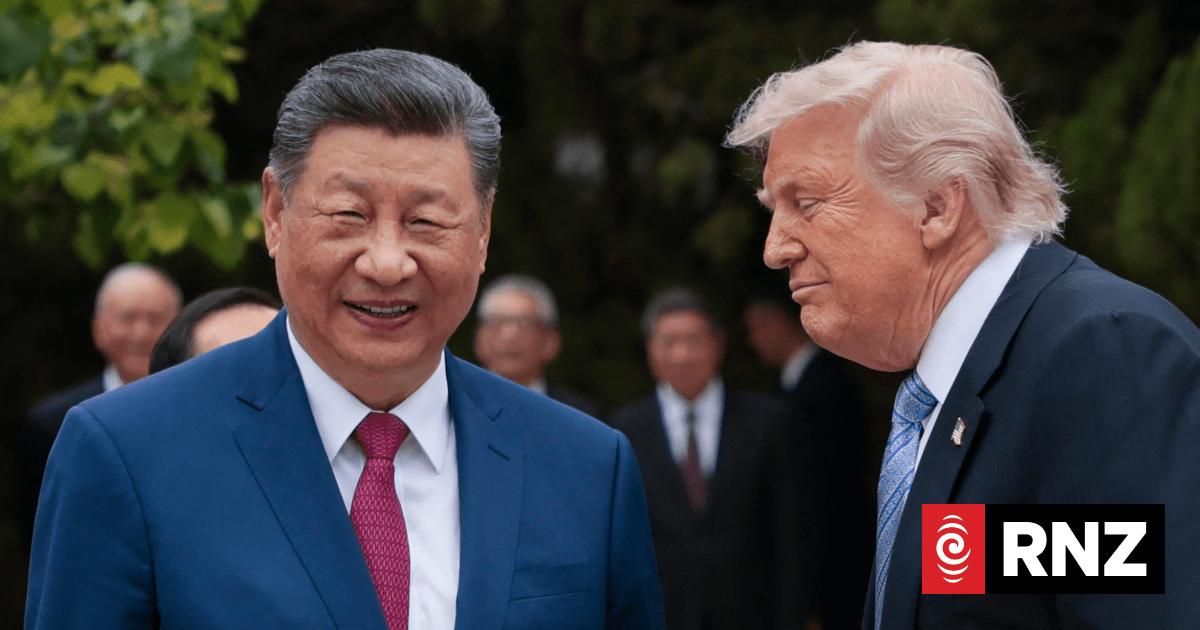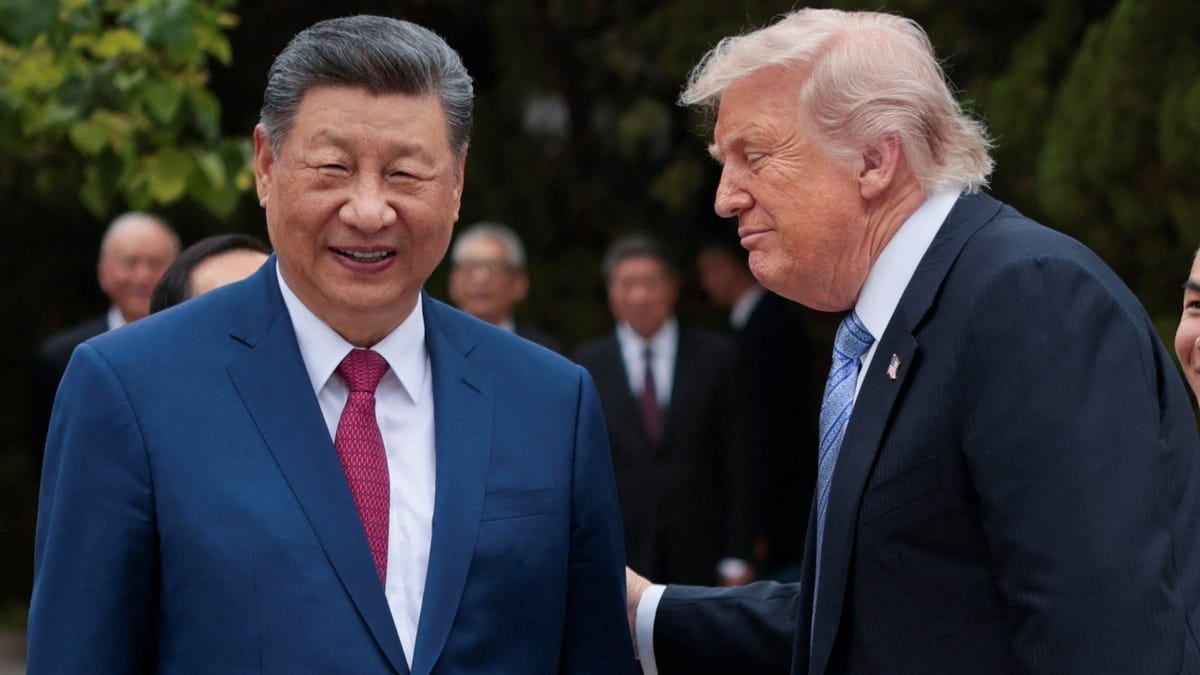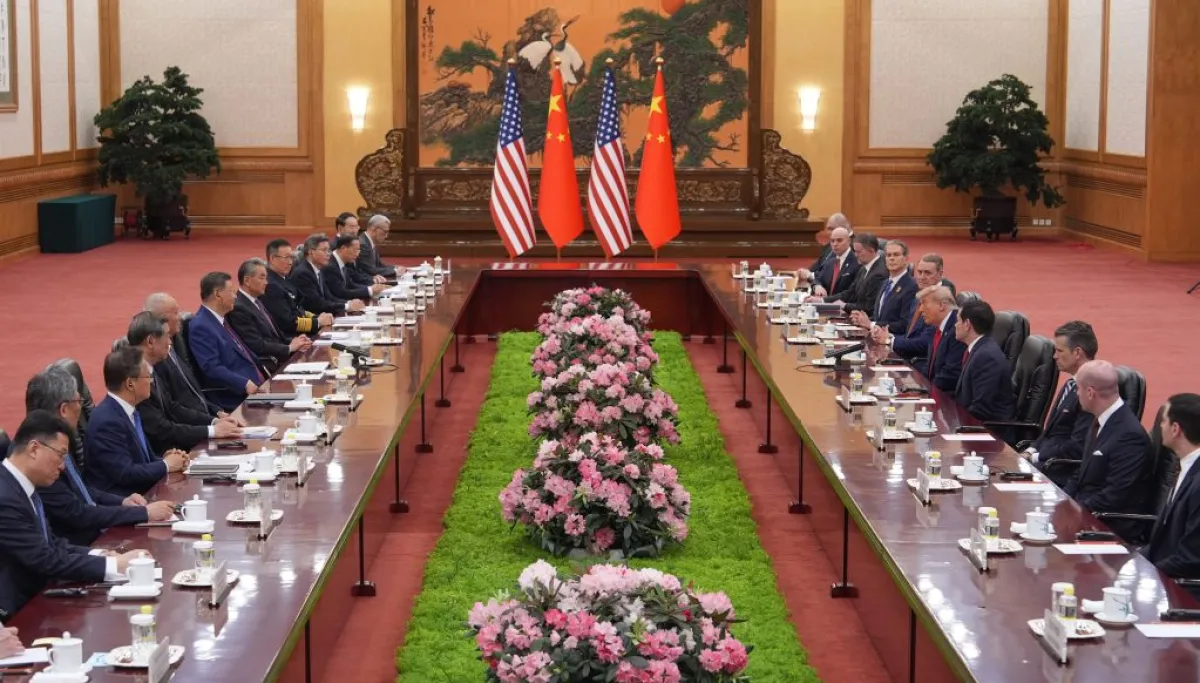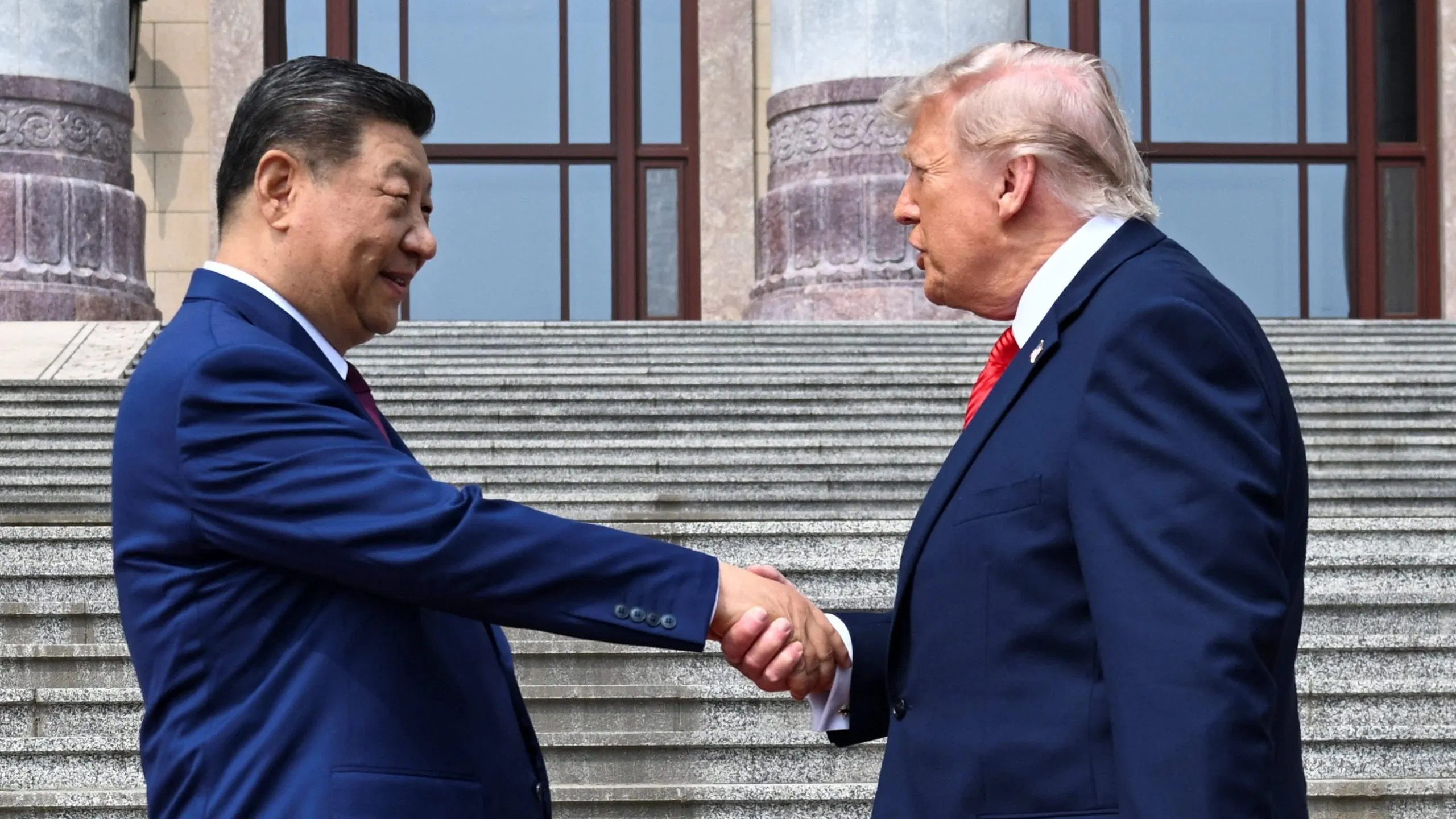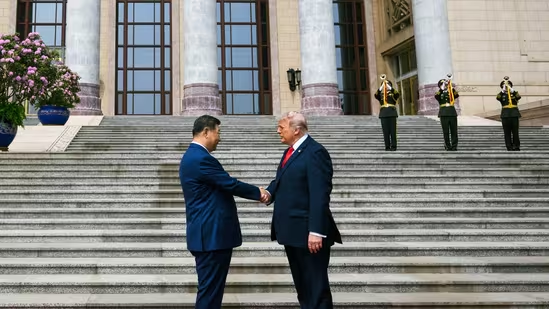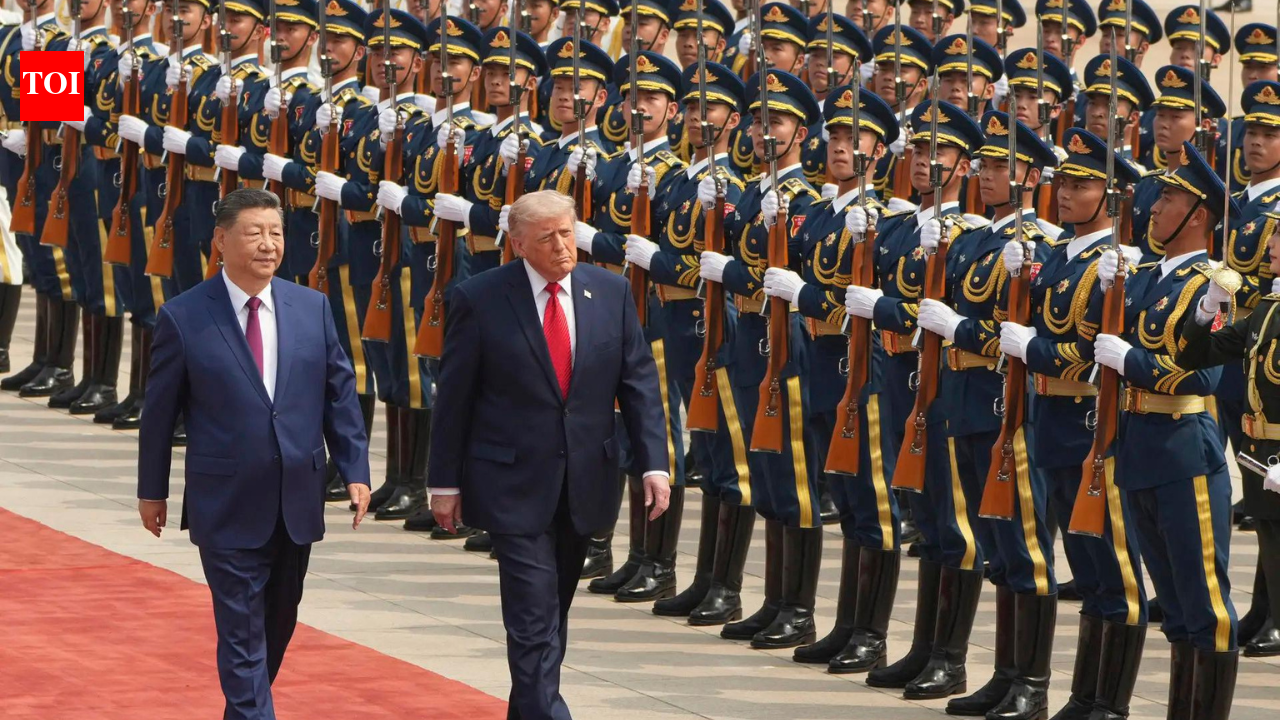
When Chinese President Xi Jinping met US President Donald Trump in Beijing on Thursday, one phrase unexpectedly dominated strategic discussions between the world’s two biggest powers: the “Thucydides Trap”.“Whether China and the United States can transcend the so-called Thucydides Trap and create a new normalization of relations between major powers; whether we can join hands to address global challenges and inject greater stability into the world; whether we can advance the well-being of the peoples of our two countries and the future destiny of humanity, and jointly create a better future for bilateral relations,” Xi said in his opening remarks.
Opening the bilateral meeting, Xi framed the future of China-US relations as one of the defining questions of the current era.The term, reflects a deeper concern shaping modern geopolitics — whether the growing rivalry between the United States and China can remain competitive without sliding into direct conflict.At one level, the phrase sounds academic.
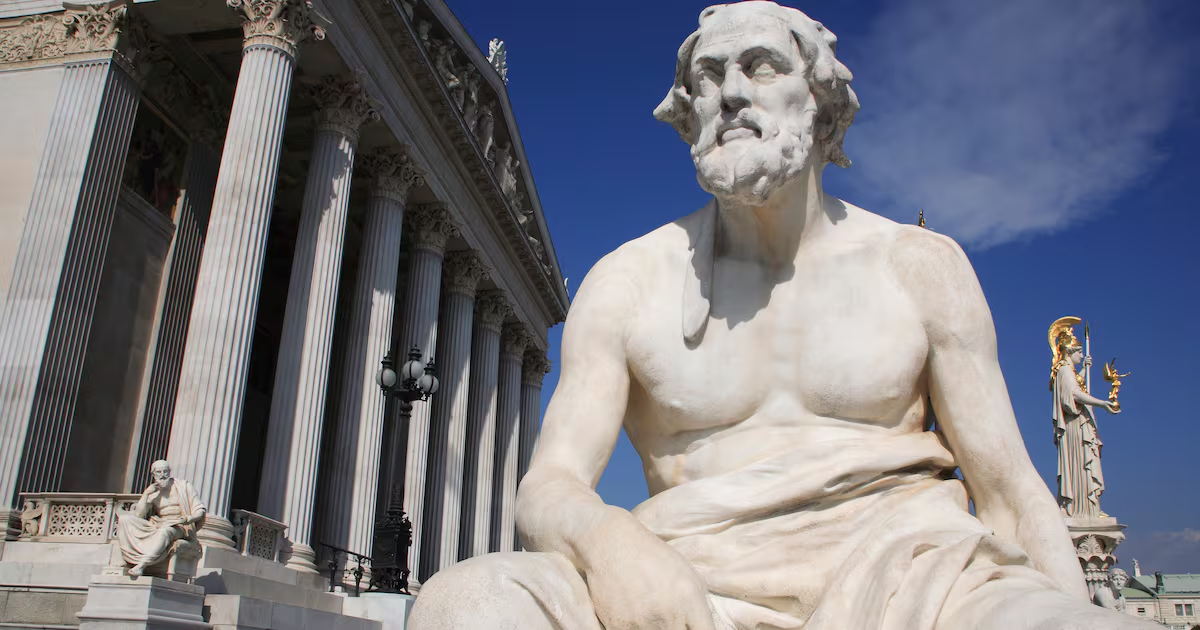
But in reality, it sits at the centre of the current global power struggle involving trade wars, semiconductor restrictions, military tensions in the Indo-Pacific and the race for technological dominance.The theory behind the phraseThe “Thucydides Trap” was popularised by Harvard political scientist Graham Allison, who drew from the writings of ancient Greek historian Thucydides.Thucydides had analysed the Peloponnesian War between Athens and Sparta nearly 2,500 years ago and concluded that it was the rise of Athens and the fear this created in Sparta that made war inevitable.Allison later adapted the idea to modern geopolitics.