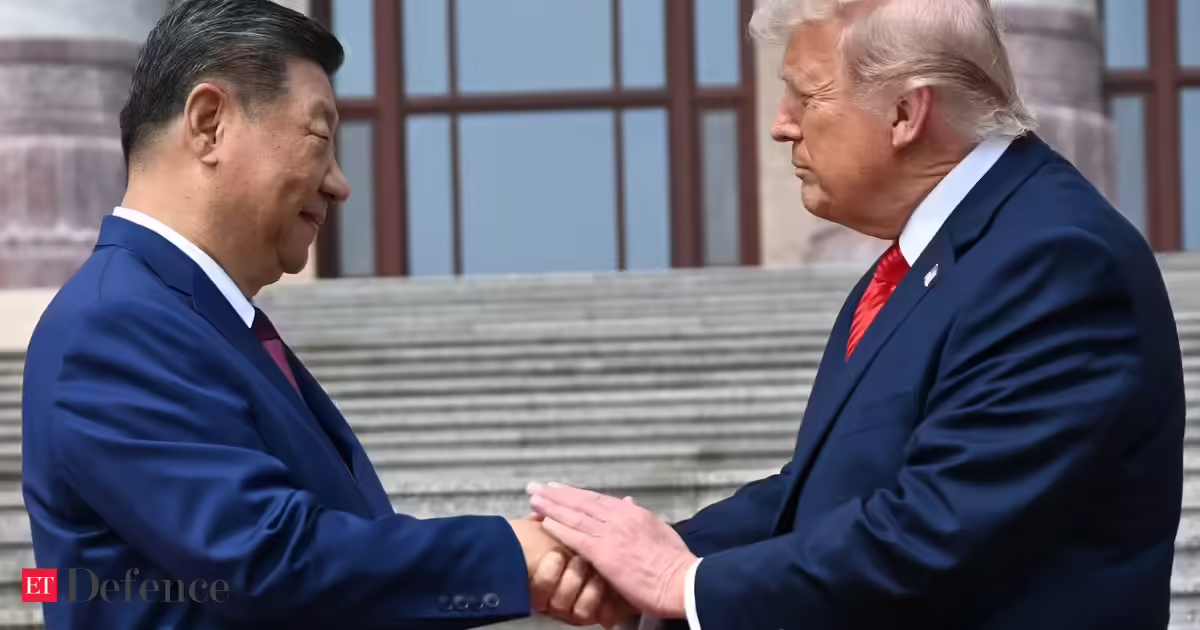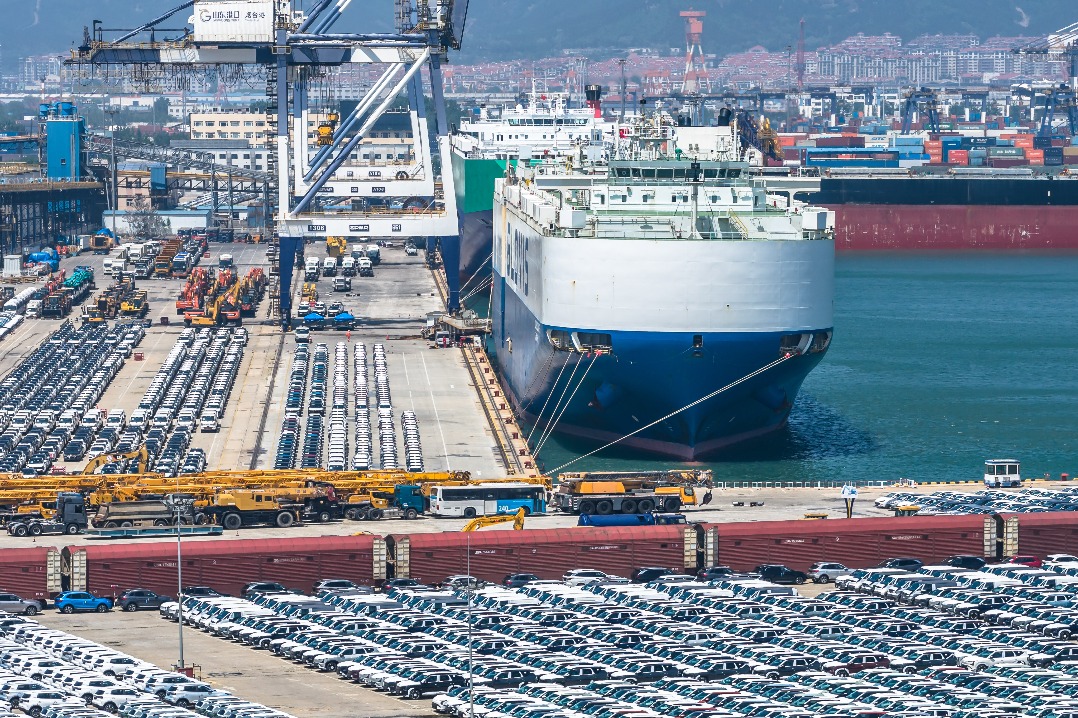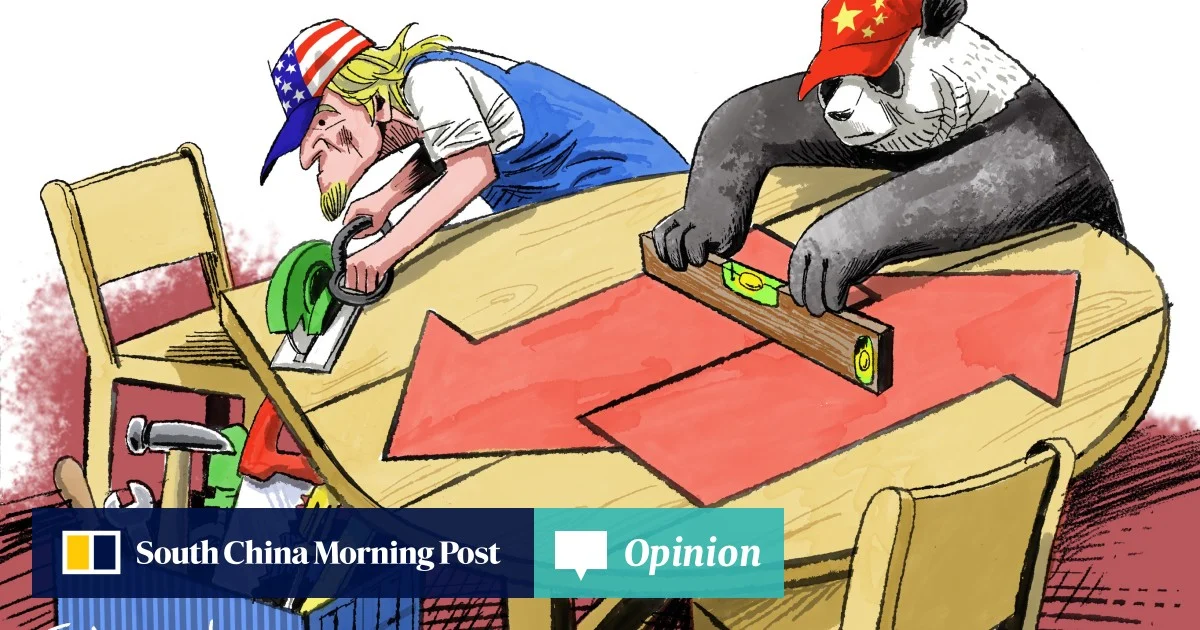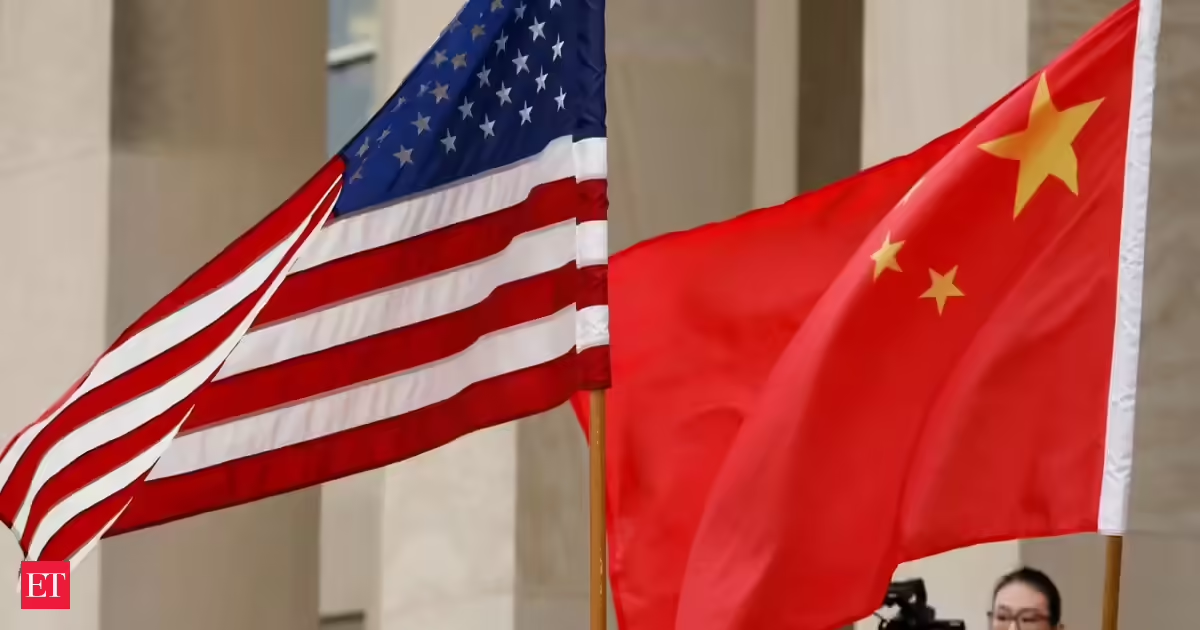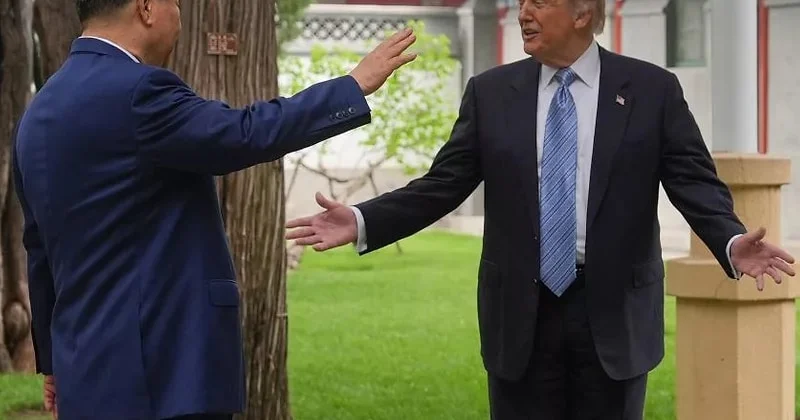
The White House announced the creation of two new bilateral bodies, a US-China Board of Trade and a parallel Board of Investment, designed to bring some structure to the increasingly chaotic commercial relationship between Washington and Beijing.
What the boards actually do
The Board of Trade has a deceptively simple mandate: figure out which products can still be exchanged between the US and China amid escalating tensions. That means creating categories of goods that get favorable treatment versus those that remain restricted, particularly sensitive technologies and advanced chips.
The approach has been described as a “tariff canyon” policy. Approved goods would face lower tariffs, while restricted goods, especially in the semiconductor and advanced technology space, would continue to face steep duties. The gap between those two tariff levels is the canyon.
The Board of Investment, meanwhile, is a slower-moving body focused on resolving investment disputes between the two countries. This tracks with a growing list of grievances on both sides, from US export controls on advanced chips to China’s retaliatory restrictions on rare earth minerals that are critical for everything from electric vehicles to defense systems.