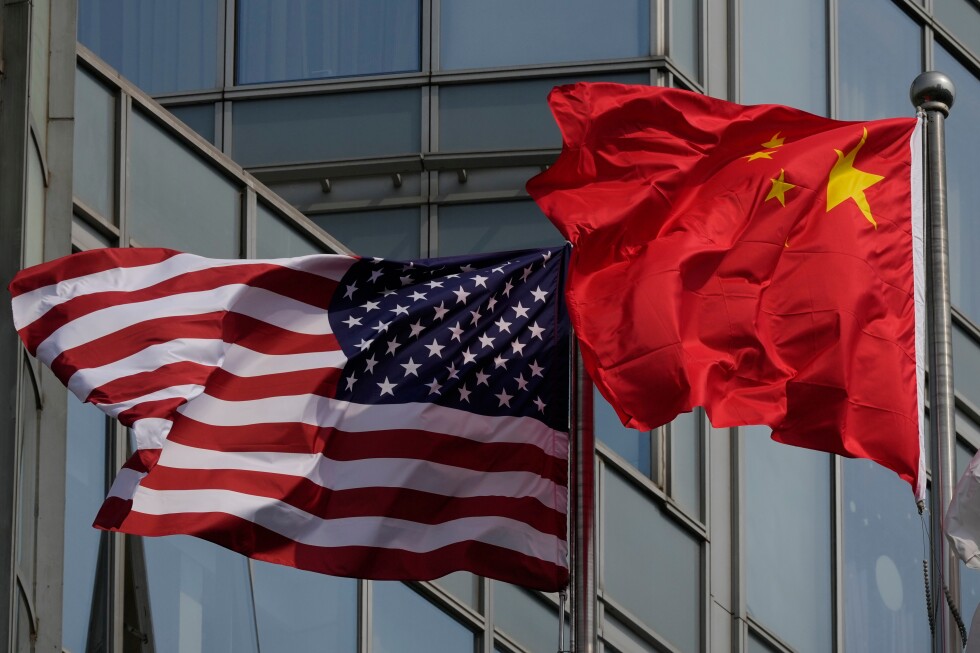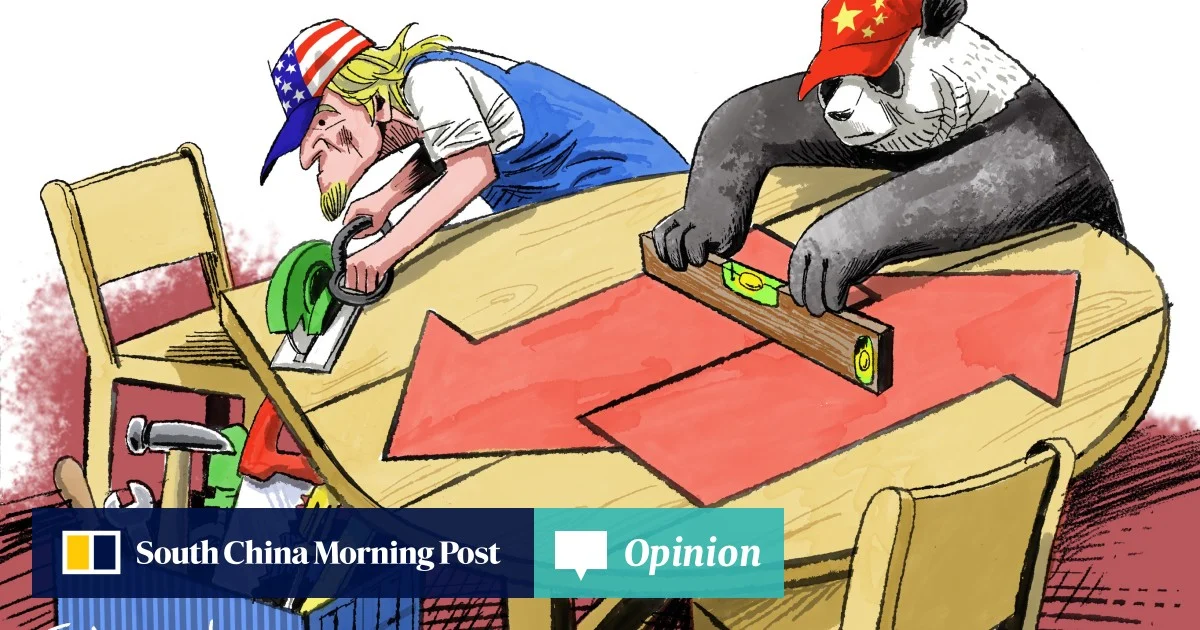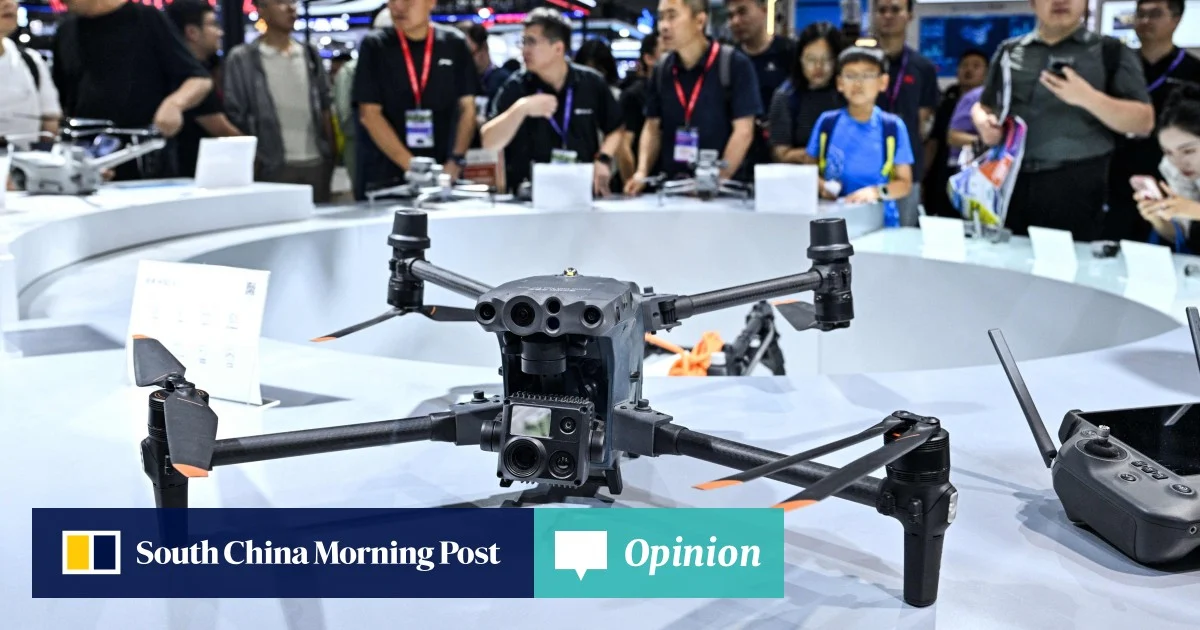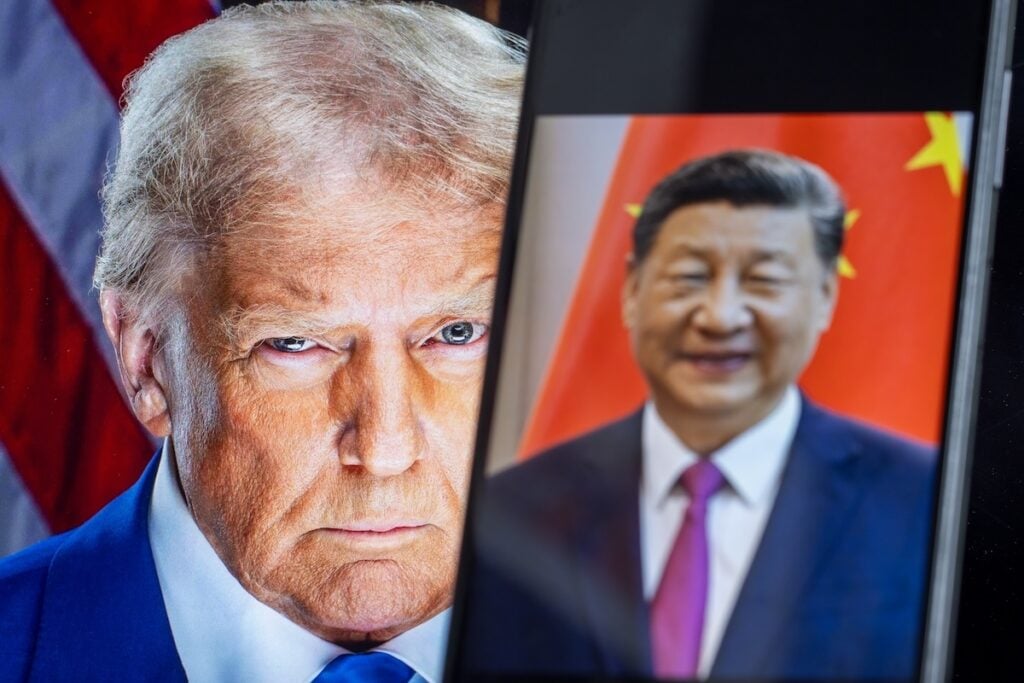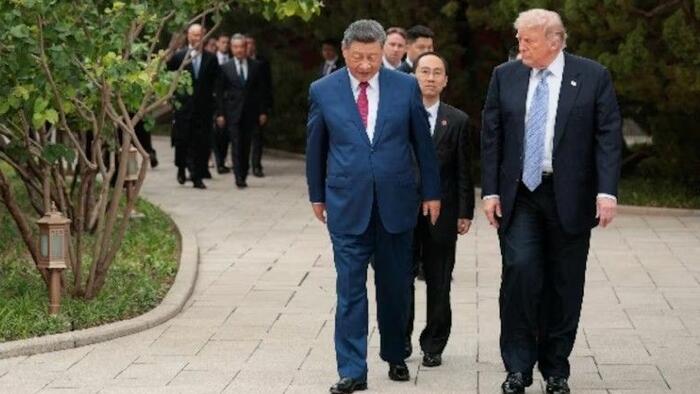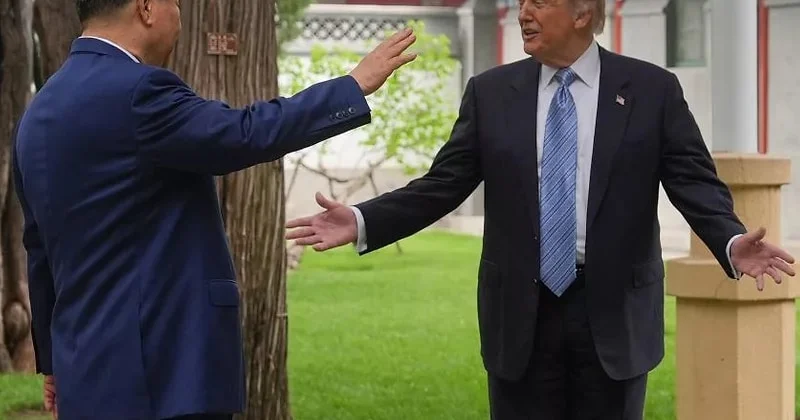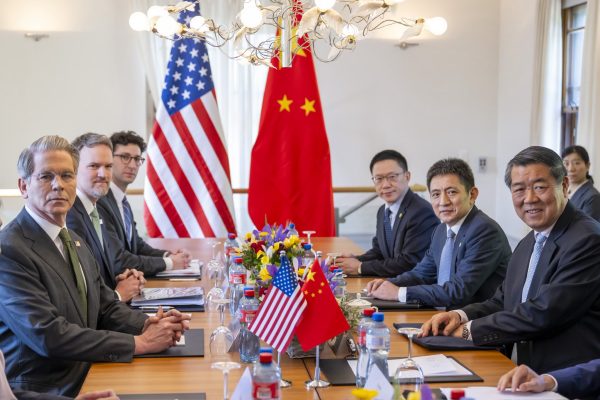
As U.S. President Donald Trump’s planned visit comes into view, Washington and Beijing are discussing a new China-U.S. Board of Trade. U.S. Treasury Secretary Scott Bessent and U.S. Trade Representative Jamieson Greer have suggested a body that would define what the two countries can trade without crossing national security red lines.
That sounds sensible, but it is dangerously incomplete. The real problem is the absence of procedures that keep ordinary commercial disputes from escalating into geopolitical confrontations.
A board that merely blesses some transactions and bans others would quickly become another arena for political theater. Its real purpose should be to keep day-to-day commerce from being pulled into every diplomatic crisis and to prevent minor frictions from triggering tariffs, sanctions, export controls and retaliation.
The difficulty is that while the U.S. and Chinese economies remain tightly intertwined, the rules that govern them rest on fundamentally different assumptions about state power, market discipline, ownership, data control and national security. Those differences surface in disputes over subsidies, state-owned enterprises, industrial policy, regulatory discretion, digital governance and security screening. No trade board will make those differences disappear. Nor should it try. The test is whether two rival systems can create procedures that allow firms, banks, shippers and investors to understand the rules before they act, verify compliance after disputes arise, and adjust course without turning every disagreement into a test of national resolve.