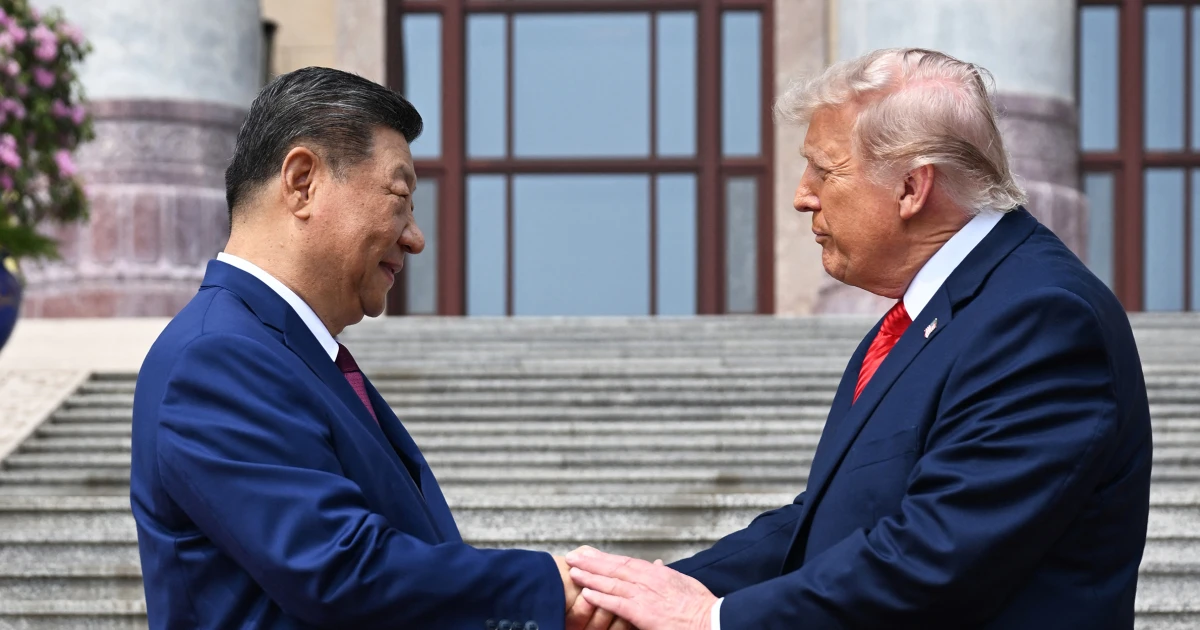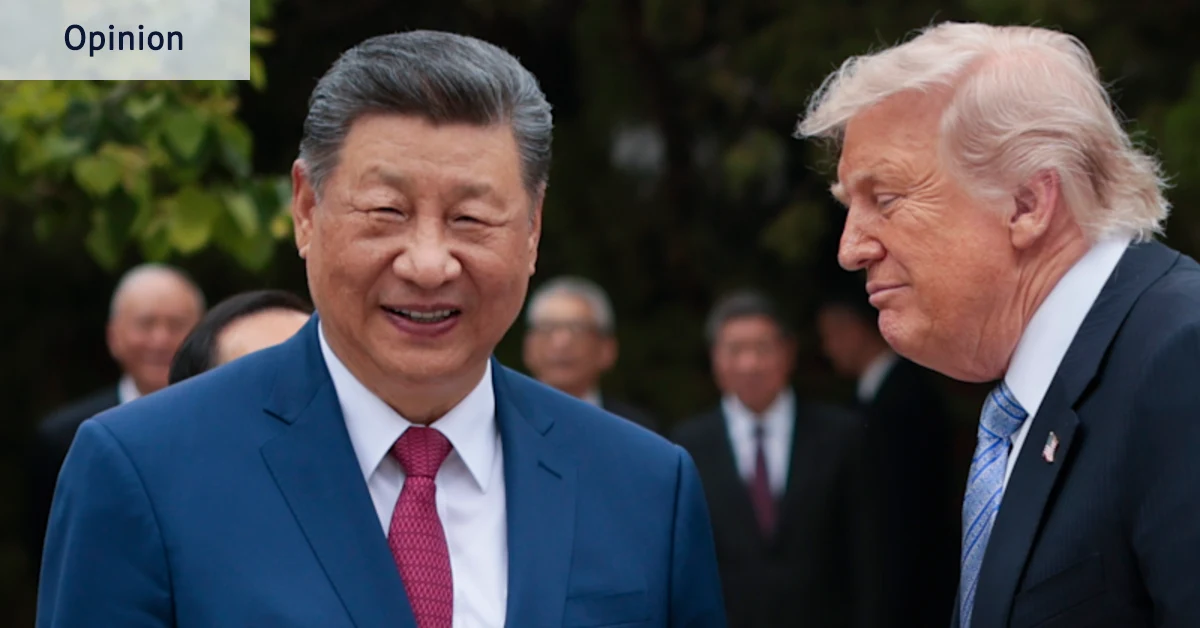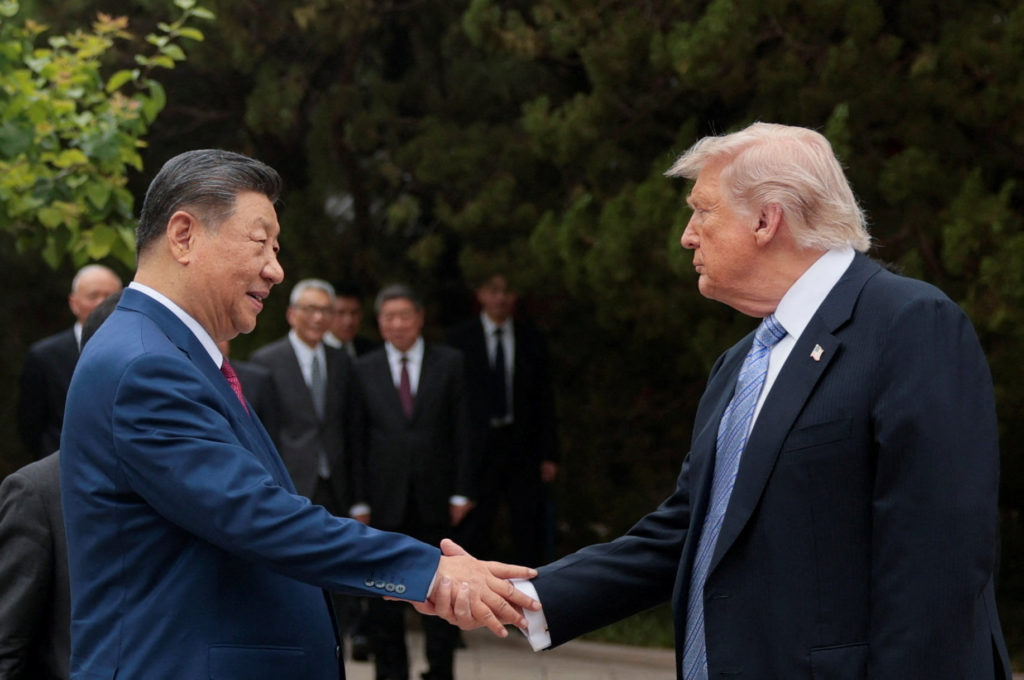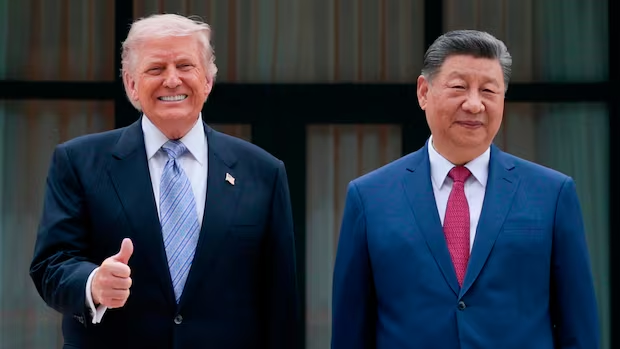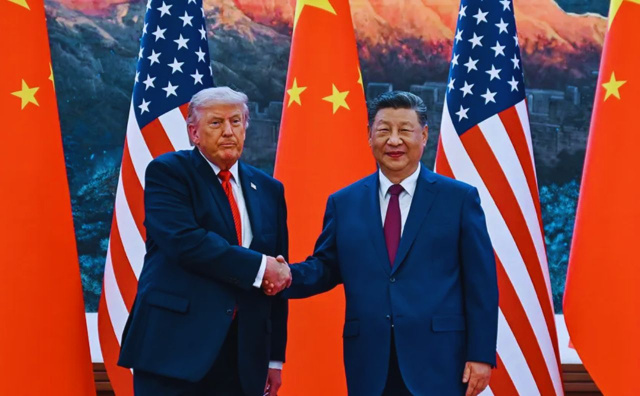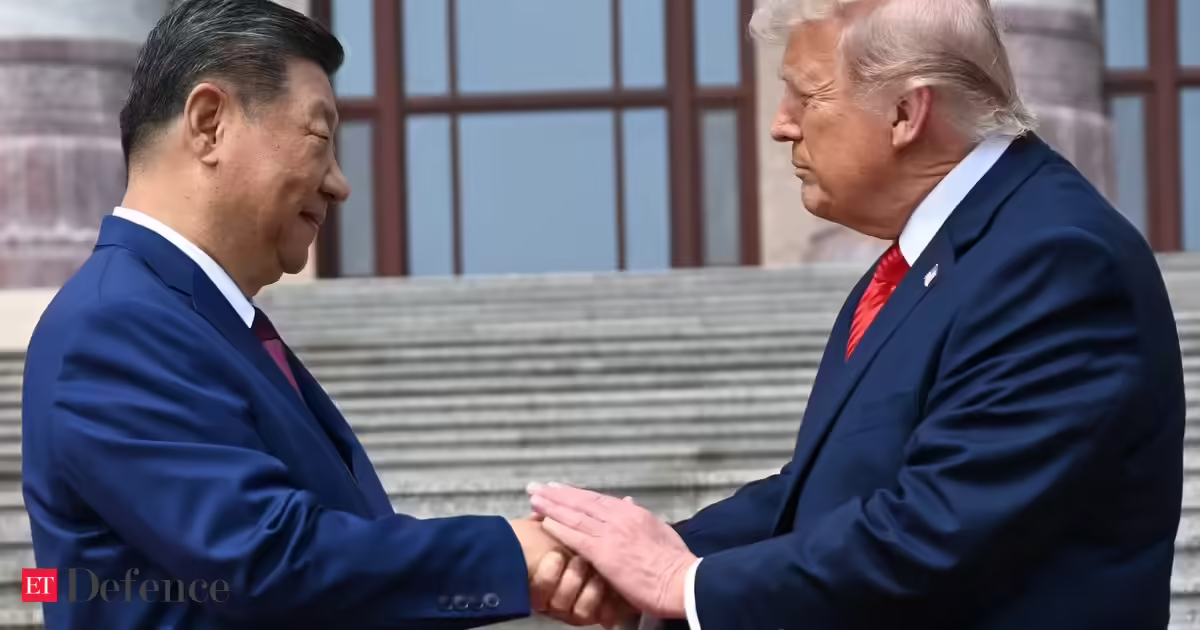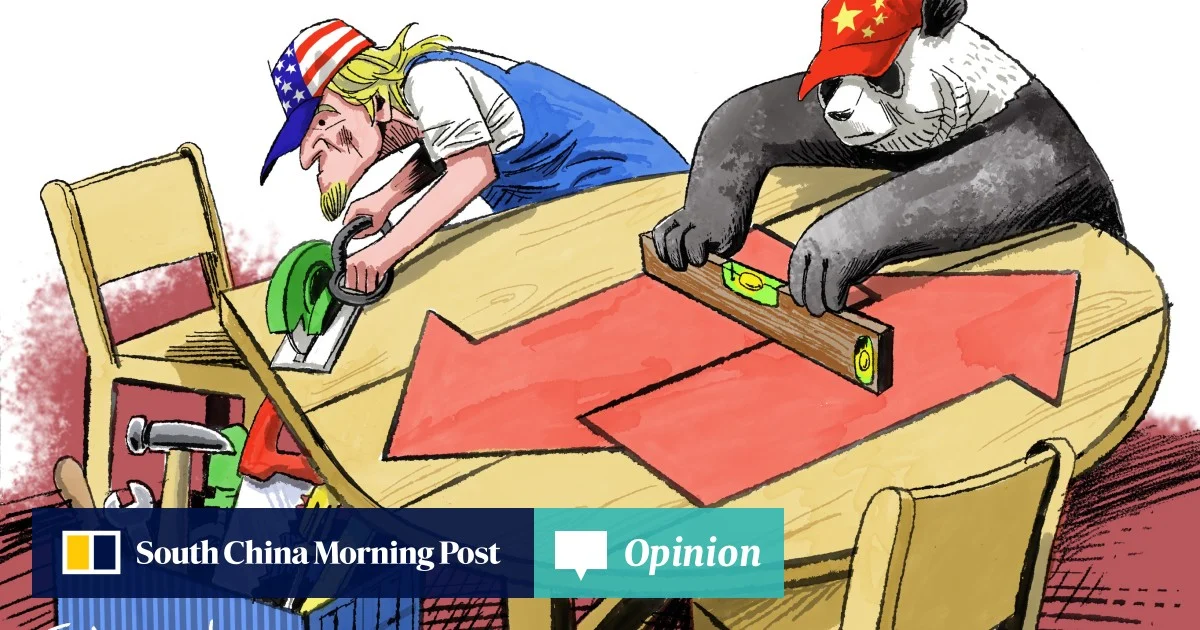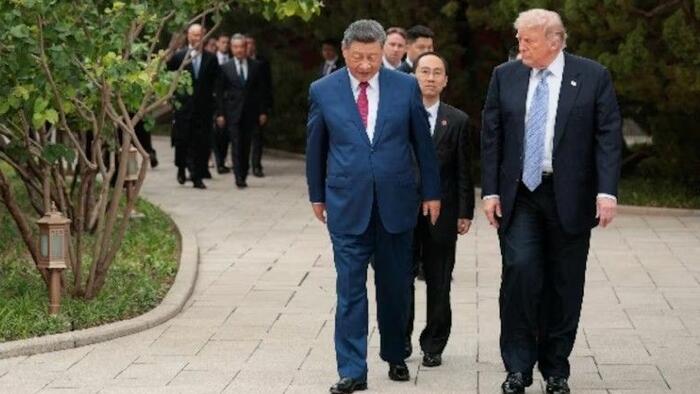
U.S. and Chinese leaders agreed to establish a new "Board of Trade" and a parallel "Board of Investment" during President Donald Trump’s two-day visit to Beijing - a summit that ended much as it began: with significant pageantry, warm personal rapport between the leaders, and modest, incremental progress on trade. The new boards aim to oversee bilateral purchases, manage trade differences, facilitate deals in non-sensitive sectors (with roughly $30 billion in goods identified), and provide a standing channel to prevent future escalations without constant high-level intervention.President Trump and Chinese leader Xi Jinping at the Great Hall of the People in Beijing. Alex Wong/Getty ImagesThe boards were a pre-summit priority pushed by U.S. officials, including Treasury Secretary Scott Bessent and U.S. Trade Representative Jamieson Greer. They build on preparatory talks in South Korea that produced what both sides described as "generally balanced and positive outcomes." Chinese state media, including Xinhua, highlighted the agreements as part of efforts to expand practical cooperation and maintain stable economic ties.This development aligns with Xi Jinping’s broader push to reframe the bilateral relationship as one of "constructive strategic stability" - a new guiding vision intended to provide predictability for the next three years and beyond, emphasizing cooperation as the mainstay while allowing for "moderate competition" and "manageable differences." Xi described it as a positive, sound, constant, and enduring stability that should translate into concrete actions.Trade and Economic DeliverablesBoeing Aircraft: China committed to purchasing 200 Boeing jets, with Trump indicating the order could potentially grow to 750 based on performance. This was the most visible commercial headline, though it fell short of earlier speculation around larger volumes and drew a muted market reaction.Agriculture and Energy: Progress on expanded U.S. farm product sales (soybeans, beef, and other goods, with reports of commitments up to $10–50 billion in some readouts) and potential energy deals. Xi told accompanying U.S. CEOs that "China’s door will only open wider" to American businesses, signaling greater market access in mutually beneficial areas.Investment Outlook: Discussions included pathways for Chinese investment into non-sensitive U.S. sectors, with the Board of Investment intended to provide clearer guidelines and reduce uncertainty from national security reviews.Trump touted "fantastic trade deals" upon departure, while Xi emphasized win-win outcomes and the importance of sustaining momentum in economic ties.And hey, America apparently needs 500,000 Chinese students in the US, and China should be able to purchase US farmland so that collages and farm prices don't collapse, or something. NOW - Trump says it's good to have 500,000 foreign Chinese students in the U.S. and for China to purchase U.S. farmland; otherwise, colleges and farm prices would collapse: "I frankly think that it's good that people come from other countries and they learn our culture." pic.twitter.com/3vQDXpjchz
US And China Agree To Establish Trade And Investment Boards As Trump-Xi Summit Delivers Modest Wins
Competing narratives quickly emerged...
1,066 words~5 min read