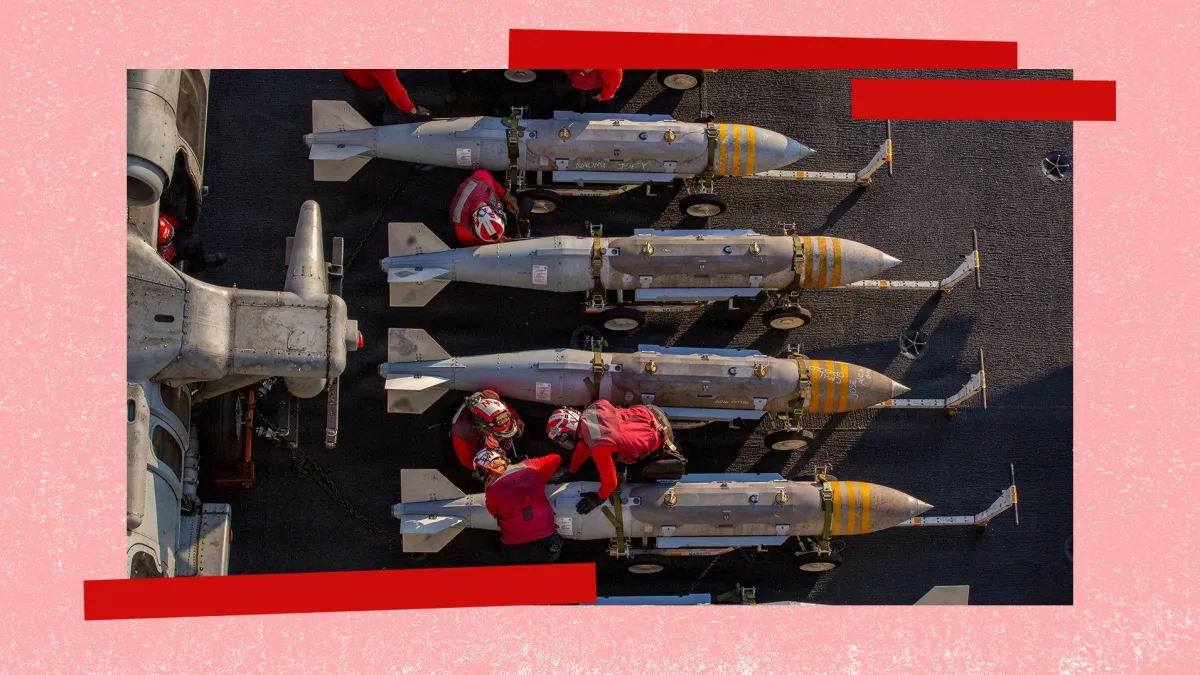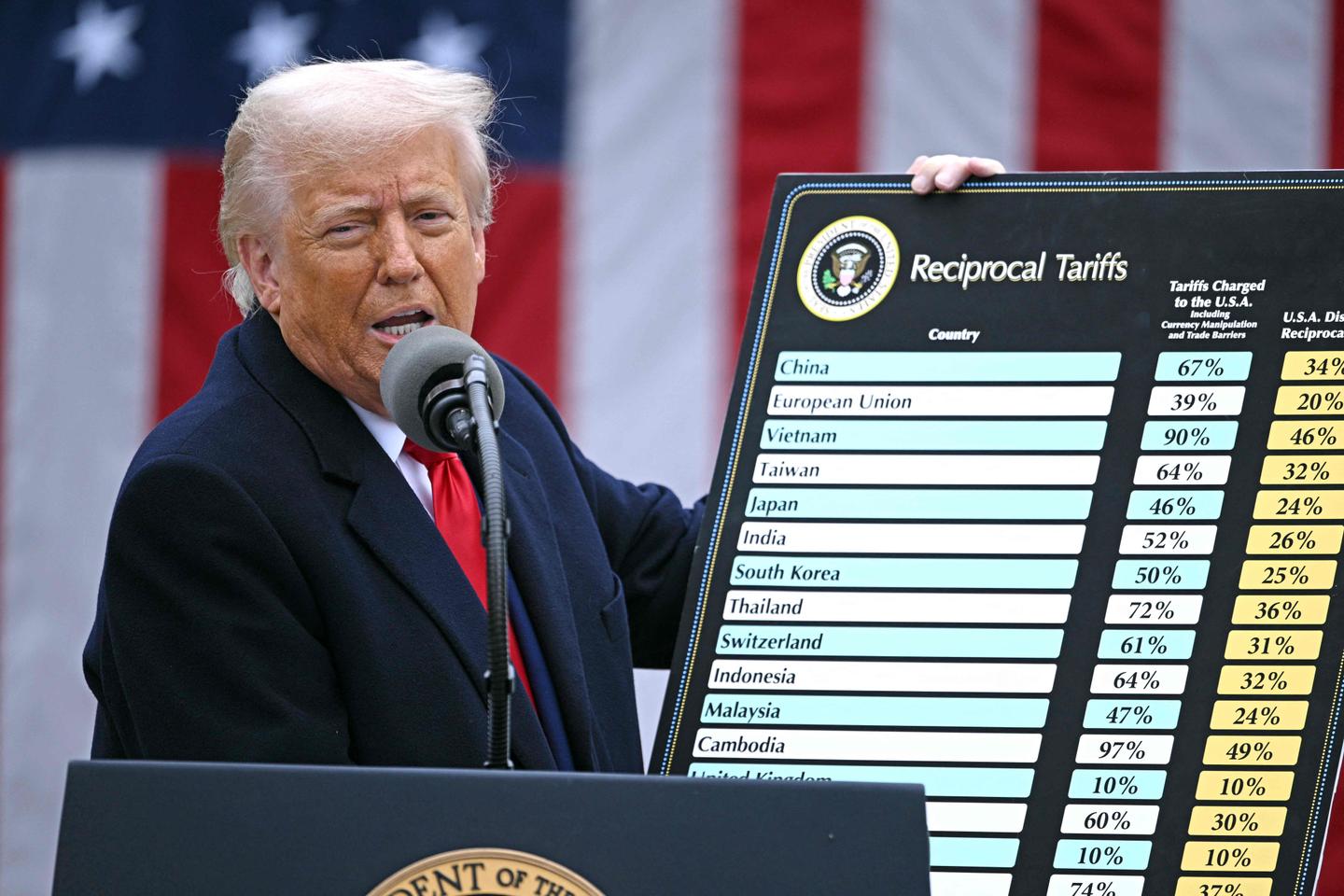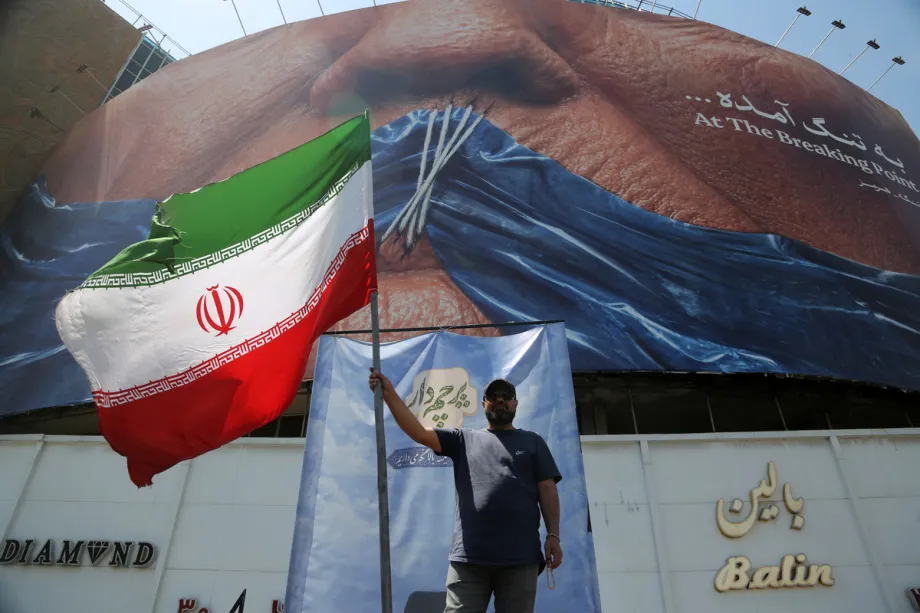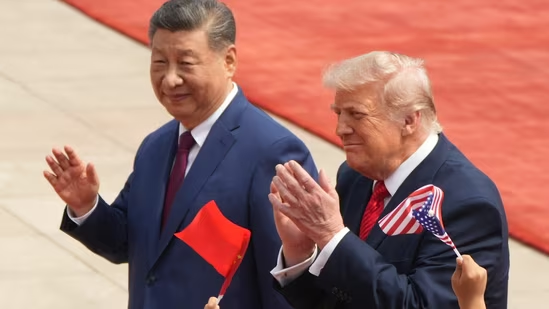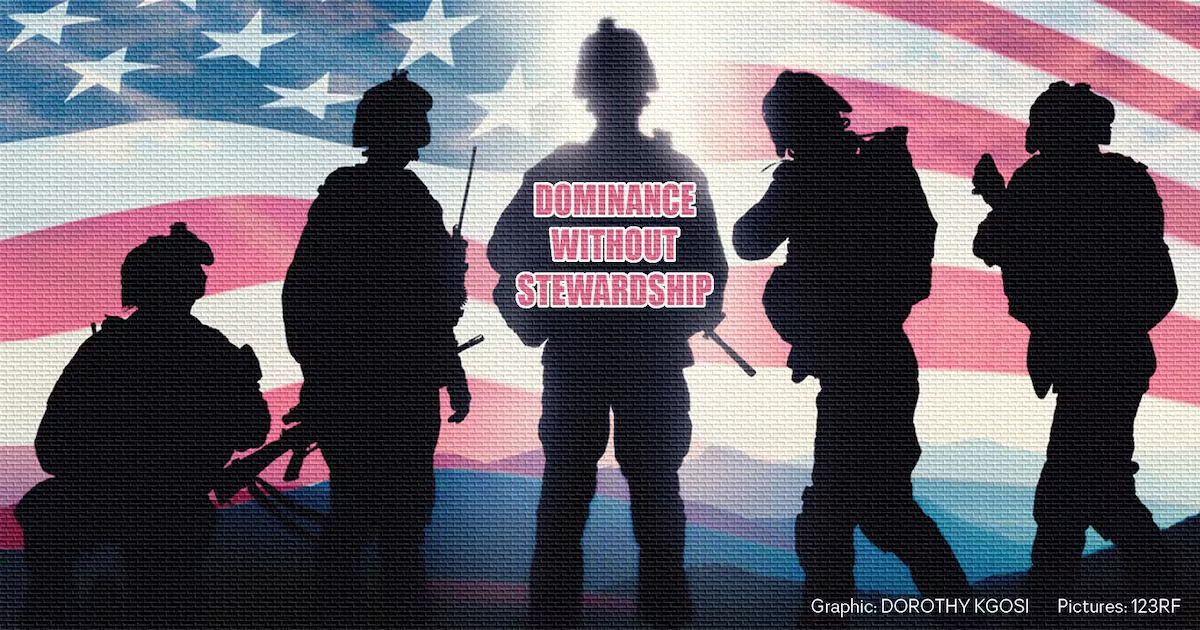
The US is not approaching collapse because it lacks power. It is approaching collapse because it has too often mistaken power for wisdom. Its armed forces remain unmatched in reach, its financial system remains central to global commerce, and its technology sector still shapes the future. Yet these advantages can conceal a more dangerous condition: the erosion of judgment. A superpower begins to decay when it treats coercion as strategy, military reach as political authority, and exemption from rules as evidence of strength. The result is not immediate collapse but a cumulative weakening of legitimacy, fiscal discipline, institutional trust and strategic clarity.The war on Iran is the latest expression of this disorder. Washington and Israel possess overwhelming conventional capabilities, and most assessments show Iran has suffered serious military damage. Yet, the central question is not whether the US can strike Iran; it is whether violence can produce a stable political outcome. The conflict has already shifted from a narrow military campaign to a test of endurance, maritime pressure, domestic patience and bargaining leverage. Iran’s ability to threaten the Strait of Hormuz demonstrates the difference between battlefield superiority and strategic control. A weaker state need not defeat a superpower outright; it need only raise the cost of victory beyond what that superpower’s public, economy and allies are willing to bear.This is the recurring failure of American interventionism. Iraq, Afghanistan, Libya, Syria, Yemen and now Iran belong to a broader tradition in which Washington enters conflicts with maximal confidence and exits them with diminished credibility. The pattern is not simply a military error. It is a conceptual error: the assumption that destroying capacity is equivalent to creating order. The post-9/11 wars revealed how quickly punitive power becomes a strategic burden. Brown University’s Costs of War project has documented the enormous human, fiscal and social consequences of that era. Iran risks extending the same logic into a still more dangerous regional environment.The deeper problem is imperial overstretch. British historian and Yale University professor Paul Kennedy’s classic argument was not that great powers fall because they become poor, but because they allow external commitments to exceed the economic and political base that sustains them. That diagnosis remains relevant. The US carries global military obligations, subsidises allies, maintains vast overseas deployments and finances repeated wars while its own fiscal position deteriorates. The congressional budget office projects large deficits and rising public debt to 2036, with interest costs absorbing an expanding share of national resources. A republic cannot indefinitely combine imperial commitments with domestic underinvestment and expect no internal consequence.The deeper problem is imperial overstretch. British historian and Yale University professor Paul Kennedy’s classic argument was not that great powers fall because they become poor, but because they allow external commitments to exceed the economic and political base that sustains them. The moral contradiction is equally corrosive. The US claims to defend sovereignty in Ukraine, oppose coercion in Asia, and uphold international law against rivals. Yet in the Middle East it has often shielded allies from the standards it invokes elsewhere. US support for Israel amid the Gaza catastrophe, the wider regional war and the confrontation with Iran has deepened the perception that American legality is selective. Human rights organisations have warned continued military support amid alleged serious abuses risks complicity and weakens the credibility of the legal order Washington claims to defend (Amnesty International, 2024). A power that applies law only to adversaries does not preserve order; it converts law into hierarchy.US economic policy now displays the same arrogance. Sanctions, tariffs, export controls, investment restrictions and financial penalties have become routine instruments of American statecraft. Used carefully they can serve legitimate security purposes. Used excessively, they teach other states that dependence on US-controlled systems is a vulnerability. Research by the Rand nonprofit organisation indicates the boundary between economic security and economic statecraft has broken down, and that US policy now needs clearer tests of purpose, economic soundness, legitimacy and sustainability. Research on financial sanctions similarly notes the overuse of dollar power can encourage hedging against the dollar-centred system. Coercion may deliver short-term compliance, but it can also accelerate long-term exit. (Brandan Reynolds) The same strategic incoherence appears in US policy toward China. A serious China strategy would rebuild American productive capacity, invest in education and technology, co-ordinate with allies and compete through superior institutions. Instead, Washington has often relied on tariff shocks, technology restrictions and ideological confrontation. Some of these measures may be necessary in narrow sectors, but when they become a governing philosophy they reveal insecurity rather than confidence. The US cannot contain China by neglecting its own industrial base, polarising its society and weakening the alliances that give it strategic depth. The Chips & Science and Inflation Reduction Acts are real steps towards renewal, but they remain dwarfed by the political energy spent on export controls and rhetorical confrontation. Competition with China will be won less by punishment than by renewal.Alliances frayingThe alliance system is also fraying under the pressure of American inconsistency. Allies can accept leadership; they cannot easily accept unpredictability disguised as leadership. Chatham House has described a more fragmented order in which US partners increasingly doubt Washington’s commitment to the system it once built.Carnegie has similarly analysed the erosion of America’s postwar international role as Washington reviews, pressures or withdraws from multilateral commitments. This is not isolationism. It is dominance without stewardship: demanding loyalty while reducing trust.The domestic foundations of power are weaker than American rhetoric admits. Public trust in the federal government remains near historic lows. Freedom House has warned of democratic erosion driven by polarisation, extremism, institutional dysfunction and inequality. These are not peripheral concerns. Foreign policy is ultimately an extension of domestic capacity. A divided, indebted, distrustful republic cannot indefinitely serve as the global manager without hollowing itself out.This is why the idea of implosion is analytically useful. The US is unlikely to be conquered by Iran, China, Russia or any coalition of rivals. Its greater danger is self-authored decline: a state that spends beyond its means, fights beyond its interests, sanctions beyond its legitimacy, and lectures beyond its example. Historian Andrew Bacevich’s critique of American militarism, Stephen Walt’s indictment of liberal hegemony, and Barry Posen’s case for restraint all converge on one central insight: US primacy became dangerous when it escaped discipline.To reverse this trajectory the US must replace imperial reflex with strategic restraint. That means ending the Iran war through diplomacy rather than humiliation, restoring congressional authority over war-making, narrowing military commitments to genuine vital interests, and conditioning arms transfers on compliance with international humanitarian law. It must abandon regime-change fantasies, reduce the automatic militarisation of crises and rebuild alliances through consultation rather than coercion. Toward China, the US should compete by strengthening its own industrial, scientific and civic foundations, not by imagining tariffs and sanctions can substitute for national renewal. Disciplined engagement is not retreat; it is the recovery of strategic judgment. The harder task is internal reconstruction. America must restore fiscal seriousness, protect democratic institutions, reduce the role of money and militarised interests in policy, and redirect national resources toward education, infrastructure, health, energy and productive industry.It should treat legitimacy as a strategic asset, not a public relations slogan. A powerful republic can afford law, reciprocity, diplomacy and restraint; an insecure empire cannot. The US still has the resources to renew itself. However, if it continues to confuse domination with leadership and impunity with strength its unravelling will not be imposed from abroad; it will come from within.• Bortey is CEO of US-based global NPO the Centre for Research & International Development.
NII LANTEY BORTEY | War, arrogance and the unravelling of US power
Economic coercion and overreach risk isolating Washington from allies
1,259 words~6 min read