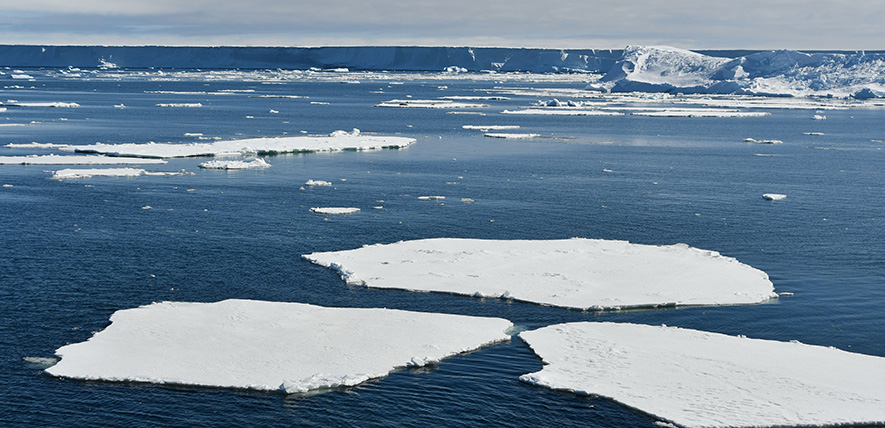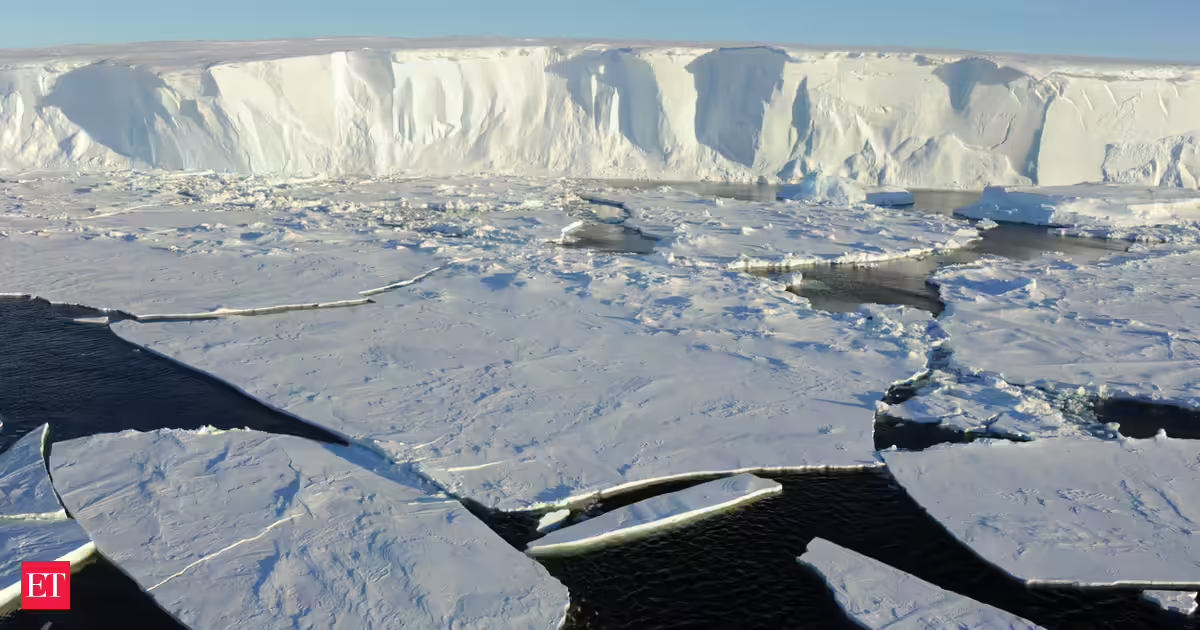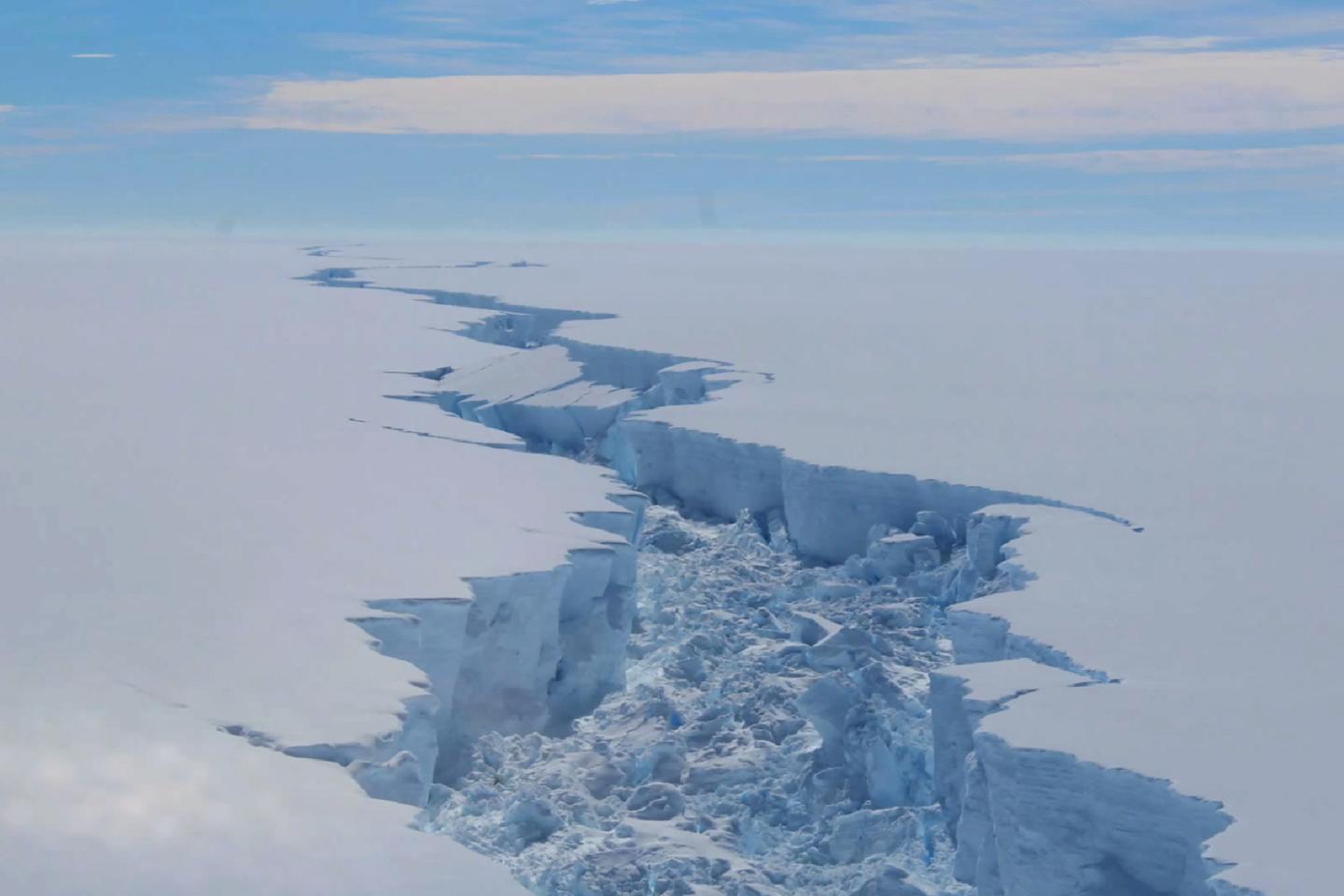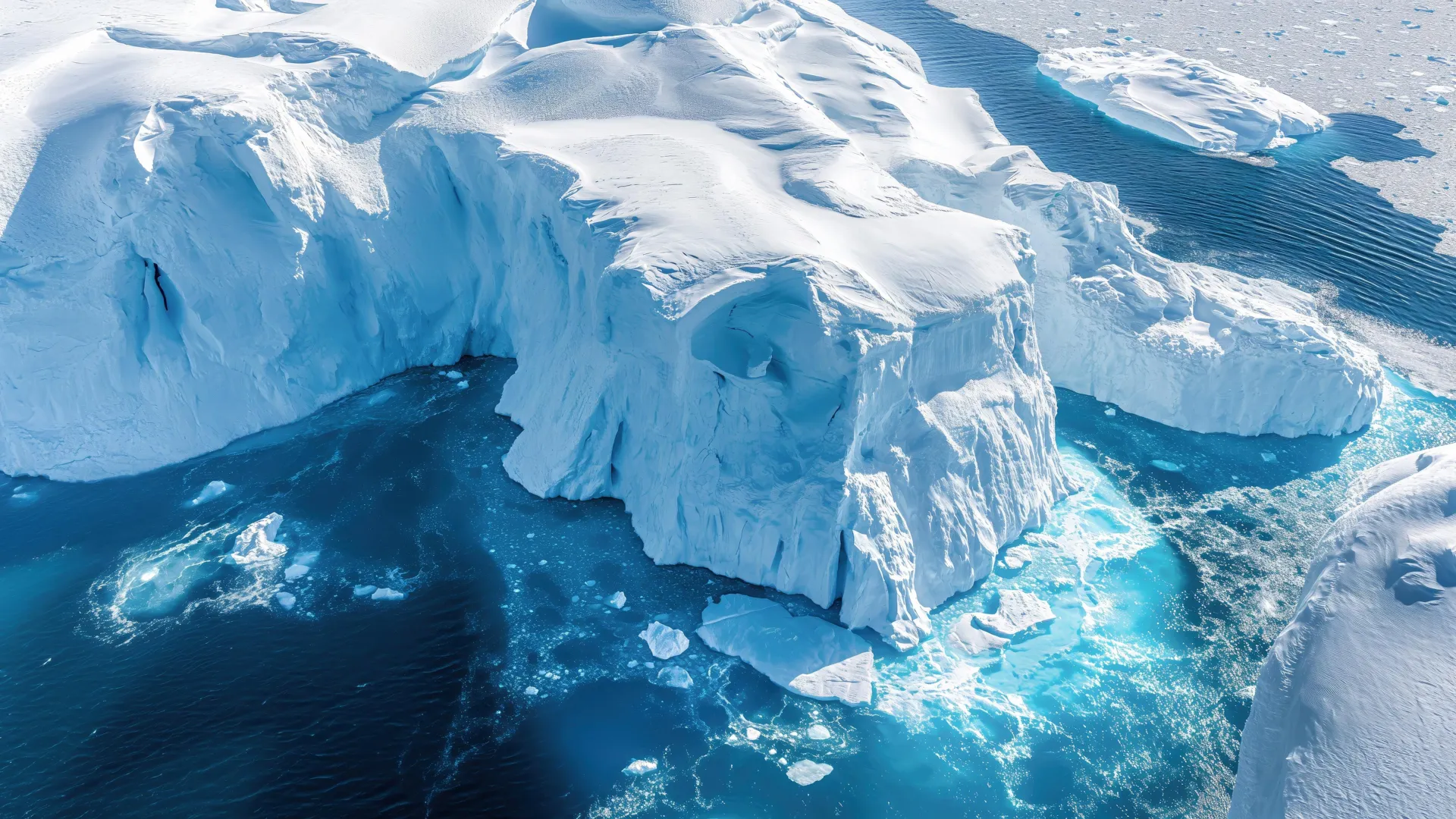
New research suggests global sea levels could rise more quickly than scientists previously expected because Antarctic ice shelves may be melting from below at a much faster rate than once believed.
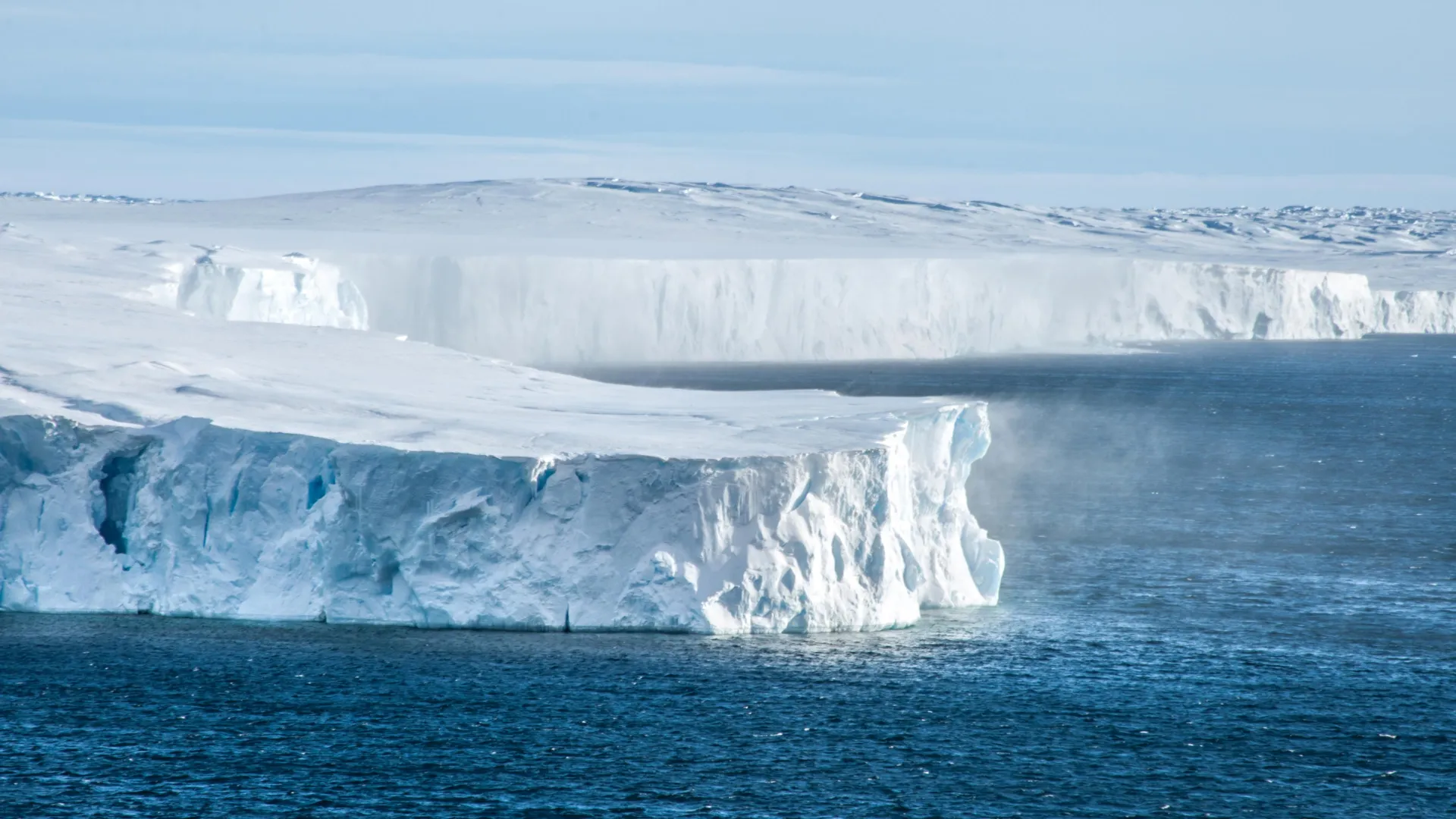
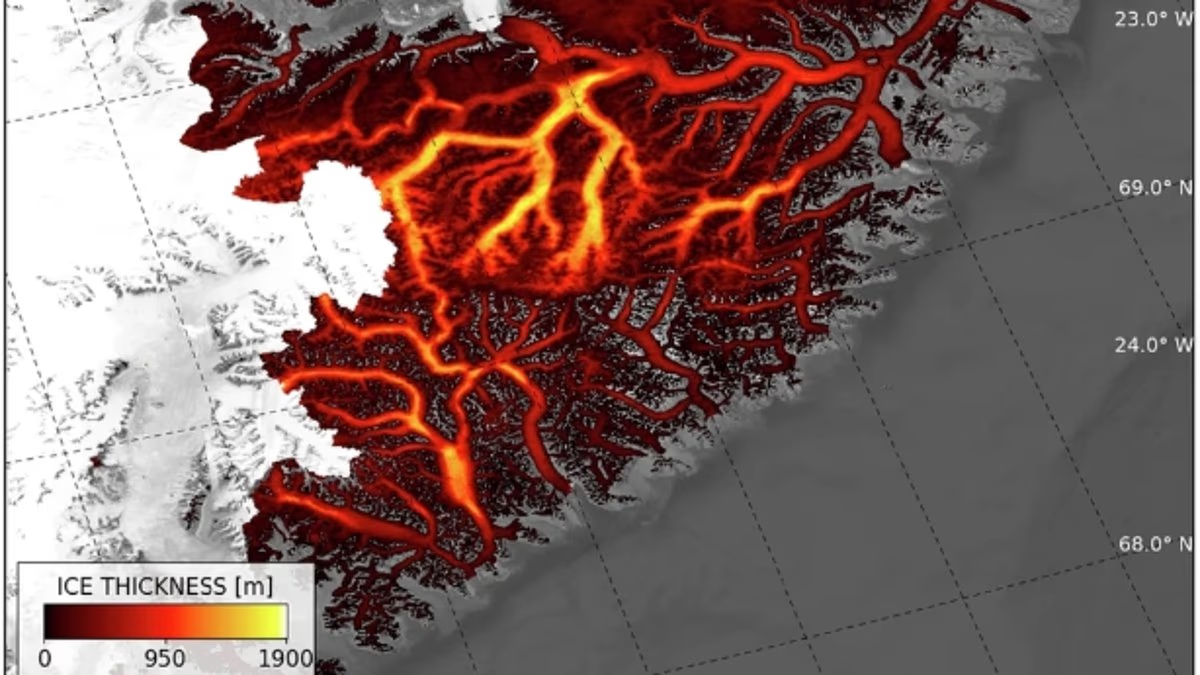
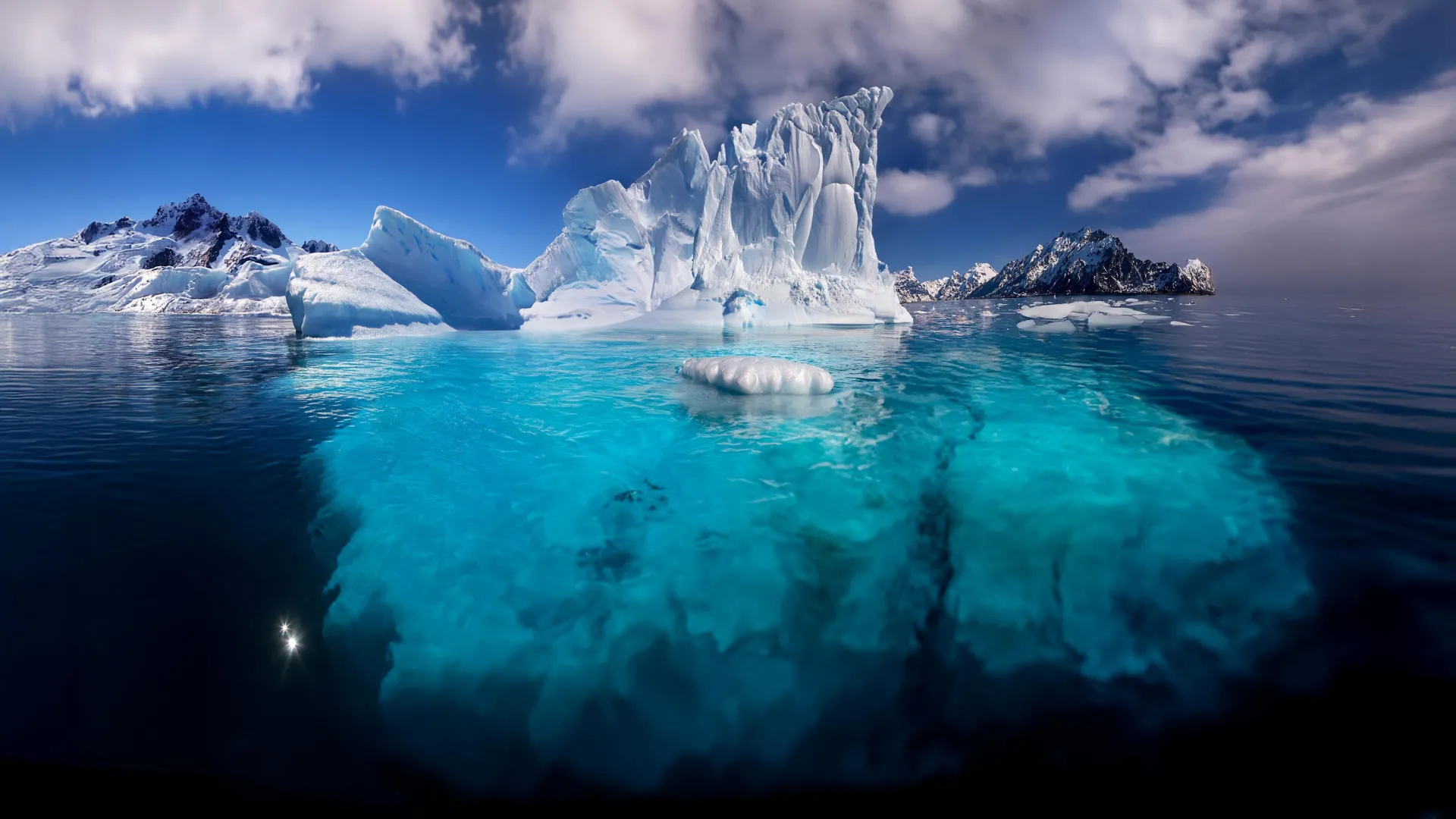
Ice shelves are massive floating extensions of glaciers that help slow the movement of enormous amounts of ice into the ocean. Scientists in Norway have now identified a process that may be speeding up their deterioration. According to the study, long channels carved into the undersides of these ice shelves can trap relatively warm ocean water, intensifying melting in specific areas.
The findings raise concerns far beyond Antarctica. As ice shelves become thinner and weaker, they lose some of their ability to hold back the glaciers behind them. That can allow more land ice to slide into the ocean, potentially accelerating global sea level rise.
Researchers say this kind of instability has already been seen in other parts of Antarctica. The Intergovernmental Panel on Climate Change (IPCC) has previously identified weakening polar ice shelves as a major uncertainty in sea level projections and a potentially serious climate risk.
Hidden Channels Beneath Antarctic Ice