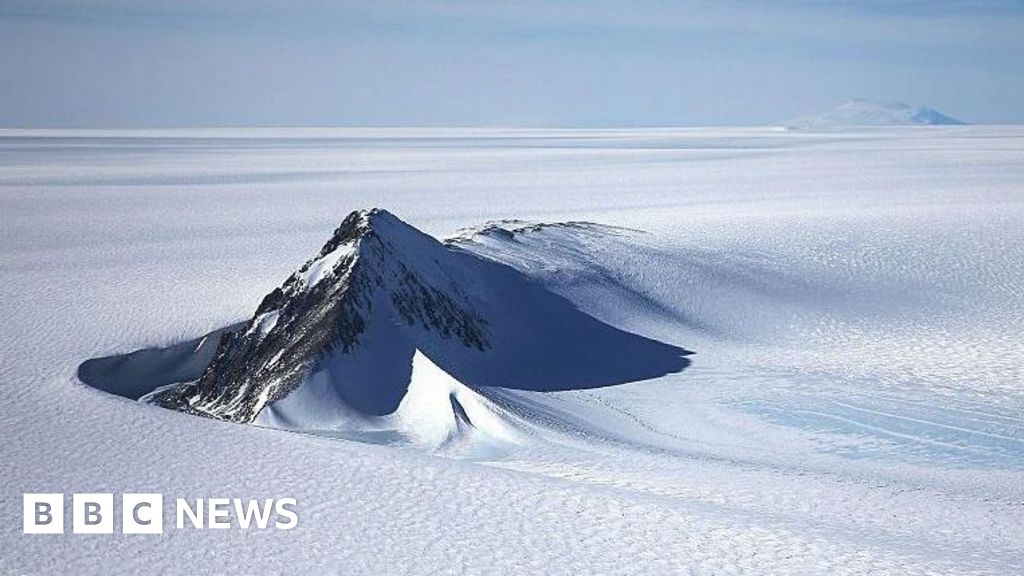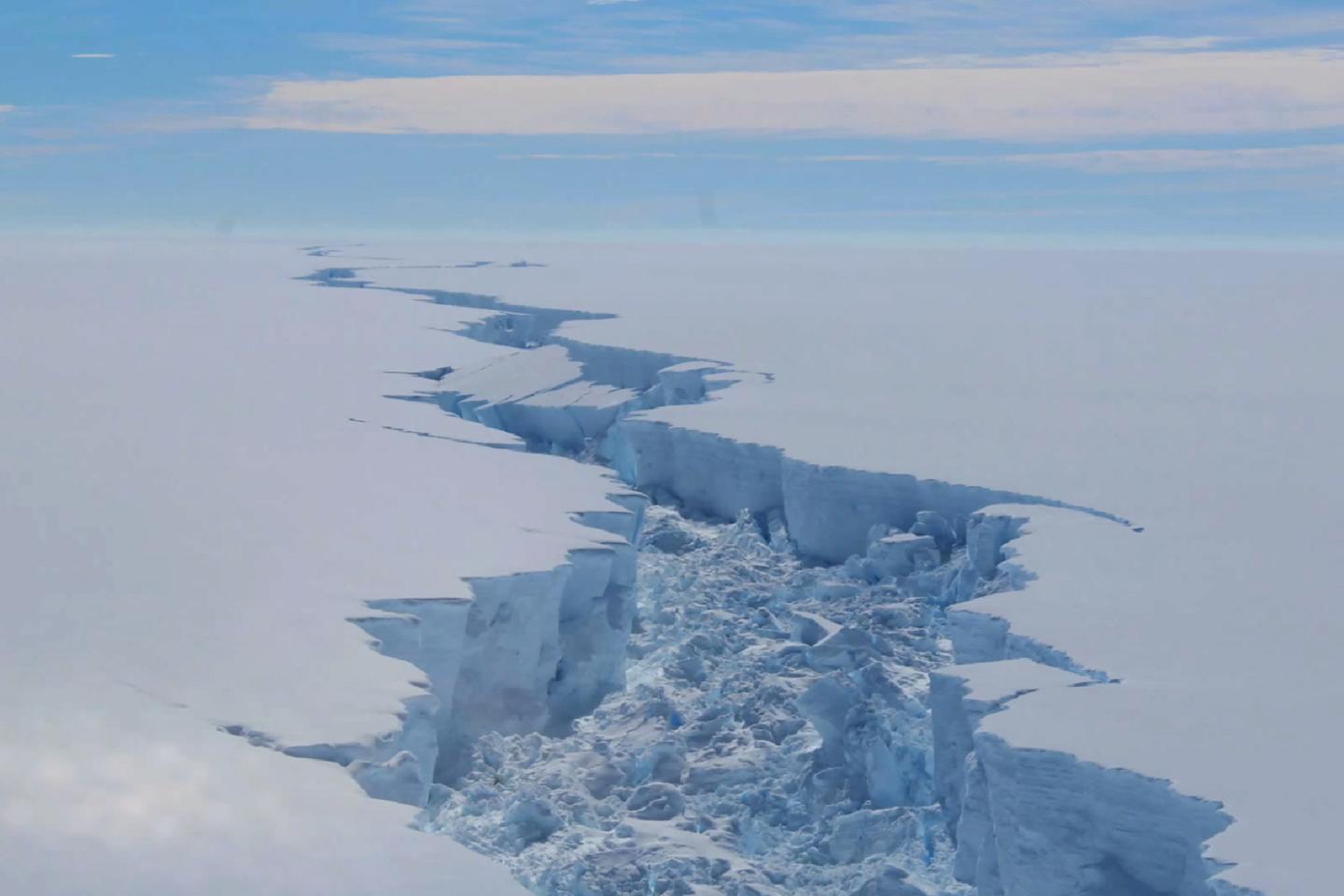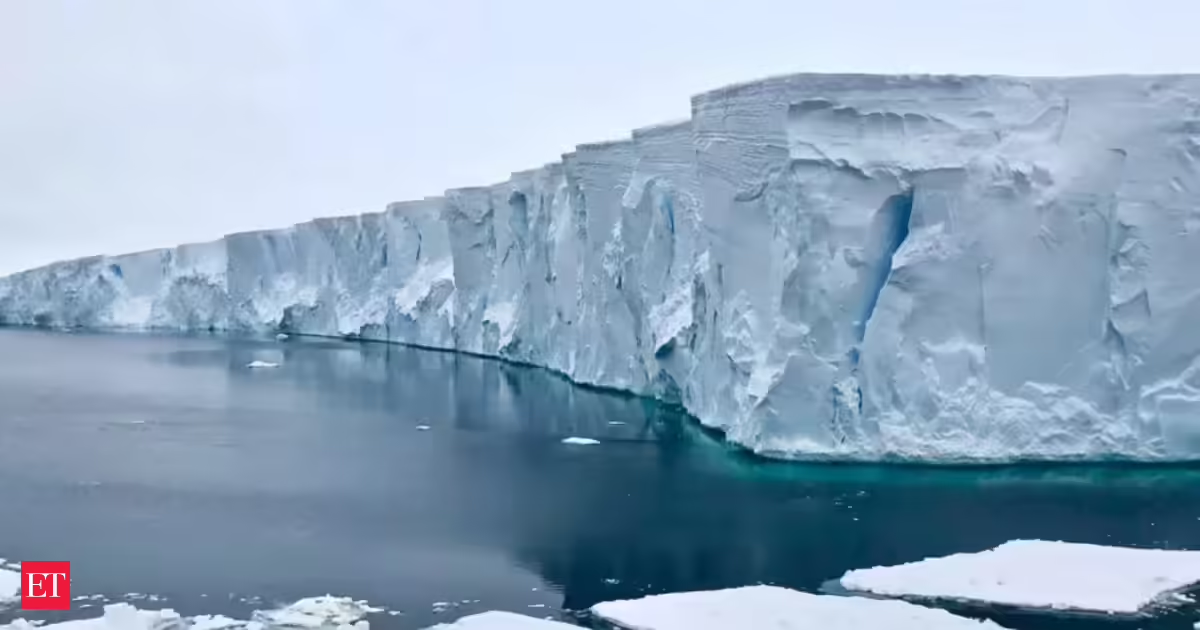
Some regions of the continent have enough ice to push up sea levels by 15 metres if they all melt, but researchers don’t yet fully understand the consequences
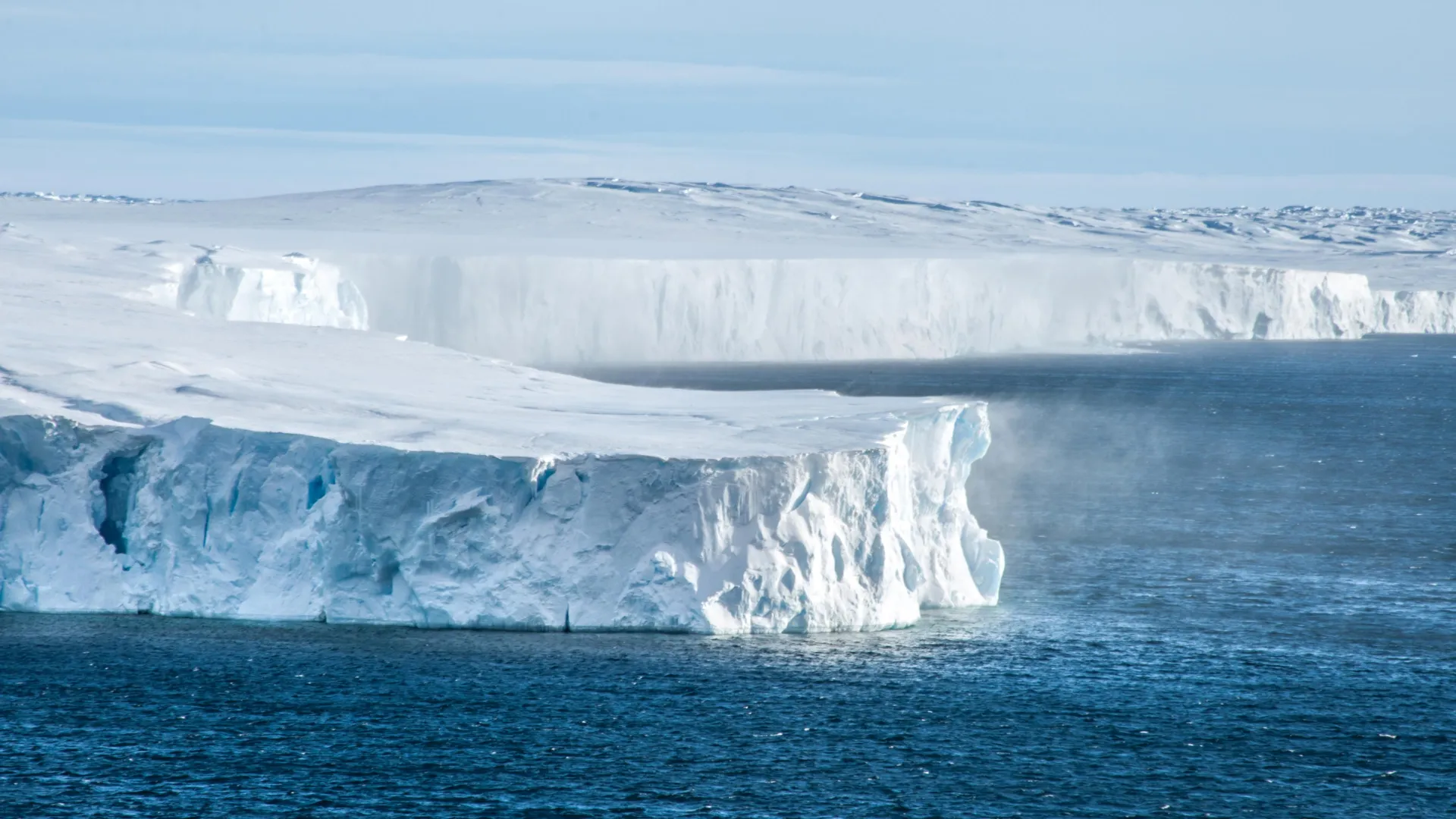
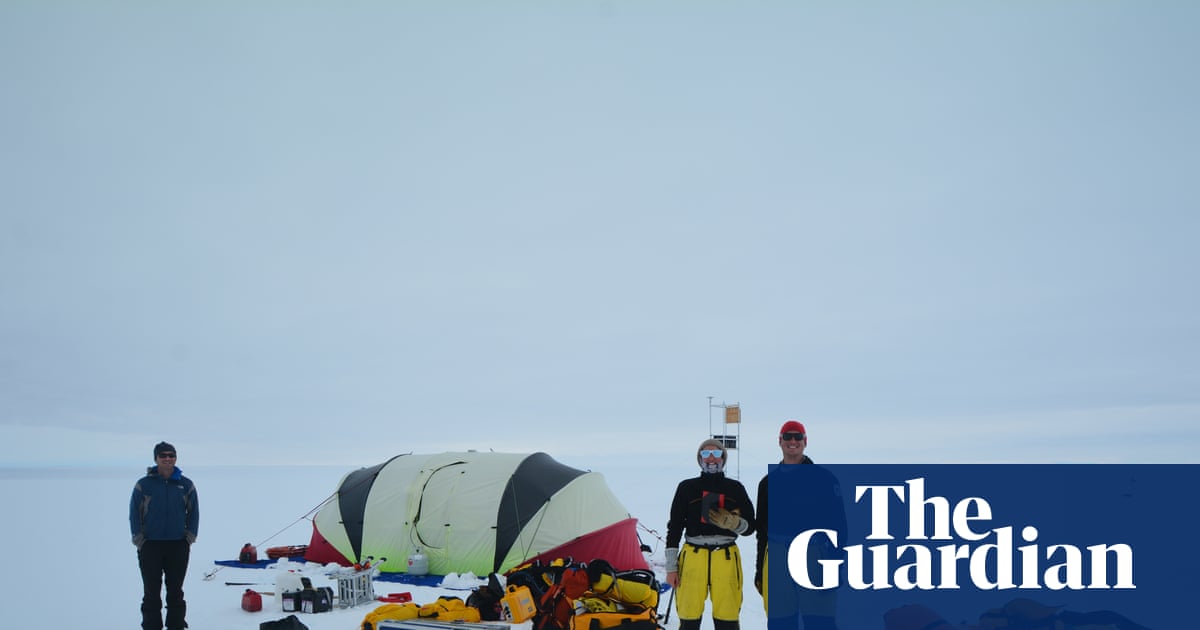
On one side of Dr Ben Galton-Fenzi’s view across the vast Totten ice shelf, the sun sat low on the Antarctic horizon. On the other, a full moon.
The ice shelf is “flat and white”, says Galton-Fenzi. “If there’s cloud around, you lose the horizon.”
With temperatures at -20C and a wind chill threatening frostbite, Galton-Fenzi was there in the summer months of 2018-2019 to retrieve radar instruments that were checking the thickness of the ice.
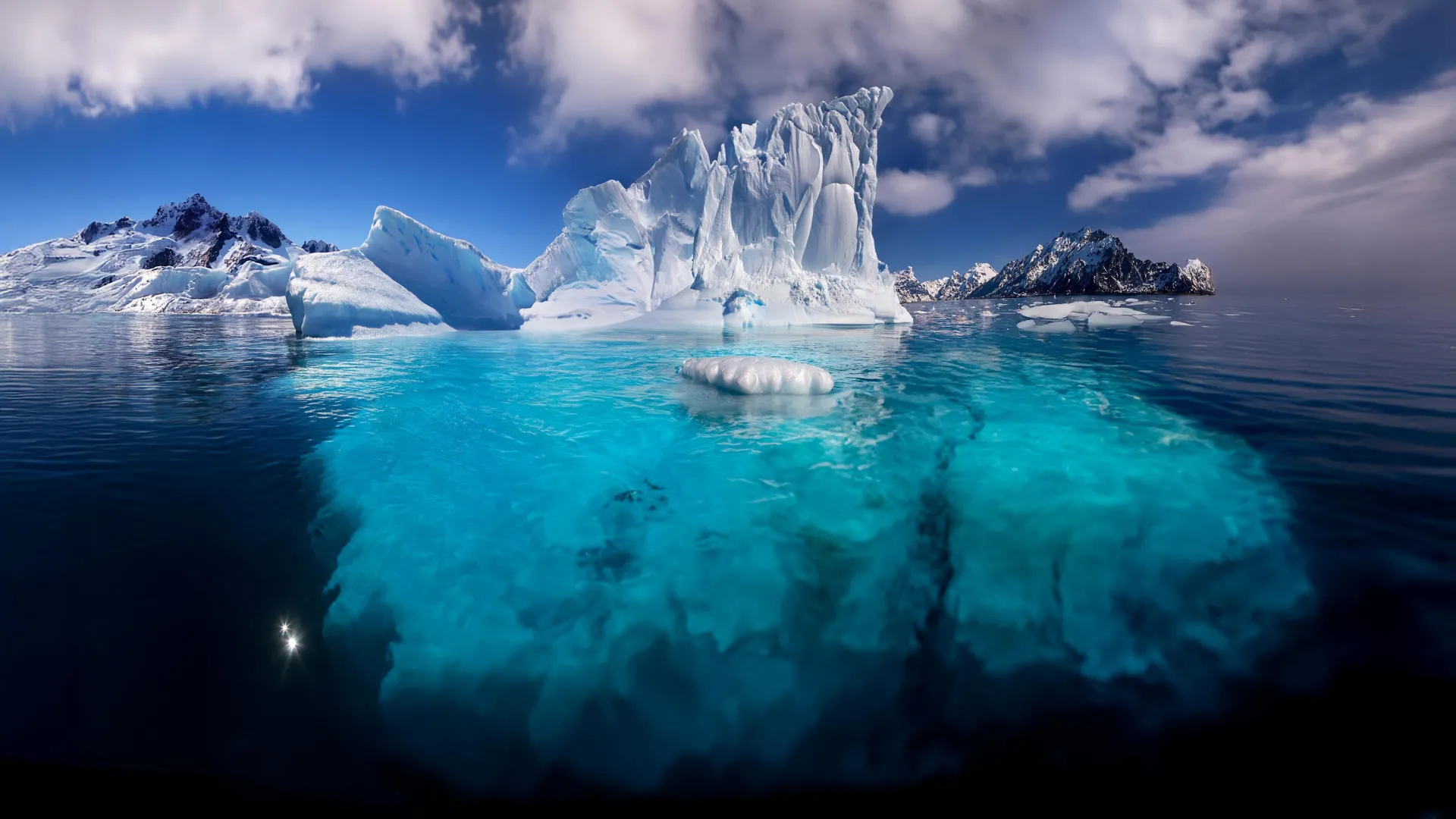
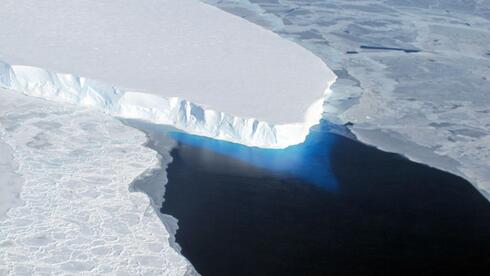
But Galton-Fenzi’s concern isn’t what’s happening on top of the ice. It’s what is happening almost two kilometres below his feet where the ocean meets the ice he is standing on.