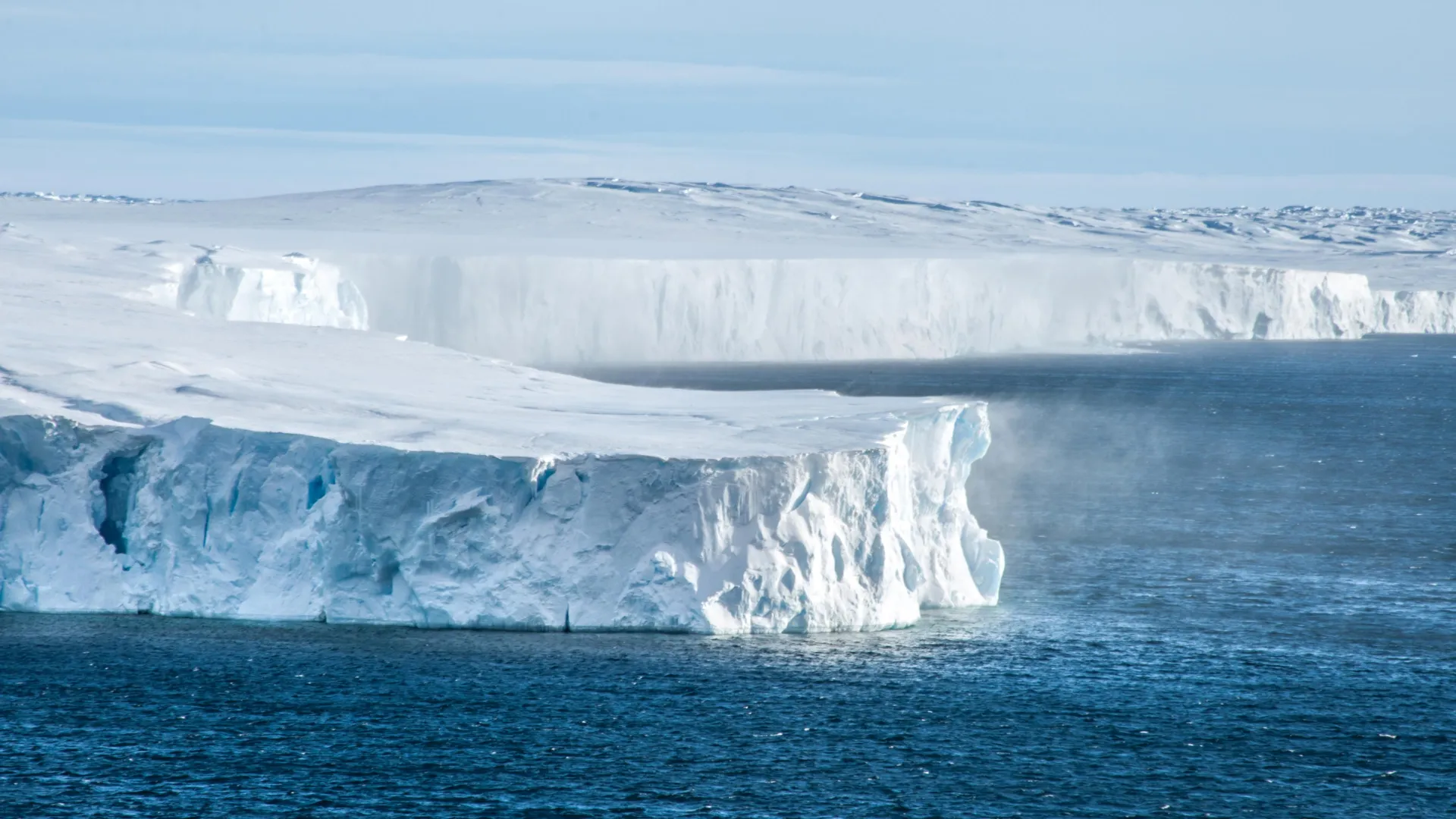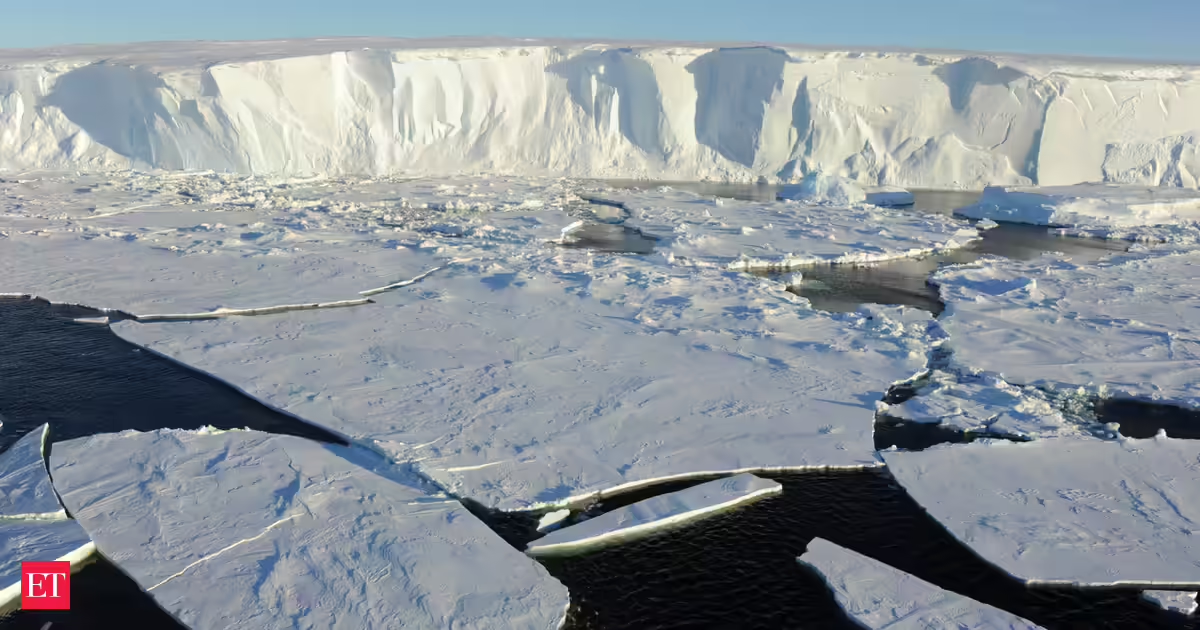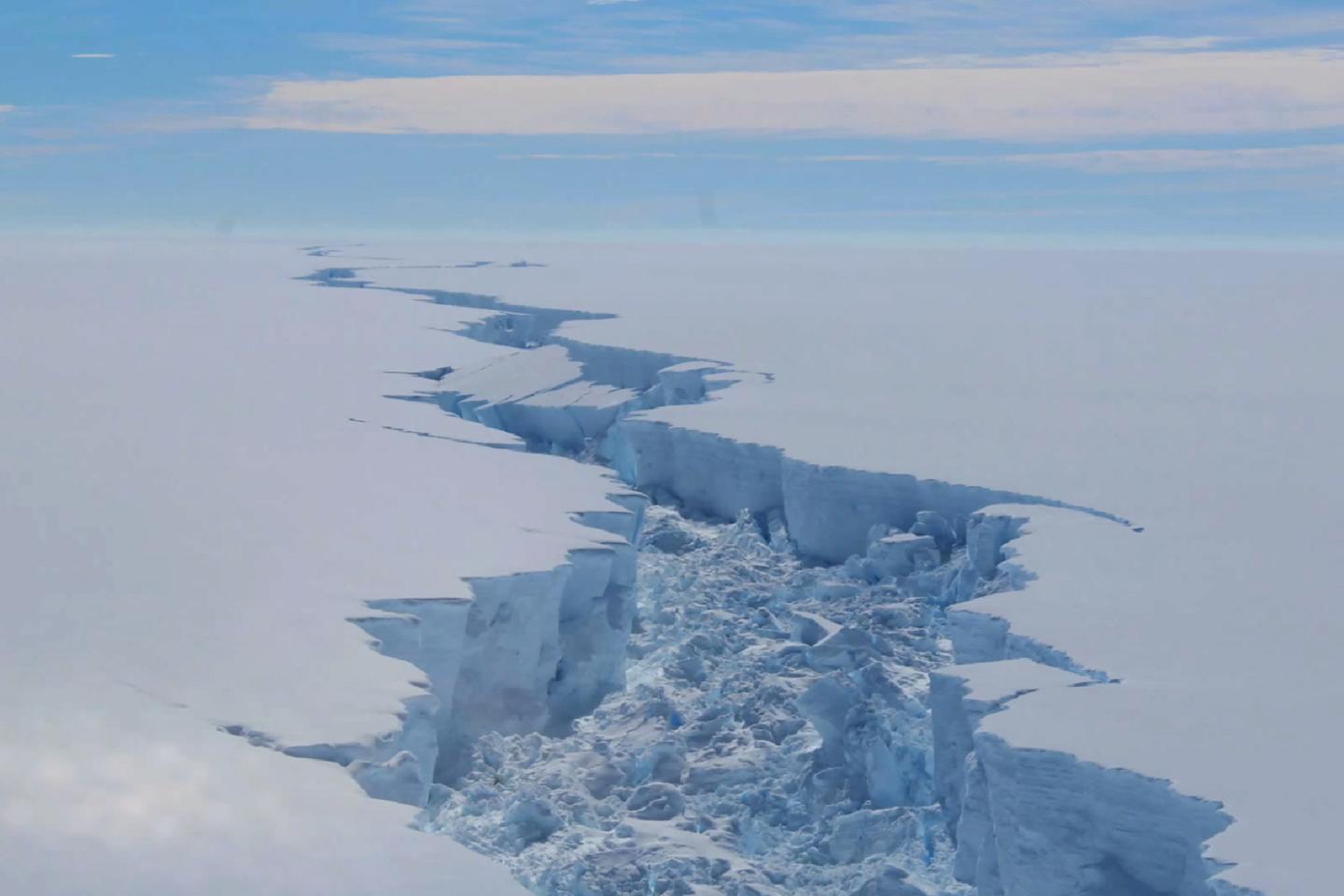
The crack in the Larsen C ice shelf on the Antarctic Peninsula, February 2017. STRINGER / AFP
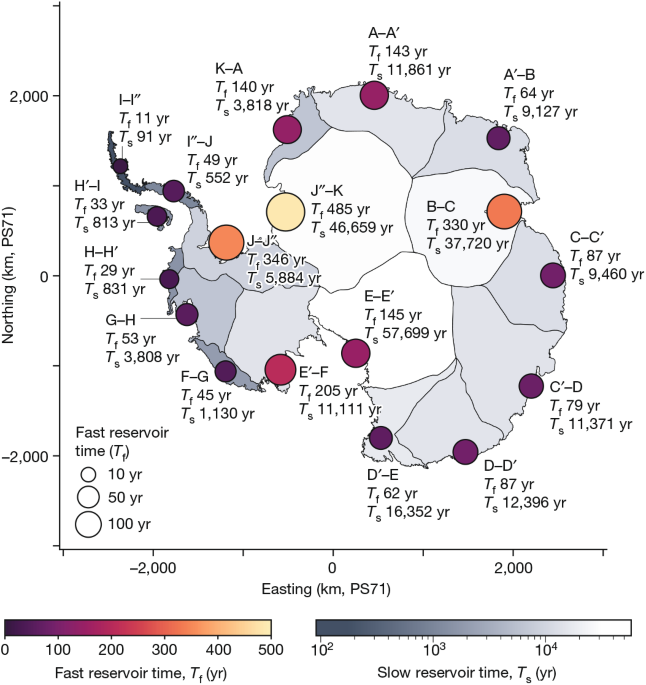
What will the ice shelves of the White Continent look like in the centuries to come? In a study published on Wednesday, October 29, in the scientific journal Nature, an international team of six scientists sought to model the future of the main floating ice shelves around Antarctica. These extensions of the continental ice sheet absorb part of the ice flow toward the ocean, thereby limiting sea level rise, but they are now threatened by climate change.
The researchers' modeling showed that the long-term stability of these ice shelves will depend heavily on reducing human-caused greenhouse gas emissions. The six scientists involved in the study assessed the impact of several greenhouse gas emission pathways drawn from the latest report by the Intergovernmental Panel on Climate Change (IPCC) in 2021. In particular, they focused on the most pessimistic scenario, which projects a rise in global temperatures of about 8°C above preindustrial levels by the year 2150.
In this scenario, 26 of Antarctica's 64 largest ice shelves (or 40%) – ranging from a hundred to several hundred thousand square kilometers – would become "non-viable" by the middle of the next century. Under the same scenario, by the year 2300 (with a 12°C rise), 12 additional ice shelves would be threatened, bringing the total share of vulnerable structures to 60% of those studied.