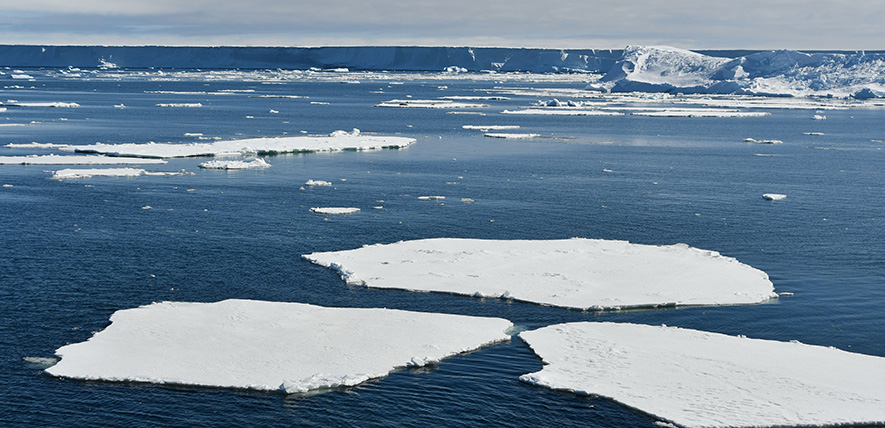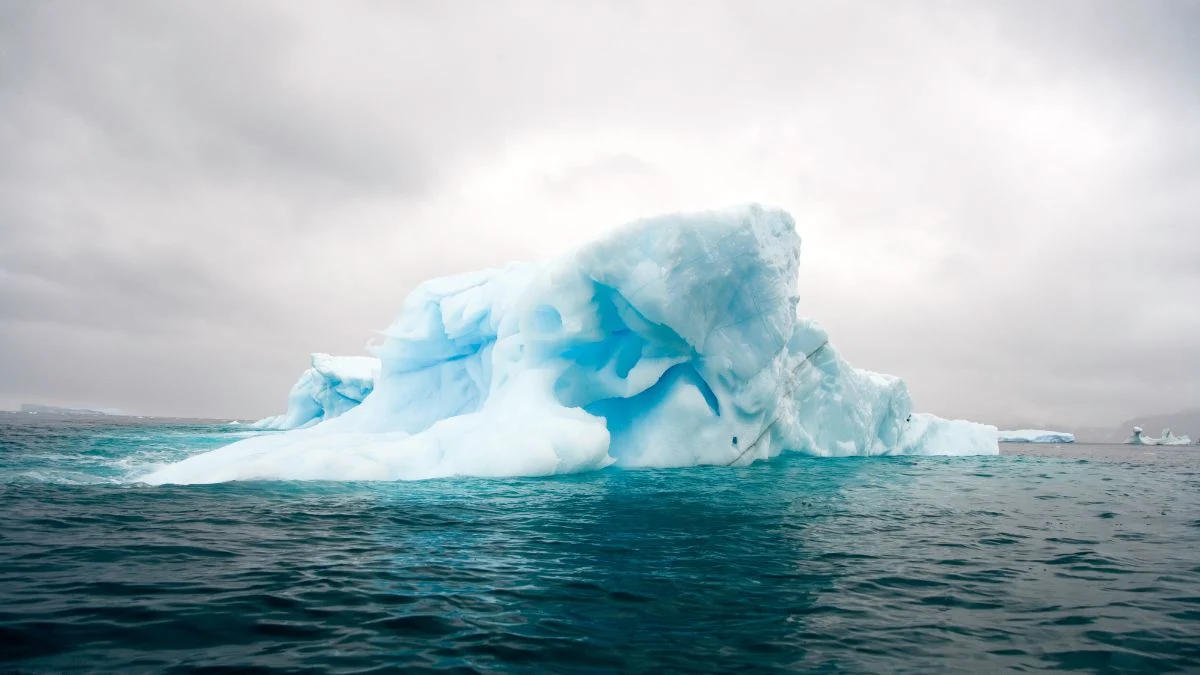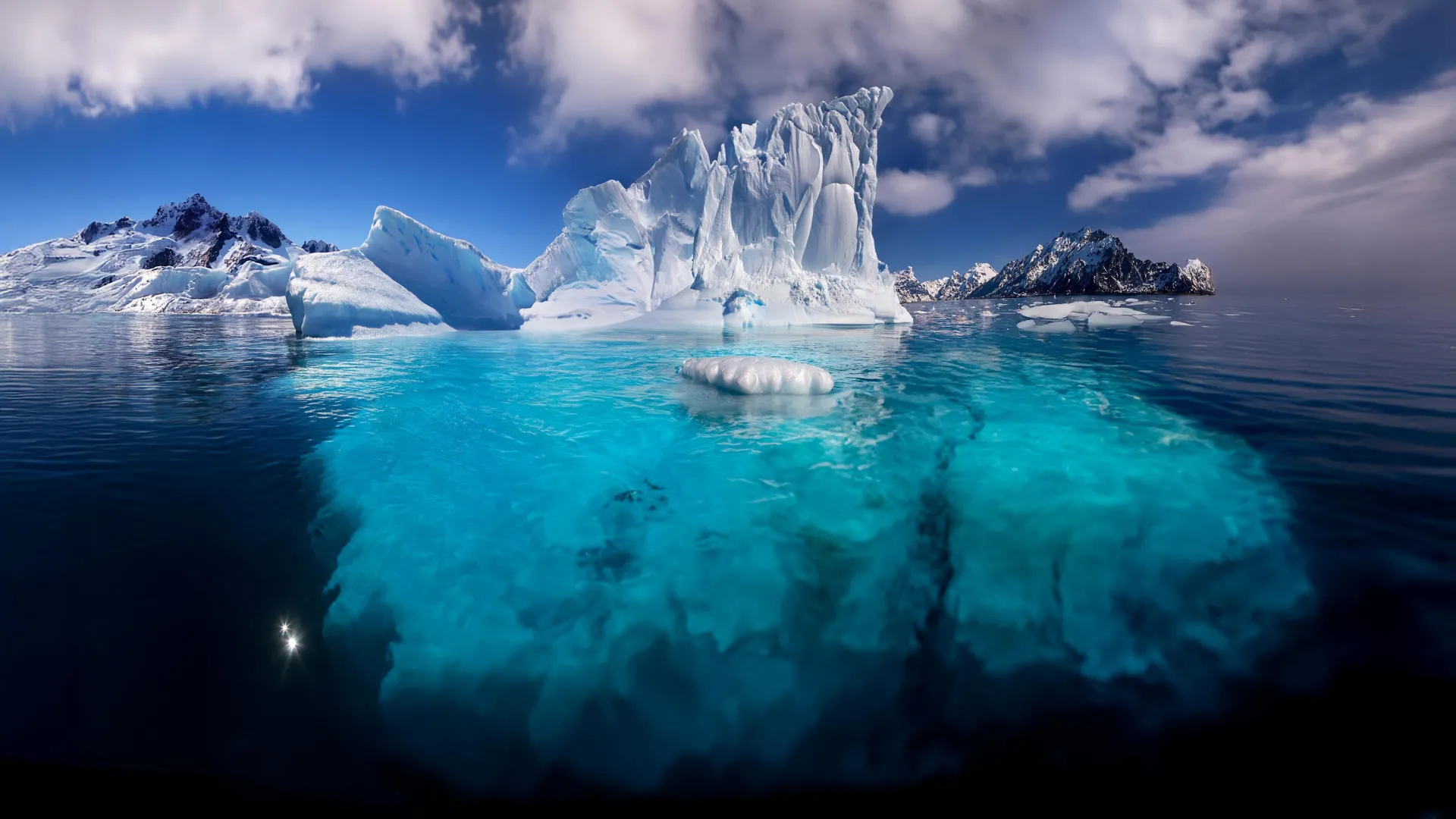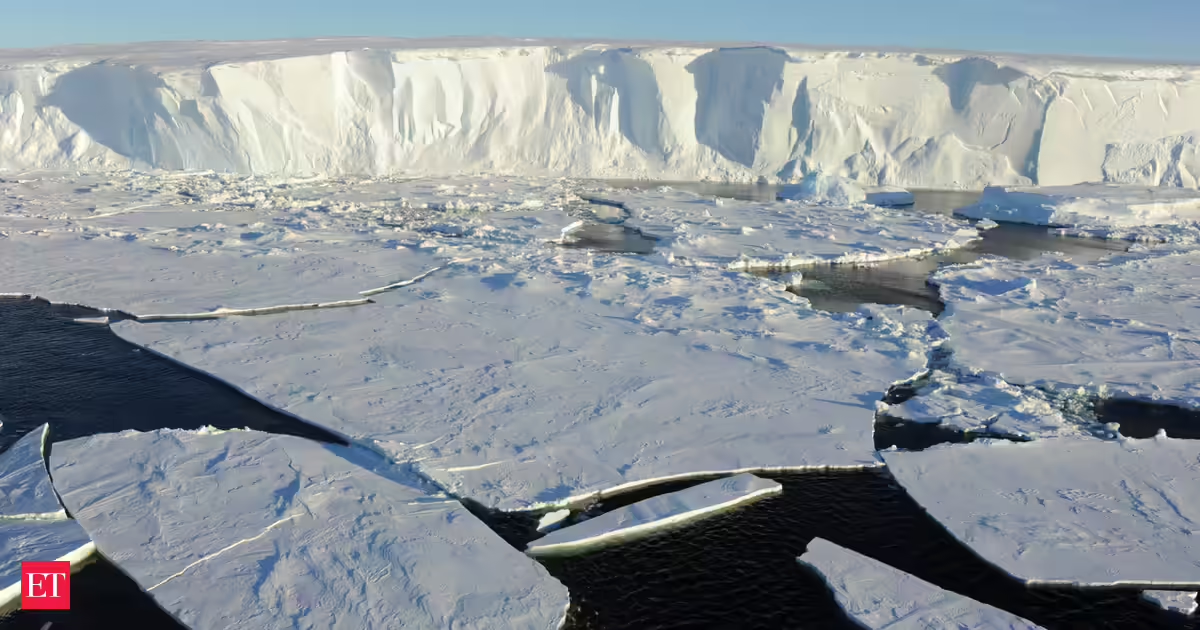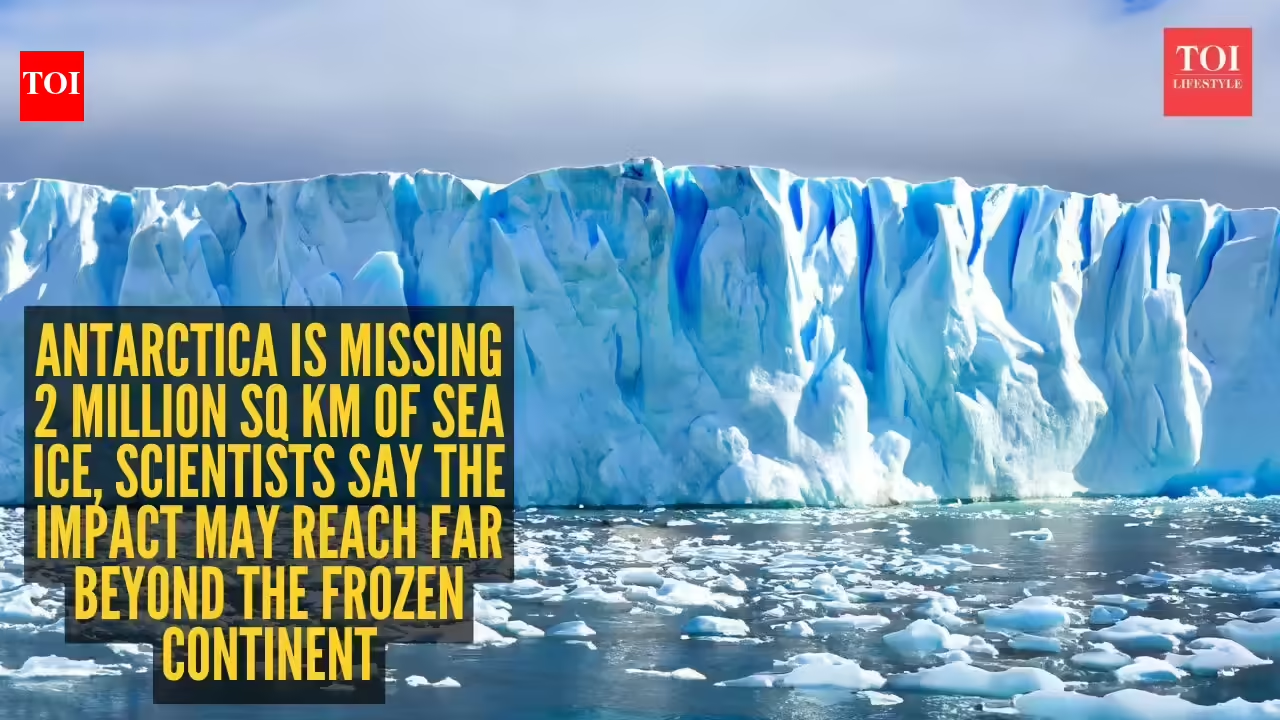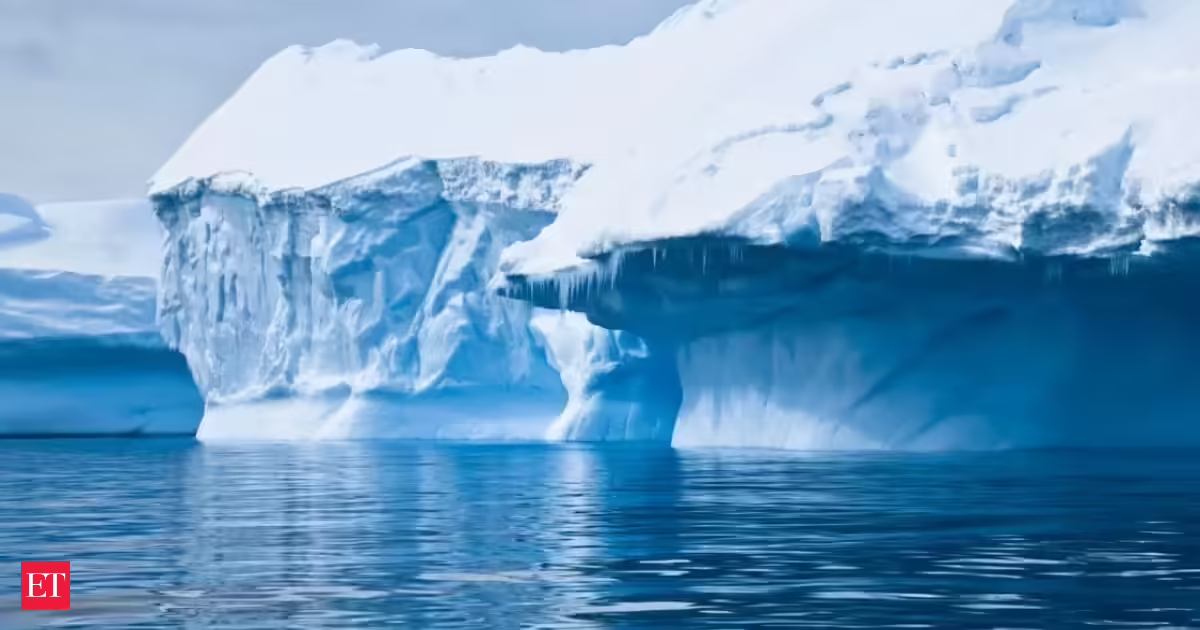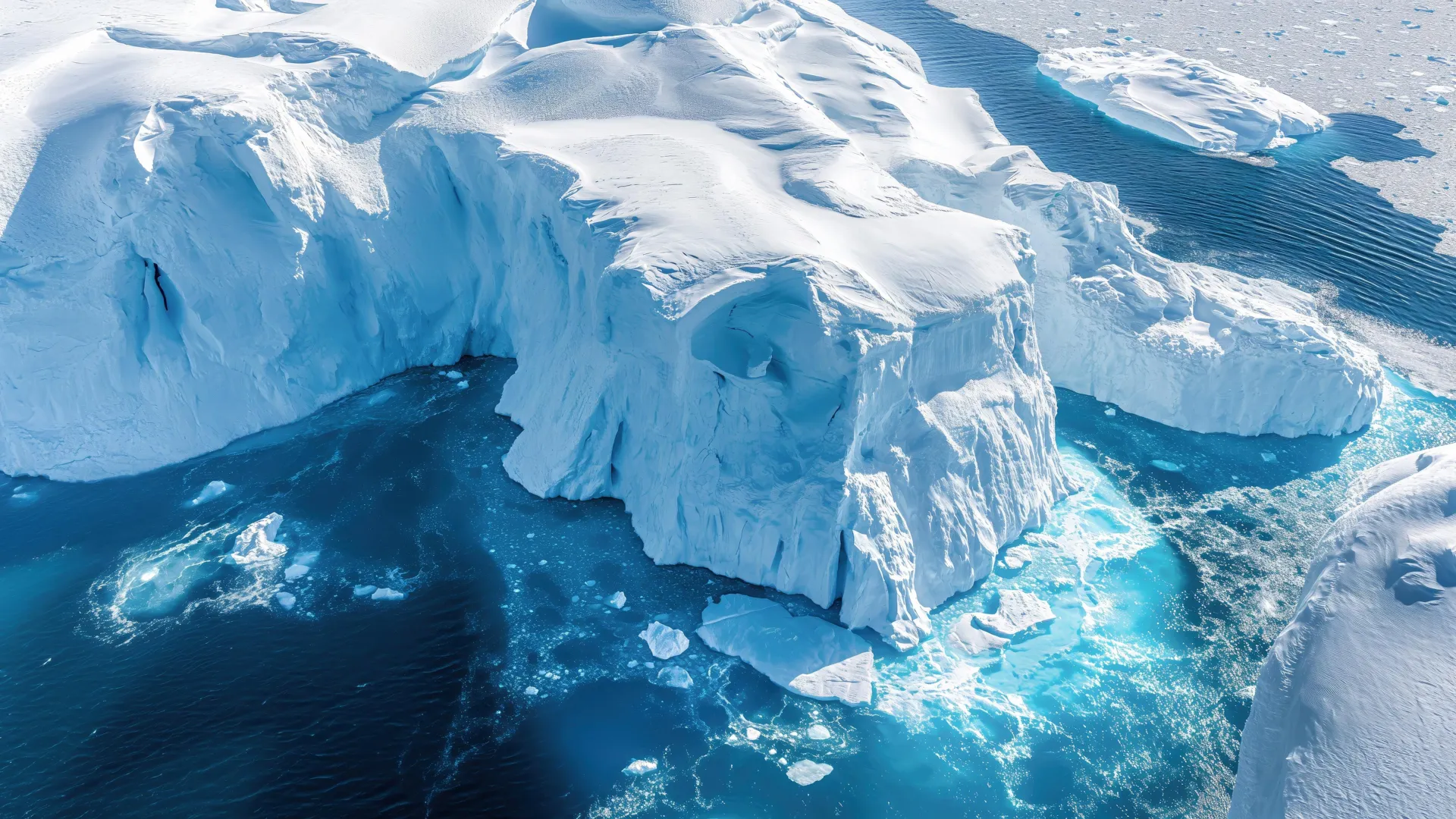
A major new study drawing on decades of ocean data has found clear evidence that heat from the deep ocean is shifting toward Antarctica. This change poses a growing threat to the continent's delicate ice shelves, which line its coast and help stabilize the ice sheet.
Researchers led by the University of Cambridge, working with colleagues from the University of California, analyzed long-term measurements collected by research ships and robotic ocean instruments. Their findings show that a large body of relatively warm water, known as 'circumpolar deep water', has expanded and gradually moved closer to the Antarctic continental shelf over the past two decades.
First Clear Evidence of a Long-Predicted Shift
Until now, scientists lacked enough continuous data to confirm this warming trend. "It's concerning, because this warm water can flow beneath Antarctic ice shelves, melting them from below and destabilizing them," said Joshua Lanham, lead author of the study at Cambridge Earth Sciences.
Ice shelves act as barriers that hold back Antarctica's inland glaciers and ice sheets. Together, these frozen reserves contain enough water to raise global sea levels by about 58 meters.