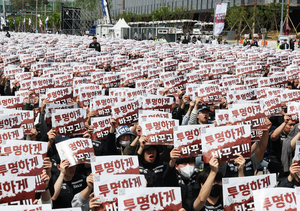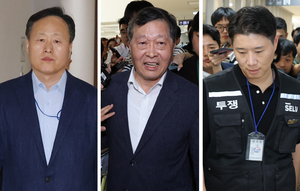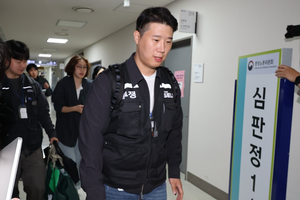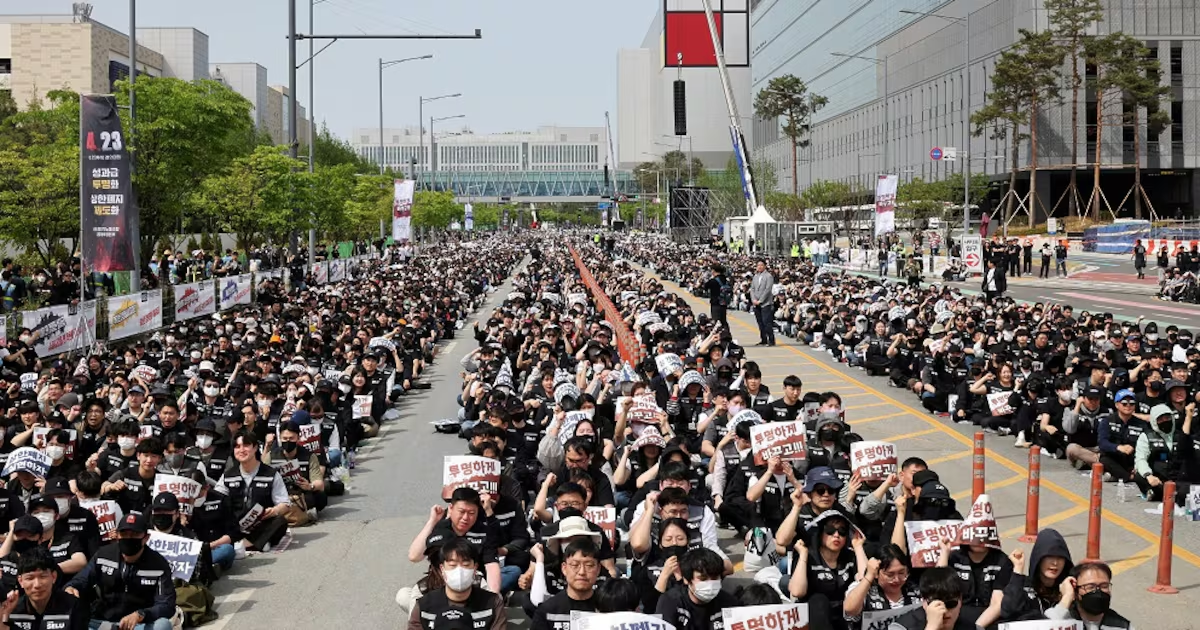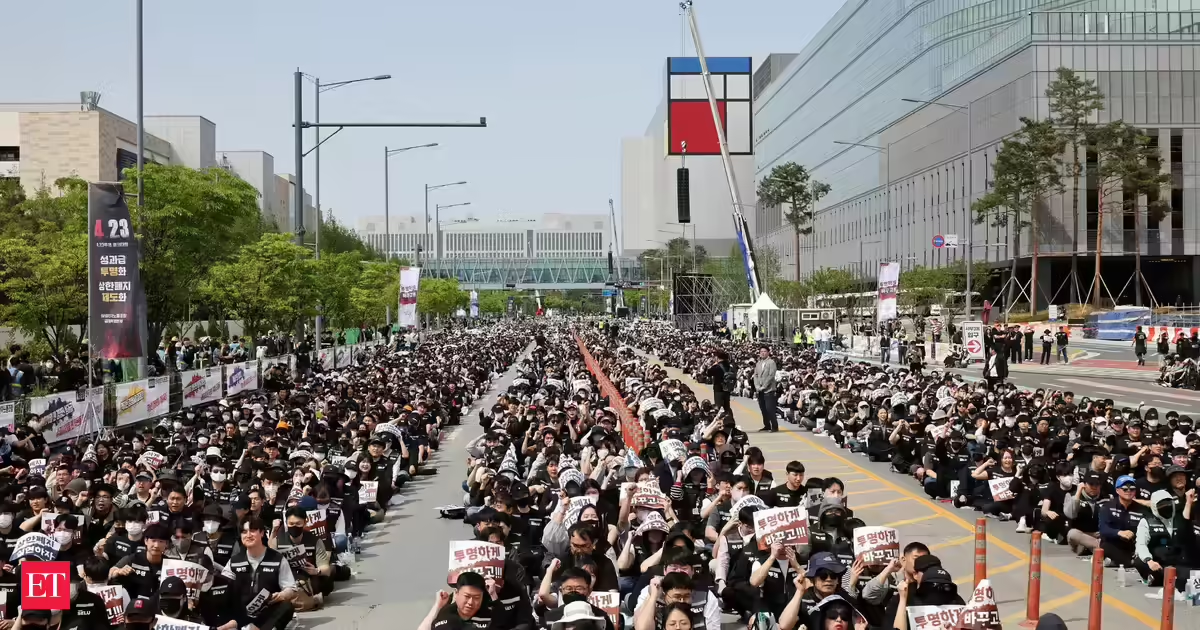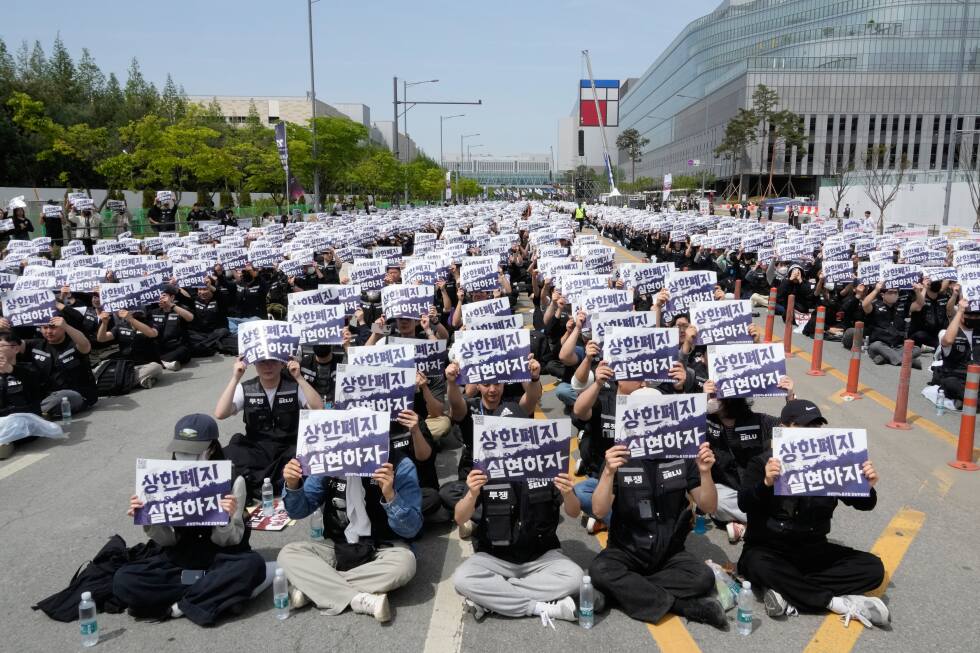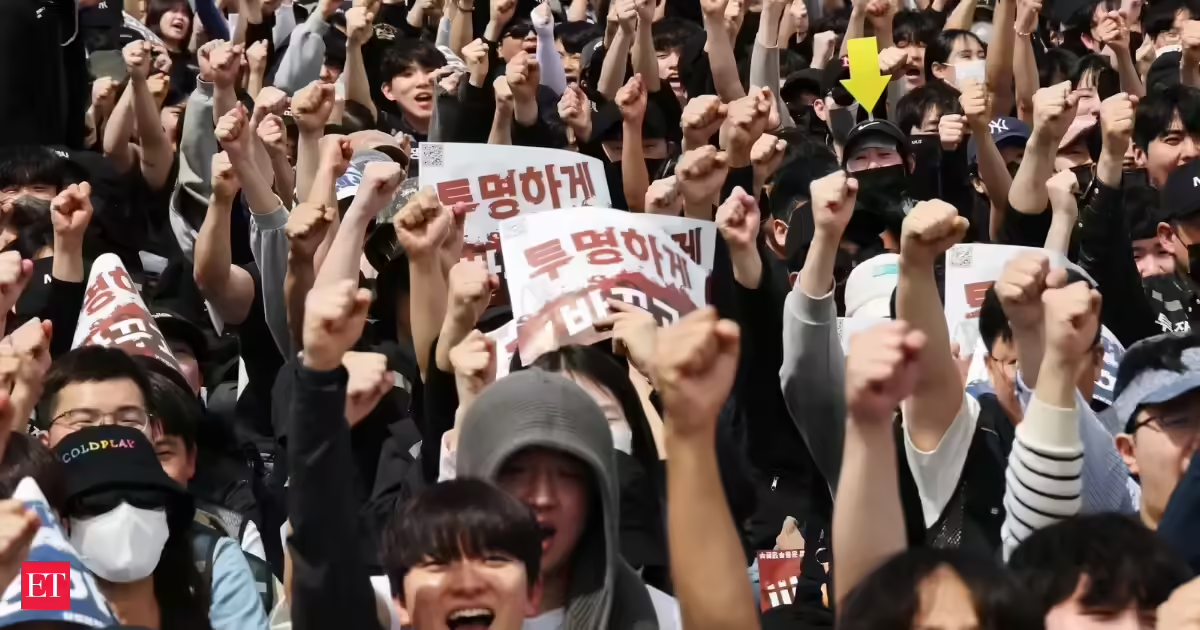
Government steps up pressure for compromise as Samsung union’s planned 18-day strike nears A red traffic light is seen in front of Samsung Electronics headquarters in Suwon, Gyeonggi Province. (Yonhap) Samsung Electronics and its labor union are set for what could be their final wage negotiations Monday before a planned strike, following a rare public apology and appeal for unity from Chair Lee Jae-yong.According to industry sources Sunday, management and union representatives will hold a second round of post-mediation talks at the National Labor Relations Commission before the union’s planned 18-day walkout begins Thursday. In a sign of the talks’ significance, commission chair Park Soo-geun is also expected to attend.Prime Minister Kim Min-seok welcomed the resumption of talks in a public address Sunday while reiterating that the government could invoke emergency arbitration if negotiations collapse.The renewed talks come after Lee issued his first public apology since becoming Samsung chair in October 2022.“Dear union members and fellow Samsung family members, we are one body and one family,” Lee said Saturday after returning from a business trip to Japan. “Now is the time for us to wisely come together and move in one direction.”Lee also apologized to customers and the Korean public for causing concern over the escalating labor dispute. Samsung Electronics Chair Lee Jae-yong apologizes at Seoul Gimpo Business Aviation Center on Saturday after returning from a business trip to Japan. (Yonhap) Earlier Saturday, Labor Minister Kim Young-hoon met Samsung management after holding talks with union officials the previous day, urging both sides to continue dialogue.The negotiations are expected to focus on Samsung’s performance bonus structure and whether the rules should be formally institutionalized.The union is demanding greater transparency in Samsung’s OPI, or overall performance incentive, system by allocating 15 percent of operating profit to a bonus pool. It also wants the current cap limiting bonuses to 50 percent of annual salary removed and permanently codified.Based on Samsung Electronics’ projected operating profit of 300 trillion won this year, such a system would create a 45 trillion won bonus pool — equivalent to nearly 600 million won per employee in the semiconductor division on average.Management has countered with a proposal to maintain the current OPI framework while introducing a separate uncapped special bonus equal to 10 percent of operating profit if Samsung regains the industry’s No. 1 position. That would amount to nearly 400 million won per chip division employee, compared with roughly 50 million won in average OPI payouts last year.Still, industry observers say there may be room for compromise. The union has signaled it could accept a lower profit-sharing ratio if Samsung expands its stock-based OPI program, which allows employees to receive up to half of their bonus in shares. South Korean Prime Minister Kim Min-seok (second from left) delivers a public address on the Samsung Electronics strike at the Government Complex Seoul on Sunday. (Yonhap) As the government warns it is prepared to use “all available measures,” including emergency arbitration, to prevent a strike that could damage the economy, major labor groups have pushed back sharply.Under Korean law, emergency arbitration allows the government to suspend strikes or other collective labor actions if they are deemed likely to seriously threaten the national economy or public welfare. The measure can only be invoked after a strike begins.The Federation of Korean Trade Unions on Sunday criticized attempts to portray Samsung’s chip union as an “aristocratic” labor group, arguing that invoking emergency arbitration based on inflated damage estimates would only deepen tensions.“The dispute should not be reduced to excessive demands by highly paid workers, but should prompt broader discussion about how corporate profits are shared among workers, suppliers and society,” the federation said.The Korean Confederation of Trade Unions also warned against government intervention, arguing that workers’ right to strike should not be restricted simply because an industry is strategically important.“Such a move could set a precedent for state intervention in lawful strikes across other strategic industries, including autos, shipbuilding, steel and batteries,” the KCTU said.
Samsung’s strike countdown enters final stage
Samsung Electronics and its labor union are set for what could be their final wage negotiations Monday before a planned strike, following a rare public apology
663 words~3 min read