Intensive farming of the popular açaí berry grew by 70% since 2015, while community cooperatives reported losses of 35% or more during recent heat waves and fires.Industrial açaí crops often rely on artificial irrigation and nonnative honeybees, adapting the Amazon to intensive methods rather than benefiting from the biome’s own systems.Market analysis indicates increasing international demand and rising prices, a trend that pushes for high-yield commercial monocultures over forest-based extraction.
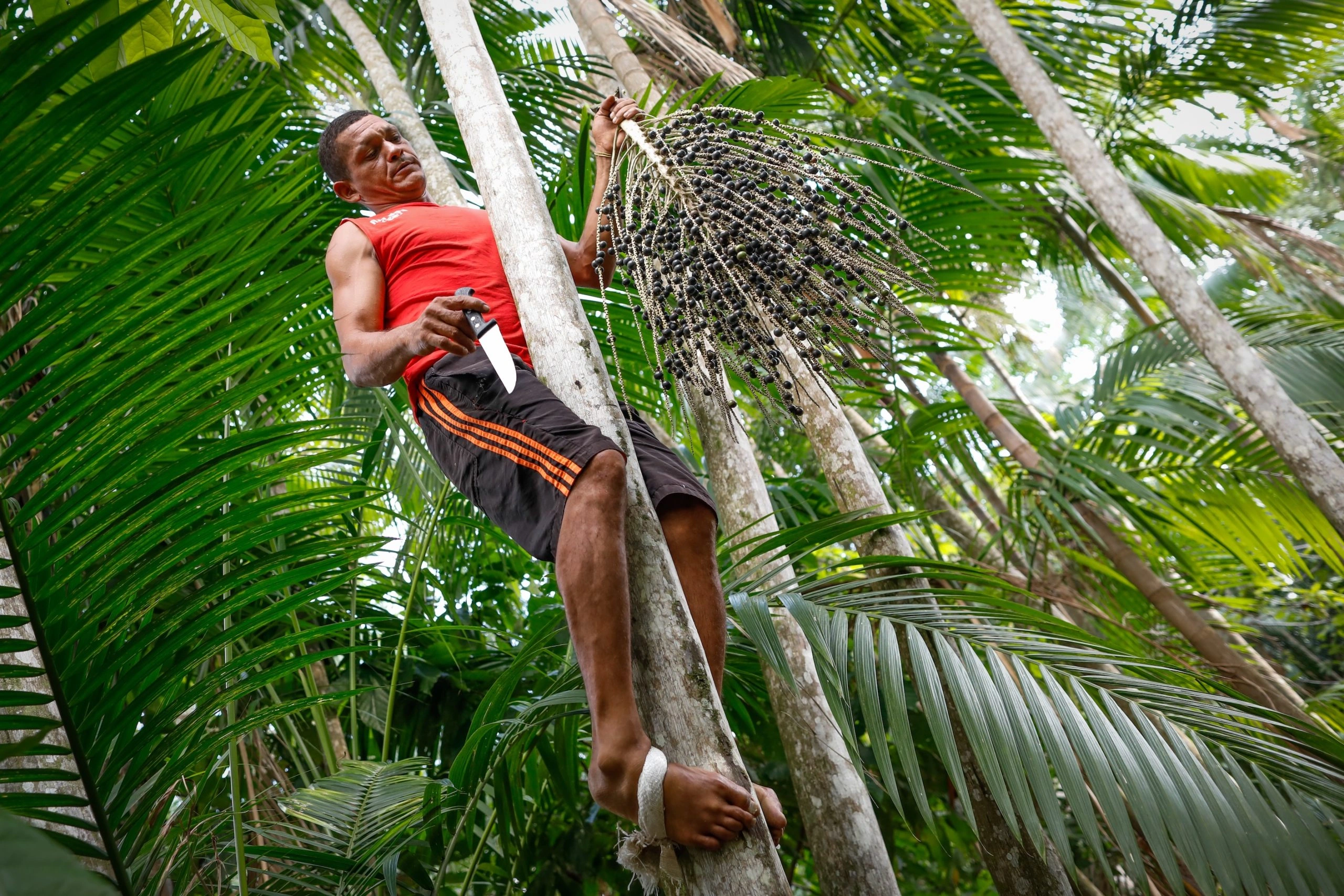
ACARÁ, Brazil — “I’ve spent my whole life working with açaí,” said Eliseu Carvalho, 57, who cultivates the berry in a floodplain area next to his home in the municipality of Acará, in the Brazilian state of Pará. “I’ve always made a living from it.”
But after a devastating wildfire near his community, Carvalho is now considering abandoning açaí harvesting altogether.
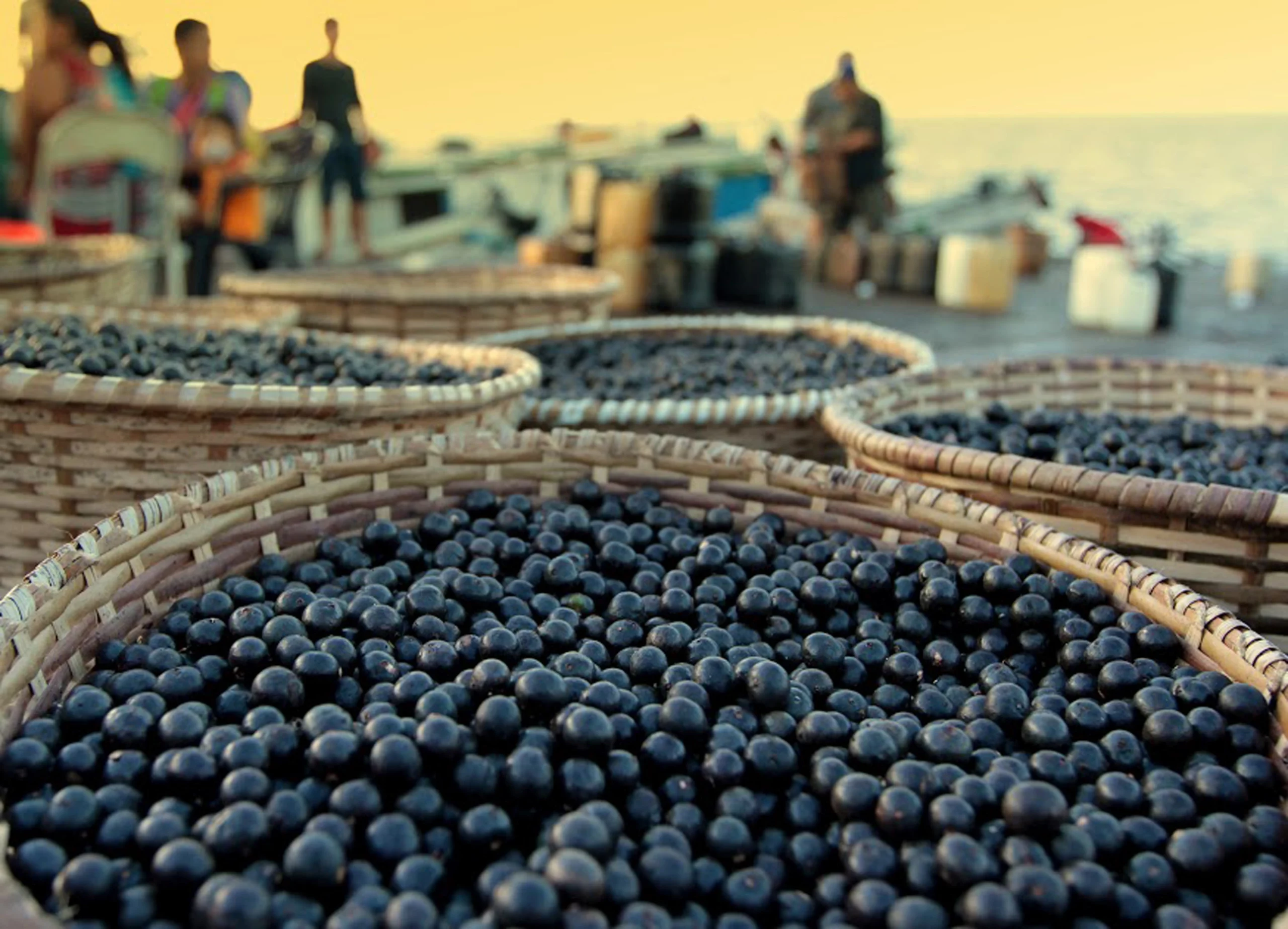
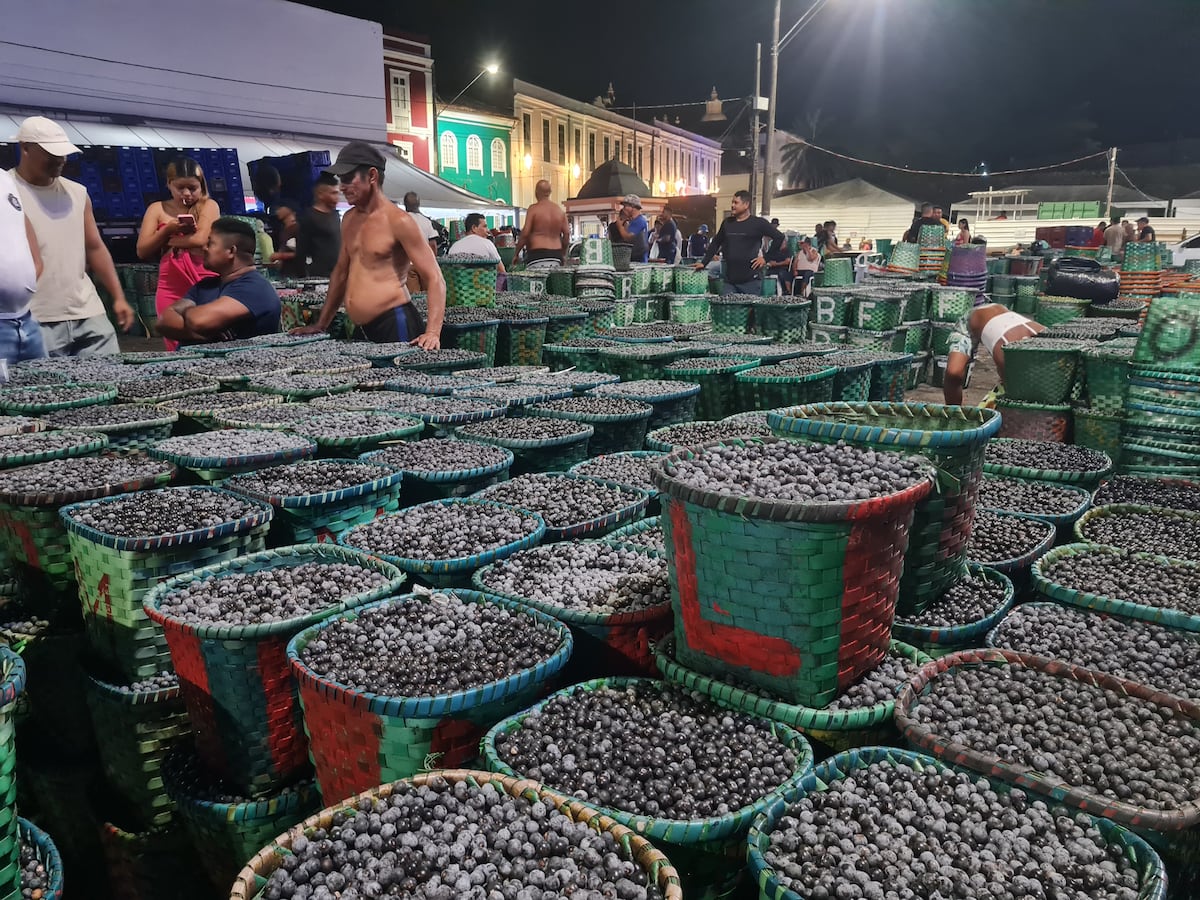
Acará is one of the most productive açaí regions in the state of Pará, with thousands of small-scale producers working in forest patches and along riverbanks.
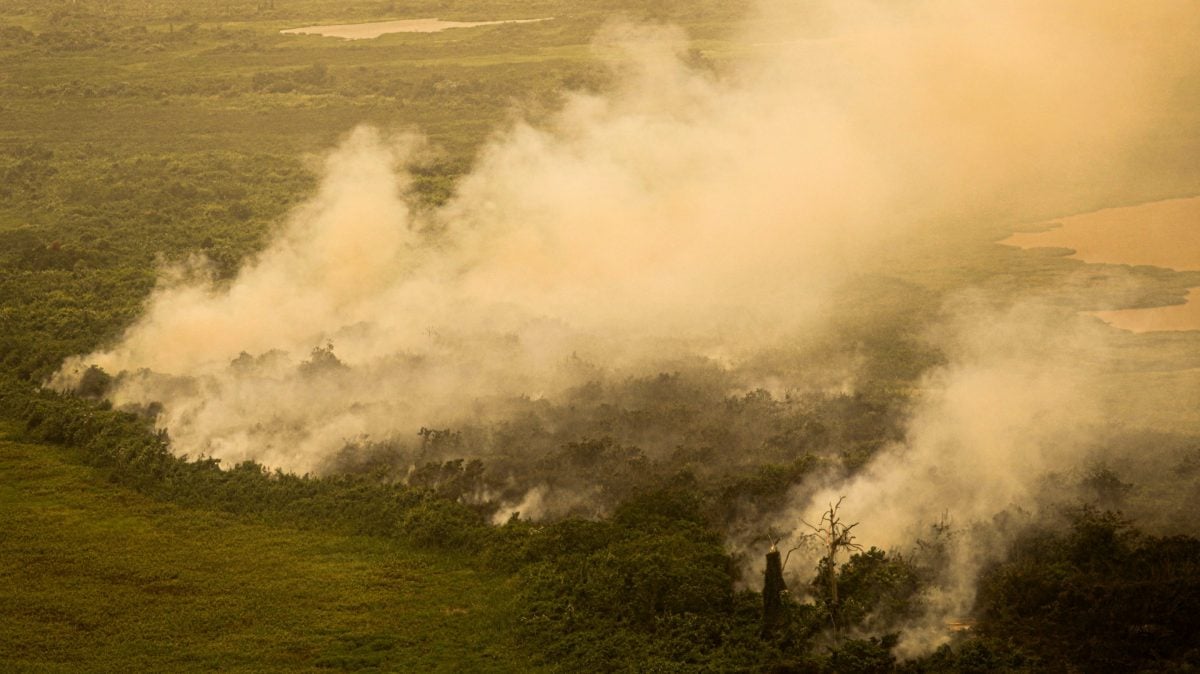
In 2024, the municipality was severely affected by an intense wildfire season. More than 18 million hectares (44.5 million acres) — an area the size of Cambodia — burned in the Amazon that year, according to the Brazilian collaborative research network MapBiomas. Most of the burning occurred in forest areas, threatening frontline communities.