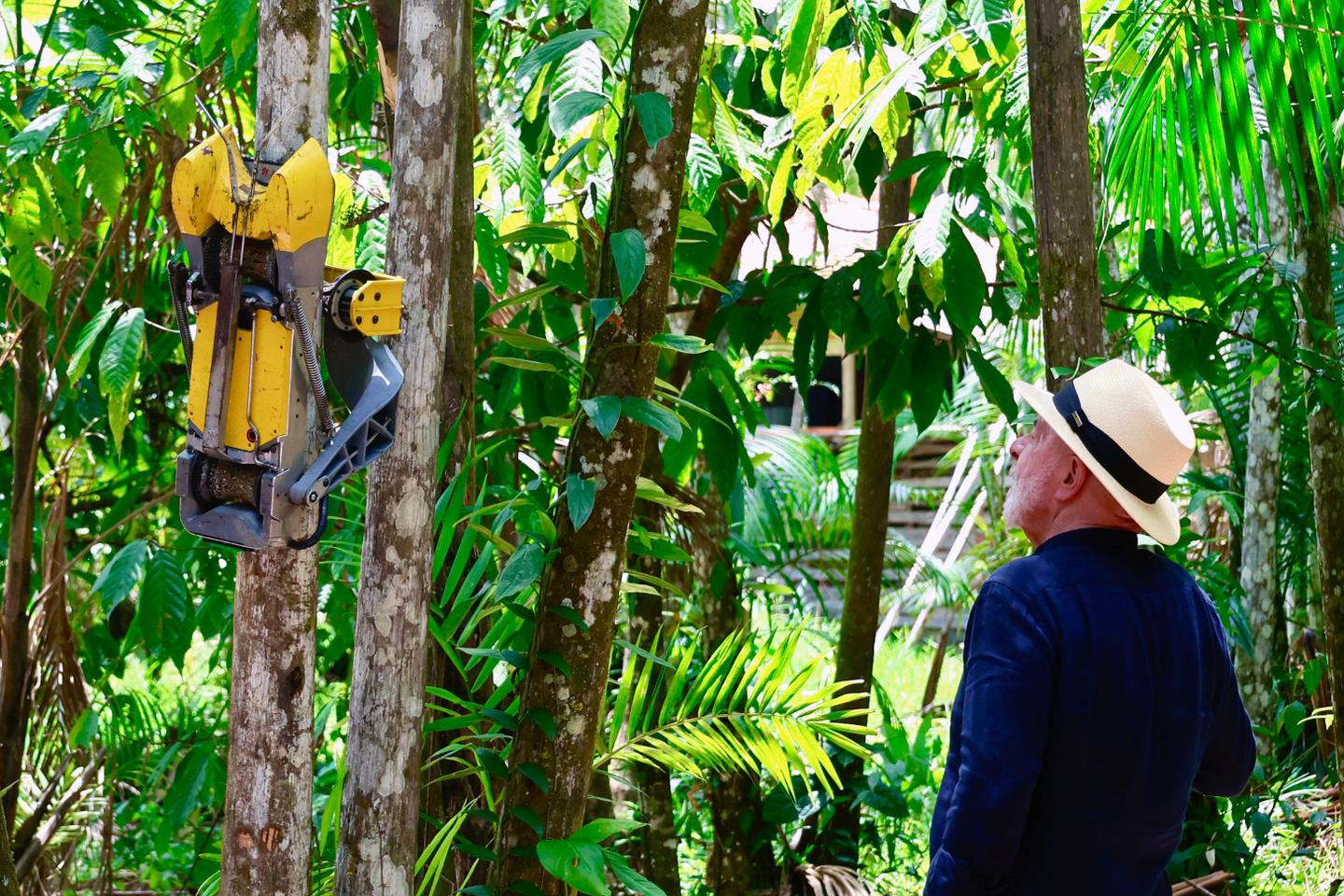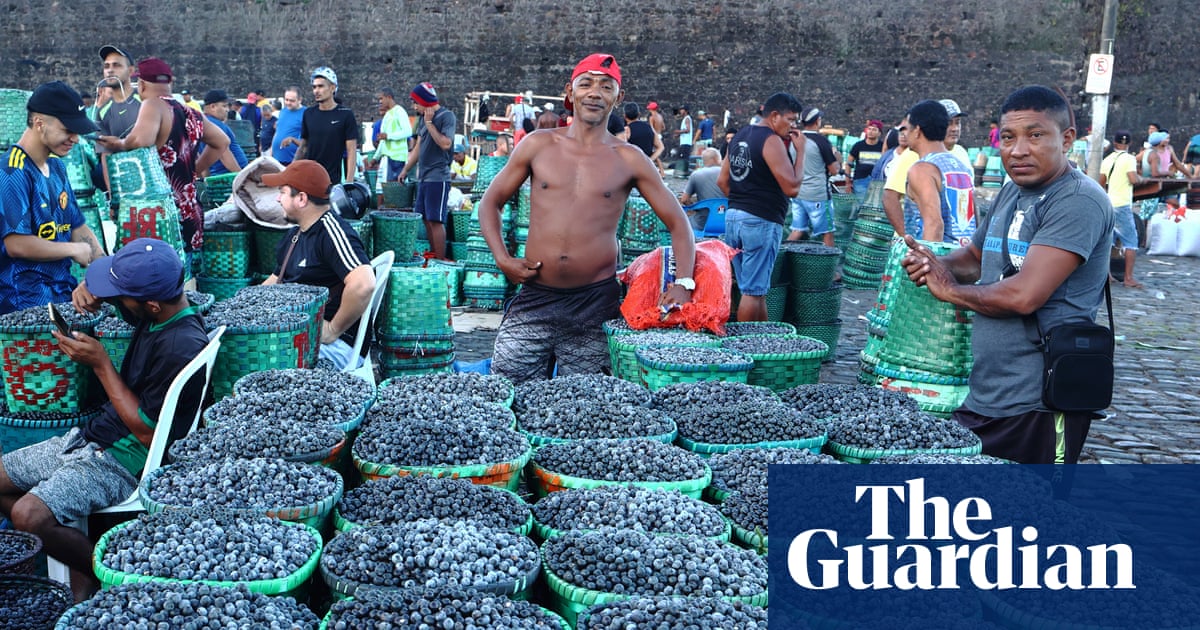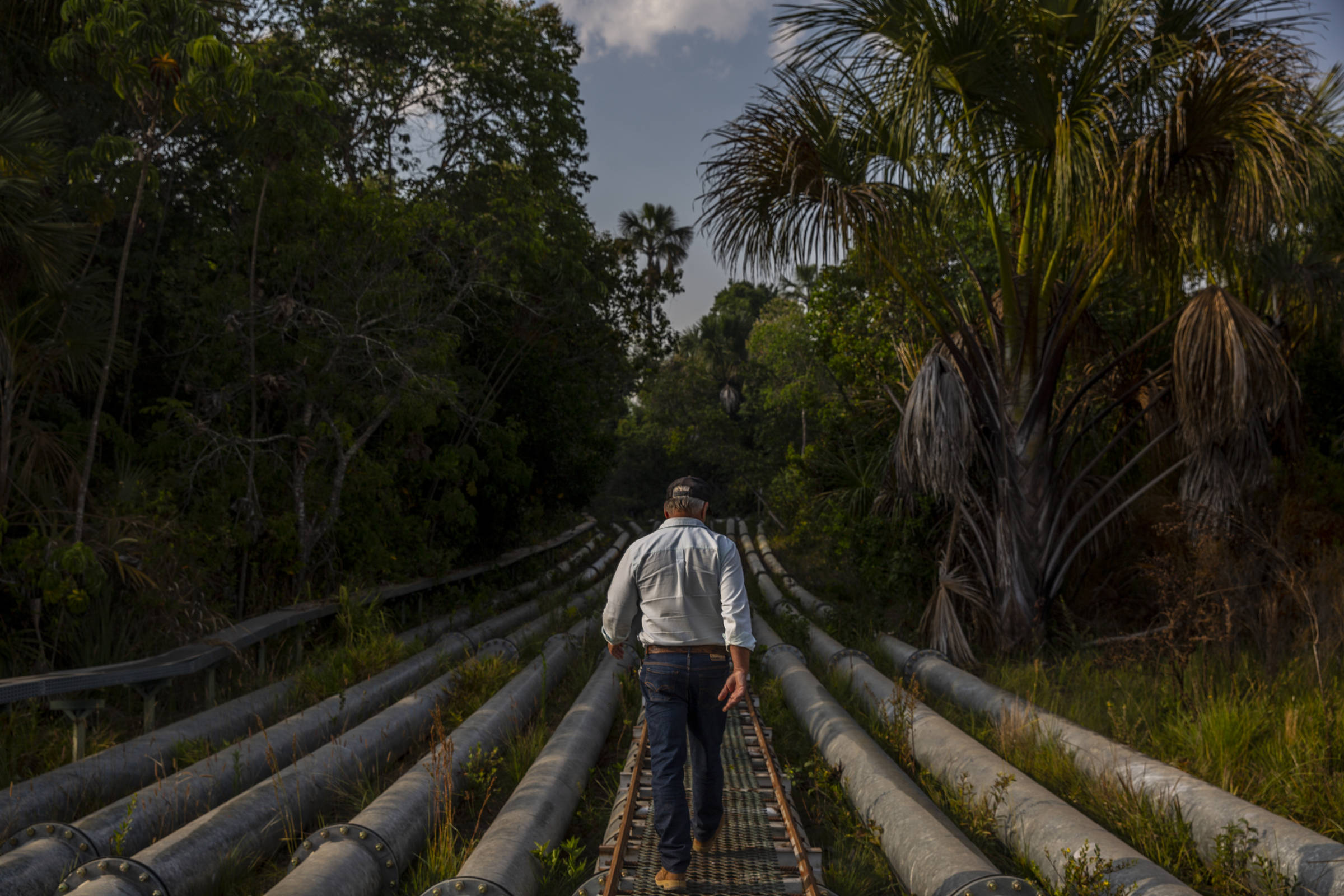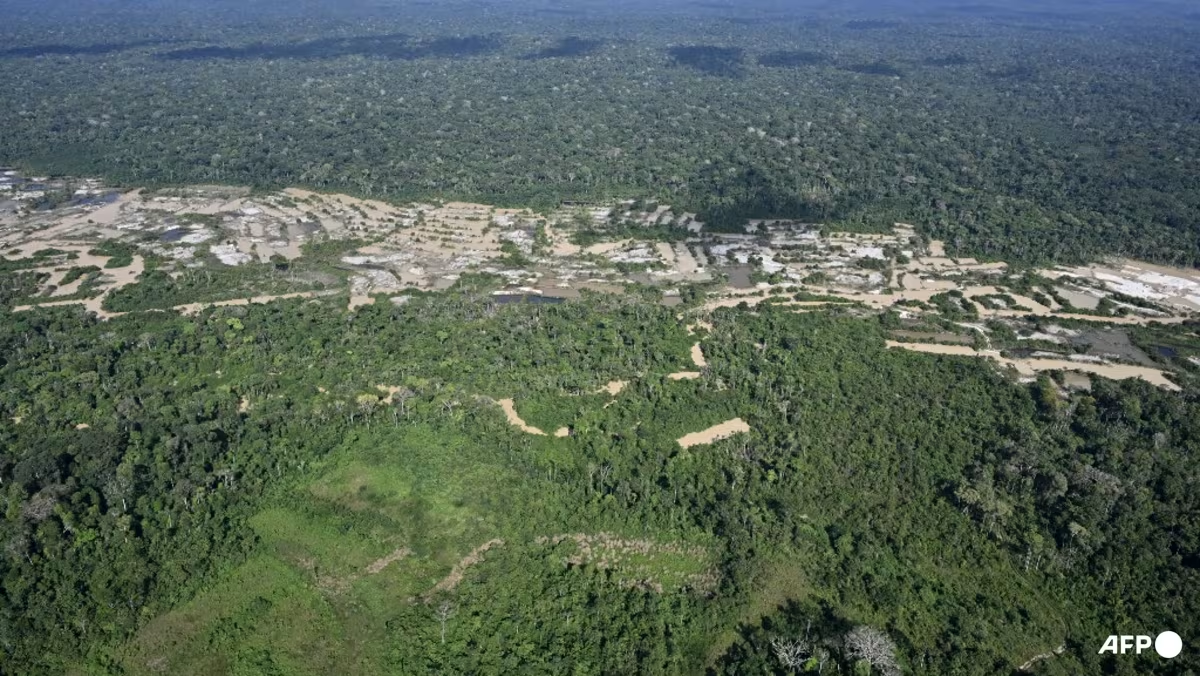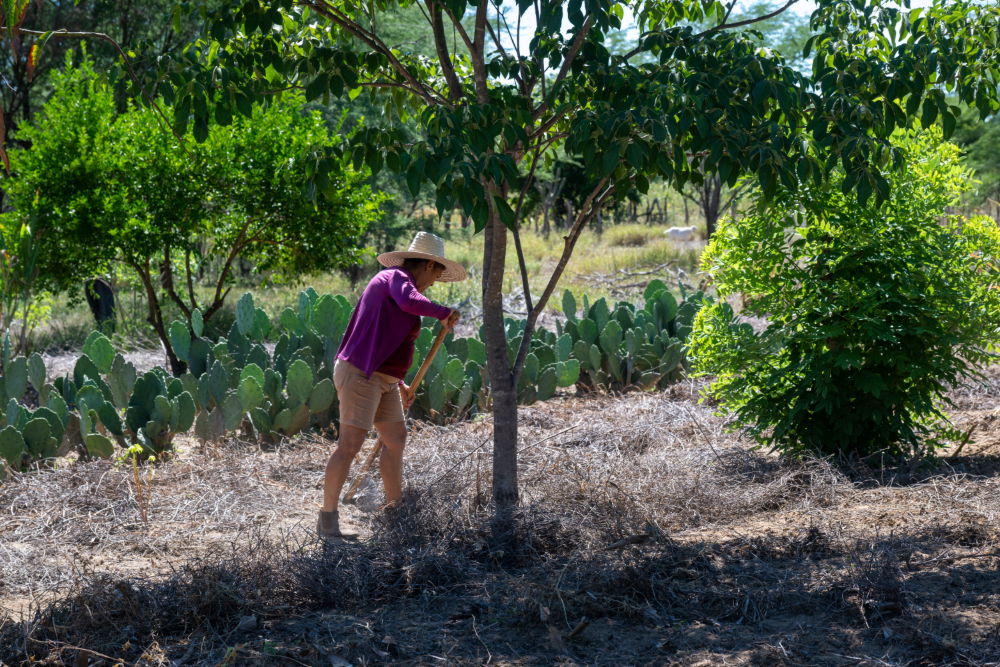
To many people, Brazil conjures up images of the endless Amazon River, lush tropical rainforest and breathtaking wildlife. In a country of its size, this picture can remain true while also containing a more complex and changing set of realities.For example, climate change, high water demand and human activity are also leading to increased desert-like conditions. One recent study found that in the past 30 years, there has been a 30% expansion in dryland habitat across Brazil. One of the most affected areas includes the state of Pará, a major part of the Amazon rainforest and home to Belém, which is hosting this year’s UN climate summit.Water shortagesBrazil’s northeast region is particularly noted for its semi-arid landscape and water scarcity.Pernambuco, a small state by Brazilian standards, extends from the eastern Atlantic coast into the region’s interior for around 450 miles. Water availability is a constant concern for many communities across the state, especially family farms which are significant contributors to the regional economy.“One of the main problems people are facing here is the growing frequency of droughts and the irregularity of rainfall. As a result, producing food has become extremely difficult,” said Carlos Magno, a coordinator at Centro Sabiá, a non-profit organisation in the area.“We’re also experiencing stronger heatwaves, which have been causing the death of many trees and affecting the local environment even more,” Magno added.Giving nature breathing room builds climate resilienceHe went on to describe how family farming in the region is almost entirely dependent on rain to grow food. There are no irrigation systems or wells to support communities so when the rains fail, it means less food on the table.Addressing these concerns is a key objective of an ongoing project supported by the Adaptation Fund’s Climate Innovation Accelerator (AFCIA), administered by the UN Development Programme and carried out by Centro Sabiá.
COP30: Brazil is drying up despite its rich natural resources
Innovative solutions to worsening drought conditions are changing the livelihoods of farmers in northern Brazil
1,045 words~5 min read